













Now Reading: How to Build Core Strength Without Traditional Sit-ups
-
01
How to Build Core Strength Without Traditional Sit-ups


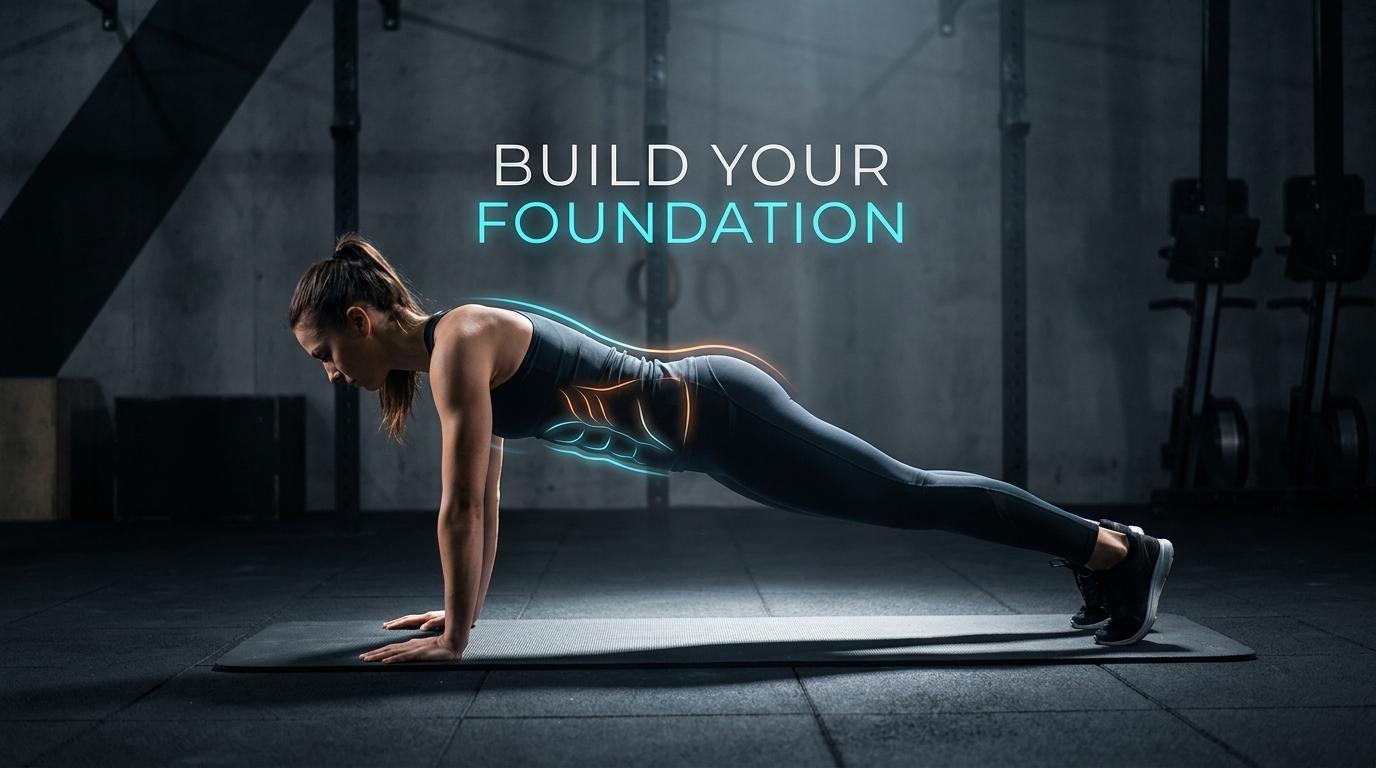
When most people think about building a strong core, they immediately picture endless sit-ups and crunches. But here’s the truth: you don’t need traditional sit-ups to build a powerful core—and in many cases, avoiding them may actually protect your back.
Your core is involved in nearly every movement you make—from tying your shoes to lifting groceries. Strengthening it properly can improve your balance, posture, stability, and overall performance.
Table of contents
What Is the Core, Really?
Contrary to popular belief, your core isn’t just your abs. It’s a complex system of muscles that includes:
- Rectus abdominis (the “six-pack” muscles)
- Obliques (for rotation and side bending)
- Transverse abdominis (deep core stabilizer)
- Erector spinae (lower back muscles)
- Multifidus (spinal support)
- Glutes, pelvic floor, diaphragm, and hip muscles
Together, these muscles stabilize your body, protect your spine, and allow efficient movement.
Why You Should Avoid Traditional Sit-ups
Sit-ups were once considered the gold standard for abs—but modern fitness science tells a different story.
1. They Put Stress on Your Spine
Sit-ups involve repeated spinal flexion, which can strain your lower back and increase the risk of injury over time.
2. They Overwork Hip Flexors
Instead of targeting your core effectively, sit-ups heavily engage the hip flexors, which can pull on your lower spine and cause discomfort.
3. Limited Muscle Engagement
Sit-ups mainly target a small portion of your core, while real-life movements require full-core coordination.
Why Planks and Functional Movements Are Better
Plank-based exercises have become the new gold standard—and for good reason:
- Engage multiple muscle groups simultaneously
- Improve stability and balance
- Train your core the way your body actually moves
- Reduce risk of back injury
Best Core Exercises Without Sit-ups
Beginner Level
1. Glute Bridge
Activates your glutes and stabilizes your core.
- Lift your hips while keeping your core tight
- Hold for 10–30 seconds
- Repeat 3–5 times
2. Toe Taps (Pilates Style)
Low-impact and spine-friendly.
- Keep knees at 90 degrees
- Tap one foot at a time to the floor
- Maintain a flat back
3. Bird Dog
Improves balance, coordination, and stability.
- Extend opposite arm and leg
- Keep your spine neutral
- Alternate sides
Intermediate Level
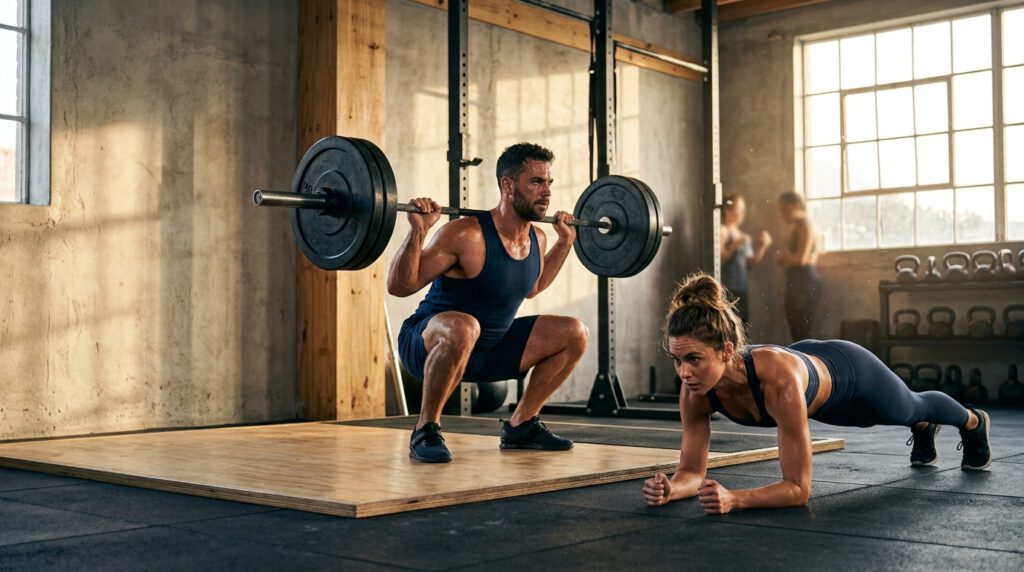
4. Plank
The ultimate full-core exercise.
- Keep a straight line from head to heels
- Don’t let your hips drop
- Hold for 10–30 seconds
5. Warrior Crunch
Combines lower body and core strength.
- Squat slightly and bend side to side
- Engage core and glutes
6. Bird Dog (Advanced Variation)
Add elbow-to-knee movement for extra challenge.
Advanced Level
7. Mountain Climbers
Dynamic core and cardio in one move.
- Alternate knees toward chest
- Maintain plank position
8. Side Plank with Rotation
Targets obliques and shoulders.
- Rotate torso under your body
- Return to starting position
9. Turkish Get-Up
A full-body functional movement.
- Improves mobility, stability, and strength
- Strengthens core and shoulders simultaneously
How to Properly Engage Your Core
Many people think they’re using their core—but they’re not.
Here’s a simple trick:
- Inhale deeply
- Pull your belly button toward your spine
- Hold that tension while breathing normally
That’s true core engagement.
The Problem with a Weak Core
A weak core can lead to:
- Poor posture
- Back pain
- Increased risk of injury
- Reduced athletic performance
Your body compensates by overusing other muscles, especially your lower back—leading to strain and imbalance.
Can You Get Six-Pack Abs Without Sit-ups?
Yes—but not from exercise alone.
To achieve visible abs, you need:
- Consistent core training
- Proper nutrition
- Low body fat percentage
There’s no such thing as spot reduction—you can’t burn fat from just one area.
Pro Tips for Faster Core Strength Gains
- Focus on consistency, not intensity
- Train your core 3–4 times per week
- Prioritize form over reps
- Combine workouts with a clean diet
- Avoid excessive sugar and alcohol
Conclusion
Building a strong core isn’t about doing hundreds of sit-ups—it’s about training smarter, not harder.
Exercises like planks, bird dogs, and functional movements provide better results while protecting your spine. By focusing on full-core engagement and proper technique, you’ll build strength, improve posture, and reduce injury risk.
A strong core isn’t just about aesthetics—it’s the foundation of a healthy, functional body.
Related Posts

Stay Informed With the Latest & Most Important News
Previous Post
Next Post










Advertisement