














Now Reading: Working Out on an Empty Stomach: Good or Bad Idea? (Science-Backed
-
01
Working Out on an Empty Stomach: Good or Bad Idea? (Science-Backed


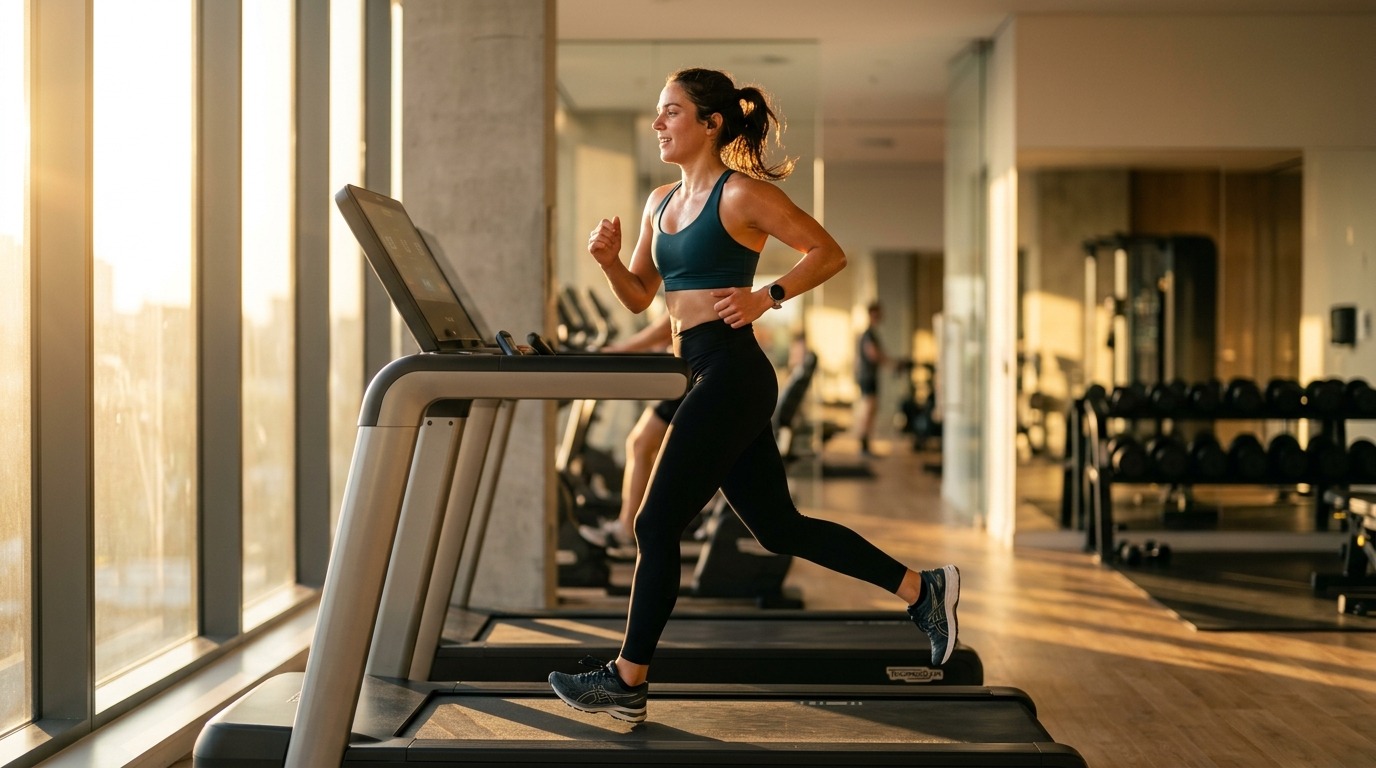
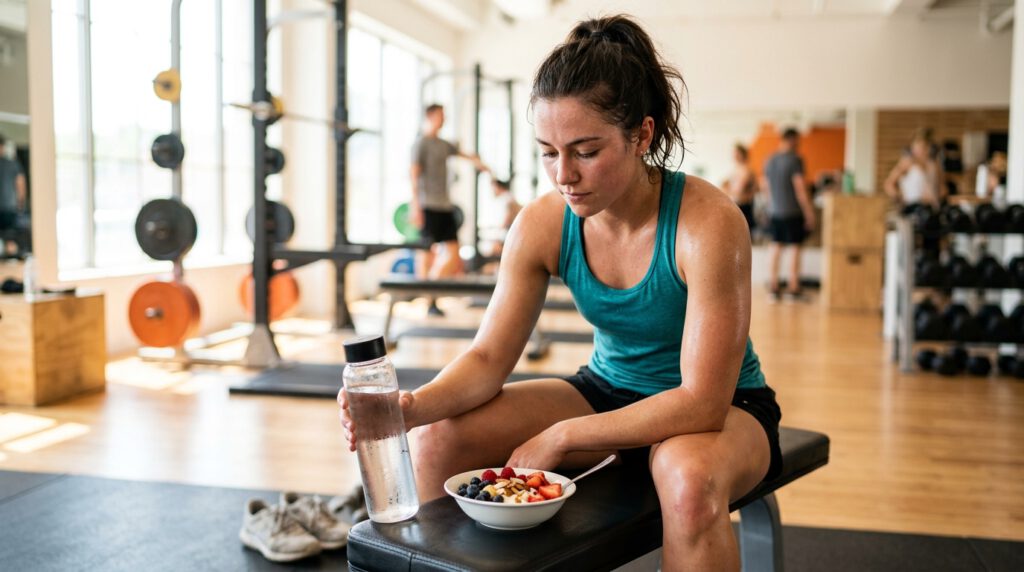
If you’ve ever rolled out of bed and headed straight to the gym without breakfast, you’ve probably wondered: is working out on an empty stomach actually good for you, or is it sabotaging your results?
The honest answer is that it depends — on what kind of workout you’re doing, how long it lasts, and what you’re trying to achieve. Here’s what the science actually says.
Table of contents
- What Does “Fasted Exercise” Mean?
- The Case For Working Out Fasted
- The Case Against Working Out Fasted
- Does Fasted Training Actually Burn More Fat Overall? Here’s the Catch
- What About Endurance Performance?
- Are There Sex Differences?
- Who Should Avoid Exercising on an Empty Stomach
- So, Good Idea or Bad Idea? It Depends on the Workout
- How to Do It Safely If You Choose Fasted Training
- FAQ
What Does “Fasted Exercise” Mean?
Fasted exercise simply means training after a period without food — most commonly first thing in the morning, 8-12 hours after your last meal.
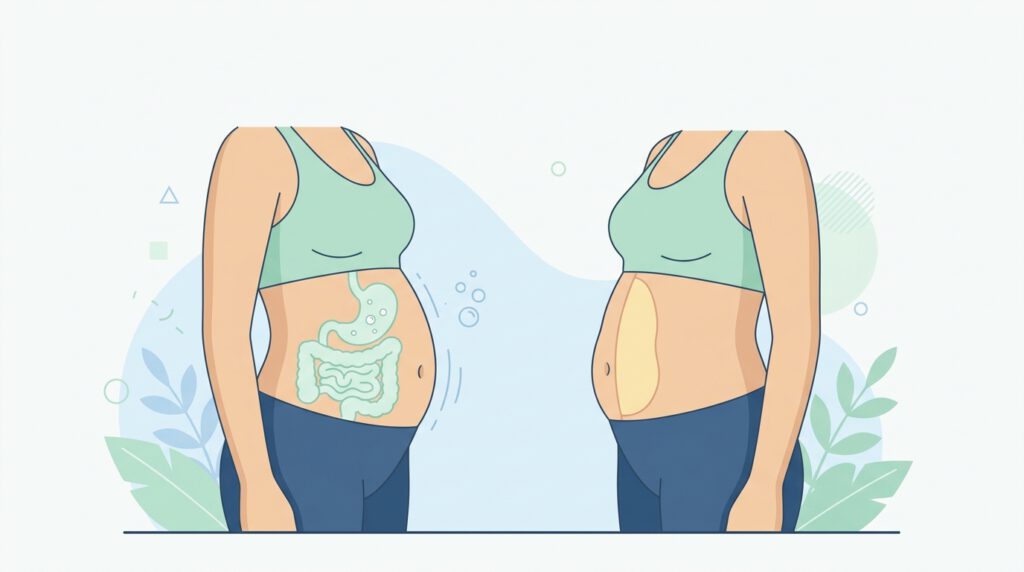
At this point, your liver’s glycogen (stored carbohydrate) is running low, so your body leans more heavily on stored fat for fuel. That single fact is the foundation of almost every claim made about fasted training, both good and bad.
The Case For Working Out Fasted
It increases fat oxidation during the session. When you train without eating first, your body pulls more energy from fat stores rather than carbs. One study found fasted cycling increased fat oxidation by about 73% compared to the same session done fed.
It may support metabolic health. Pairing fasted training with an intermittent fasting eating pattern has been linked to modest improvements in LDL cholesterol, blood pressure, insulin sensitivity, and cardiorespiratory fitness.
It can help with appetite and calorie control. In one study, men who did their cardio fasted ended up eating around 400 fewer calories over the rest of the day than those who ate breakfast first — which, repeated daily, adds up to a meaningful weekly calorie deficit.
It’s practical. For a lot of people, training first thing before the day gets busy is simply the version of exercise they’ll actually stick to — and consistency beats any metabolic edge.
The Case Against Working Out Fasted
It can tank performance in demanding sessions. With low glycogen, your muscles have less immediate fuel, which shows up as reduced power, speed, and endurance in anything hard or long.
It may modestly impair strength output. A controlled trial on resistance training found strength gains on some lifts were slightly worse in the fasted group, even though total protein and calorie intake were matched — though effects varied by exercise, and fat-free mass gains were often similar between groups.
Muscle breakdown does increase — but it’s not the full story. After lifting weights, muscle protein breakdown rises, but muscle protein synthesis rises even more, even when you train fasted. In other words, a fasted lifting session doesn’t automatically shrink your muscles — what matters more is whether you eat enough protein afterward to tip the balance back toward growth.
It can raise hypoglycemia risk in certain people — more on that below.
Does Fasted Training Actually Burn More Fat Overall? Here’s the Catch
This is the most misunderstood part of the whole topic. Yes, you burn a higher percentage of fat during a fasted session. But “burning more fat during the workout” is not the same as “losing more body fat over weeks and months.”
A systematic review and meta-analysis by Hackett and Hagstrom (2020) found no significant difference in fat-loss outcomes between fasted and fed training.
A four-week controlled study by Schoenfeld and Aragon found no significant differences in body mass, BMI, or body fat percentage between a fasted and a fed group doing identical cardio, when calories were matched. Similarly, women doing an hour of steady-state cardio three days a week in a calorie deficit lost the same amount of weight and body fat whether they trained fed or fasted.
The takeaway researchers keep landing on: total daily calorie balance drives fat loss, not the timing of your first meal.
What About Endurance Performance?
If you’re training for distance or speed, fasted sessions tend to come out worse.
Endurance athletes who ate a carbohydrate-rich breakfast produced about 3% more average power and posted faster time-trial results than those who trained without eating first — even though the fasted group made up the calories later at lunch.
Are There Sex Differences?
Most of the classic fasted-cardio research was done on men, but that matters more than you’d think. Men and women burn and store fat differently — women tend to burn more fat during exercise itself, while men burn more fat in the hours after — and their skeletal muscle adapts differently to endurance training.
So findings from male-only studies don’t automatically transfer to women, and personal experimentation matters.
Who Should Avoid Exercising on an Empty Stomach
Fasted training isn’t risk-free for everyone. Caution — or a doctor’s clearance — is especially important if you:
- Have type 1 diabetes or take insulin/other glucose-lowering medication. Hard exercise while fasted can push blood sugar down further, raising the risk of hypoglycemia, so high-intensity cardio, heavy weightlifting, and long sessions are best avoided while fasting. (Interestingly, some research suggests fasted exercise can actually help certain type 1 patients avoid the blood-sugar spikes and excess insulin that trigger hypoglycemia later — which is exactly why this group needs individualized medical guidance rather than a blanket rule.)
- Are pregnant, or have a history of disordered eating.
- Regularly feel dizzy, shaky, or nauseated during morning workouts.
- Are training for maximal strength or muscle gain and can’t otherwise hit your protein/calorie targets.
If any of this applies to you, talk to a doctor or dietitian before making fasted training a habit.
So, Good Idea or Bad Idea? It Depends on the Workout
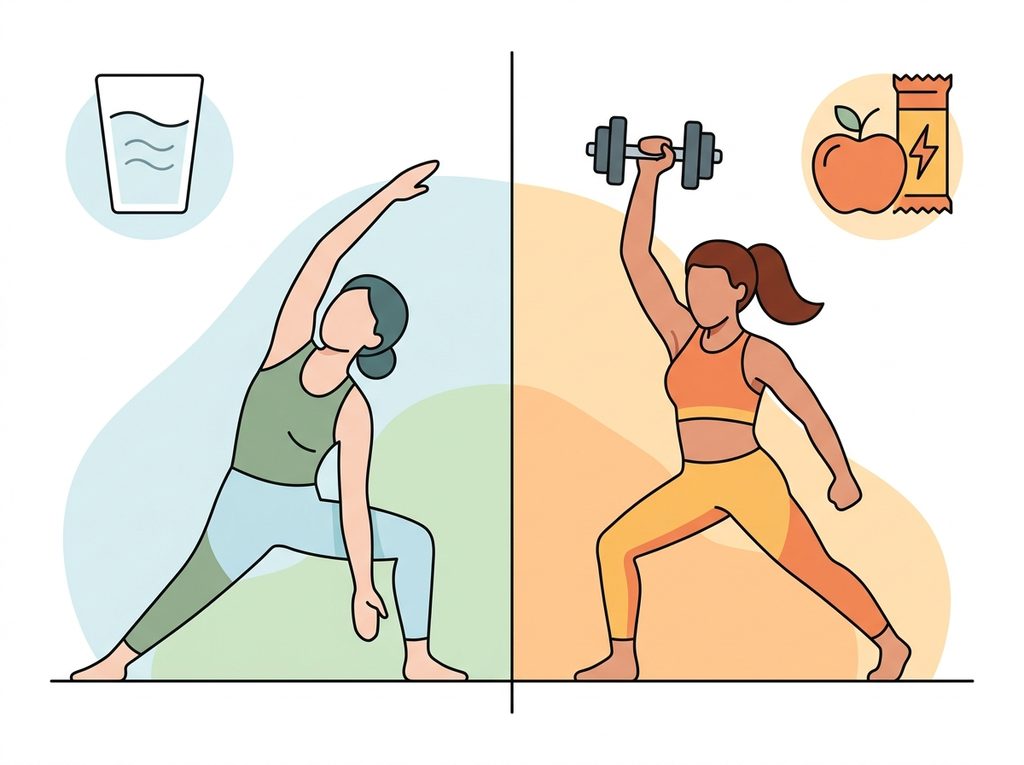
| Workout Type | Fasted OK? | Why |
|---|---|---|
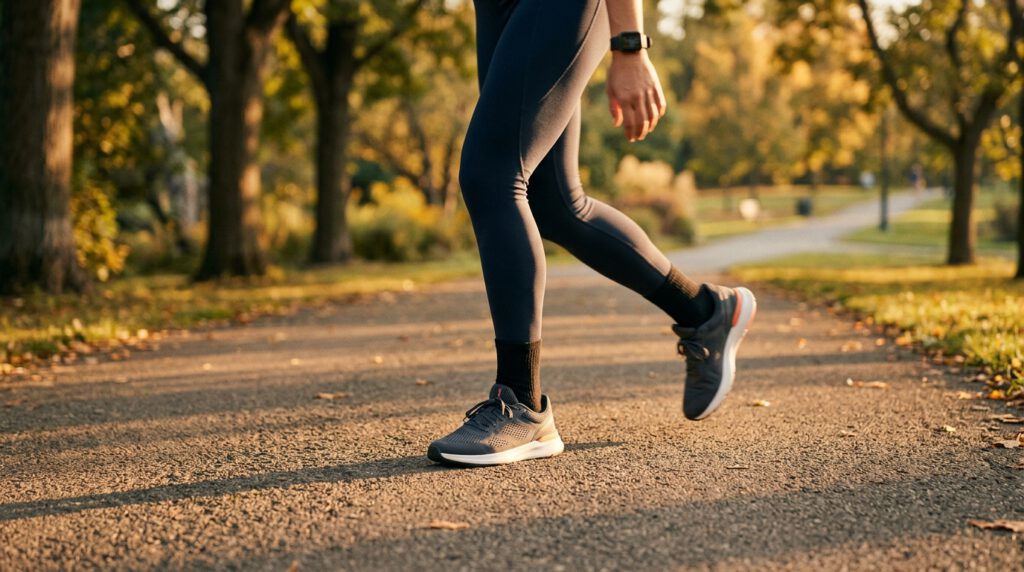
| Brisk walk, light cycling, yoga, stretching (under 45–60 min) | ✅ Fine | Low intensity relies on fat stores; most people tolerate it well |
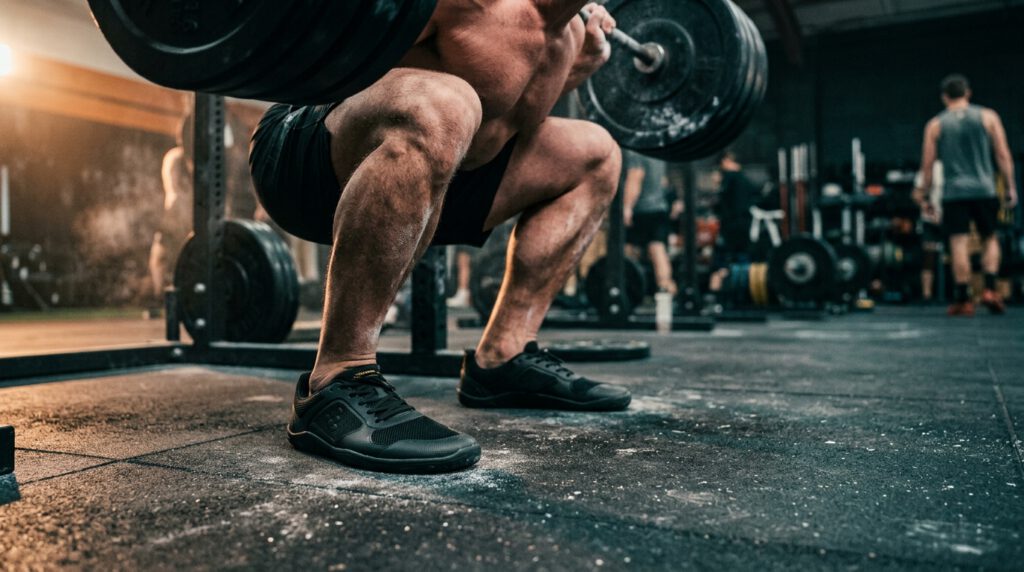
| Heavy lifting / bodybuilding | ⚠️ Better fed | Strength output and recovery quality may suffer slightly |
| HIIT / sprints | ⚠️ Better fed | High glycogen demand; fasted sessions fatigue faster |
| Long-distance running/cycling (60+ min) | ❌ Eat first | Performance drops measurably without carbs on board |
| Prone to nausea in the morning | 🟡 Micro-fuel | A few sips of juice or a small date can help without a full meal |
How to Do It Safely If You Choose Fasted Training
- Keep it short and light. Aim for 30–45 minutes at a moderate pace if you’re training fasted.
- Hydrate well. Fasting increases fluid turnover, so drink water before and during your session.
- Ease into it. Don’t jump from always training fed to daily fasted HIIT — adapt gradually.
- Don’t skip the post-workout meal. A meal with both protein and carbs within about 45 minutes helps refill glycogen and supports muscle repair — arguably more important than whether you ate beforehand.
- Listen to your body. Dizziness, excessive fatigue, or nausea are signals to stop and eat, not to push through.
- Cap it at 2–3 fasted sessions in a row, then let your body reset with a normally-fueled workout.
FAQ
Does fasted cardio burn more fat than fed cardio?
It burns a higher percentage of fat during the session, but long-term fat loss comes out roughly equal to fed cardio when total calories and protein are matched.
Will I lose muscle if I lift weights fasted?
Not necessarily. Muscle protein breakdown rises slightly during a fasted lifting session, but eating enough protein afterward typically restores the balance in favor of growth.
Is it safe to do HIIT on an empty stomach?
For most healthy people, occasional fasted HIIT is fine, but performance usually suffers, and it’s not recommended for people with diabetes or blood sugar issues.
Should I eat before a workout if I’m trying to lose weight?
Eating or not eating beforehand matters far less than your total daily calories. Choose whichever lets you train harder and stick with it consistently.
Related Posts
Stay Informed With the Latest & Most Important News
Previous Post
Next Post









Advertisement