

















Now Reading: Ozempic and Weight Training: How to Avoid Losing Muscle on GLP-1 Drugs
-
01
Ozempic and Weight Training: How to Avoid Losing Muscle on GLP-1 Drugs


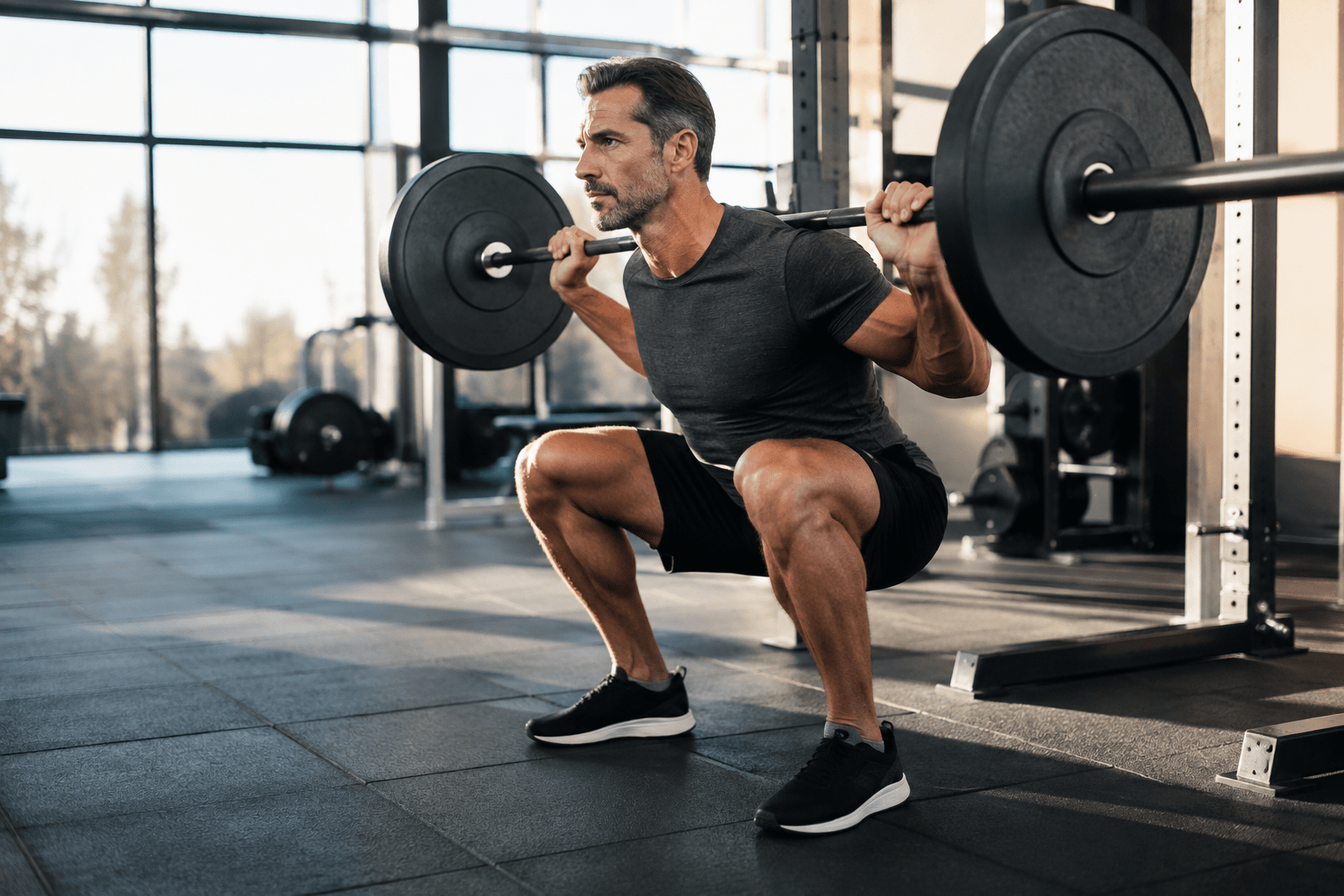
If you’ve started Ozempic, Wegovy, Mounjaro, or another GLP-1 medication, the number on the scale is probably dropping faster than it ever has with diet alone. That’s the appeal of these drugs — and also the catch.
Weight loss this fast doesn’t come from fat alone. A meaningful share of it comes from muscle, and if you’re not lifting weights and eating enough protein, you could end the process lighter but weaker, with a slower metabolism than when you started.
This guide breaks down why GLP-1 drugs affect muscle mass, how much muscle loss is normal versus concerning, and exactly how to structure your training and nutrition to keep the weight you lose coming from fat, not muscle.
Table of contents
- How Ozempic Works — and Why That Affects Your Muscles
- How Much Muscle Do You Actually Lose on Ozempic?
- Signs You Might Be Losing Too Much Muscle
- Strength Training on Ozempic: The Core Strategy
- Nutrition: Protein Is Non-Negotiable
- Does Creatine Help?
- Hydration Matters More Than You’d Think
- Tracking Progress the Right Way
- The Bottom Line
- Frequently Asked Questions
How Ozempic Works — and Why That Affects Your Muscles
Ozempic is the brand name for semaglutide, a GLP-1 receptor agonist originally developed to treat type 2 diabetes. It mimics a natural gut hormone called GLP-1, which stimulates insulin release, slows down digestion, and signals fullness to the brain. The result is that people simply eat less — often significantly less — which is why semaglutide and related drugs like tirzepatide (Mounjaro, Zepbound) produce weight loss that’s hard to match through diet changes alone.
But your body doesn’t know the difference between “eating less because you’re dieting” and “eating less because a medication suppressed your appetite.” When you’re in a calorie deficit, your body pulls energy from stored fat and from muscle tissue. The faster the deficit happens, the more the body leans on breaking down muscle for fuel — because there’s less time for behaviors like resistance training and adequate protein intake to counteract it.
How Much Muscle Do You Actually Lose on Ozempic?
In a typical, gradual weight-loss scenario, roughly 75–80% of the weight lost is fat and about 20–25% is lean tissue — muscle, bone, organs, and fluid. That ratio is considered normal and expected.
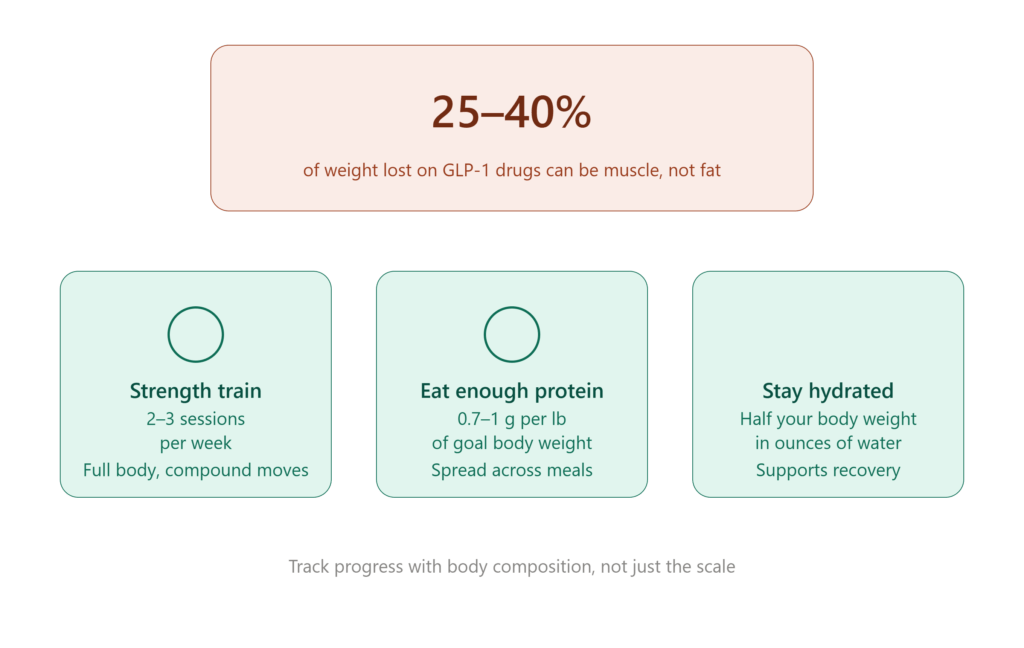
On GLP-1 medications, several studies have raised concern that this ratio can shift. Early body-composition data from semaglutide trials suggested lean mass could account for closer to 25–40% of total weight lost, higher than the traditional benchmark. A body-composition sub-analysis of tirzepatide (Mounjaro) found a similar pattern, with lean mass making up roughly a third of total weight loss.
It’s worth noting some nuance here: not all of that “lean mass” is contractile muscle. DEXA scans, the imaging method used in most of these studies, lump muscle in with water, glycogen, and even intramuscular fat under the umbrella of “lean mass.” Some researchers argue the muscle-specific loss is smaller than the headline numbers suggest. Either way, the consensus among endocrinologists and physical therapists is the same: rapid weight loss of any kind puts muscle at risk, and doing nothing about it is the wrong move.
Why This Matters Beyond Aesthetics
Muscle isn’t just about how your arms look. It plays a direct role in:
- Daily function — the strength to carry groceries, climb stairs, and get up from a chair without strain.
- Metabolic rate — muscle is metabolically active tissue that burns calories at rest; losing it can slow your metabolism and make it harder to keep weight off long term.
- Blood sugar control — muscle absorbs a large share of glucose after meals, so more muscle means better insulin sensitivity.
- Bone health — strong muscles support bone density and reduce fracture risk, which matters most for postmenopausal women and older adults.
- Fall and injury risk — muscle strength underlies balance and stability.
Losing fat while also losing significant muscle can produce a look sometimes called “Ozempic body” or “skinny fat” — a lower body weight with a higher relative body-fat percentage and reduced strength, sometimes called sarcopenic obesity. It’s also one of the biggest reasons people regain weight after stopping GLP-1 medications: less muscle means a lower resting metabolic rate, so the body needs fewer calories to maintain the same weight — and any return to old eating habits shows up as fat gain.
Signs You Might Be Losing Too Much Muscle
Because the scale only measures total weight, it can’t tell you whether you’re losing fat or muscle. Watch for:
- The scale keeps dropping, but your waist or body measurements aren’t changing much
- Everyday tasks — stairs, carrying bags, standing up from the floor — feel harder than they should
- Noticeable fatigue during normal activity
- Strength or endurance in workouts is declining, not holding steady or improving
- Visible loss of muscle tone alongside fat loss
If you can, tracking body composition with a bioelectrical impedance scale (BIA), a DEXA scan, or even consistent tape-measure tracking gives a far clearer picture than the bathroom scale alone.
Strength Training on Ozempic: The Core Strategy
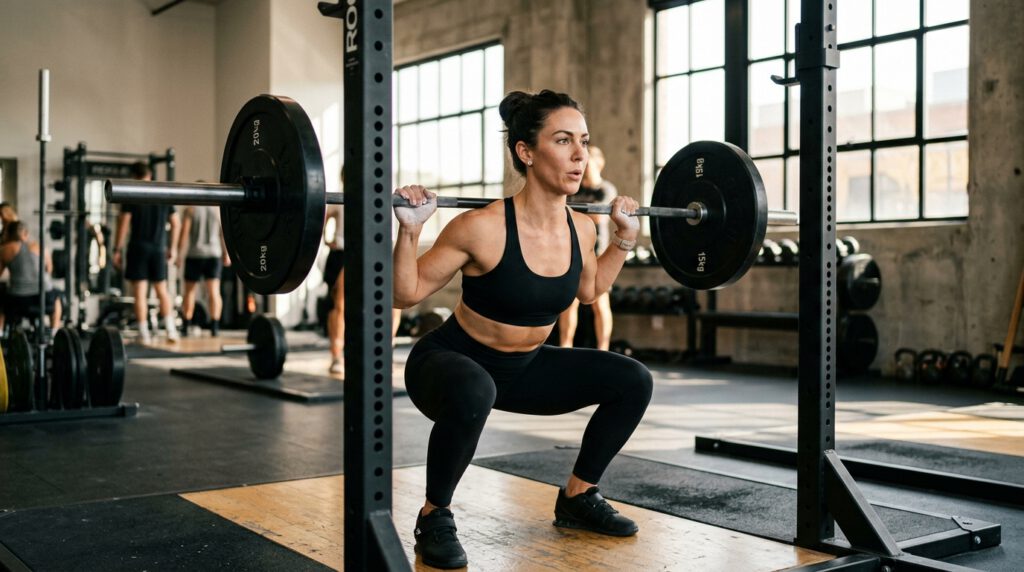
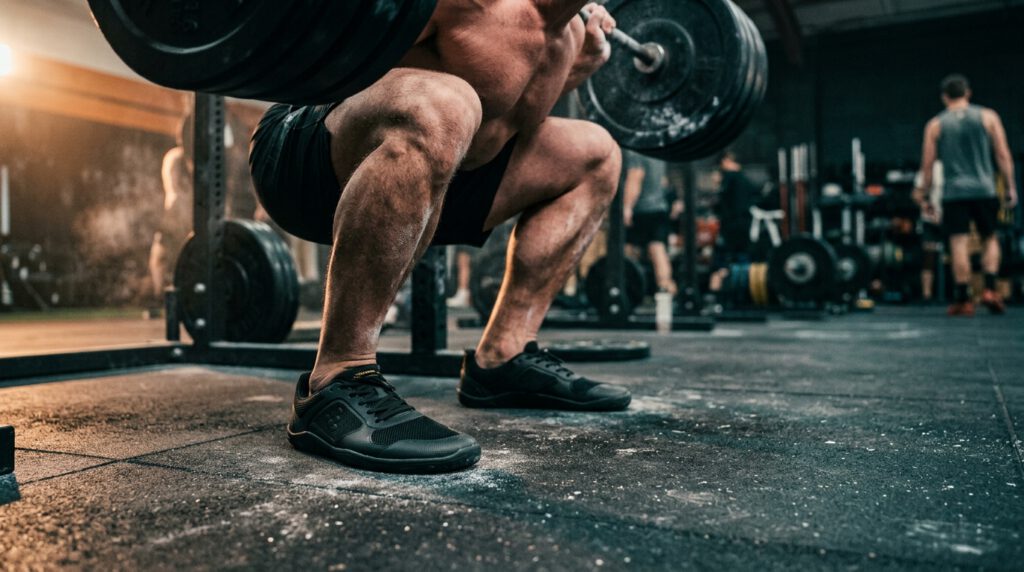
Resistance training is the single most effective tool for telling your body to keep the muscle it has. When a muscle is regularly loaded against resistance, the body receives a strong biological signal to preserve and repair that tissue — even while you’re in a calorie deficit.
How Often Should You Lift?
Most physical therapists and sports medicine physicians recommend 2 to 3 full-body resistance sessions per week, with some guidance extending to 3 sessions of strength work plus additional light cardio on other days. Two sessions is enough to see a meaningful protective effect if you’re just starting out; three becomes more valuable as your body adapts.
Building a Beginner-Friendly Routine
You don’t need a gym membership or heavy equipment to start. What matters is consistent, progressive resistance on the major muscle groups:
- Start with compound movements. Squats, lunges, push-ups, rows, hip bridges, and deadlifts work multiple muscle groups at once and teach coordinated movement patterns — more efficient than isolation exercises when time and energy are limited.
- Use what you have. Bodyweight exercises, resistance bands, or light dumbbells are all valid starting points. The goal is progressive overload, not necessarily heavy weight from day one.
- Aim for 8–15 reps per set, working close to muscle fatigue by the last couple of reps. Once a weight or resistance level feels easy for 12–15 clean reps, it’s time to increase it slightly.
- Keep sessions short if needed. 20–30 minutes of focused resistance work, two to three times a week, is enough to make a real difference — especially if GLP-1 side effects like nausea or fatigue limit your energy some days.
- Space sessions on non-consecutive days (for example, Monday/Wednesday/Friday) to give muscles time to recover and rebuild.
- Progress gradually. If a session feels too hard, scale back rather than pushing through. Consistency over months matters more than intensity in any single week.
Timing Around Side Effects
GI side effects like nausea, reflux, or low appetite are common with GLP-1 medications, especially in the days right after a dose increase. If mornings or certain days are consistently rough, shift training to whichever part of the day you tend to feel best — even a short walk plus a few resistance exercises counts as progress on a low-energy day. Dropping to two sessions during a tough week and building back up is normal and far better than stopping altogether.
Special Considerations for Older Adults and Postmenopausal Women
People over 65, postmenopausal women, and anyone with a chronic condition like arthritis, diabetes, or heart disease are already at higher baseline risk for sarcopenia (age-related muscle loss), which compounds with GLP-1-related muscle loss. For this group, starting with lower intensity, progressing more gradually, and working with a physical therapist or trainer to build safe movement patterns is especially worthwhile — the payoff in preserved independence and bone health is significant.
Nutrition: Protein Is Non-Negotiable
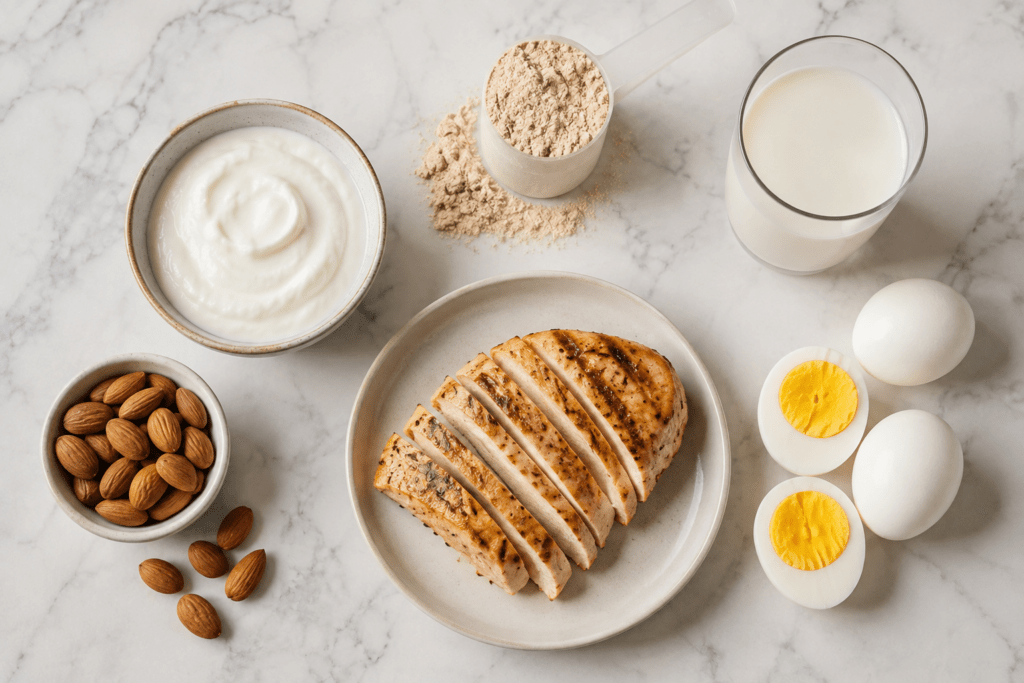
Resistance training gives your body a reason to keep muscle; protein gives it the raw material to do so. Because GLP-1 drugs suppress appetite, hitting your protein target takes more intention than it used to.
How much protein do you need? Guidance varies slightly by source, but most recommendations for people on GLP-1 medications land between roughly 0.7–1 gram of protein per pound of goal body weight per day, or about 1–1.5 grams per kilogram of body weight. For someone with a goal weight of 150 lbs (about 68 kg), that’s roughly 105–150 grams of protein daily — noticeably higher than typical general-population recommendations, because the calorie deficit itself increases the amount of protein needed to preserve muscle.
Practical strategies for hitting your target on a suppressed appetite:
- Spread protein across meals. The body can only use so much protein for muscle repair at once — aim for roughly 25–40 grams per meal rather than saving it all for dinner.
- Prioritize protein first on your plate. Since GLP-1s make you feel full faster, eating protein-dense foods before carbs or fats helps ensure it doesn’t get crowded out.
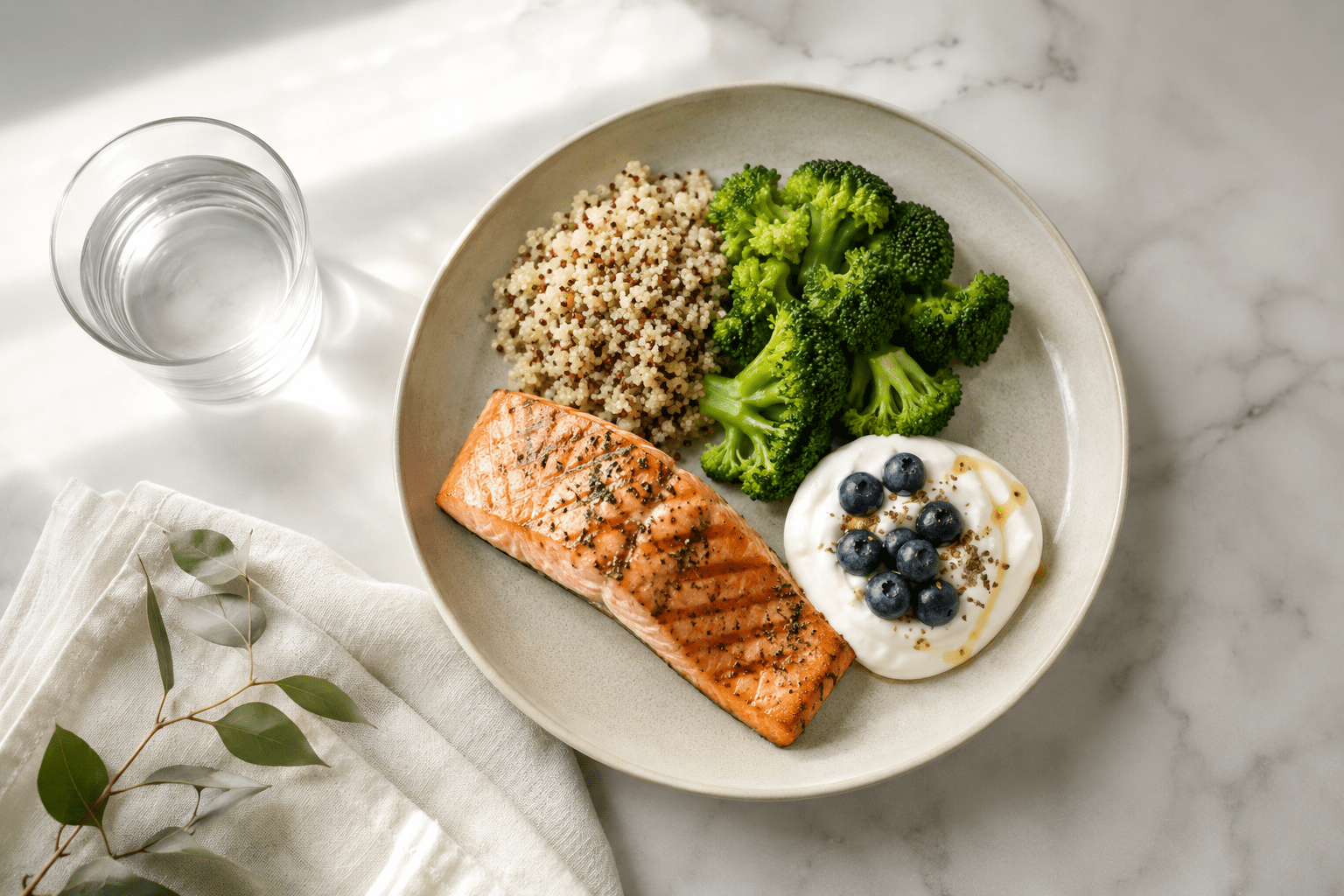
- Lean on easy, high-protein foods when solid meals feel unappealing: Greek yogurt, cottage cheese, eggs, protein shakes, and lean meats or fish.
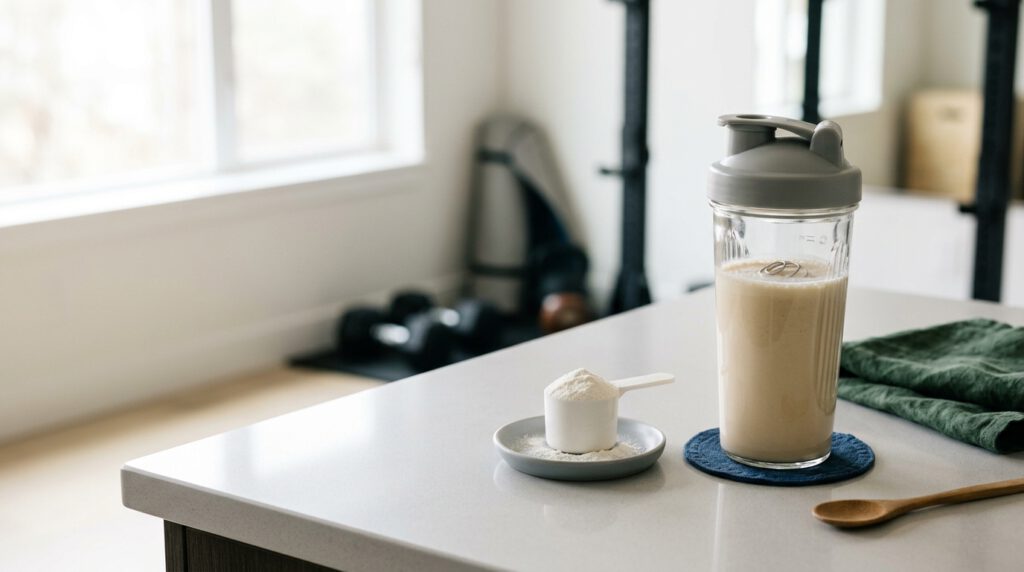
- Keep shakes simple. A protein shake with 30–40 grams of protein and minimal added sugar is one of the easiest ways to hit your number on a low-appetite day.
- Avoid extreme calorie restriction. Combining a GLP-1 medication with an aggressive diet on top of it accelerates muscle loss rather than protecting against it. Let the medication do its job; don’t stack a crash diet on top.
Does Creatine Help?
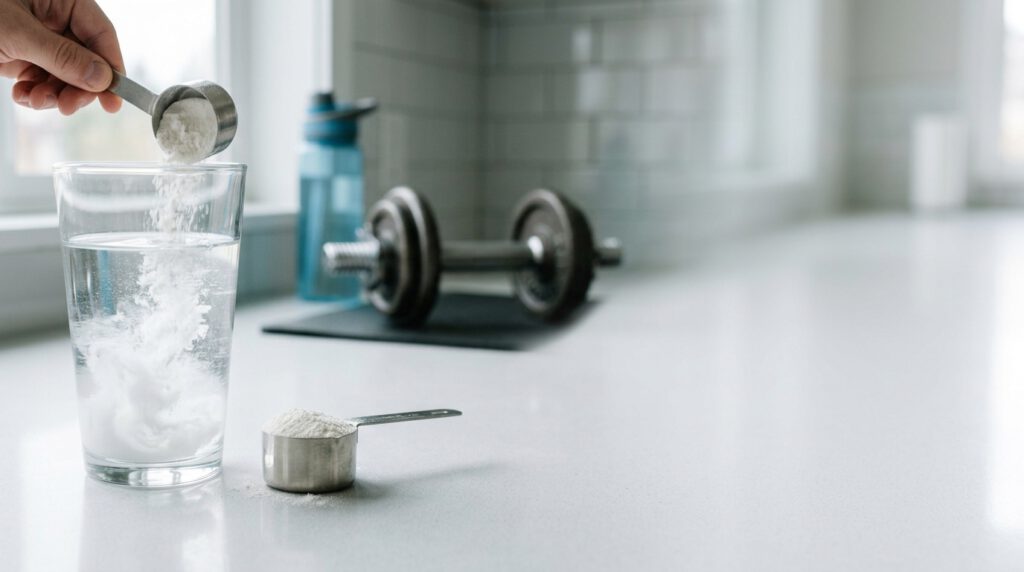
Creatine monohydrate has become one of the most talked-about supplements in the GLP-1 conversation, and there’s a reasonable case for it: creatine supports ATP regeneration in muscle cells, may modestly increase strength and lean mass when paired with resistance training, and is one of the most well-studied supplements in sports nutrition, with a strong safety record at typical doses (3–5 grams daily).
That said, it’s worth keeping expectations realistic. Creatine isn’t a muscle-preservation drug in its own right — it works as a small multiplier on the results of resistance training, not a replacement for it.
If you’re not lifting, creatine alone is unlikely to meaningfully change your muscle outcome on a GLP-1 medication. If you are lifting and eating enough protein, it’s a reasonable, low-risk addition — but check with your doctor first, particularly if you have any kidney concerns.
Hydration Matters More Than You’d Think
Muscle tissue holds a significant amount of water, so losing muscle can also affect hydration status — and dehydration, in turn, makes fatigue and cramping worse and can hinder recovery. A simple target: aim to drink roughly half your body weight in ounces of water per day (a 150-lb person would aim for about 75 ounces).
Tracking Progress the Right Way
Since the scale can’t distinguish fat from muscle, track more than just body weight:
- Body composition testing — a DEXA scan or BIA (bioelectrical impedance) device gives a clearer breakdown of fat versus lean mass than weight alone.
- Waist and other body measurements — if the scale is dropping but your waistline isn’t changing, you may be losing more muscle than fat.
- Strength benchmarks — log the weights, reps, or resistance level you’re using each session. If your numbers are holding steady or improving while you lose weight, that’s a strong sign you’re preserving muscle.
- Functional markers — are stairs, carrying groceries, or getting up from the floor getting easier or harder over time?
The Bottom Line
GLP-1 medications like Ozempic are powerful tools for weight loss, but they don’t distinguish between fat and muscle on their own — that part is up to you. The strategy that protects your muscle while you lose weight isn’t complicated, it just has to be consistent:
- Strength train 2–3 times per week, focused on compound movements and progressive overload
- Eat roughly 0.7–1 gram of protein per pound of goal body weight daily, spread across meals
- Consider creatine (3–5g/day) as a supporting tool, not a substitute for training
- Stay hydrated and avoid stacking an aggressive diet on top of the medication
- Track body composition and strength, not just the number on the scale
Do this consistently, and the weight you lose on Ozempic is far more likely to come from fat — leaving you lighter, stronger, and with a metabolism that’s built to keep the results.
Frequently Asked Questions
Does everyone lose muscle on Ozempic?
Some degree of muscle loss is normal with any weight loss, medication-assisted or not. The amount varies by individual and depends heavily on diet, activity level, age, and whether resistance training is part of the routine.
How soon should I start strength training after beginning Ozempic?
As early as possible — ideally from the start of treatment rather than waiting until you’ve reached your goal weight. Muscle lost early in the process is harder to rebuild later.
Can cardio alone protect my muscle on a GLP-1?
Not as effectively as resistance training. Cardio supports heart health and calorie burn, but strength training is what specifically signals the body to preserve and build muscle tissue.
What if I have joint pain or can’t lift heavy weights?
Resistance training doesn’t require heavy weights to be effective. Bodyweight movements, resistance bands, and machine-based exercises can all build strength safely — a physical therapist can help design a joint-friendly plan.
Is muscle loss reversible after stopping Ozempic?
Muscle can be rebuilt with continued resistance training and adequate protein, but it takes time and consistent effort — which is another reason to protect as much of it as possible while losing weight in the first place.
This article is for educational purposes and is not a substitute for personalized medical advice. Talk to your doctor before starting a new exercise or supplement routine, especially while taking a GLP-1 medication.
Stay Informed With the Latest & Most Important News
Previous Post
Next Post






Advertisement