















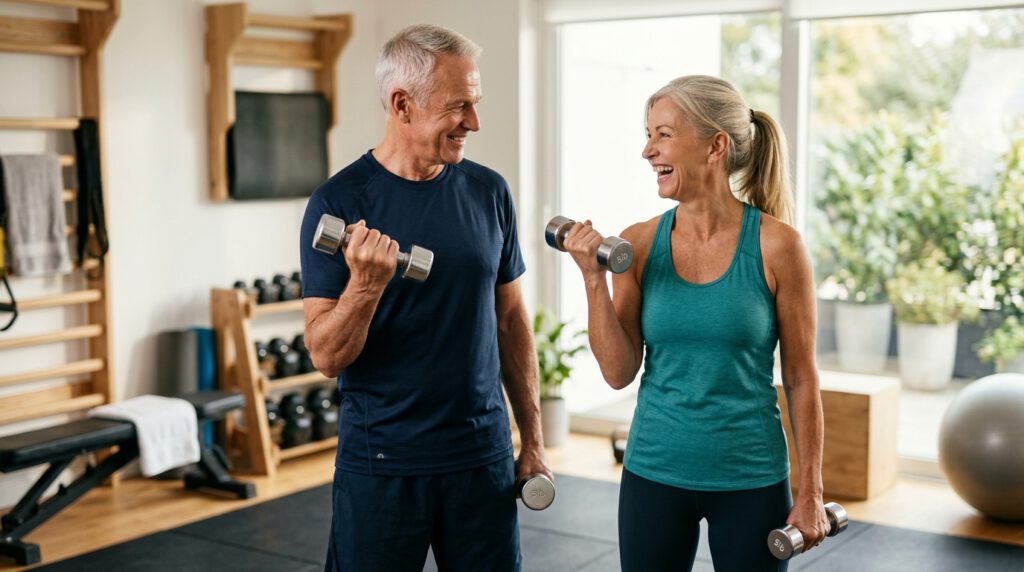




Now Reading: Best Supplements for Muscle Loss After Age 50 (Sarcopenia Guide + Product Picks)
-
01
Best Supplements for Muscle Loss After Age 50 (Sarcopenia Guide + Product Picks)


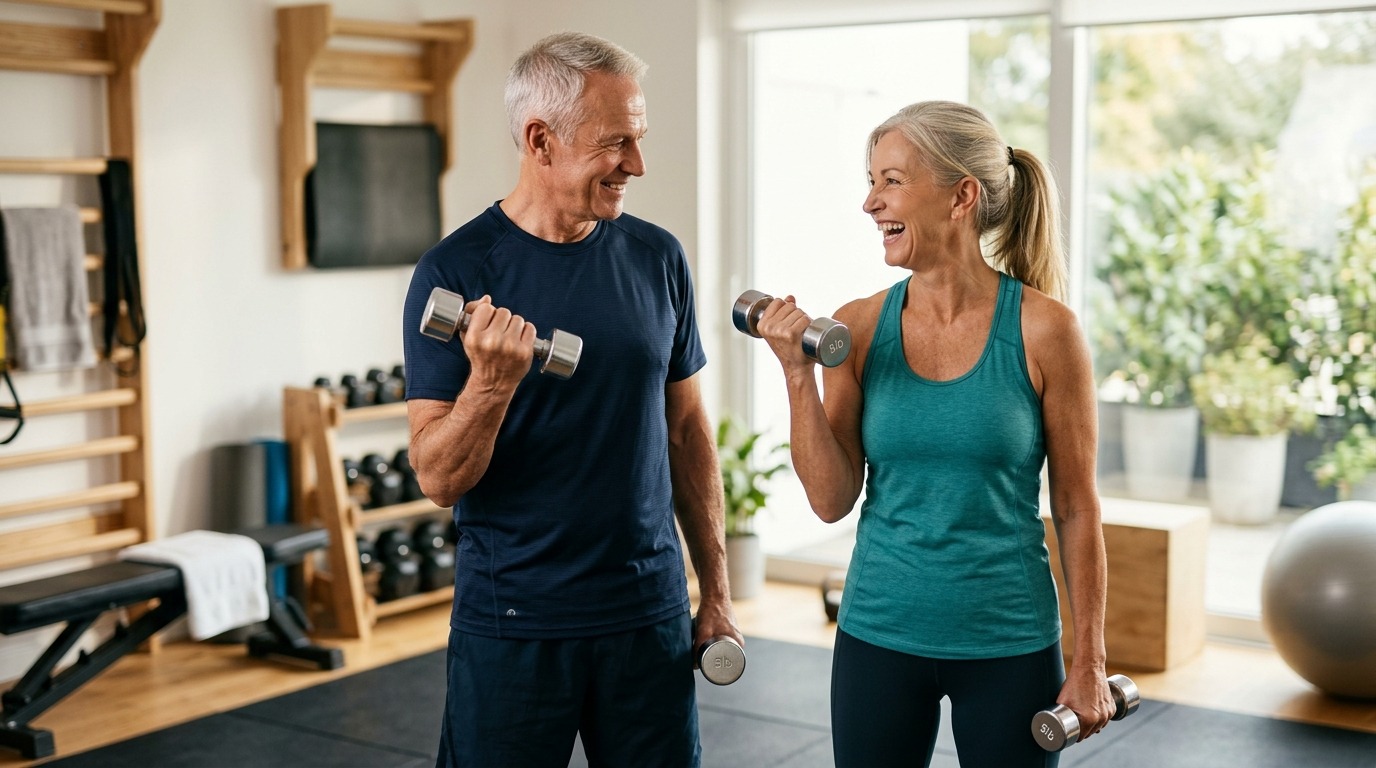
Somewhere around your late 40s or early 50s, you might notice it: jars are harder to open, stairs feel steeper, and the muscle tone you used to take for granted has quietly started to fade. This isn’t in your head.
It’s a well-documented condition called sarcopenia — the progressive, age-related loss of muscle mass, strength, and function — and it affects the vast majority of adults to some degree as they age, with the rate of loss accelerating sharply after age 60.
The good news is that sarcopenia isn’t something you simply have to accept. Combined with resistance training, the right supplements can meaningfully slow — and in some cases help reverse — age-related muscle loss.
This guide breaks down exactly which supplements have real scientific backing, how they work, how much to take, and what to watch out for, along with links to some of the top-rated products on Amazon.
Medical disclaimer: This article is for educational purposes only and is not a substitute for professional medical advice. Always talk to your doctor before starting any new supplement, especially if you take prescription medication or have an existing health condition.
Table of contents
- What Is Sarcopenia, and Why Does Muscle Loss Speed Up After 50?
- The Foundation: Resistance Training Comes First
- 1. Whey Protein (and Leucine)
- 2. Creatine Monohydrate
- 3. Vitamin D3
- 4. Omega-3 Fatty Acids (Fish Oil)
- 5. HMB (Beta-Hydroxy Beta-Methylbutyrate)
- 6. Collagen Peptides
- 7. Vitamin B12
- Other Nutrients Worth Knowing About
- Supplements That Are Often Overhyped for Muscle Health
- How to Choose a Safe, High-Quality Supplement
- Frequently Asked Questions
What Is Sarcopenia, and Why Does Muscle Loss Speed Up After 50?
Muscle mass typically peaks in your 30s.
From around age 30–35 onward, adults lose roughly 3–8% of muscle mass per decade even without any intervention, and that rate climbs even further after 60.
Left unaddressed, sarcopenia raises the risk of falls, fractures, frailty, loss of independence, and a range of downstream health problems, because muscle plays a direct role in metabolic health, balance, and bone density.
Several overlapping factors drive this decline:
- Anabolic resistance – Aging muscle becomes less responsive to the protein you eat, meaning older adults need more protein and more leucine (a specific amino acid) to trigger the same amount of muscle protein synthesis that a younger person gets from a smaller amount.
- Nerve loss (denervation) – The nerves that activate muscle fibers can start to fail with age, causing those fibers to shrink. This process alone can account for a significant loss of normal muscle size over a few years if unaddressed.
- Hormonal shifts – Levels of testosterone, growth hormone, and insulin-like growth factor — all involved in building and maintaining muscle — tend to decline with age.
- Sedentary lifestyle – Physical inactivity accelerates every one of the mechanisms above. The less you move, the faster the losses compound.
Because these causes are metabolic, hormonal, and neurological — not just dietary — no single pill “cures” sarcopenia. But nutrition, and specifically certain supplements, can measurably slow it down when paired with strength training.
The Foundation: Resistance Training Comes First
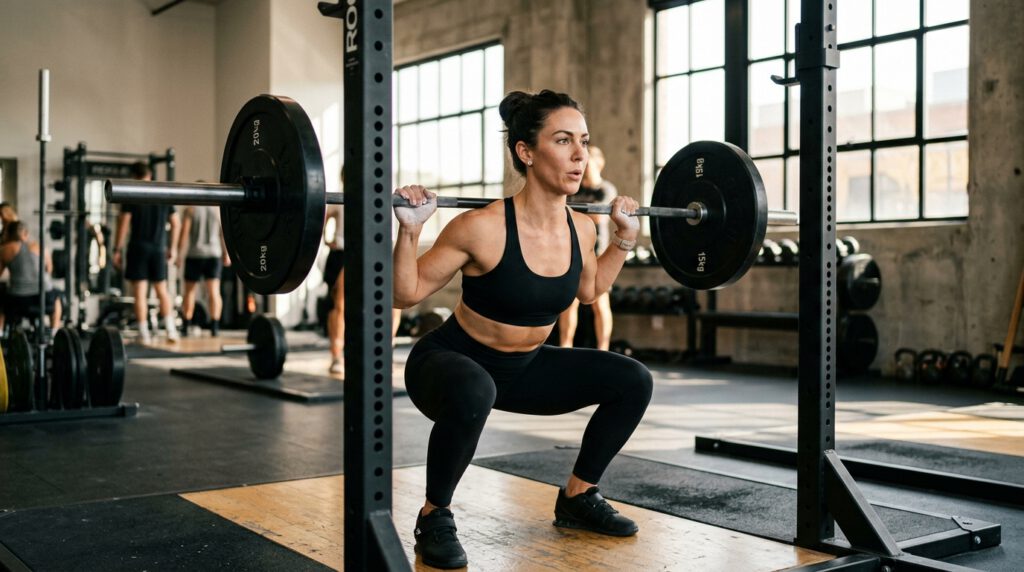
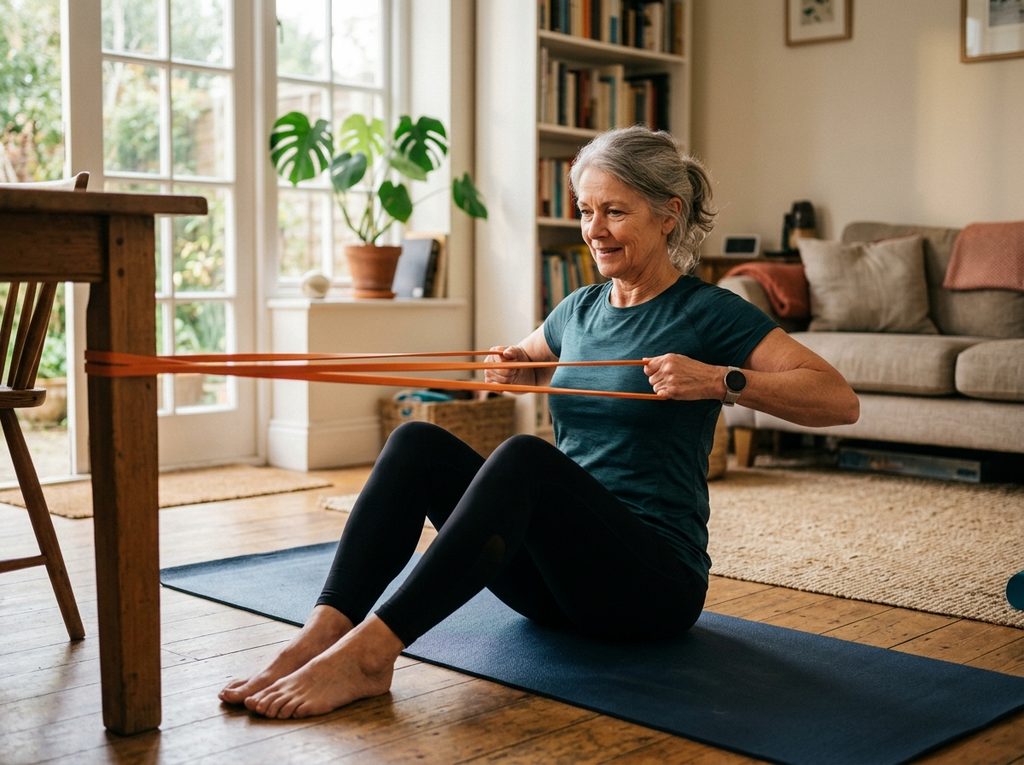
Before diving into supplements, it’s worth being upfront: no supplement on this list works nearly as well without resistance exercise. Research consistently shows that pairing protein or other muscle-supporting nutrients with a structured strength-training program produces far greater improvements in muscle mass and strength than either strategy alone.
Aim for at least two sessions a week using weights, resistance bands, or bodyweight exercises, and layer in balance work like tai chi, which has been shown to lower fall risk in older adults.
With that foundation in place, here are the supplements with the strongest evidence behind them.
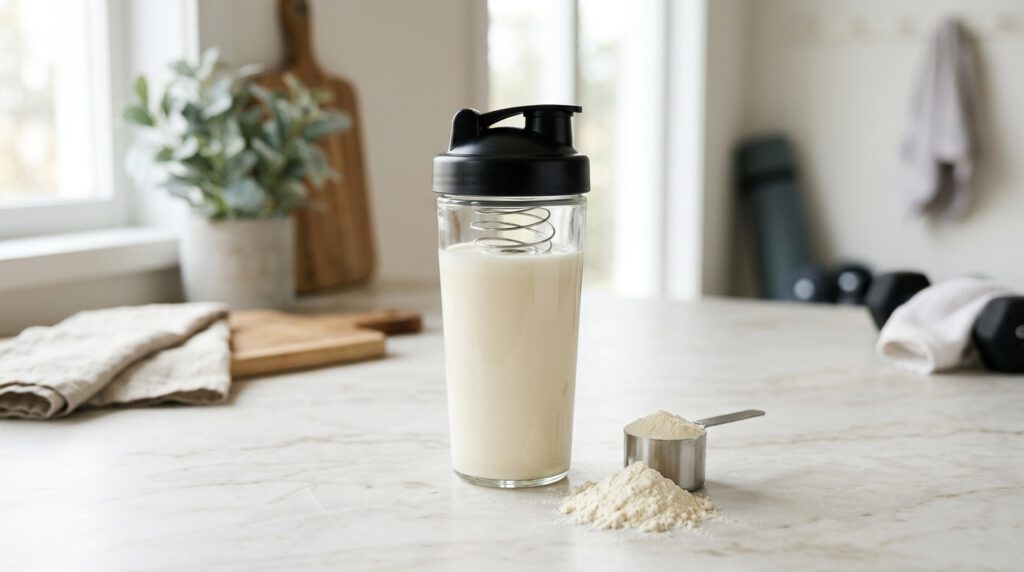
1. Whey Protein (and Leucine)
Protein is the raw material your muscles use to repair and rebuild themselves, and most older adults simply aren’t getting enough of it.
Studies estimate that nearly half of U.S. adults over 51 fall short of their daily protein recommendation, which makes it harder to build or even maintain muscle mass.
Because of anabolic resistance, experts recommend older adults aim higher than the standard RDA of about 0.36 grams of protein per pound of body weight — often closer to 0.5–0.7 grams per pound, spread evenly across meals rather than loaded into one sitting.
Research suggests whey protein is particularly effective for older adults compared with casein or most plant-based proteins, largely because of its high concentration of leucine, the amino acid most responsible for triggering muscle protein synthesis. A practical target is roughly 2.5–3 grams of leucine per meal, which usually means 25–30 grams of a high-quality protein source.
Practical tips:
- Whey protein isolate digests quickly and is lower in lactose than whey concentrate, which can help if dairy causes digestive discomfort.
- If you’re vegan or lactose-intolerant, pea or soy protein isolates are reasonable alternatives, though their amino acid profile and absorption are somewhat less favorable for muscle building.
- Watch the label for added sugar — some flavored protein powders pack in a surprising amount.
Top picks on Amazon:
- Dymatize ISO100 Whey Protein Isolate — fast-absorbing, low-lactose, 25g protein per scoop
- Optimum Nutrition Gold Standard 100% Whey — the best-selling, most reviewed whey protein on Amazon
- Isopure Zero Carb 100% Whey Isolate — virtually carb- and sugar-free, good for blood sugar–conscious users
2. Creatine Monohydrate
Creatine is one of the most extensively researched supplements in sports nutrition, and newer studies show it isn’t just for bodybuilders.
Muscle creatine stores naturally decline with age, and replenishing them — especially alongside resistance training — has been linked to improved strength, power, and preserved lean mass in older adults. Some research also points to secondary benefits for bone density, balance, and even cognitive function such as memory and processing speed.
Dosage: A standard maintenance dose is 3–5 grams of creatine monohydrate daily; smaller-framed individuals may only need the lower end of that range.
Unlike many supplements, creatine doesn’t need to be “cycled” — daily, consistent use is the standard approach, and it’s considered one of the safer, more thoroughly studied supplements on the market for healthy adults.
A note on kidney health: Creatine is generally safe for people with normal kidney function, but anyone with pre-existing kidney disease should check with their doctor first, since creatine slightly raises creatinine levels (a marker doctors use to assess kidney function), which can complicate lab readings even without causing actual harm.
Top picks on Amazon:
- Nutricost Creatine Monohydrate Micronized Powder — the top-selling creatine on Amazon, unflavored and easy to mix
- Optimum Nutrition Micronized Creatine Monohydrate — trusted brand, widely used in clinical research
- Thorne Creatine — NSF Certified for Sport, a good option if you want extra third-party quality assurance
3. Vitamin D3
Vitamin D does more than support bone health — it activates receptors directly inside muscle tissue, helping regulate muscle cell repair and the calcium flow that triggers muscle contraction.
Roughly 4 in 10 American adults don’t get enough vitamin D, and the aging process itself reduces the skin’s ability to synthesize it from sunlight, making deficiency even more common after 50. Low vitamin D levels are associated with muscle weakness, poor balance, and a higher risk of falls.
Dosage: The National Institutes of Health recommends 600 IU daily up to age 70, and 800 IU per day after that — but if a blood test shows you’re deficient, your doctor may recommend a higher therapeutic dose.
Look for vitamin D3 (cholecalciferol) rather than D2, as it raises blood levels more effectively, and take it with a meal that contains some fat to improve absorption.
Drug interaction to know: Vitamin D can reduce the effectiveness of certain cholesterol-lowering statins (like atorvastatin), and the weight-loss drug orlistat can reduce how much vitamin D your body absorbs.
Mention any vitamin D supplement to your doctor or pharmacist if you’re on these medications.
Top picks on Amazon:
- NatureWise Vitamin D3 5000 IU — high-potency, non-GMO, a full year’s supply per bottle
- Nature Made Vitamin D3 2000 IU — USP-verified, gentler everyday dose
4. Omega-3 Fatty Acids (Fish Oil)
Omega-3s — specifically EPA and DHA — help dial down chronic, low-grade inflammation that can interfere with muscle protein synthesis, particularly during the recovery window after exercise.
While the evidence for fish oil supplements isn’t quite as strong as the evidence for eating fatty fish directly, research suggests measurable benefits for joint comfort, cognitive support, and modest gains in muscle protein synthesis when combined with resistance training.
Dosage: A common recommendation is around 1 gram of combined EPA/DHA per day, though your doctor can help you fine-tune this, especially if you have a history of heart arrhythmia — higher doses have occasionally been linked to irregular heart rhythms in people with existing cardiac risk factors.
Top picks on Amazon:
- Sports Research Triple Strength Omega-3 Fish Oil — sustainably sourced, “no fishy aftertaste” is the most common review highlight
- Nature Made Fish Oil Omega-3 — budget-friendly, USP-verified
5. HMB (Beta-Hydroxy Beta-Methylbutyrate)
HMB is a metabolite your body naturally produces from the amino acid leucine, and it’s gained attention specifically for older adults because — unlike most sports supplements — several of its trials have been conducted in sarcopenic and even bedridden populations, not just athletes.
Systematic reviews report that HMB can help preserve muscle mass and, in some studies, muscle strength and function in older adults, including in people who are temporarily unable to exercise (such as during hospital recovery).
That said, the evidence is mixed: some trials, particularly shorter ones combining HMB with regular exercise in relatively healthy older adults, have found little added benefit over exercise alone.
Bottom line: HMB looks most promising for people with diagnosed sarcopenia, during periods of forced inactivity (like recovery from surgery or a fracture), or as an add-on to — never a replacement for — protein and resistance training.
Dosage: Most studies use 3 grams per day, typically split into smaller doses.
Top pick on Amazon:
- Nutricost HMB 1000mg Capsules — one of the highest-rated, most affordable HMB supplements available
6. Collagen Peptides
Collagen has become a popular supplement mainly for skin and joints, but a randomized controlled trial in sarcopenic older men found that pairing 15 grams of collagen peptides daily with 12 weeks of resistance training led to significantly greater gains in fat-free mass and muscle strength — and a greater reduction in fat mass — compared with resistance training and a placebo alone. Collagen is rich in glycine and proline, amino acids that support connective tissue, which may explain why it seems to complement joint comfort alongside muscle-building efforts, making it a reasonable addition for older adults who deal with joint stiffness as they train.
Dosage: Around 15 grams per day, ideally taken close to a workout, is the amount used in most of the supporting research.
Top pick on Amazon:
- Vital Proteins Collagen Peptides Powder — unflavored, dissolves easily in coffee or smoothies, grass-fed sourcing
7. Vitamin B12
Aging reduces the body’s ability to absorb B12 from food, and certain very common medications for older adults — including metformin (for diabetes) and proton pump inhibitors (for acid reflux) — further deplete it. Estimates suggest anywhere from 3% to over 40% of older adults are B12 deficient.
Since B12 supports nerve and blood health, low levels can contribute to fatigue, balance problems, and neuropathy (tingling or numbness), all of which can indirectly worsen mobility and muscle function.
Dosage: The NIH recommends an average of 2.4 mcg per day, but B12 has not been shown to cause harm even at much higher doses, so many over-the-counter supplements are formulated at 500–1000 mcg for better absorption in people with age-related depletion.
Top pick on Amazon:
- Nature’s Bounty Vitamin B12 1000 mcg — one of the best-selling, most-reviewed B12 supplements on Amazon
Other Nutrients Worth Knowing About
- Magnesium – Involved in hundreds of reactions related to muscle contraction and energy production; some research links adequate magnesium intake to a lower risk of sarcopenia.
- Calcium – Important for bone strength and muscle contraction, but more isn’t better: experts recommend getting calcium primarily from food and capping supplemental doses at around 500 mg at a time, since that’s roughly what the body can absorb in one sitting. Excess supplemental calcium has been linked to kidney stones and cardiovascular concerns.
Supplements That Are Often Overhyped for Muscle Health
Not every supplement marketed to older adults is worth the money — and a few come with real downsides:
- High-dose vitamin E – Can increase bleeding risk (especially with blood thinners) and has been linked to a higher risk of prostate cancer in men at high supplemental doses.
- Vitamin C megadoses – No solid evidence it supports muscle specifically; excess amounts mainly cause digestive upset.
- Folic acid – Deficiency is rare in the U.S. thanks to food fortification; routine supplementation isn’t generally necessary outside of pregnancy.
- Beta-carotene – Some health bodies now advise against supplementing with it, citing a possible increased lung cancer risk in smokers with no proven cardiovascular or cancer-prevention benefit.
How to Choose a Safe, High-Quality Supplement
Supplements are far less strictly regulated than prescription medication, and testing has repeatedly shown that what’s on the label doesn’t always match what’s in the bottle. Before adding anything to your routine:
- Get your levels checked first. A simple blood test can confirm whether you’re actually deficient in vitamin D, B12, or other nutrients before you start supplementing blindly.
- Look for third-party testing seals, such as NSF Certified for Sport, USP Verified, or Informed Choice, which confirm a product contains what it claims and is free of contaminants.
- Talk to your doctor or pharmacist about interactions, especially if you take blood thinners, statins, diabetes medication, thyroid medication, or diuretics — several of the supplements above can interact with these.
- Avoid megadosing. More is not automatically better; several nutrients on this list (vitamin D, calcium, vitamin E) can cause harm in excess.
Frequently Asked Questions
At what age does muscle loss actually start?
Research suggests muscle mass begins declining around age 30–35, at a rate of roughly 3–8% per decade, with the pace increasing further after age 60.
Can you rebuild muscle after 50?
Yes. While the process is slower than in your 20s or 30s due to anabolic resistance, resistance training combined with adequate protein and targeted supplementation like creatine has been shown to meaningfully improve muscle mass and strength at any age.
What’s the single most important supplement for muscle loss after 50?
If you had to pick one, most of the research points to a combination of adequate protein/leucine intake plus creatine monohydrate as having the strongest and most consistent evidence — but no supplement replaces resistance training as the primary driver of muscle preservation.
Is it safe to take all of these supplements together?
Many people do combine several of these (protein, creatine, vitamin D, omega-3), but always check with your doctor first, particularly if you’re on multiple prescription medications, since several of the interactions noted above (vitamin D with statins, calcium timing with iron or thyroid medication) are easy to overlook.
Related Posts
Stay Informed With the Latest & Most Important News
Previous Post
Next Post









Advertisement