










Now Reading: Liquid Calories vs. Solid Foods: Why Your “Healthy” Smoothie Is Making You Hungrier
-
01
Liquid Calories vs. Solid Foods: Why Your “Healthy” Smoothie Is Making You Hungrier


It’s marketed as the ultimate healthy meal.
Packed with fruits, protein powders, greens, and “clean” ingredients, smoothies have become a daily ritual for millions of people trying to lose weight, boost energy, or eat healthier.
But there’s one frustrating problem.
You drink a smoothie… and somehow feel hungry again an hour later.
Meanwhile, a simple solid meal with similar calories often keeps you full for much longer.
So what’s happening?
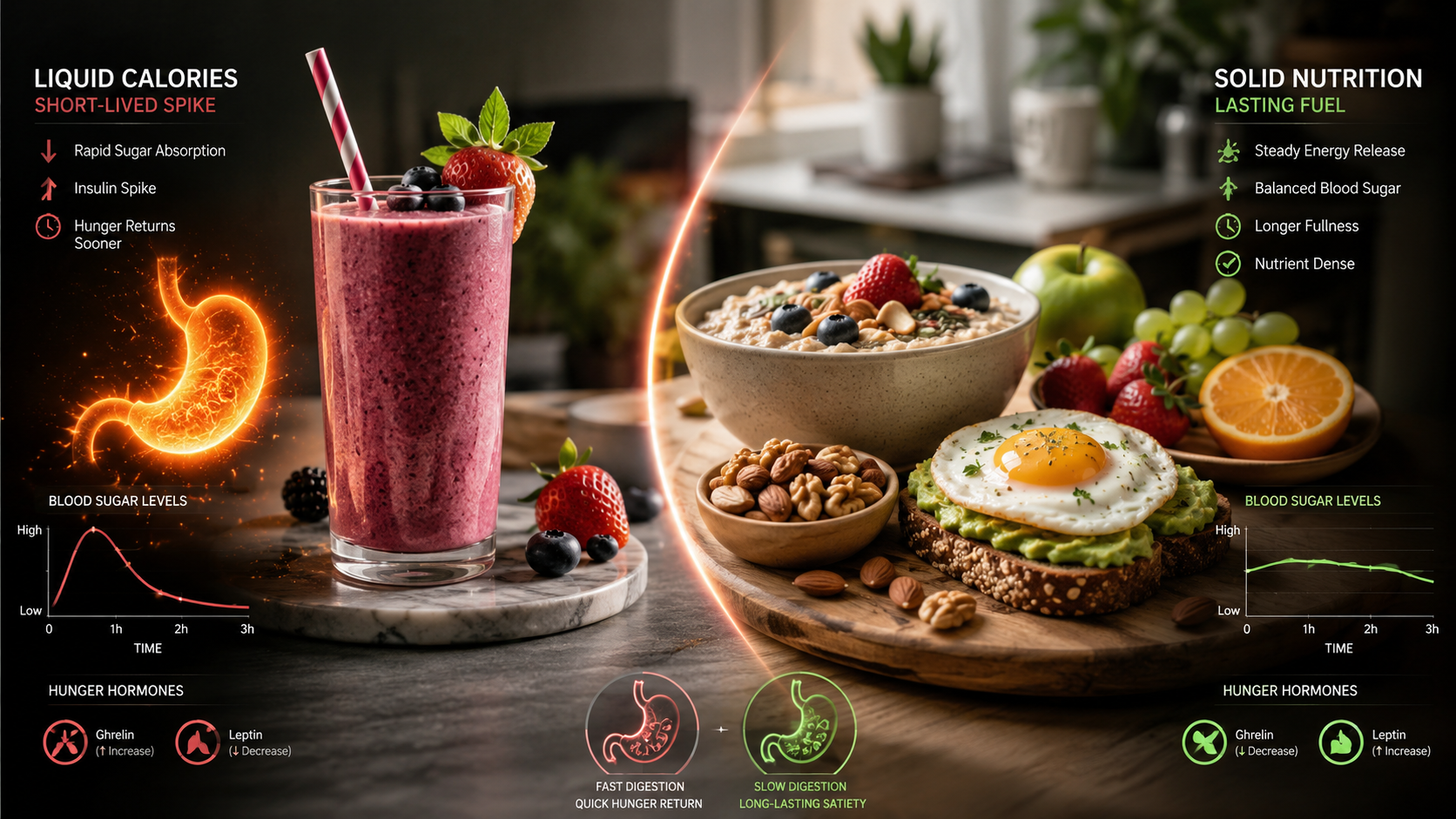
The answer lies in the difference between liquid calories and solid foods — and how your body processes them completely differently.
Table of contents
- Why Liquid Calories Don’t Keep You Full
- 1. The Missing “Chew” Factor
- 2. Smoothies Digest Faster Than Solid Food
- 3. Liquid Sugar Hits Your Bloodstream Faster
- 4. Liquid Calories Often Lead to Overeating
- 5. Why Protein Shakes Aren’t Always Filling
- How to Make a Smoothie More Filling
- When Smoothies Actually Make Sense
- The Bottom Line
Why Liquid Calories Don’t Keep You Full
Hunger is about much more than calories.
Your appetite is controlled by a complex system involving:
- Digestion speed
- Chewing
- Blood sugar levels
- Stomach expansion
- Satiety hormones like GLP-1 and peptide YY
- Hunger hormones like ghrelin
When these systems work together, you feel satisfied after eating.
But liquid calories disrupt several of these signals at once.
Even healthy smoothies can fail to trigger the body’s natural fullness mechanisms, leaving you craving snacks shortly after.
1. The Missing “Chew” Factor
One of the biggest reasons smoothies are less satisfying is surprisingly simple:
You don’t chew them.
Chewing plays a critical role in appetite regulation.
When you chew solid food:
- Saliva and digestive enzymes are released
- Your brain receives early satiety signals
- Hormones linked to fullness begin activating
- Your body prepares for digestion properly
This process is called oro-sensory exposure, and it strongly affects how full you feel after eating.
Liquid Calories Bypass Fullness Signals
Smoothies are consumed quickly with minimal chewing effort.
As a result:
- The brain underestimates calorie intake
- Satiety hormones are released less effectively
- Fullness signals arrive later
- Hunger returns faster
Research consistently shows that people feel less satisfied after consuming calories in liquid form compared to solid foods — even when calories and nutrients are identical.
Your stomach may contain enough calories.
Your brain simply doesn’t register the meal the same way.
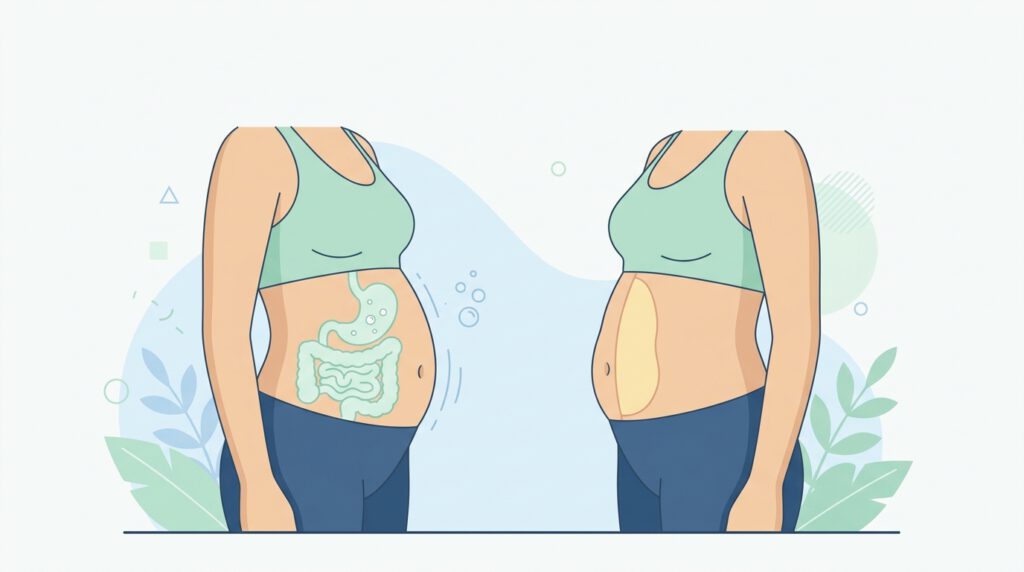
2. Smoothies Digest Faster Than Solid Food
Another major difference is digestion speed.
Solid Foods Slow Down Digestion
Whole foods with intact fiber and protein take time to break down in the stomach.
This slower digestion:
- Stabilizes energy levels
- Extends fullness
- Reduces cravings
- Slows gastric emptying
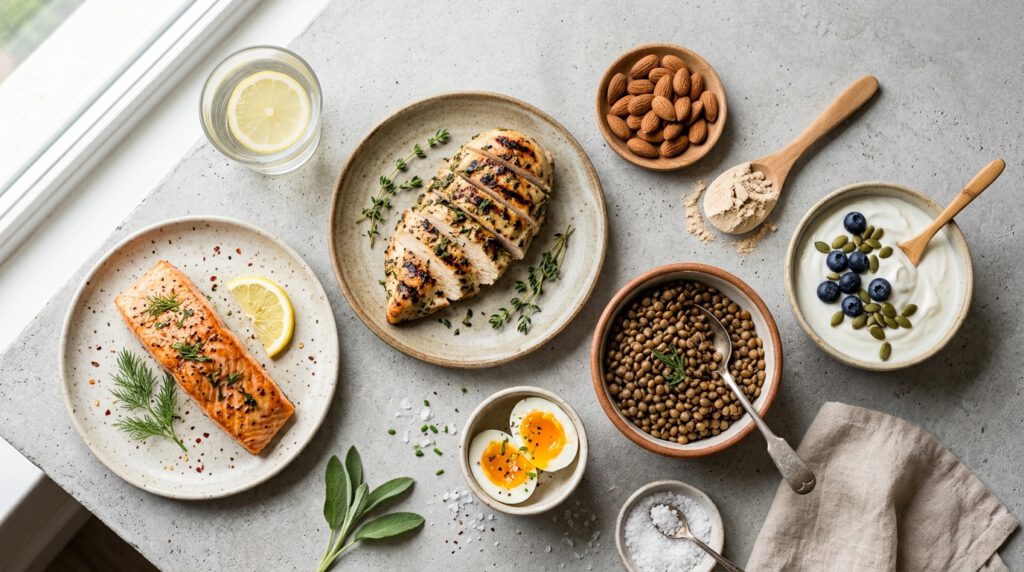
Foods like eggs, yogurt, oats, legumes, vegetables, and whole fruits naturally keep you fuller longer because digestion happens gradually.
Blending Changes How Food Behaves
When ingredients are blended into a smoothie:
- Fiber structures are broken apart
- Cell walls are disrupted
- Sugars become easier to absorb
- The stomach empties faster
Even when using healthy ingredients, the physical structure of food changes dramatically after blending.
Instead of slowly digesting over several hours, nutrients move rapidly through the digestive tract.
That’s why many people experience:
- Hunger within 60–90 minutes
- Mid-morning crashes
- Increased snacking
- Carb cravings
3. Liquid Sugar Hits Your Bloodstream Faster
Many smoothies contain large amounts of natural sugar from:
- Bananas
- Mangoes
- Dates
- Honey
- Fruit juice
- Flavored yogurt
Even without added sugar, smoothies can deliver a high sugar load very quickly.
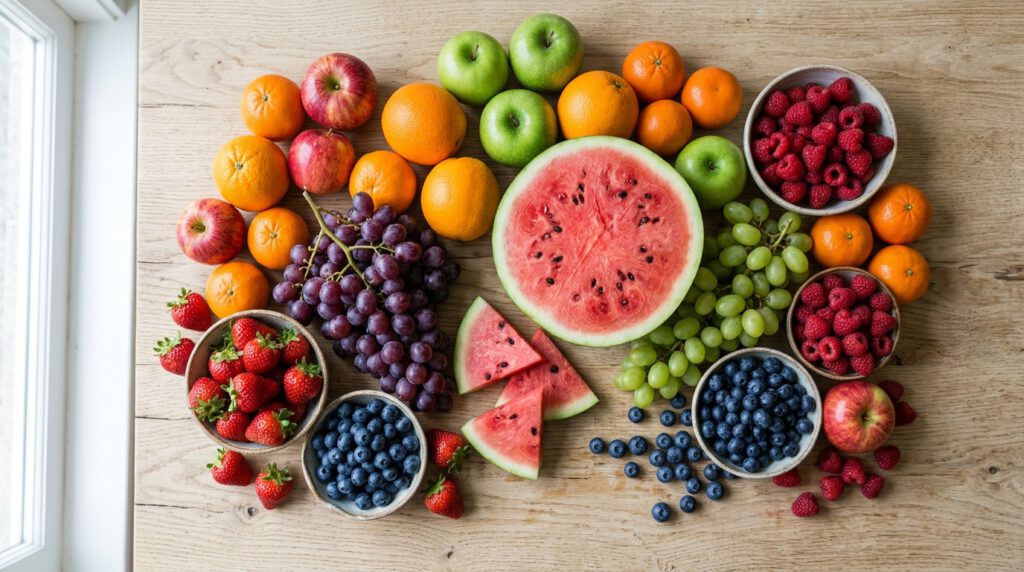
Whole Fruit vs. Blended Fruit
Whole fruit behaves differently because intact fiber slows sugar absorption.
But blending partially disrupts that fiber matrix, allowing sugar to enter the bloodstream much faster.
This can lead to:
- Rapid blood sugar spikes
- Increased insulin release
- Sharp blood sugar drops afterward
- Increased hunger hormones like ghrelin
That “crash” often triggers the urge to snack — even if the smoothie itself was high in calories.
In metabolic terms, many fruit-heavy smoothies behave more like sugary beverages than balanced meals.
4. Liquid Calories Often Lead to Overeating
One of the biggest problems with beverages is that the body doesn’t compensate for them well.
People typically do not eat less later after consuming liquid calories.
This applies to:
- Smoothies
- Fruit juice
- Soda
- Sweetened coffee drinks
- Energy drinks
Because liquids create weaker fullness signals, total daily calorie intake often increases without people realizing it.
Studies have linked regular consumption of sugary beverages to:
- Weight gain
- Increased belly fat
- Insulin resistance
- Type 2 diabetes
- Fatty liver disease
Even “healthy” drinks can contribute to excess calorie intake if consumed frequently and quickly.
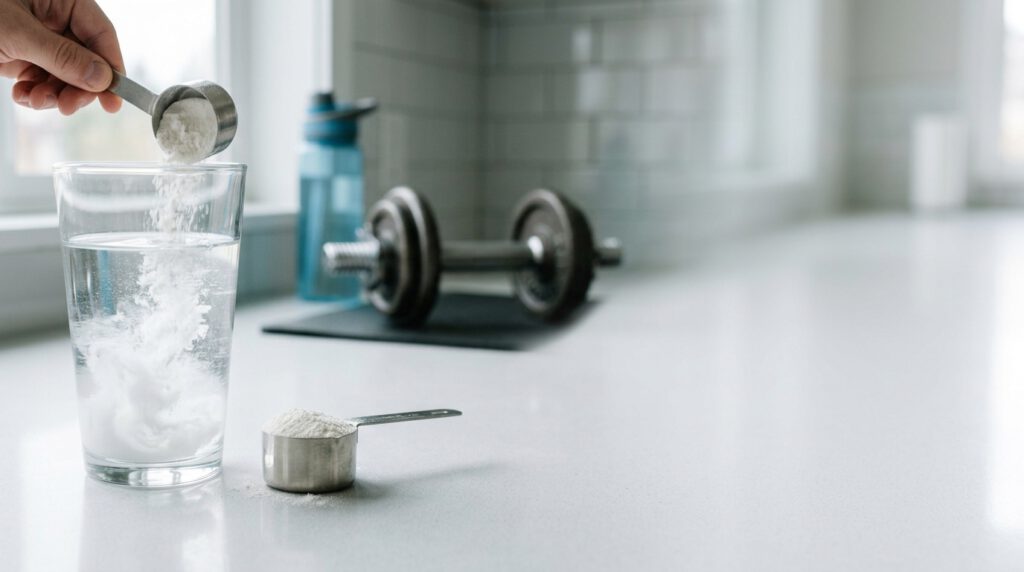
5. Why Protein Shakes Aren’t Always Filling
Adding protein powder helps — but it’s not a perfect solution.
Protein does improve satiety and digestion speed, especially compared to sugar-heavy smoothies.
However, liquid protein is still generally less satisfying than solid protein sources.
Solid Protein Works Better
Foods like:
- Eggs
- Greek yogurt
- Chicken
- Tofu
- Beans
- Cottage cheese
require chewing and digest more slowly.
Meanwhile, protein shakes are:
- Easier to consume rapidly
- Less psychologically satisfying
- Less effective at triggering fullness
This explains why many people hit their protein goals but still feel hungry afterward.
How to Make a Smoothie More Filling
Smoothies aren’t inherently bad.
The key is designing them to behave more like a real meal.
Add Healthy Fats
Healthy fats slow gastric emptying and increase satiety.
Good options include:
- Avocado
- Chia seeds
- Flaxseeds
- Nut butter
- Unsweetened coconut
Include More Protein
Use slower-digesting protein sources like:
- Greek yogurt
- Whey protein
- Casein protein
- Plant-based protein powder
Protein increases fullness and helps stabilize blood sugar.
Keep Some Texture
Ultra-smooth drinks digest faster.
Instead:
- Blend less aggressively
- Add oats or chia
- Eat nuts alongside the smoothie
- Include solid foods with the meal
Adding chewing back into the experience improves satiety significantly.
Reduce Fruit-Heavy Ratios
Many smoothies contain too much fruit and too little balance.
Try prioritizing:
- Vegetables
- Protein
- Fiber
- Healthy fats
instead of relying mostly on bananas, mangoes, or juice.
When Smoothies Actually Make Sense
Smoothies can still be useful in certain situations.
They work well when:
- Appetite is low
- Someone struggles with chewing
- Extra calories are needed
- Used as a snack or supplement
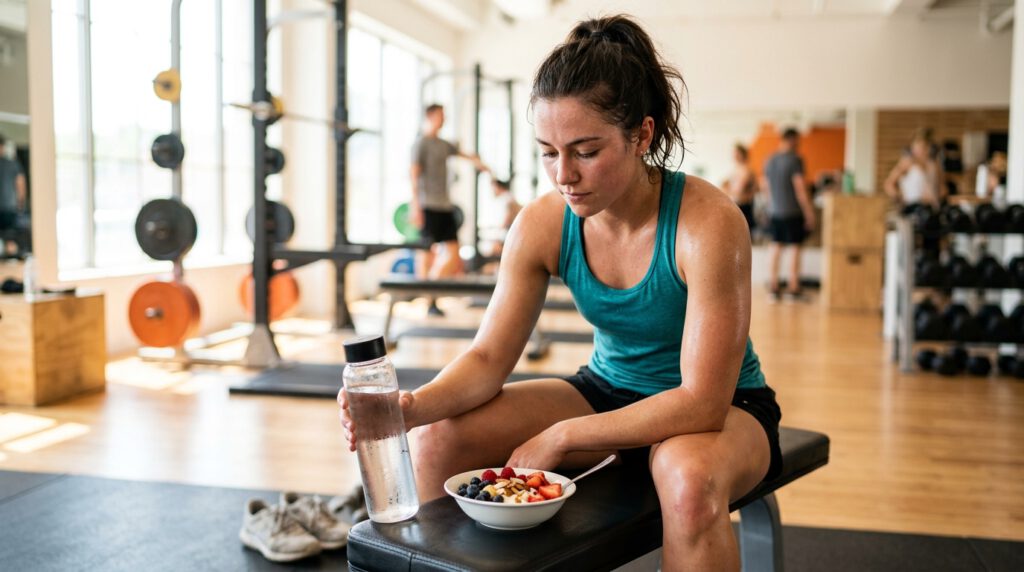
- Consumed after workouts
But they’re often less effective for:
- Long-term meal replacement
- Appetite control
- Weight loss
- Preventing cravings
Context matters more than marketing.
The Bottom Line
Smoothies look healthy because they contain nutritious ingredients.
But the body responds differently to liquid calories than solid foods.
Blending food changes:
- Digestion speed
- Satiety hormones
- Blood sugar response
- Hunger regulation
That’s why a smoothie packed with “healthy” ingredients can still leave you hungry shortly after drinking it.
The issue isn’t necessarily the calories.
It’s the form those calories come in.
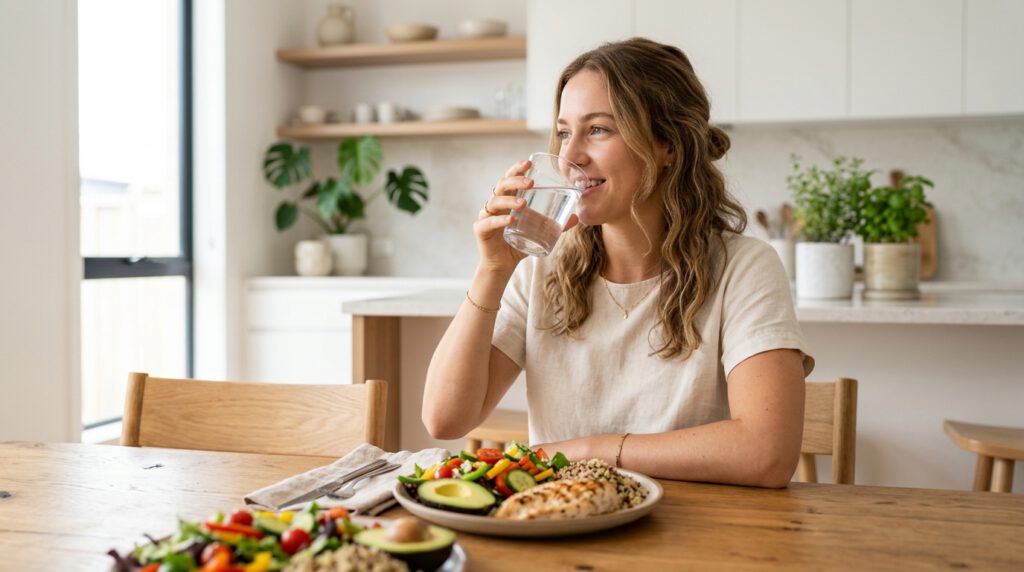
Understanding the difference between liquid and solid foods may explain why your “healthy” smoothie isn’t satisfying you — and why whole, chewable meals often work better for lasting fullness and appetite control.
Related Posts
Stay Informed With the Latest & Most Important News
Previous Post
Next Post








Advertisement