




















Now Reading: The Ultimate Guide to Building Muscle After 30: What Changes and What Works
-
01
The Ultimate Guide to Building Muscle After 30: What Changes and What Works



You turn 30, and suddenly everyone has an opinion about your body.
A friend mentions your testosterone is dropping. An article warns that your “best muscle-building years” are behind you. It starts to feel like the countdown clock is running.
Here’s the truth: this idea is one of the most damaging myths in fitness, and it’s simply not accurate. Building muscle after 30 is not only possible — for many people, their 30s and 40s turn out to be their strongest, most muscular decades yet. The difference isn’t age. It’s approach.
This guide breaks down exactly what changes in your body after 30, and more importantly, what actually works to build muscle despite those changes.
No gimmicks, no shortcuts — just a clear, evidence-based plan you can start today.
Table of contents
What Changes in Your Body After 30
Your body doesn’t fall apart the moment you hit your thirtieth birthday, but a few physiological shifts do begin.
Hormone Levels Decline — Slightly
Testosterone and growth hormone naturally decrease with age, generally by around 1% per year after 30. For most people, this decline is gradual and modest — nowhere near the dramatic drop-off that internet myths suggest. It’s a factor, not a wall.
Anabolic Resistance
Your muscles become somewhat less responsive to the signals that trigger growth, meaning it can take a bit more stimulus — more protein, more training intensity — to get the same muscle-building response you got in your 20s.
Slower Recovery
Connective tissue and muscle fibers take longer to repair after training. Skip proper rest, and soreness lingers longer than it used to.
The Onset of Sarcopenia
Without regular resistance training, the body begins to lose muscle mass over time, a process called sarcopenia. This can quietly lower your resting metabolic rate if left unaddressed.
The good news: this process is driven far more by inactivity than by age itself. It’s a “use it or lose it” situation, and strength training is the most effective tool available to reverse it.
What Actually Works for Building Muscle After 30
The core science of muscle growth doesn’t change with age — mechanical tension from resistance training and adequate protein intake still drive muscle protein synthesis just as effectively in your 30s as in your 20s. What changes is how deliberately you need to apply these principles.
1. Progressive Overload
This is non-negotiable at any age, but it becomes even more important after 30. Progressive overload simply means consistently giving your muscles a reason to grow — by gradually increasing the weight you lift, the number of reps or sets you perform, or the overall intensity of your training. If your workouts feel the same today as they did six months ago, your muscles have no reason to change.
2. Prioritize Compound Movements
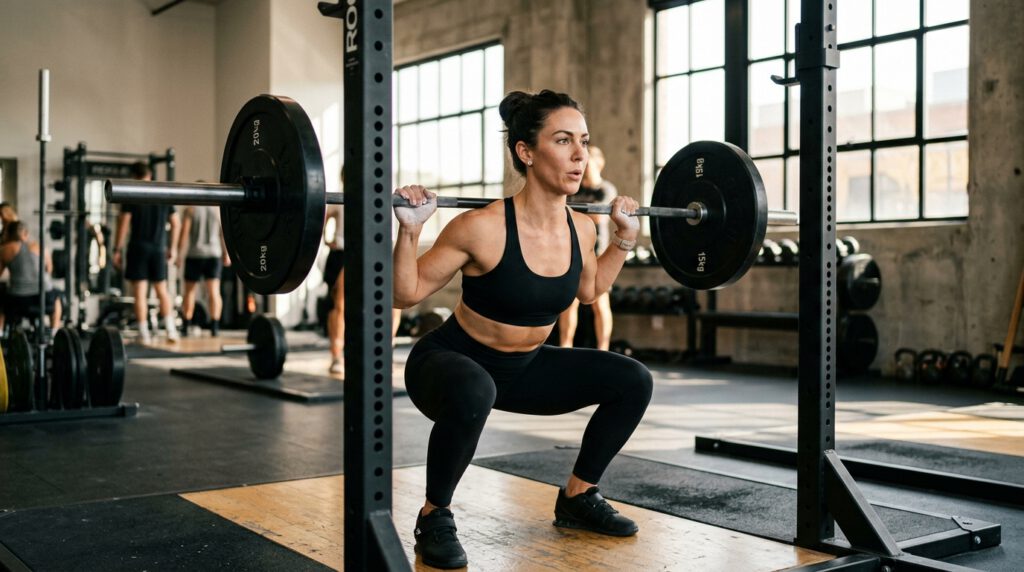
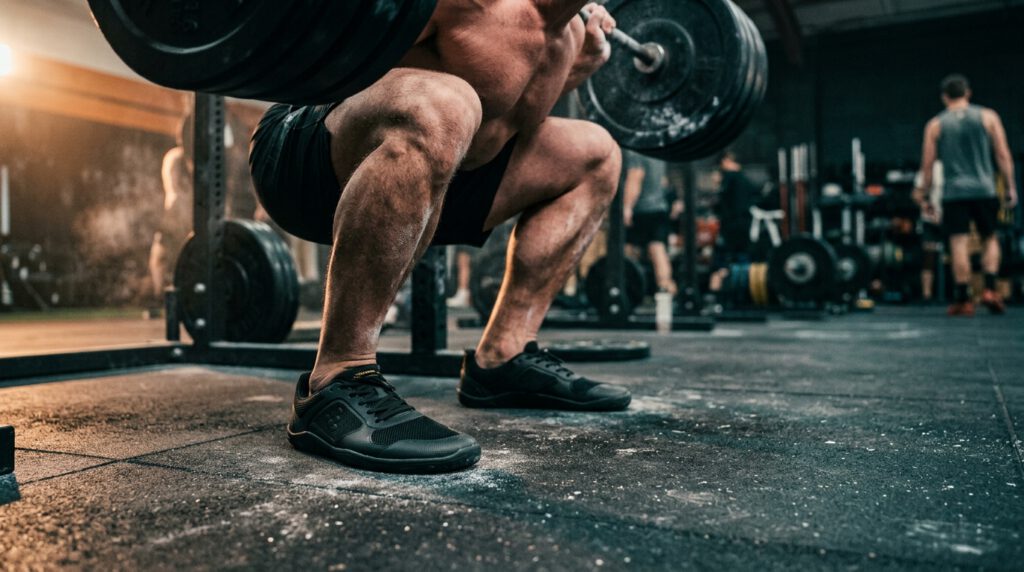
Multi-joint exercises like squats, deadlifts, bench presses, and overhead presses recruit the most muscle fibers per movement and trigger the greatest hormonal response. These lifts give you the most return for your time in the gym — a major advantage when you’re also juggling work and family life.
3. Train With Real Intensity
Building muscle requires training close to failure on your working sets — that last rep or two that feels genuinely hard is often where the growth signal is strongest. Comfortable workouts rarely produce meaningful change.
4. Increase Your Protein Intake
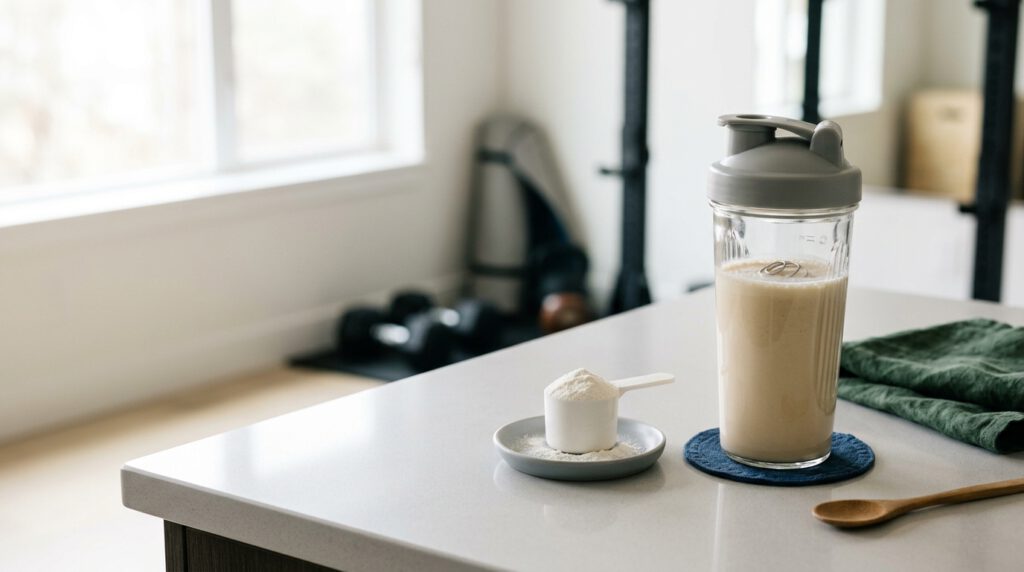
After 30, your body’s rate of protein synthesis slows slightly, meaning you generally need more protein than you did in your 20s to build and maintain muscle. Most research points to a daily target of 1.6 to 2.2 grams of protein per kilogram of bodyweight, spread evenly across meals. For an 80kg (176lb) person, that works out to roughly 128–176 grams of protein per day.
5. Master Recovery
Muscle isn’t built in the gym — it’s built during recovery. This is the pillar most people in their 30s neglect.
Aim for 7–9 hours of quality sleep per night and leave at least 48 hours between training the same muscle group again.
Poor sleep and chronic stress raise cortisol levels, which actively work against muscle growth, so managing stress is part of the equation too.
A Simple Starting Routine (First 4 Weeks)
If you’re new to structured training, keep it simple and focus on mastering technique before chasing heavy weights.
| Focus | Exercise | Sets x Reps |
|---|---|---|
| Full Body | Squat | 3 x 10–12 |
| Full Body | Push-up | 3 x 12 |
| Full Body | Row | 3 x 12 |
Train 3 days a week, rest at least a day between sessions, and prioritize good form over lifting heavy. Consistency in the first month matters more than intensity.
Progressing Your Training: Beginner to Advanced
Beginner (3 days/week)
Stick to compound lifts — squat, deadlift, bench press, and pull-up (or assisted pull-up) — for 3 sets of 8–12 reps each. Your main job in this phase is learning proper technique.
Intermediate (4 days/week)
After 3–4 months, shift to a push/pull/legs split:
- Push: chest, shoulders, triceps
- Pull: back, biceps
- Legs: quads, hamstrings, glutes
Bump volume up to around 4 sets per exercise and add more total weekly training volume.
Advanced (Periodized Training)
Once you’ve trained consistently for a year or more, break your training into cycles to keep progressing and avoid plateaus:
- Weeks 1–4: Hypertrophy focus (8–12 reps)
- Weeks 5–8: Strength focus (4–6 reps, heavier loads)
- Weeks 9–12: Mixed training, with a deload in the final week to allow full recovery
Nutrition for Muscle Growth After 30
Training builds the stimulus, but nutrition builds the muscle. Two things matter most:
A modest calorie surplus. You don’t need a huge “dirty bulk.” An extra 200–500 calories per day above maintenance is generally enough to support muscle growth without excessive fat gain.
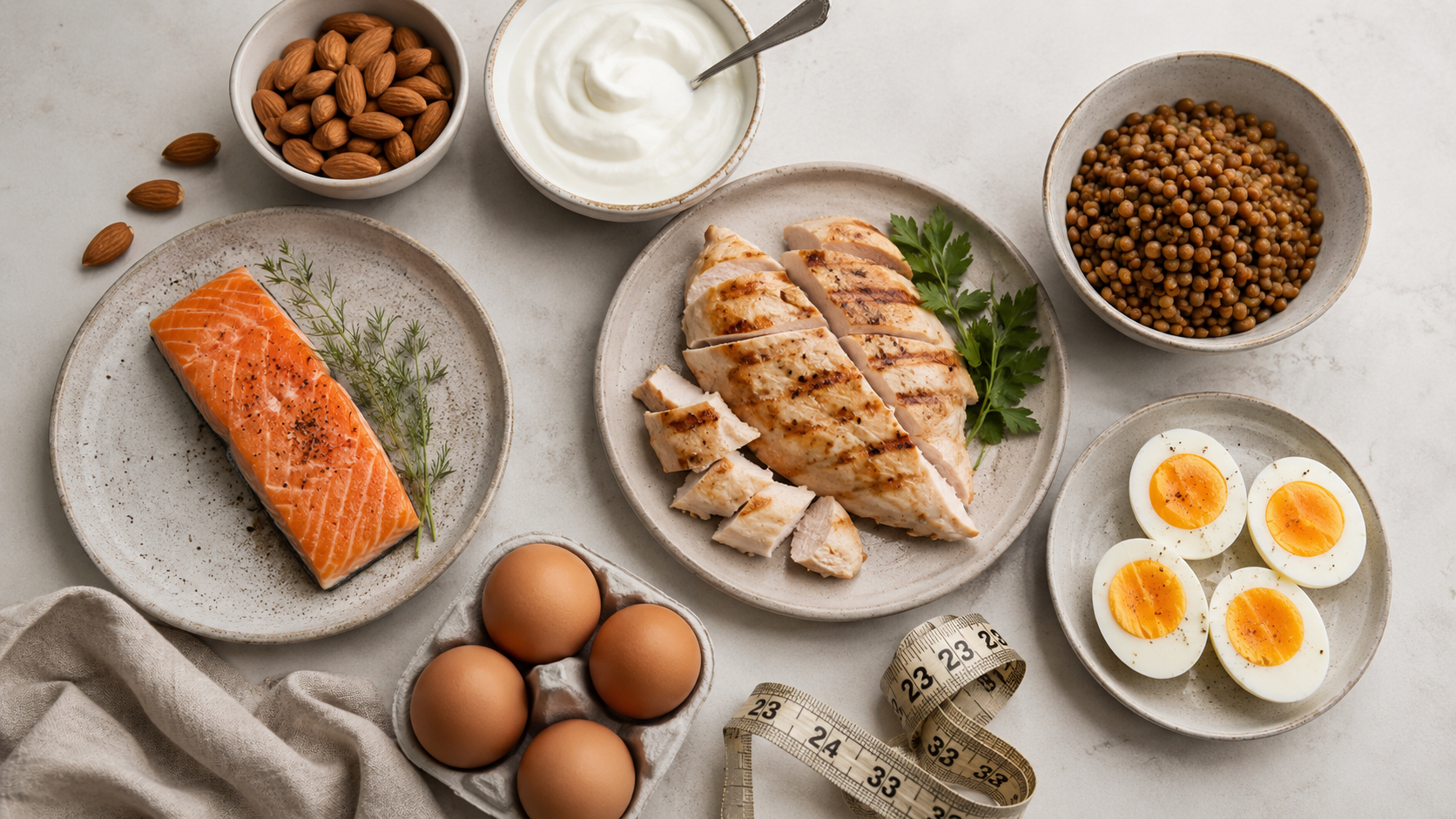
Enough protein, spread throughout the day. Aim for that 1.6–2.2 g/kg range, ideally in servings of 20–40 grams every 3–4 hours to keep muscle repair steady. Good sources include eggs, chicken, fish, tofu, lentils, paneer, and whey protein.
A balanced macronutrient split that works well for most people:
- ~40% carbohydrates (rice, oats, fruit, whole grains) — your training fuel
- ~30% protein
- ~30% healthy fats (nuts, seeds, olive oil)
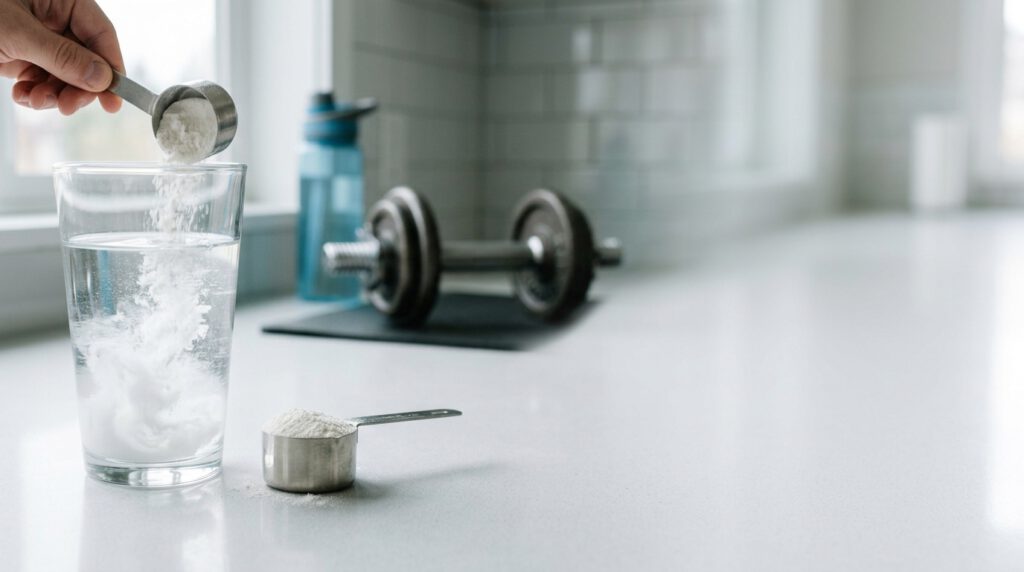
On supplements: they support the process but aren’t magic. Creatine is one of the most well-researched supplements for muscle and strength gains, typically taken at 3–5 grams daily. Vitamin D and magnesium can also support hormonal health and recovery, particularly if you’re deficient. Always check with a doctor before starting any supplement.
Busting the Biggest Myths
“It’s too late once you hit 30.” False. Studies show people well into their 50s can gain meaningful muscle mass within just a few months of consistent resistance training. Progress may be a bit slower than in your 20s, but it’s absolutely achievable.
“You need steroids to see real results.” Not true. Natural progressive overload, adequate protein, and proper recovery are enough to build noticeable muscle at any age — without the serious health risks that come with performance-enhancing drugs.
“Injuries are inevitable as you get older.” Most gym injuries come down to poor technique, ego lifting, or skipping the warm-up — not age. A proper 5–10 minute warm-up and sensible progression prevent the vast majority of training injuries.
“Women can’t build muscle after 30 the way men can.” Also false. Women respond well to resistance training at any age, and hormones like estrogen actually help preserve lean muscle mass.
Frequently Asked Questions
Can women build muscle after 30?
Yes. Resistance training is safe and effective for women in their 30s and beyond, and estrogen plays a protective role in maintaining muscle mass.
How quickly will I see results?
Strength gains often show up within the first few weeks. Visible muscle growth typically takes 3–6 months of consistent training and nutrition.
Do I need an expensive gym setup?
No. A basic gym membership and a solid protein source are enough to get started — you don’t need specialized equipment to build muscle after 30.
Your Action Plan
Building muscle after 30 comes down to three fundamentals:
- Train with progressive overload, focusing on compound lifts.
- Eat enough protein with a modest calorie surplus.
- Sleep well and manage stress to let recovery actually happen.
Age isn’t the barrier — a lack of a plan is. Start with three training sessions this week, track your protein intake, and stay consistent. Small, steady progress compounds into real transformation over 6 to 12 months.
Your 30s don’t have to be a decline. With the right approach, they can be your strongest decade yet.
Related Posts
Stay Informed With the Latest & Most Important News
Previous Post
Next Post








Advertisement