



















Now Reading: Sarcopenia Prevention: Why Resistance Training Is the Best Anti-Aging Exercise
-
01
Sarcopenia Prevention: Why Resistance Training Is the Best Anti-Aging Exercise


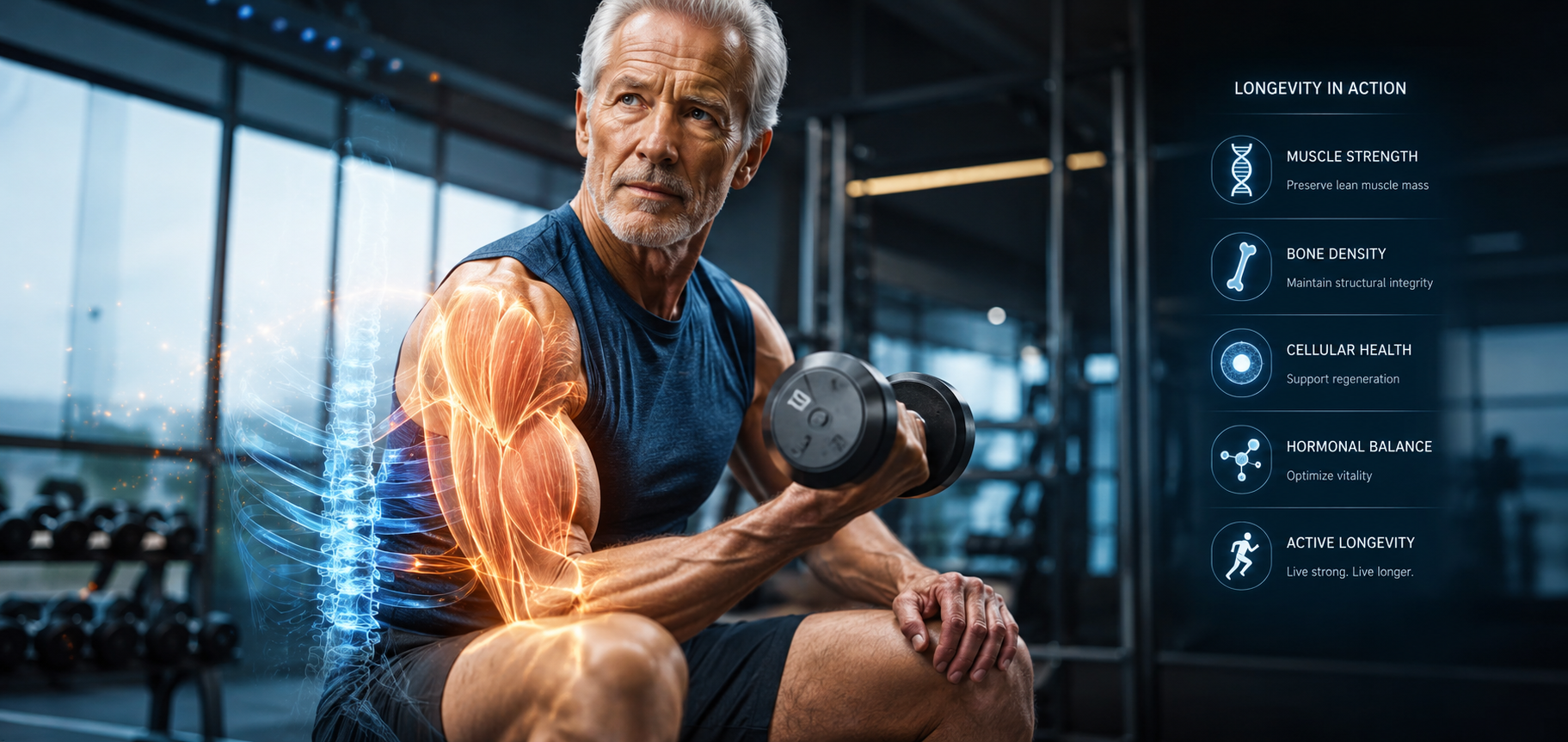
Aging is often associated with weaker muscles, slower metabolism, reduced mobility, and a gradual loss of independence. But modern research shows that many aspects of biological aging aren’t fixed. One of the most powerful tools to slow age-related decline is, surprisingly, quite simple: resistance training.
Far beyond aesthetics or bodybuilding, strength training has become a cornerstone intervention in preventive and longevity medicine. Scientific evidence consistently shows that resistance exercise improves muscle mass, bone density, metabolic health, balance, and systemic inflammation — all key factors in healthy aging.
Most importantly, resistance training is the single most effective strategy for preventing sarcopenia: the age-related loss of muscle mass and strength that increases the risk of falls, frailty, disability, and chronic disease.
Table of contents
What Is Sarcopenia?
Sarcopenia is an age-related condition marked by progressive loss of skeletal muscle mass, strength, and physical function. It commonly begins after age 30 and accelerates after 60.
The condition is linked to reduced mobility, higher fall and fracture risk, insulin resistance, loss of independence, increased hospitalization, and higher mortality risk. As muscle tissue declines, everyday activities — climbing stairs, carrying groceries, standing up from a chair — become increasingly difficult.
Fortunately, resistance training directly targets the biological mechanisms behind sarcopenia.
Why Resistance Training Works Against Aging
1. It Reverses Muscle Atrophy
Aging naturally reduces fast-twitch muscle fibers, which are responsible for strength, power, and reaction speed.
Resistance training uses progressive overload — gradually increasing stress on the muscles — to stimulate muscle protein synthesis and preserve lean tissue. This activates important anabolic pathways like mTOR signaling, IGF-1 pathways, satellite cell activation, and neuromuscular adaptation.
Research shows that even adults in their 60s and 70s can significantly improve muscle strength and functional capacity within 8–12 weeks of consistent training.
2. It Improves Neuromuscular Function
Strength training does more than build muscle — it improves the communication between your brain and muscles, leading to better balance, coordination, reaction time, mobility, and gait stability.
That improved neuromuscular function is critical for preventing falls, one of the leading causes of injury and disability in older adults. Functional movements like squats, carries, hinges, and presses help maintain independence by mimicking real-world movement patterns.
3. It Fights “Inflammaging”
One of the most important discoveries in longevity science is the role of chronic low-grade inflammation, often called inflammaging. Persistent inflammation accelerates biological aging and contributes to cardiovascular disease, type 2 diabetes, cognitive decline, osteoporosis, and sarcopenia.
Resistance exercise acts as a systemic anti-inflammatory therapy. When muscles contract during training, they release signaling molecules called myokines, which help reduce inflammatory markers like CRP, IL-6, and TNF-α. Studies consistently show that regular resistance training lowers chronic inflammation while improving muscle quality and physical function.
4. It Boosts Metabolic Health
Muscle tissue is metabolically active — the more lean muscle you maintain, the more calories your body burns at rest. Resistance training improves insulin sensitivity, glucose uptake, body composition, and resting metabolic rate, making it one of the most effective lifestyle interventions for preventing and managing prediabetes and type 2 diabetes.
Research also suggests resistance exercise improves mitochondrial function — the energy-producing systems inside your cells — helping combat fatigue and age-related metabolic decline.
5. It Protects Bone Density
Aging increases the risk of osteoporosis and fractures, especially for older adults. Weight-bearing resistance exercises place mechanical stress on bones, signaling the body to deposit more minerals and strengthen skeletal structure. This improves bone mineral density, joint stability, fracture resistance, and postural control.
Exercises like squats, lunges, carries, and presses are especially effective for preserving bone health.
6. It Enhances Your Body’s Natural Antioxidant Defenses
Oxidative stress is one of the primary drivers of cellular aging. As we age, the body’s ability to neutralize harmful free radicals declines — and resistance training helps counter this by increasing endogenous antioxidant enzymes like superoxide dismutase (SOD).
Research shows regular strength training reduces oxidative damage, improves cellular resilience, enhances mitochondrial efficiency, and supports healthy aging at the cellular level. Interestingly, these benefits don’t require extremely heavy lifting — consistency matters more than intensity.
7. It May Improve Skin Health
Emerging research suggests resistance training may also support healthier skin aging. Scientists have found that strength training improves dermal extracellular matrix integrity and may enhance collagen-related pathways by reducing systemic inflammation — potentially improving skin elasticity, collagen support, and overall skin structure while reducing inflammatory skin damage.
Resistance training isn’t a replacement for skincare, but it does appear to support skin health from the inside out.
Resistance Training Is Medicine, Not Just Exercise
Modern clinicians increasingly view resistance training as a first-line intervention for healthy aging. Instead of focusing only on aesthetics, experts now emphasize its role in preventing sarcopenia, preserving independence, reducing chronic disease risk, improving mobility and quality of life, and extending healthspan.
In many cases, strength training produces multi-system benefits that medications alone can’t replicate.
How to Start Resistance Training Safely
You don’t need to become a bodybuilder to experience the anti-aging benefits. Experts generally recommend strength training 2–3 times per week using simple, foundational movements.
Beginner-friendly bodyweight movements: sit-to-stands, wall push-ups, glute bridges, calf raises, step-ups.
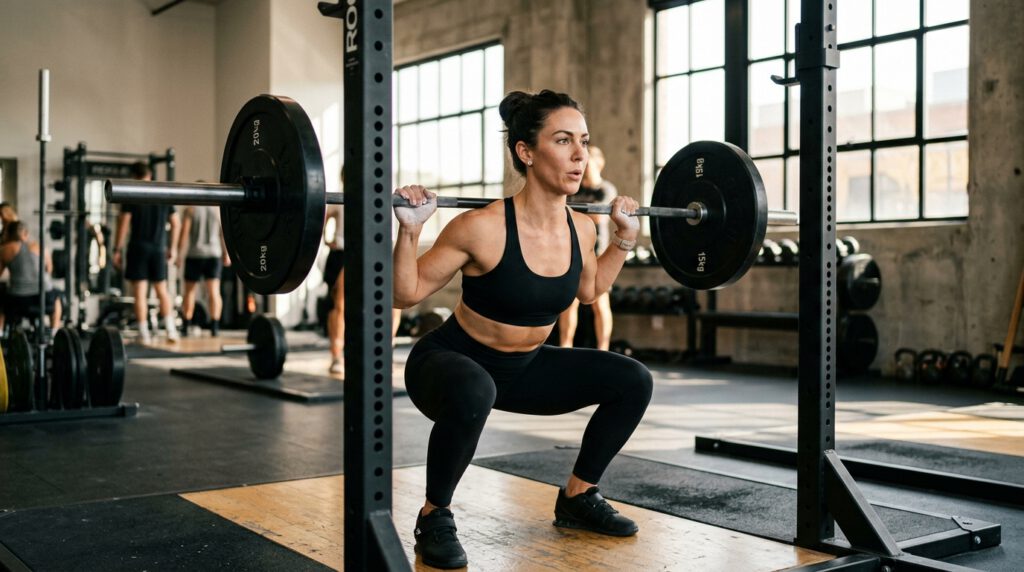
Functional compound exercises: squats, hip hinges, rows, shoulder presses, farmer carries.
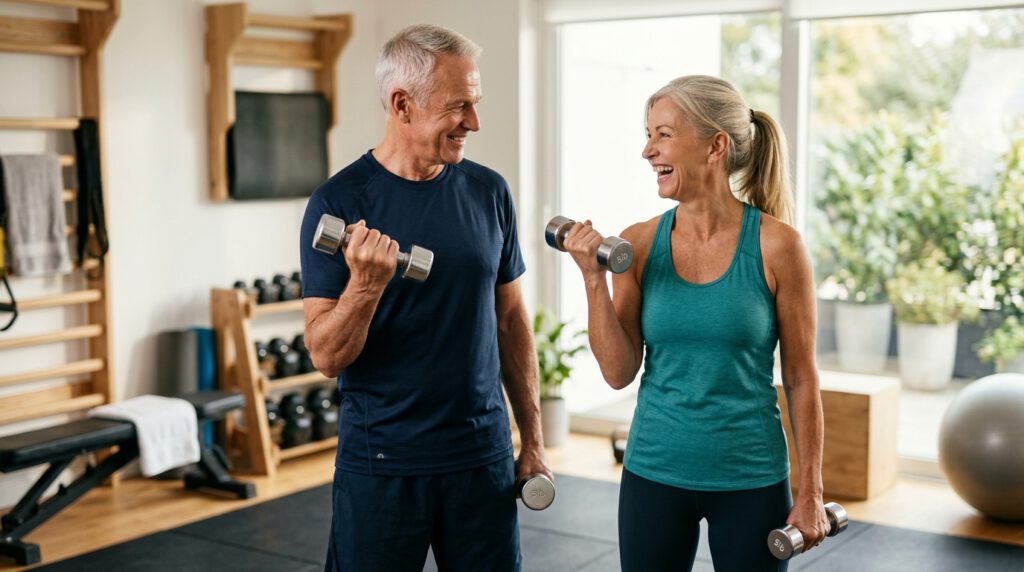
Resistance options: dumbbells, resistance bands, kettlebells, machines, or bodyweight alone.
The Importance of Progressive Overload
Progressive overload means gradually increasing the challenge placed on your muscles over time — by increasing weight, adding repetitions, improving movement quality, or increasing training volume. Without it, the body stops adapting.
Research suggests moderate intensity, roughly 60–80% of your one-repetition maximum (1RM), provides the best balance of strength, muscle preservation, and longevity benefits.
Recovery Matters
Muscles grow and repair during recovery, not during the workout itself. For optimal results: allow 48 hours between strength sessions targeting the same muscle groups, prioritize sleep and hydration, consume adequate protein, and avoid excessive training volume when starting out. Recovery becomes increasingly important with age.
The Best Resistance Training Frequency for Longevity
Most research supports 2–3 resistance training sessions per week, built around full-body workouts, multi-joint functional movements, and consistent long-term progression. Even short-term programs lasting 8–12 weeks can significantly improve strength, balance, mobility, metabolic markers, and confidence and independence.
FAQ
Is resistance training really anti-aging? Yes. It’s one of the most evidence-based anti-aging interventions available — it improves muscle mass, bone density, insulin sensitivity, inflammation, and physical function while reducing the risk of many chronic diseases.
Can I start resistance training after age 60 or 70? Absolutely. Studies show older adults can safely gain strength, improve mobility, and increase independence, even when starting later in life.
Will resistance training make me bulky? No. Most anti-aging resistance programs focus on preserving muscle and improving function, not extreme hypertrophy.
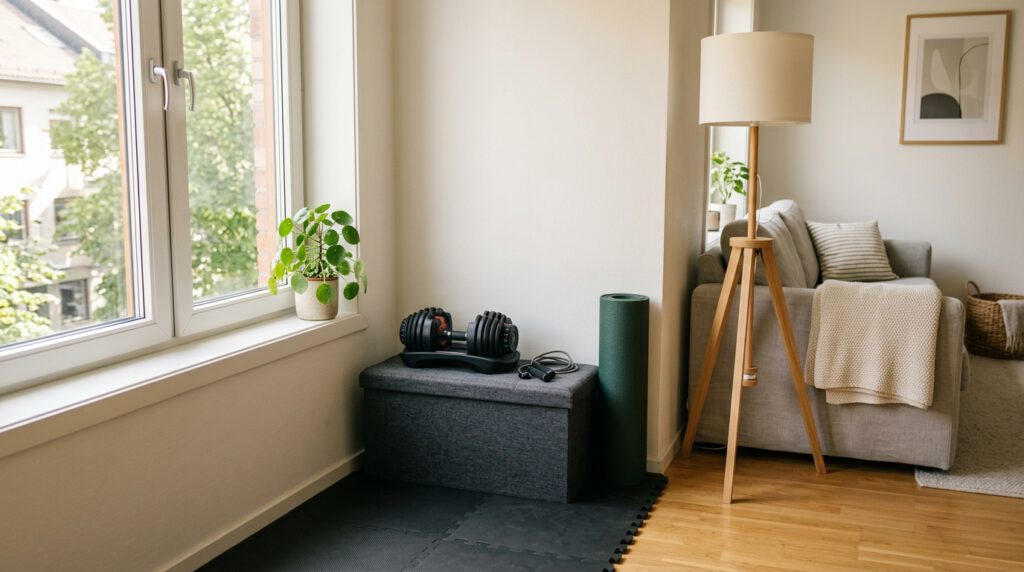
Do I need a gym? Not necessarily. Effective resistance training can be done at home using bodyweight exercises, resistance bands, dumbbells, or kettlebells.
How long does it take to see results? Many people notice improved energy, mobility, and confidence within a few weeks. Measurable strength gains commonly show up within 6–8 weeks.
Final Thoughts
Aging may be inevitable, but rapid physical decline isn’t.
Resistance training directly targets many hallmarks of aging — muscle loss, chronic inflammation, metabolic dysfunction, oxidative stress, and loss of independence. It strengthens not just muscles, but bones, metabolism, balance, mobility, and overall resilience.
In the modern science of longevity, resistance training is no longer viewed as optional fitness. It’s increasingly recognized as one of the most powerful forms of preventive medicine available.
If your goal isn’t just to live longer, but to stay strong, capable, and independent as you age, resistance training may be the closest thing we have to an anti-aging prescription.
Related Posts
Stay Informed With the Latest & Most Important News
Previous Post
Next Post








Advertisement