











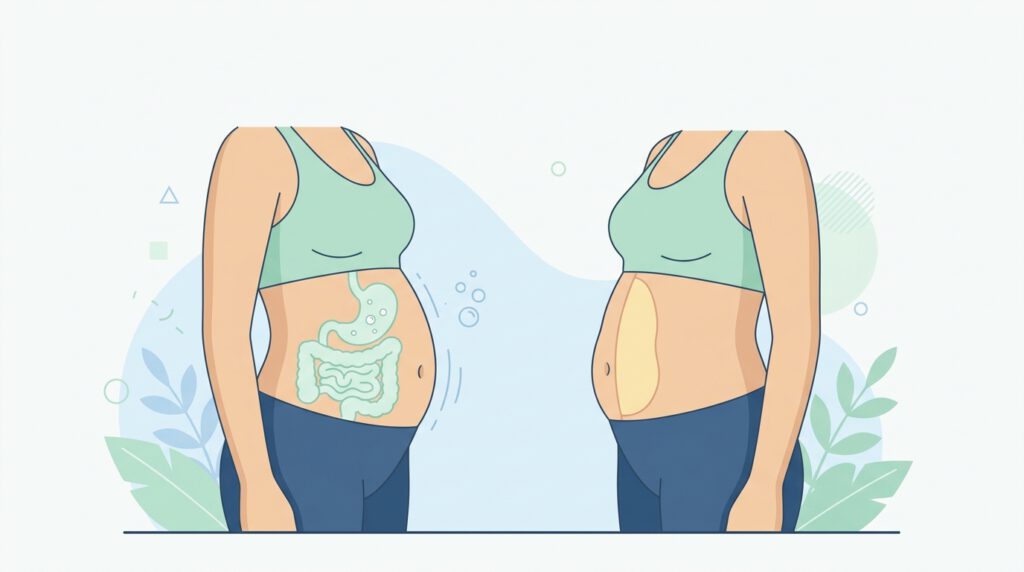













Now Reading: The Hormones That Make You Fat: Insulin, Cortisol, and Leptin Explained
-
01
The Hormones That Make You Fat: Insulin, Cortisol, and Leptin Explained


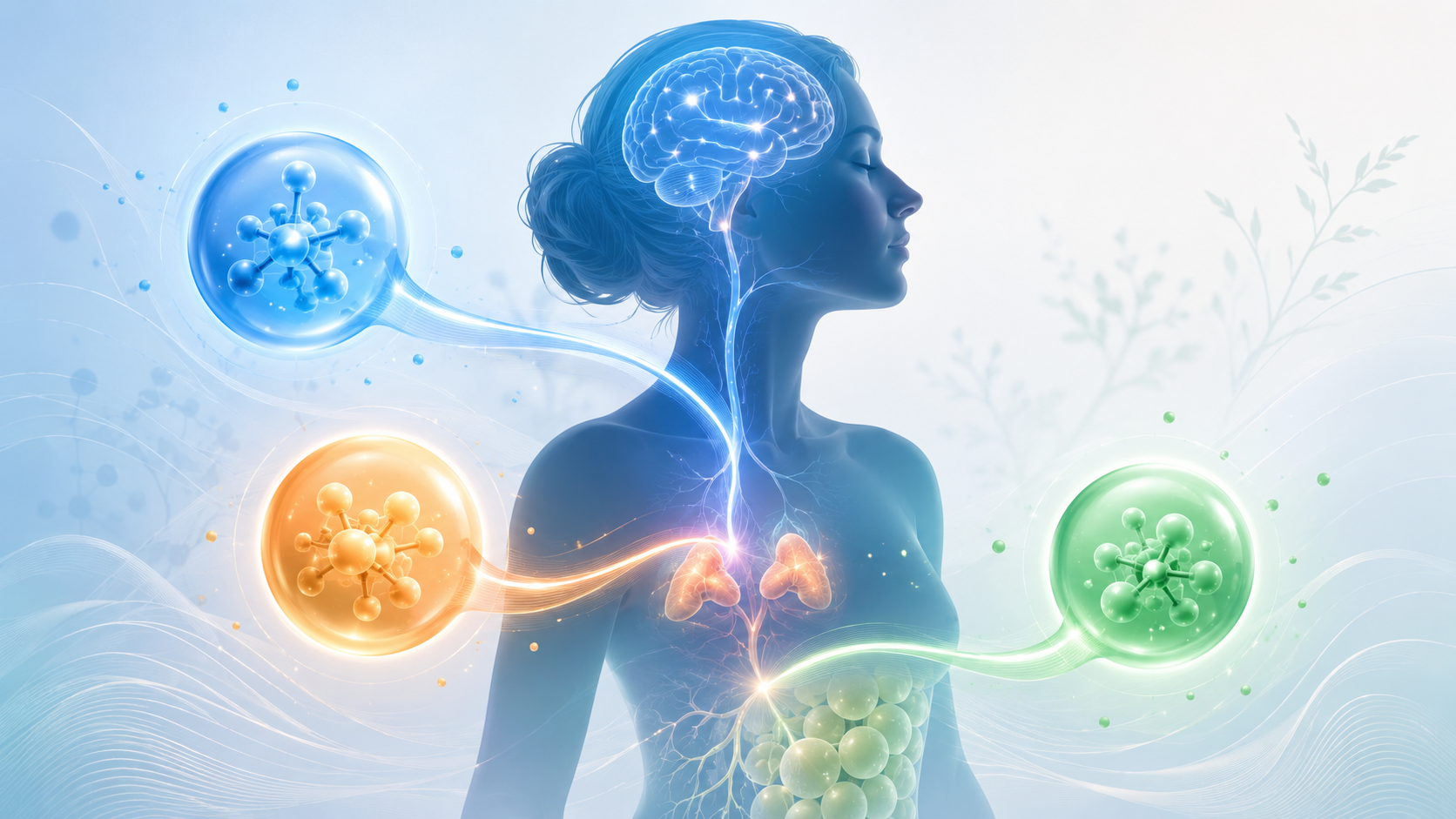
Not all weight gain comes down to “eating too much and moving too little.”
Beneath the surface, a group of chemical messengers — hormones — are constantly deciding whether your body burns energy or stores it as fat.
Three of the biggest players in this process are insulin, cortisol, and leptin. When they’re working in sync, your metabolism runs smoothly and your appetite stays in check.
But when they become chronically out of balance, they can quietly sabotage your weight loss efforts, no matter how disciplined your diet looks on paper.
In this guide, we’ll break down exactly how each of these three hormones contributes to fat gain, why modern lifestyles tend to push them out of balance, and what you can actually do about it.
Table of contents
How Hormones Control Your Weight
Hormones are produced by glands throughout the body — including the pancreas, adrenal glands, thyroid, and even fat tissue itself — and travel through the bloodstream to coordinate processes like metabolism, appetite, and energy storage. Body weight isn’t governed by a single hormone acting in isolation; it’s the result of a complex, interconnected system that constantly adjusts based on what you eat, how you sleep, your stress levels, and your activity. When one part of that system is disrupted, the effects tend to ripple outward, which is why hormonal weight gain rarely has one single cause.
With that in mind, let’s look at the three hormones most closely tied to fat storage.
1. Insulin: The “Fat Storage” Hormone
Insulin is released by the pancreas every time you eat, especially after meals high in carbohydrates or sugar. Its main job is to move glucose out of your bloodstream and into your cells, where it can be used immediately for energy or stored for later.
How Insulin Drives Fat Gain
Beyond shuttling sugar into cells, insulin also acts as a storage signal. When insulin levels rise, your body shifts into “fat-storing mode,” using any excess energy to build up fat reserves rather than burning them. This is a normal and necessary process — the problem starts when insulin stays elevated for too long.
The Danger: Insulin Resistance
A diet consistently high in refined carbs and added sugar forces the pancreas to release insulin frequently and in large amounts. Over time, your cells can become less responsive to insulin’s signal — a condition known as insulin resistance. To compensate, the pancreas produces even more insulin, which keeps the body locked in fat-storage mode and makes it increasingly difficult to burn stored fat for fuel. Insulin resistance is now understood to be both a cause and a consequence of weight gain, forming a self-reinforcing cycle.
How to Manage Insulin Levels
- Cut back on refined carbohydrates and sugary drinks
- Prioritize fiber and protein at each meal to slow glucose absorption
- Take a short walk after meals to help muscles use glucose without relying on extra insulin
- Build regular strength or cardio training into your week to improve insulin sensitivity over time
2. Cortisol: The “Stress” Hormone
Cortisol is produced by the adrenal glands and plays a central role in your body’s fight-or-flight response. In short bursts, it’s incredibly useful — it mobilizes energy so you can respond to a physical or emotional threat.
How Cortisol Drives Fat Gain
The problem is that your body doesn’t distinguish well between a genuine survival threat and the chronic, low-grade stress of modern life — work deadlines, financial pressure, lack of sleep, constant notifications. When cortisol stays elevated for weeks or months at a time, it increases appetite, intensifies cravings for high-calorie comfort foods, and signals the body to store more fat, particularly visceral fat around the abdomen.
The Danger: Visceral Fat and Insulin Resistance
Visceral fat isn’t just a cosmetic concern — it surrounds vital organs and is linked to a higher risk of metabolic disease. To make matters worse, chronically high cortisol also increases insulin resistance, meaning these two hormones can end up reinforcing each other’s negative effects.
How to Manage Cortisol Levels
- Build regular physical activity into your routine — movement is one of the most effective natural cortisol regulators
- Practice stress-reduction techniques such as mindfulness, deep breathing, or yoga
- Prioritize 7–8 hours of quality sleep, since poor sleep is directly linked to elevated cortisol
- Limit excessive caffeine, which can further stimulate cortisol release
3. Leptin: The “Satiety” Hormone
Leptin is produced by your fat cells and acts as a messenger to your brain, essentially saying, “You have enough stored energy — you can stop eating now.” In a well-functioning system, the more body fat you carry, the more leptin you produce, which should naturally curb appetite.
How Leptin Drives Fat Gain
Diets high in ultra-processed, highly rewarding foods can cause leptin levels to spike abnormally. Over time, the brain becomes desensitized to leptin’s signal — a phenomenon known as leptin resistance. Even though the body has plenty of stored fat and leptin levels are technically high, the brain no longer “hears” the fullness signal, leading to continued hunger and overeating.
The Danger: A Disrupted Fullness Signal
Leptin resistance is a common feature of obesity. It creates a frustrating paradox: the more fat you store, the more leptin you produce, but the less effective that leptin becomes at actually controlling appetite. This is also why crash dieting often backfires — a sudden, drastic drop in leptin levels can trigger intense hunger and cravings, making the weight difficult to keep off long-term.
How to Manage Leptin Levels
- Reduce chronic inflammation by eating whole, minimally processed foods
- Get consistent, high-quality sleep, since poor sleep is strongly linked to disrupted leptin signaling
- Avoid extreme calorie restriction or crash diets
- Include healthy fats and fiber-rich foods to support more stable hunger and fullness cues
Beyond the Big Three: Other Hormones That Influence Weight
While insulin, cortisol, and leptin tend to get the most attention, several other hormones also play a meaningful role in weight regulation:
- Ghrelin, often called the “hunger hormone,” is produced in the stomach and rises when you’re fasting, signaling the brain that it’s time to eat.
- GLP-1 and GIP, released by the intestine after eating, help promote fullness and regulate blood sugar.
- Thyroid hormones regulate your overall metabolic rate; an underactive thyroid can slow metabolism and contribute to weight gain.
- Estrogen and testosterone shift with age and life stages like menopause, often affecting fat distribution and metabolism.
These hormones rarely act alone — they interact constantly, which is why sustainable weight management tends to come from broad lifestyle changes rather than targeting a single hormone in isolation.
How to Support Hormonal Balance for Long-Term Weight Management
There’s no single switch that “fixes” hormonal weight gain, but consistent habits can meaningfully support the systems involved:
- Eat balanced meals built around protein, fiber, and healthy fats to stabilize blood sugar and support fullness signals.
- Limit ultra-processed foods and added sugar, which are strongly linked to insulin spikes and leptin resistance.
- Prioritize sleep — aim for 7–8 hours a night, since inadequate sleep disrupts nearly every hormone discussed above.
- Move regularly, combining strength training and cardio to improve insulin sensitivity and reduce baseline cortisol.
- Manage stress proactively through mindfulness, breathing exercises, or any activity that helps you reset.
- Avoid extreme dieting, which can crash leptin levels and trigger rebound hunger and weight regain.
- Talk to a healthcare professional if you notice unexplained weight changes, persistent fatigue, or other symptoms that may point to an underlying hormonal condition such as thyroid dysfunction or PCOS.
Frequently Asked Questions
Can hormonal imbalances really cause weight gain on their own?
Yes, in some cases.
Conditions like hypothyroidism, Cushing’s syndrome, and PCOS directly disrupt hormone levels and can lead to noticeable weight gain. For most people without a diagnosed condition, hormonal weight gain develops gradually through chronic stress, poor sleep, and processed-food-heavy diets rather than a sudden imbalance.
Which hormone is most responsible for stubborn belly fat?
Cortisol is particularly associated with visceral (abdominal) fat storage, especially under chronic stress. However, insulin resistance often compounds the problem, making belly fat one of the hardest areas to target without addressing both hormones.
Can you reverse insulin or leptin resistance?
Many people can improve insulin and leptin sensitivity through sustained lifestyle changes — particularly reducing processed food and sugar intake, exercising regularly, and improving sleep quality. Reversal takes time and consistency rather than quick fixes.
The Bottom Line
Insulin, cortisol, and leptin don’t act alone, but together they form a powerful system that determines whether your body stores or burns fat.
Chronic stress, poor sleep, and a diet high in processed carbs can push all three hormones out of balance simultaneously, creating a cycle that’s hard to break through willpower alone.
The good news is that the same set of habits — balanced nutrition, regular movement, quality sleep, and stress management — supports all three hormones at once, making lifestyle change one of the most effective long-term strategies for hormonal weight balance.
If your weight changes feel sudden, severe, or accompanied by other symptoms like fatigue or irregular periods, it’s worth speaking with a healthcare provider to rule out an underlying hormonal condition.
Related Posts
Stay Informed With the Latest & Most Important News
Previous Post
Next Post









Advertisement