




















Now Reading: Anhedonia in Fitness: What to Do When You Lose the Joy of Exercising
-
01
Anhedonia in Fitness: What to Do When You Lose the Joy of Exercising



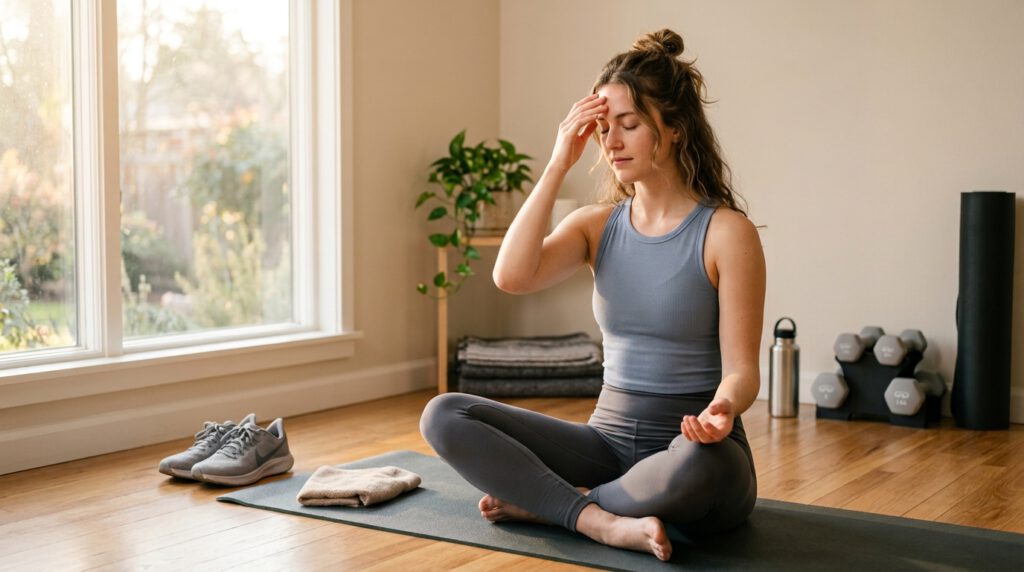
Have you ever found yourself staring at your workout shoes with absolutely no desire to train—even though exercise used to be the highlight of your day?
If so, you may be experiencing fitness-related anhedonia, a state where physical activity no longer feels rewarding, enjoyable, or motivating.
What once gave you energy and satisfaction may now feel like a chore, leaving you wondering what happened to your passion for fitness.
While occasional dips in motivation are normal, a prolonged loss of enjoyment can signal something deeper than simple laziness or burnout. Understanding the causes of exercise-induced anhedonia is the first step toward rediscovering the joy of movement.
Table of contents
What Is Anhedonia?
Anhedonia is the inability or reduced ability to experience pleasure from activities that once felt enjoyable. It is commonly associated with mental health conditions such as depression, but it can also occur independently.
People experiencing anhedonia often describe feeling:
- Emotionally numb
- Unmotivated
- Disconnected from activities they once loved
- Less interested in social interactions
- Unable to enjoy achievements or rewards
There are two primary types:
Social Anhedonia
A reduced interest in social interactions, relationships, or spending time with others.
Physical Anhedonia
A diminished ability to enjoy sensory experiences such as music, food, touch, or physical activity.
When physical anhedonia affects fitness, workouts may no longer provide the satisfaction, excitement, or emotional boost they once did.
Why Does Exercise Stop Feeling Rewarding?
Exercise is typically associated with positive brain chemicals such as dopamine and endorphins. These neurotransmitters contribute to feelings of pleasure, accomplishment, and motivation.
However, several factors can disrupt this reward system.
Overtraining and Burnout
One of the most common causes of fitness anhedonia is overtraining.
Many dedicated exercisers push themselves relentlessly, believing that more training equals better results. Over time, excessive physical stress can overwhelm the body’s recovery systems and central nervous system.
Signs of overtraining include:
- Persistent fatigue
- Decreased performance
- Sleep disturbances
- Increased irritability
- Loss of workout motivation
- Reduced enjoyment during exercise
Ironically, the harder you push, the less rewarding exercise may become.
Chronic Stress
Stress affects the same reward pathways involved in motivation and pleasure. Work pressure, financial concerns, relationship problems, and daily life challenges can leave your brain with fewer resources available to enjoy exercise.
When the body remains in a prolonged stress state, activities that once felt rewarding may begin to feel emotionally flat.
Mental Health Conditions
Anhedonia is a well-known symptom of conditions such as:
- Depression
- Anxiety disorders
- Post-traumatic stress disorder (PTSD)
- Bipolar disorder
- Substance use disorders
If your loss of enjoyment extends beyond exercise and affects multiple areas of life, it may indicate an underlying mental health concern that deserves professional attention.
Fitness Fatigue and Repetition
Sometimes the issue isn’t exercise itself—it’s boredom.
Following the same routine for months or years can make workouts feel predictable and uninspiring. The brain naturally responds to novelty, and repetitive training can reduce excitement over time.
Signs You May Be Experiencing Fitness Anhedonia
You may be dealing with exercise-related anhedonia if:
- Workouts feel emotionally empty.
- You no longer look forward to training.
- Fitness achievements bring little satisfaction.
- You skip workouts because they feel pointless rather than difficult.
- Activities you once loved seem boring.
- Motivation remains low despite adequate physical health.
Recognizing these signs early can help prevent deeper burnout.
How to Regain the Joy of Exercising
The good news is that fitness anhedonia is often reversible. Instead of forcing yourself through increasingly intense workouts, focus on rebuilding a healthy relationship with movement.
1. Shift From Exercise to Play
One of the most effective strategies is changing your mindset.
Stop viewing movement solely as a tool for burning calories, building muscle, or improving performance.
Instead, ask yourself:
What activities feel fun?
Consider:
- Dancing
- Recreational sports
- Hiking
- Swimming
- Cycling outdoors
- Playing with children or pets
When exercise becomes play, the psychological pressure decreases and enjoyment often returns naturally.
2. Follow the 10-Minute Rule
When motivation is low, committing to a full workout can feel overwhelming.
Instead, promise yourself just 10 minutes of movement.
Take a walk.
Do a few stretches.
Ride a stationary bike for a short session.
If you want to stop afterward, allow yourself to stop guilt-free.
Many people discover that once they start moving, continuing feels much easier.
3. Reduce Workout Intensity
Contrary to popular fitness culture, more intensity is not always better.
If you’ve been relying heavily on:
- High-intensity interval training (HIIT)
- Heavy lifting
- Daily endurance sessions
Try replacing some workouts with:
- Walking
- Yoga
- Mobility training
- Gentle cycling
- Low-intensity steady-state cardio (LISS)
Lower-intensity movement can help restore physical and mental energy while maintaining fitness.
4. Change Your Environment
Your surroundings have a powerful influence on motivation.
If you’re tired of gym walls, try exercising outdoors.
Research consistently shows that outdoor physical activity can improve mood and reduce mental fatigue more effectively than indoor environments.
Ideas include:
- Walking in a local park
- Hiking nature trails
- Beach workouts
- Outdoor cycling
- Recreational sports
A change of scenery can refresh your perspective and make movement feel exciting again.
5. Exercise With Others
Humans are naturally social creatures.
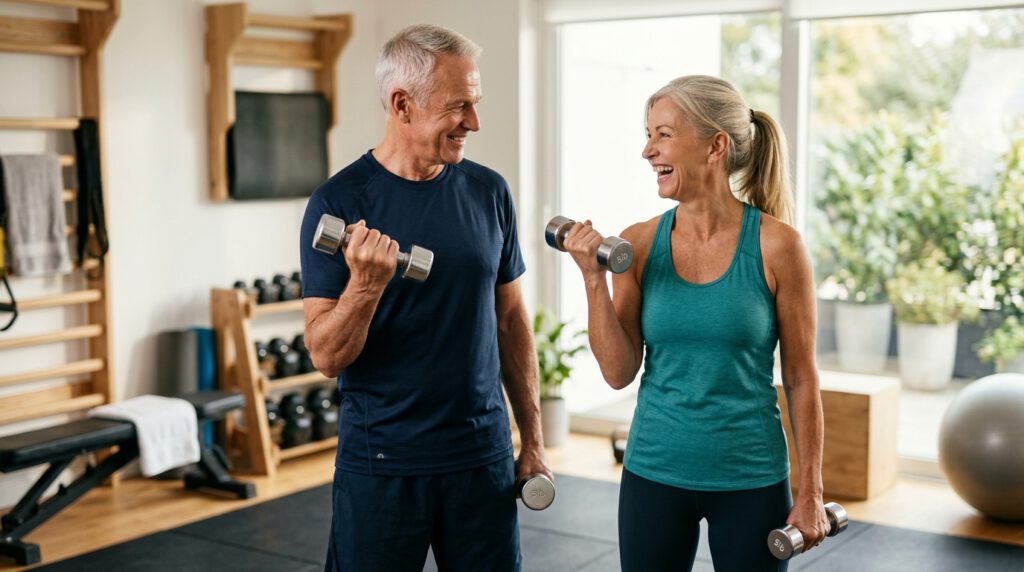
Working out with a friend, partner, or fitness group can transform exercise from a solitary obligation into an enjoyable shared experience.
Benefits include:
- Increased accountability
- Social connection
- Improved adherence
- More enjoyment
Sometimes the conversation is more motivating than the workout itself.
6. Prioritize Recovery
Many people attempt to solve motivation problems by training harder.
In reality, the solution may be the opposite.
If you’ve been exercising intensely for months without a meaningful break, consider taking:
- Several rest days
- A recovery week
- A temporary reduction in training volume
Recovery isn’t weakness—it’s a necessary part of long-term fitness success.
7. Improve Sleep and Nutrition
Poor sleep and inadequate nutrition directly affect the brain’s reward system.
To support recovery and mood:
- Aim for 7–9 hours of quality sleep.
- Eat balanced meals with sufficient protein.
- Include fruits, vegetables, and healthy fats.
- Stay hydrated.
- Limit excessive alcohol and processed foods.
A well-fueled brain is better equipped to experience pleasure and motivation.
8. Practice Mindful Movement
Many people exercise while mentally elsewhere—thinking about work, checking notifications, or worrying about the future.
Mindful movement encourages you to focus on:
- Breathing
- Muscle contractions
- Body sensations
- The surrounding environment
This practice can help reconnect you with the positive aspects of physical activity that may have been overlooked.
When Fitness Anhedonia May Signal Something More Serious
Occasional exercise burnout is common.
However, if your loss of enjoyment extends beyond fitness and lasts for several weeks, it may be a sign of a broader mental health issue.
Consider speaking with a healthcare provider or licensed mental health professional if you experience:
- Persistent sadness
- Emotional numbness
- Social withdrawal
- Sleep problems
- Feelings of hopelessness
- Loss of interest in multiple areas of life
Early support can make a significant difference in recovery.
The Bottom Line
Losing the joy of exercise can feel confusing and frustrating, especially if fitness has always been an important part of your life. But fitness anhedonia doesn’t mean you’ve become lazy or undisciplined.
In many cases, it’s your mind and body signaling a need for recovery, variety, balance, or deeper emotional support.
Instead of forcing yourself through joyless workouts, focus on rebuilding a positive relationship with movement. Explore new activities, lower the pressure, prioritize recovery, and remember that exercise is meant to enhance your life—not become another source of stress.
The goal isn’t simply to work out again. It’s to rediscover the satisfaction, energy, and enjoyment that made you fall in love with movement in the first place.
Related Posts

Stay Informed With the Latest & Most Important News
Previous Post
Next Post









Advertisement