



















Now Reading: Loose Skin After Weight Loss: What You Can (and Can’t) Do About It
-
01
Loose Skin After Weight Loss: What You Can (and Can’t) Do About It



Losing a significant amount of weight is one of the best things you can do for your long-term health. But for many people, the number on the scale isn’t the end of the story.
Once the weight comes off, the skin that stretched to hold it often doesn’t spring back — and that can be just as frustrating as the weight loss itself was hard-won.
If you’re dealing with loose, sagging, or crepey skin after losing weight, you’re not doing anything wrong, and you’re far from alone.
This guide breaks down exactly why it happens, what’s realistic to expect, and which of the countless “fixes” online are actually backed by evidence.
Table of contents
- What Causes Loose Skin After Weight Loss?
- What Determines How Much Loose Skin You’ll Have?
- GLP-1 Medications and “Ozempic Skin”: What’s Different
- Is Loose Skin After Weight Loss Actually Common?
- What You CAN Do About Loose Skin
- Lose weight at a steady pace (if you’re still losing)
- Build muscle with resistance training
- Prioritize protein and skin-supporting nutrients
- Stay consistently hydrated
- Consider a collagen supplement — with realistic expectations
- Protect your skin from the sun and avoid smoking
- Try compression garments for comfort
- Explore non-surgical skin-tightening treatments
- Consider body contouring surgery for significant excess skin
- What You CAN’T Do About Loose Skin
- How Long Does It Take for Loose Skin to Improve?
- When to See a Doctor
- Frequently Asked Questions
- The Bottom Line
What Causes Loose Skin After Weight Loss?
Your skin has three layers, and all three play a role in how it looks after weight loss:
- Epidermis — the visible outer layer that protects your body and produces new skin cells.
- Dermis — the middle layer, where collagen and elastin are made. This is where firmness and elasticity come from.
- Hypodermis (subcutaneous layer) — the deepest layer, made up of fat, connective tissue, and blood vessels. This is the layer that expands when you gain weight and shrinks when you lose it.
When you gain weight, the hypodermis stores extra fat, and the skin above it stretches to accommodate the added volume. If that stretching happens gradually and doesn’t last too long — as with a modest weight gain — the skin can usually retract on its own.
But when skin stays stretched for a long time, its collagen and elastin fibers start to break down. Collagen shifts from strong, well-organized fibers to a weaker, more disorganized structure, while elastin fibers — the ones responsible for “snap back” — fragment and thin out. Once that damage occurs, the skin loses much of its ability to contract, even after the weight underneath it is gone.
There’s also a hormonal piece to this that doesn’t get talked about much. Fat cells don’t just store energy — they release hormones like leptin and adiponectin that signal skin cells to keep producing collagen. As fat cells shrink during weight loss, that signaling drops off, which may further slow the skin’s ability to repair and tighten itself.
What Determines How Much Loose Skin You’ll Have?
Not everyone who loses weight ends up with the same amount of excess skin. Several factors influence the outcome:
- Amount of weight lost. Loose skin becomes more likely and more noticeable with larger amounts of weight loss — research points to a higher risk once someone loses more than about 44 lbs (20 kg) or drops their BMI by more than 10 points.
- Speed of weight loss. Faster weight loss gives skin less time to adjust. This is one reason loose skin is so common after bariatric surgery, which tends to produce very rapid results.
- Age. Collagen production starts slowing in your late twenties, and by your 40s the skin’s ability to retract is noticeably reduced. Older skin generally sags more after weight loss than younger skin does.
- How long you carried the extra weight. The longer skin stays stretched, the more collagen and elastin damage accumulates — and the less “bounce back” it has left.
- Genetics. Some people are simply predisposed to firmer or looser skin, regardless of lifestyle.
- Sun exposure and smoking. Both chronic UV exposure and smoking break down collagen and reduce elasticity independently of weight change, compounding the effect.
- Sex. Women report loose skin after weight loss more often than men, likely related to differences in fat distribution and hormonal effects on skin structure.
Importantly, how much loose skin you have doesn’t always match how much it bothers you. Comfort, mobility, and body image all factor into whether it feels like a problem worth addressing.
GLP-1 Medications and “Ozempic Skin”: What’s Different
Loose skin isn’t a new issue, but it’s become a much bigger conversation since GLP-1 receptor agonists like semaglutide (Ozempic, Wegovy) and tirzepatide (Mounjaro, Zepbound) became widely used for weight loss. These medications can produce weight loss faster than most people achieve through diet alone, and dermatologists say that speed is a major factor in what’s now nicknamed “Ozempic face” or “Ozempic body.”
Here’s what seems to be happening, according to dermatologists and emerging research:
- Fat loss outpaces skin adaptation. Rapid fat loss — especially in the face — removes the underlying volume that skin relies on for support, faster than the skin can remodel to fit the new contour. One 2025 imaging study found that roughly every 22 lbs lost was linked to about a 7% reduction in midfacial volume.
- GLP-1s may directly affect skin cells, not just body fat. Some researchers have found that GLP-1 activity appears to reduce glucose uptake in adipocyte-derived stem cells — the precursor cells that would normally develop into the fibroblasts responsible for producing collagen. Less energy available to these cells may mean less new collagen, independent of weight loss itself.
- The effect isn’t limited to the face. While “Ozempic face” gets the most attention, dermatologists report the same laxity in the neck, upper arms, abdomen, and buttocks — anywhere fat loss is significant.
- Age matters even more here. Because baseline collagen is already declining after 40, older adults on GLP-1 medications tend to notice more pronounced sagging than younger patients losing a comparable amount of weight.
None of this means GLP-1 medications are the wrong choice — for most people, the metabolic and cardiovascular benefits far outweigh cosmetic skin changes. But if you’re on one of these medications, pairing it with resistance training, adequate protein, and a slower titration pace (when medically appropriate) may help minimize how much loose skin you end up with. If facial or body skin changes bother you, a dermatologist can walk you through non-surgical options such as radiofrequency microneedling or volume-restoring fillers.
Is Loose Skin After Weight Loss Actually Common?
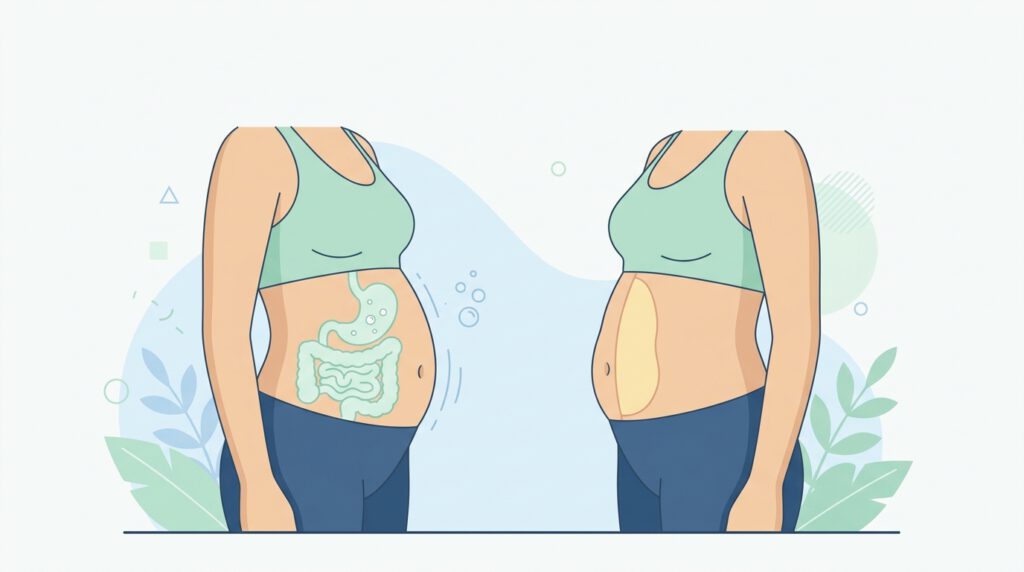
Yes — very. Among people who’ve had bariatric surgery, research suggests the large majority develop some degree of excess or redundant skin that affects daily activities or how they feel about their body. It’s considered a normal, expected part of major weight loss rather than a sign that something went wrong.
That excess skin isn’t just a cosmetic issue for many people. Documented effects include:
- Physical discomfort and restricted movement, including interference with exercise.
- Skin irritation and breakdown. In one often-cited study of people who sought plastic surgery after weight-loss surgery, a substantial share reported skin pain, rashes, or infections in the folds of hanging skin.
- Body image and emotional impact, including increased self-consciousness even after achieving a healthier weight.
If you’re dealing with chronic rashes, skin breakdown, or pain from skin folds, that’s worth bringing to a doctor — it may qualify as a medical (not just cosmetic) issue, which matters for insurance purposes, covered below.
What You CAN Do About Loose Skin
Lose weight at a steady pace (if you’re still losing)
If you haven’t finished your weight-loss journey, losing gradually — generally no more than 1–2 lbs per week when achievable — gives skin more time to remodel alongside your changing body. This isn’t always possible with certain medical treatments or surgeries, but it’s worth discussing pace with your care team when you have flexibility.
Build muscle with resistance training
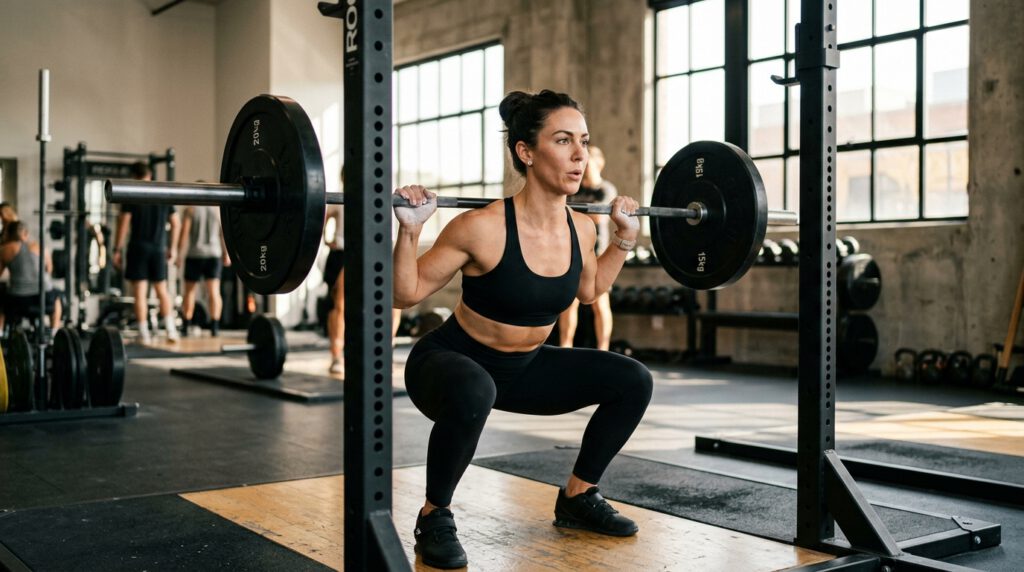
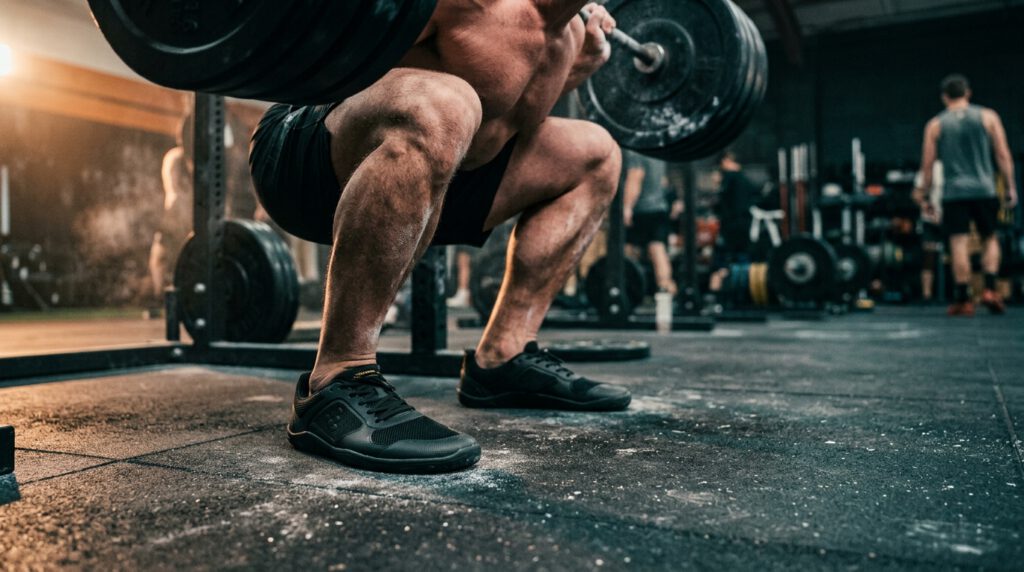
Strength training won’t tighten skin directly, but it builds muscle mass underneath it, which can fill out areas that look deflated and improve overall body shape. Guidelines generally recommend strength training at least twice a week. It’s also one of the best tools for preventing the muscle loss that commonly comes with rapid weight loss (including GLP-1-driven weight loss), which can otherwise make loose skin look worse.
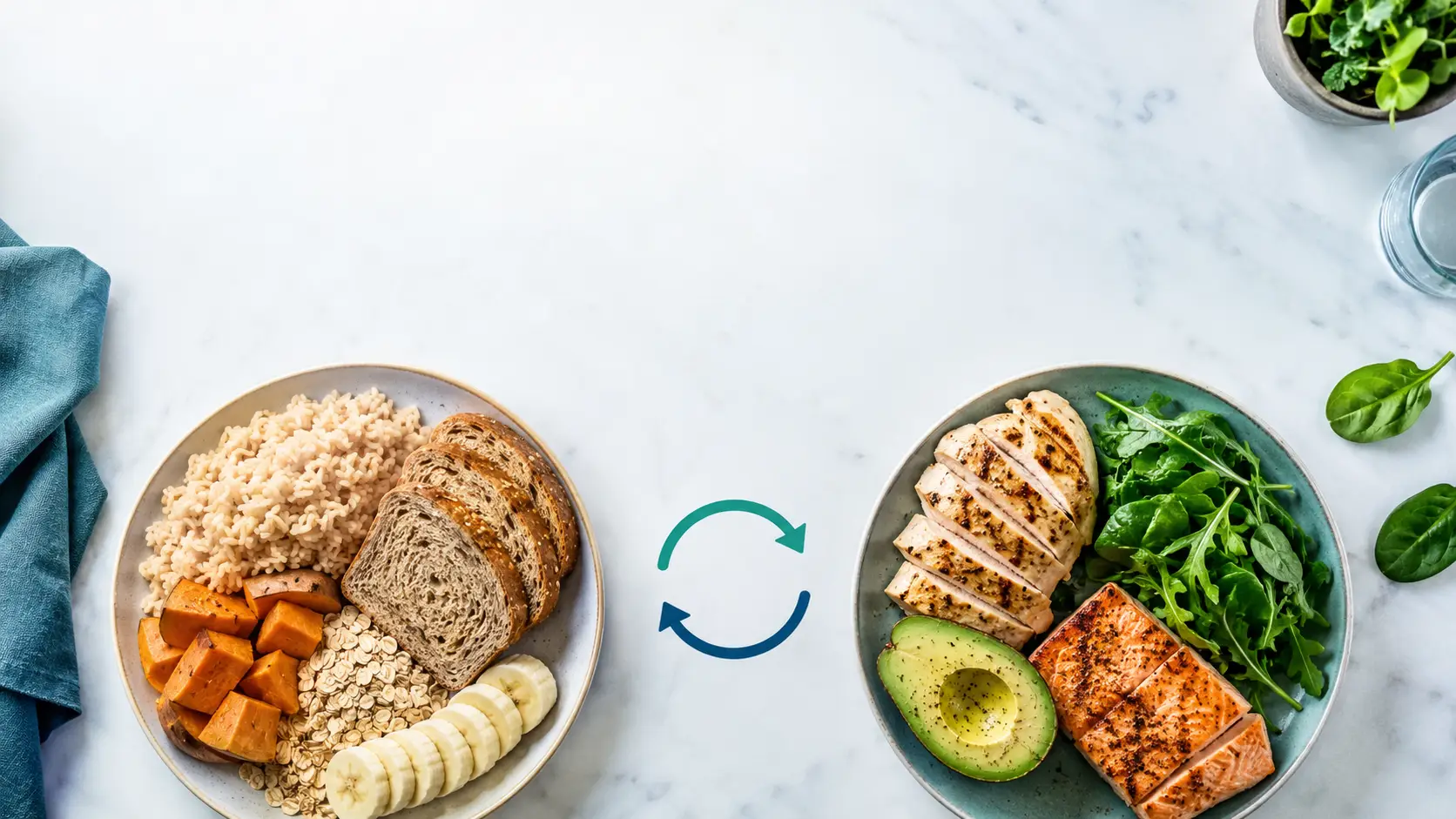
Prioritize protein and skin-supporting nutrients
Collagen production depends on adequate protein intake, plus specific nutrients:
- Protein supplies the amino acids (proline, hydroxyproline, glycine) used to build collagen.
- Vitamin C is required for collagen synthesis and helps protect against sun damage.
- Omega-3 fatty acids (fatty fish, walnuts, flaxseed, chia) may support skin elasticity.
- Zinc and vitamin E also play supporting roles in skin repair.
A registered dietitian can help you figure out how much protein you personally need, especially if appetite is suppressed by a GLP-1 medication or post-surgical recovery.
Stay consistently hydrated
Well-hydrated skin tends to look and function better, and some research links higher daily water intake to measurable improvements in skin hydration. Consistency matters more than any single day’s intake.
Consider a collagen supplement — with realistic expectations
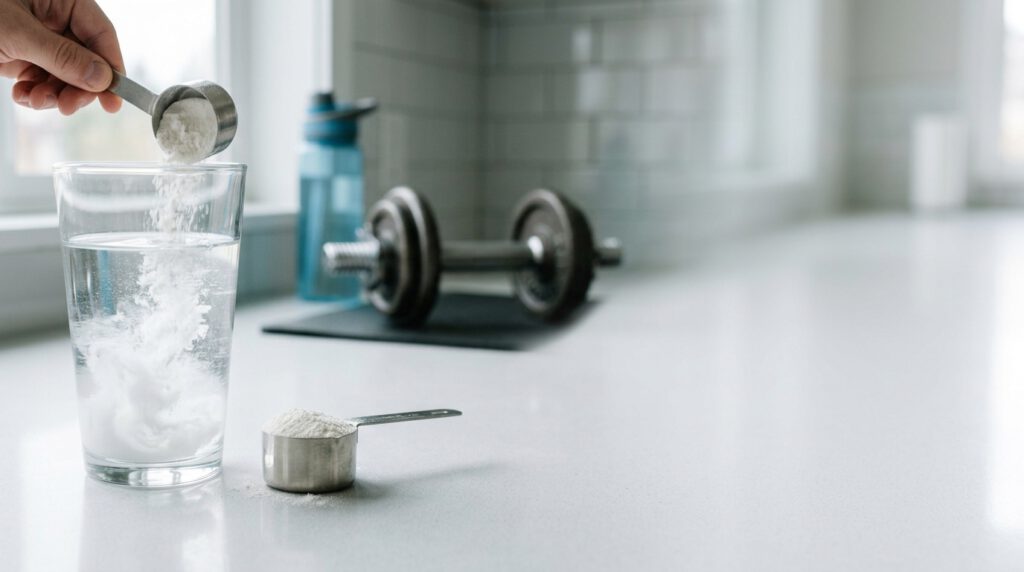
Small studies suggest hydrolyzed collagen (collagen peptides) taken over 8–12 weeks may modestly improve skin elasticity and hydration, particularly when combined with vitamin C, zinc, and biotin. It hasn’t been specifically studied in people with major weight-loss-related skin laxity, so think of it as a possible supporting habit, not a fix on its own.
Protect your skin from the sun and avoid smoking
Both chronic UV exposure and smoking actively break down existing collagen. Daily sunscreen and quitting smoking won’t reverse existing sagging, but they prevent the problem from getting worse while your skin is trying to adapt.
Try compression garments for comfort
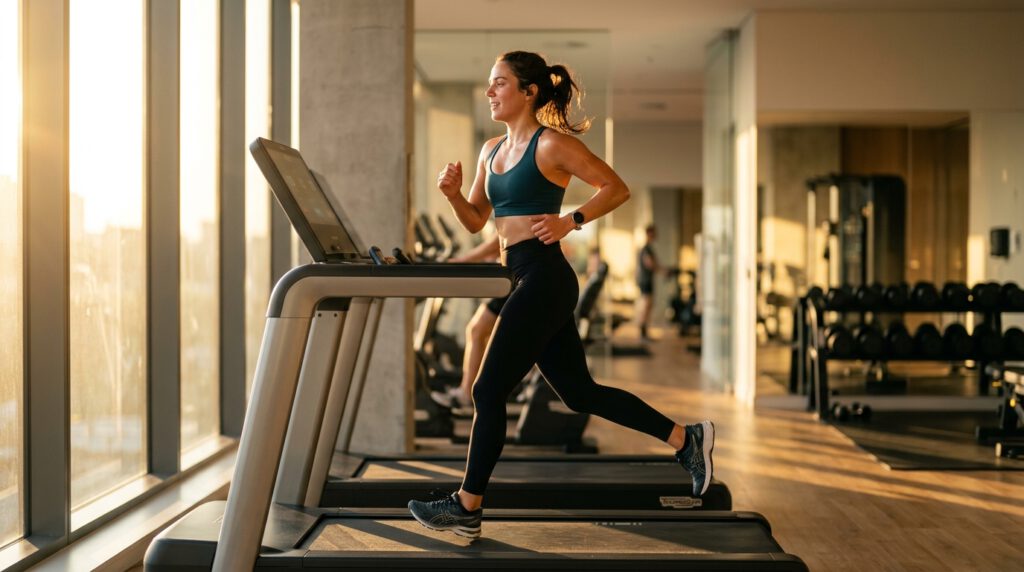
Light compression wear won’t permanently tighten skin, but many people find it reduces the physical sensation of looseness, improves how clothing fits during the transition, and makes it more comfortable to stay active — which matters, since staying active supports the whole process.
Explore non-surgical skin-tightening treatments
For mild to moderate laxity, in-office procedures can improve firmness and texture without downtime or surgery. Most of the research behind these is based on age-related skin laxity rather than major-weight-loss skin specifically, so results tend to be modest — but they’re a reasonable middle ground:
| Treatment | How it works | What to expect |
|---|---|---|
| Radiofrequency (e.g., Thermage) | Heat stimulates collagen production | 1 session or a short series; no downtime |
| Ultrasound (e.g., Ultherapy) | Focused energy tightens deeper skin layers | ~1 hour per session; results over a few months |
| Microneedling with RF (e.g., Morpheus8) | Needles + heat trigger collagen remodeling | Series of sessions spaced weeks apart |
| Subdermal RF (e.g., BodyTite) | Heats tissue from beneath the skin via a small probe | 1–3 hour procedure; 1–2 weeks of swelling/bruising; gradual results over months |
| Collagen-stimulating injections (e.g., Sculptra, Radiesse) | Signals the body to build new collagen | Often combined with other treatments |
Consider body contouring surgery for significant excess skin
For substantial hanging skin, surgery is the only option that reliably and permanently removes it — no exercise, cream, or device can replicate this. Common procedures include:
- Abdominoplasty (tummy tuck) or panniculectomy — abdomen
- Lower-body lift — abdomen, hips, buttocks, and thighs together
- Brachioplasty (arm lift) — upper arms
- Thigh lift — inner or outer thighs
- Breast lift (mastopexy) — breasts
Surgeons typically recommend waiting until your weight has been stable for at least six months before scheduling body contouring, since further weight changes afterward can affect results. Multiple procedures are often staged over time rather than done all at once, and recovery can take several weeks per procedure.
A note on insurance and cost: Insurance almost never covers procedures viewed as purely cosmetic, like a standard tummy tuck or arm lift. However, a panniculectomy — which removes the hanging apron of skin and fat from the lower abdomen without the muscle-tightening or cosmetic contouring of a tummy tuck — can sometimes be covered when it’s medically necessary, such as when skin folds cause chronic rashes, infections, or hygiene problems that haven’t responded to several months of medical treatment. Coverage criteria vary a lot by insurer, and even with approval, patients typically still owe out-of-pocket costs in the low thousands of dollars for deductibles and coinsurance. Some patients combine an insurance-covered panniculectomy with a self-pay upgrade to a full tummy tuck performed in the same surgery. If cost is a concern, ask your surgeon’s office to help document medical necessity and check your specific policy before assuming either way.
What You CAN’T Do About Loose Skin
To avoid wasting money and getting discouraged, it helps to know the limits, too:
- Firming creams and lotions can’t fix it. Topical products can’t rebuild elastin fibers or reach the deeper skin damage responsible for significant sagging. They may improve surface texture and hydration, but that’s not the same as tightening loose skin.
- There’s no fast fix. Skin remodeling — even the mild, natural kind — takes months, not days or weeks. Be skeptical of any product or device promising visible tightening in days.
- Significant sagging won’t resolve on its own. Mild-to-moderate looseness may improve gradually over 6 months to 2 years as skin slowly retracts. But once skin has been stretched enough to hang, no amount of time, exercise, or supplement will fully reverse that without medical intervention.
- You can’t “spot-treat” it away. Just as you can’t target fat loss to one area, you can’t selectively firm one area of skin through diet or exercise alone — muscle building underneath can help the appearance, but it’s not the same as the skin itself tightening.
How Long Does It Take for Loose Skin to Improve?
For people with mild to moderate looseness, some natural tightening typically continues for up to two years after reaching a stable weight, influenced heavily by age, genetics, and how much weight was lost. If you don’t see meaningful improvement within that window, it’s a reasonable signal that the remaining skin likely won’t resolve without treatment.
When to See a Doctor
Reach out to a healthcare provider if you notice:
- Persistent rashes, sores, or infections in skin folds
- Skin that’s interfering with mobility, exercise, or daily hygiene
- Significant distress about your appearance that’s affecting your quality of life
A doctor or dermatologist can help determine whether your situation may qualify as medically necessary for treatment, and can refer you to a plastic surgeon or dermatologist as appropriate.

Frequently Asked Questions
Can loose skin tighten back up on its own?
Some improvement is possible, especially with mild to moderate looseness, over roughly 6 months to 2 years. But significant sagging from major weight loss usually won’t fully resolve without medical treatment.
Does drinking more water actually help loose skin?
Staying hydrated supports overall skin health and may modestly improve hydration and appearance, but it won’t reverse structural collagen and elastin damage on its own.
Is loose skin after weight loss a sign I did something wrong?
No. It’s a normal physiological response to how skin adapts (or doesn’t fully adapt) to major changes in body size — not a reflection of your effort or health.
Do GLP-1 medications cause more loose skin than diet-based weight loss?
Not necessarily more overall, but the speed of weight loss on these medications can outpace the skin’s ability to remodel, which is why facial and body skin changes get noticed more quickly. Slower titration, strength training, and adequate protein may help reduce the effect.
Will insurance cover skin removal surgery?
Sometimes, but only for procedures considered medically necessary — most commonly a panniculectomy for chronic skin infections or hygiene issues. Purely cosmetic procedures like a standard tummy tuck or arm lift are almost never covered.
The Bottom Line
Loose skin after weight loss is common, normal, and not something to be embarrassed about. For most people, a combination of strength training, adequate protein, and patience will improve how skin looks and feels over time — even if it doesn’t fully disappear. For more significant excess skin, non-surgical treatments can offer modest tightening, while body contouring surgery remains the only reliable way to permanently remove substantial hanging skin. If loose skin is affecting your comfort, health, or confidence, talk with your healthcare provider about which option fits your specific situation.
This article is for informational purposes only and isn’t a substitute for personalized medical advice. Talk with a healthcare provider about your specific situation before starting any treatment.
Stay Informed With the Latest & Most Important News
Previous Post
Next Post








Advertisement