


















Now Reading: GLP-1 Supplements: Do “Natural Ozempic Alternatives” Actually Work?
-
01
GLP-1 Supplements: Do “Natural Ozempic Alternatives” Actually Work?


Type “natural Ozempic alternative” into any search bar and you’ll fall into a rabbit hole of oat drinks, berberine capsules, and viral claims that a spoonful of this or a shake of that can raise your GLP-1 levels by triple digits. It’s an understandable fantasy. Semaglutide (Ozempic, Wegovy) and tirzepatide (Mounjaro, Zepbound) have delivered weight loss results that diet and exercise alone rarely match — but they’re expensive, they require a prescription, and they come with real side effects.
So it’s no surprise that millions of people are asking whether they can get a version of that effect from the supplement aisle instead.
The short answer: not really — but “not really” isn’t the whole story either. Some of these foods and compounds do have a measurable, evidence-backed effect on your body’s own GLP-1 production and appetite signals.
The gap is in magnitude.
Here’s a clear-eyed look at what the science actually supports, what’s marketing hype, and what’s genuinely risky.
Table of contents
- What GLP-1 Is, and Why the Drugs Work So Well
- So, Do Natural GLP-1 Boosters Actually Work?
- The Most-Hyped “Natural Ozempic” Options, Evaluated
- Berberine: “Nature’s Ozempic” — With an Asterisk
- Fiber (and the “Oatzempic” Trend)
- Protein
- The Viral Percentage Claims (900%, 733%, 250%, and So On)
- Herbal Compounds: Ginseng, Bitter Melon, Fenugreek, Glucomannan, Green Tea Extract
- Lifestyle Levers That Aren’t “Supplements” But Belong in This Conversation
- Why the Gap Between Supplements and Prescription Drugs Is So Large
- The Cost Comparison Has Changed in 2026
- Who Might Actually Benefit From “Natural” Approaches
- The Best GLP-1-Support Supplements to Buy (US)
- The Bottom Line
- Frequently Asked Questions
What GLP-1 Is, and Why the Drugs Work So Well
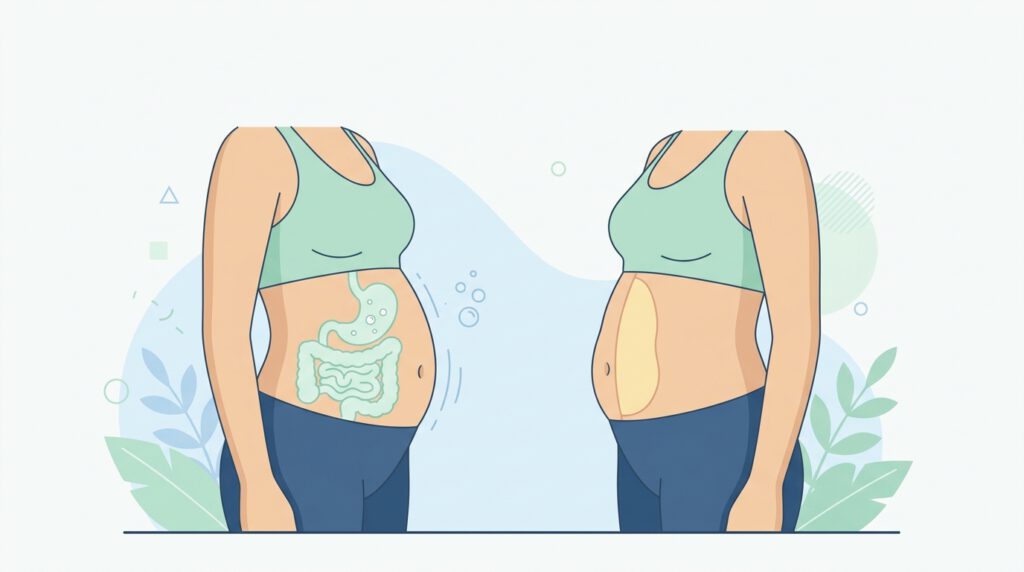
GLP-1 (glucagon-like peptide-1) is a hormone your gut naturally releases after you eat. It tells your pancreas to release insulin, slows down how fast your stomach empties, and signals your brain that you’re full.
Prescription GLP-1 receptor agonists like semaglutide don’t just nudge this system — they flood it. They bind directly and persistently to GLP-1 receptors in the brain and gut, which is why they can produce such a strong and sustained drop in appetite.
Physicians sometimes describe this effect as quieting “food noise” — the constant background chatter of cravings and thoughts about food that many people with obesity or insulin resistance experience. By dialing down that chatter, the drugs make it dramatically easier to eat less without a constant internal fight.
That’s the bar “natural alternatives” are being measured against. It’s a high one.
So, Do Natural GLP-1 Boosters Actually Work?
In a word: mildly.
A number of foods and compounds can stimulate your gut to release somewhat more of your own GLP-1, or slow digestion in a way that mimics part of what the drugs do.
None of them come close to replicating the receptor-level potency of an injectable or oral semaglutide product. Think of it as the difference between opening a window and running the air conditioning — both change the temperature in the room, but not at the same scale.
The Most-Hyped “Natural Ozempic” Options, Evaluated
Berberine: “Nature’s Ozempic” — With an Asterisk
Berberine, a compound found in plants like goldenseal and Oregon grape, has become the poster child of this trend, partly because it also carries the older nickname “nature’s metformin.” It activates an enzyme called AMPK that plays a role in fat burning and blood sugar regulation, and some research suggests it modestly influences gut hormone pathways related to appetite.
The evidence is real but modest. A 2025 pooled analysis of 23 clinical trials found that berberine reduced body weight by less than a kilogram compared with placebo, and a broader review found average reductions in BMI amounting to less than half a point. For comparison, semaglutide typically produces 10–15% body weight loss, and newer combination drugs have pushed past 20% in trials — berberine’s effect is a rounding error by comparison.
It tends to work best in people who already have insulin resistance or elevated blood sugar, rather than producing appetite suppression in people who are otherwise metabolically healthy.
Berberine isn’t risk-free, either. It can cause diarrhea, constipation, and stomach pain, and it can interact dangerously with diabetes medications by pushing blood sugar too low. Anyone on prescription glucose-lowering drugs should talk to a doctor before adding it.
Fiber (and the “Oatzempic” Trend)
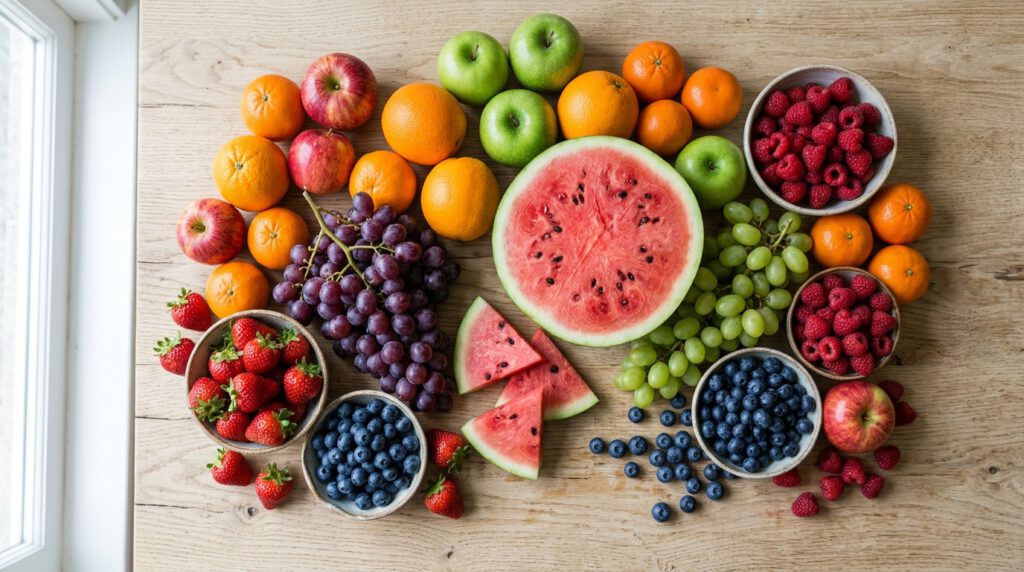
Soluble fiber — found in oats, psyllium husk, legumes, and many fruits and vegetables — genuinely does slow digestion, blunt post-meal blood sugar spikes, and extend feelings of fullness, which loosely mirrors what GLP-1 drugs do to gastric emptying.
That real mechanism is what fueled “Oatzempic,” the viral TikTok drink made from blended oats, water, lime juice, and cinnamon. But dietitians and researchers have been consistent on one point: there is no clinical evidence that this specific drink produces meaningful weight loss beyond what you’d expect from swapping a 140-calorie shake for a higher-calorie meal. Any results people see are mostly explained by an ordinary calorie deficit, not a hormonal effect that rivals medication. Oats themselves are a solid, evidence-backed source of fiber worth keeping in your diet — the viral packaging is the part that oversells it.
Protein
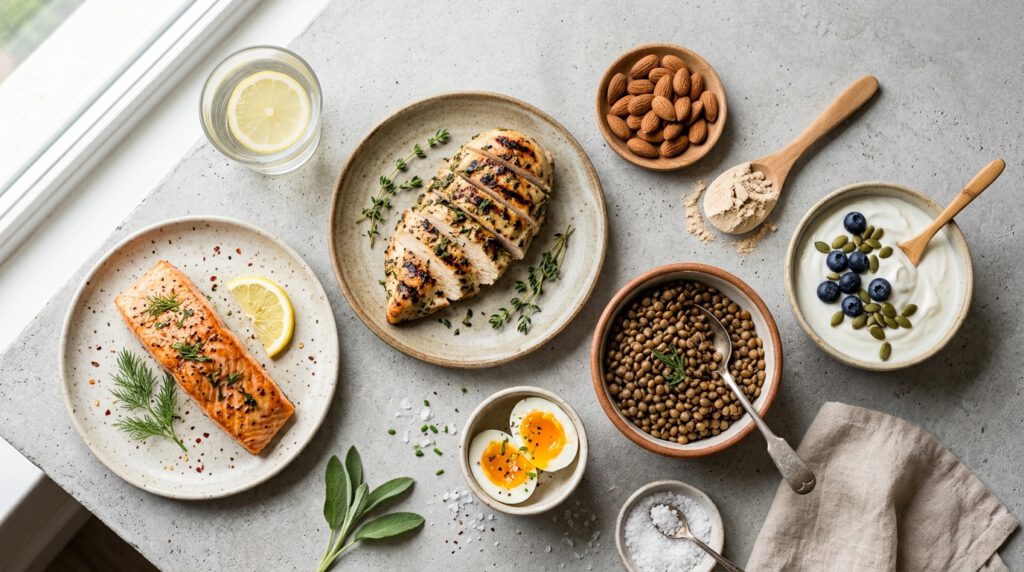
High-protein diets are consistently linked to better appetite control and weight management in research, and protein does trigger some natural GLP-1 release while helping preserve muscle mass during weight loss — something GLP-1 drugs are actually criticized for not doing well enough on their own. Aiming for a protein-forward breakfast (eggs, Greek yogurt, lean meat) is one of the more evidence-backed “natural” strategies on this list, even if it’s not dramatic.
The Viral Percentage Claims (900%, 733%, 250%, and So On)
You’ll see headlines claiming that whey protein with calcium raises GLP-1 by up to 900%, that leafy greens spike it 250% in 30 minutes, or that three hours of weekly exercise boosts it 733% more than being sedentary. These numbers usually trace back to real but narrow studies — typically small trials measuring a short-term hormone blood level spike after a single meal or workout, not sustained weight loss over months.
This is a classic case of a technically true statistic being used to imply something it doesn’t support. A temporary rise in circulating GLP-1 after eating spinach is not the same as the sustained receptor activation that drives Ozempic’s weight loss — and none of these studies show that eating leafy greens produces weight loss anywhere close to what the percentage might suggest. Treat any supplement or article leaning heavily on a single dramatic percentage as a marketing red flag rather than a reason to believe you’ve found a loophole around prescription medication.
Herbal Compounds: Ginseng, Bitter Melon, Fenugreek, Glucomannan, Green Tea Extract
These have longer folk-medicine histories and some early clinical support for modest effects on blood sugar or appetite (glucomannan, a fiber supplement, has some of the better evidence for mild weight loss). But the trials tend to be small, short, and inconsistent, and none have been tested head-to-head against GLP-1 drugs at meaningful scale.
Lifestyle Levers That Aren’t “Supplements” But Belong in This Conversation
Several non-pill strategies show up repeatedly in both the medical literature and clinician interviews as legitimate ways to reduce food noise naturally: eating without extreme restriction, mindful and slower eating, adequate sleep, stress management, regular movement (both structured exercise and everyday activity), and staying hydrated. None of these will replicate a GLP-1 drug’s effect on their own, but stacked together they represent the most evidence-backed “natural alternative” available — because they influence the same hunger and satiety systems the drugs act on, just less forcefully and more slowly.
Why the Gap Between Supplements and Prescription Drugs Is So Large
Three structural reasons explain why no supplement has closed this gap:
- Potency and targeting. Semaglutide and tirzepatide are engineered to bind persistently to GLP-1 (and, in tirzepatide’s case, GIP) receptors in the brain and gut. Food-based compounds trigger a much weaker, shorter-lived version of that same signal.
- Regulation. In the U.S., dietary supplements fall under the Dietary Supplement Health and Education Act, which means manufacturers don’t have to prove safety or effectiveness to the FDA before selling a product. The FDA can only act after a product is already on the market.
- Contamination risk. This regulatory gap has real consequences. FDA testing has repeatedly found weight-loss supplements secretly spiked with sibutramine — a stimulant pulled from the market in 2010 over heart attack and stroke risk — along with other undeclared prescription drugs. One analysis found roughly a third of all “tainted” supplements identified by the FDA were marketed for weight loss. The FDA has also sent warning letters to companies, including a major telehealth brand, for misleadingly implying their compounded semaglutide products were equivalent to FDA-approved medications.
None of this means every supplement is dangerous — but it does mean “natural” and “OTC” are not synonyms for “regulated” or “safe.”
The Cost Comparison Has Changed in 2026
Cost has traditionally been the biggest argument for skipping prescription GLP-1 drugs. That calculation is shifting. Novo Nordisk’s oral Wegovy pill — the first FDA-approved oral GLP-1 for weight management, launched nationwide in January 2026 — is available to self-pay patients starting around $149 a month, with insured patients often paying far less. In its pivotal trial, patients who stayed on treatment lost close to 17% of their body weight on average, versus about 3% on placebo. That’s still a meaningful monthly cost compared with a bottle of berberine, but it’s a much smaller gap than the roughly $1,000+ a month some injectable GLP-1 drugs have carried without insurance or discount programs.
In other words: for people who are genuine candidates for medical weight loss, the financial case for skipping the real drug in favor of a supplement is weaker than it used to be.
Who Might Actually Benefit From “Natural” Approaches
Natural GLP-1 support makes the most sense for people who:
- Have mild insulin resistance or prediabetes and want to support metabolic health, not achieve dramatic weight loss
- Aren’t candidates for or don’t want prescription medication, and are working with a dietitian or doctor on a sustainable plan
- Want to complement lifestyle changes (protein intake, fiber, sleep, exercise) rather than replace medical treatment
- Are using these strategies to maintain results after finishing a course of prescription medication, since research shows a majority of lost weight often returns within a year of stopping GLP-1 drugs without ongoing support
They make less sense as a substitute for someone with obesity-related health complications who would clinically benefit from prescription treatment.
The Best GLP-1-Support Supplements to Buy (US)
If you’ve decided — ideally after talking to a doctor or dietitian — that you want to try a natural GLP-1-support supplement, product quality varies enormously in this category. Here’s how to shop by ingredient, with well-established, widely available brands rather than the unregulated “10-in-1 GLP-1 miracle blend” products that dominate search results.
Berberine
Look for a standalone berberine HCl product with a clearly stated 500mg dose, taken 2–3 times daily (most trials use 900mg–1,500mg/day total). Reputable, widely reviewed options include:
- Thorne Berberine — phytosome-enhanced formula for better absorption; third-party tested
- Nature’s Bounty Berberine 1000mg — a recognizable mainstream brand, easy to find
Fiber (Psyllium Husk)
Psyllium has the strongest, longest-standing evidence of anything on this list for blood sugar and cholesterol support. Options include:
- Metamucil 4-in-1 Psyllium Husk Fiber — the most clinically studied and doctor-recommended psyllium brand, available as powder or capsules
- NOW Foods Psyllium Husk Caps or Powder — no additives, strong reputation, good value
- Konsyl Daily Psyllium Fiber Powder — single-ingredient, pharmaceutical-grade, often recommended by gastroenterologists
Glucomannan
Glucomannan has some of the better clinical support among fiber-based “appetite” supplements — look for 1–3g per serving taken with a full glass of water before meals:
- NOW Foods Glucomannan — capsule and powder options, well-reviewed, budget-friendly
- Nutricost Glucomannan 1,800mg — high per-serving dose, gluten-free, GMO-free
A Caution on “All-in-One GLP-1 Support” Blends
Amazon is now flooded with products explicitly marketed as “GLP-1 Support,” often combining berberine, bitter melon, glucomannan, chromium, and a dozen other ingredients in a single capsule.
These are almost entirely a marketing category invented to ride semaglutide’s popularity, not a clinically studied formula.
If you feature these in your content, it’s worth being transparent with readers that a long ingredient list is not the same as clinical evidence, and that single-ingredient, well-dosed products (like the ones above) are generally easier to evaluate and dose safely than proprietary blends.
A note on links: since I can’t browse live Amazon listings directly, swap in your own affiliate links for the specific ASINs/listings above rather than using placeholder URLs — prices, stock, and exact product names shift often enough that you’ll want to verify the current listing before publishing. Also remember the FTC requires a clear affiliate disclosure (e.g., “This post contains affiliate links; we may earn a commission at no cost to you”) near the top of the article or before the first link.
The Bottom Line
Natural “Ozempic alternatives” aren’t a scam across the board, but they aren’t a loophole either. Compounds like berberine and strategies like high-protein, high-fiber eating have genuine, published, modest effects on appetite and metabolic health — genuinely worth incorporating into a healthy routine. What they don’t do is replicate the receptor-level potency of prescription GLP-1 medications, and the viral statistics claiming otherwise are almost always short-term hormone measurements dressed up as weight-loss promises. If you’re evaluating any of these options, the same rule applies across the board: real foods and lifestyle habits are low-risk and worth doing regardless; supplements should be run past a healthcare provider first, both for interactions and because the market is genuinely unregulated for safety.
Frequently Asked Questions
Is there a natural supplement that works like Ozempic?
No single natural supplement replicates Ozempic’s effect. Berberine comes closest in the research literature, but its weight-loss effect (roughly 2–4 lbs on average across trials) is a fraction of semaglutide’s 10–15%.
Is berberine actually “nature’s Ozempic”?
It’s a catchy nickname, not an accurate comparison. Berberine works through different pathways (like AMPK activation) than GLP-1 receptor agonists, and its evidence base is smaller and lower-quality than the trials behind prescription drugs.
Does oatzempic really work for weight loss?
There’s no clinical research showing the oat-lime-cinnamon drink itself causes weight loss. Any results are most likely explained by using it as a lower-calorie meal replacement, not a hormonal effect similar to Ozempic.
Are natural Ozempic alternatives safe?
Whole foods (fiber, protein, leafy greens) are generally safe for most people. Over-the-counter supplements are a different story — the FDA doesn’t review them for safety or effectiveness before sale, and weight-loss supplements are among the categories most frequently found to contain undeclared, potentially dangerous prescription drugs.
Should I try a natural alternative instead of talking to my doctor?
If you’re managing prediabetes or general metabolic health, natural strategies can be a reasonable first step alongside medical guidance. If you have obesity-related health conditions, talk to a healthcare provider about whether prescription treatment is appropriate before relying on supplements alone.
This article is for informational purposes and isn’t a substitute for personalized medical advice. Talk to a healthcare provider before starting any supplement, especially if you take other medications.
Stay Informed With the Latest & Most Important News
Previous Post
Next Post









Advertisement