

























Now Reading: NMN and Longevity Supplements: What the Science Really Says
-
01
NMN and Longevity Supplements: What the Science Really Says



Nicotinamide mononucleotide, better known as NMN, has become one of the most talked-about names in the longevity supplement world.
It’s marketed as a way to raise NAD+ (nicotinamide adenine dinucleotide), a molecule your cells depend on for energy production and DNA repair — and one that steadily declines as you age.
The pitch is simple: restore NAD+, and you may slow down some of the biological wear and tear associated with aging. The reality, as usual with longevity science, is more nuanced.
Here’s what NMN actually is, what the research supports, what it doesn’t (yet), and how to think about it if you’re considering adding it to your routine.
Table of contents
- What Is NMN, and How Does It Relate to NAD+?
- What Animal Studies Show
- What Human Trials Actually Show
- NMN vs. NR: What’s the Difference?
- Is NMN Legal? The FDA Status, Explained
- Dosage and Safety
- The Quality Control Problem
- What Doctors Are Actually Saying in 2026
- Best NMN Supplements to Consider
- Bottom Line
- FAQ
What Is NMN, and How Does It Relate to NAD+?
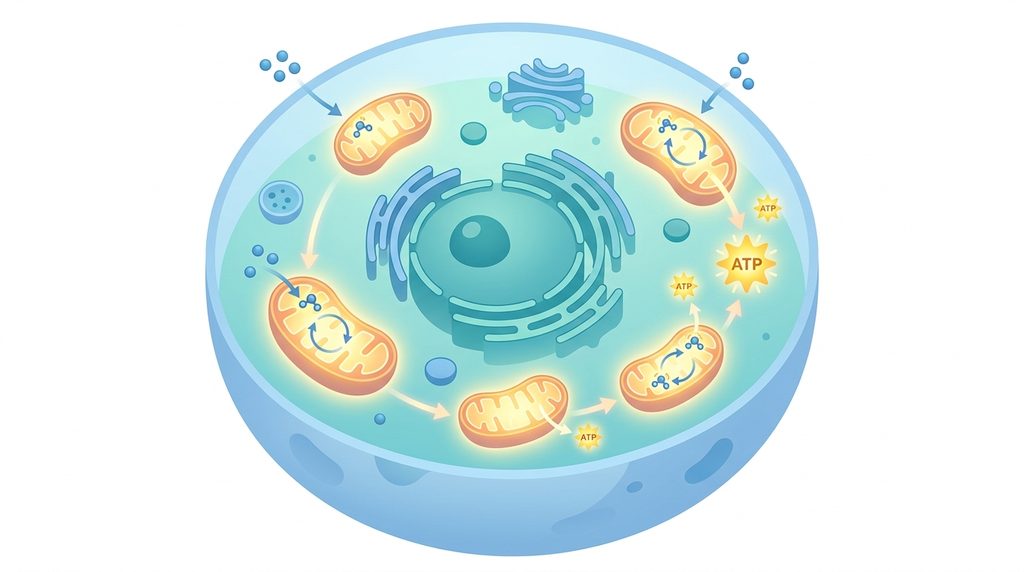
NMN is a nucleotide — a small molecule your body already produces naturally as a building block toward NAD+. Once NMN enters a cell, enzymes convert it into NAD+, which your cells then use to power core processes like:
- Energy metabolism — helping mitochondria convert nutrients into usable cellular energy
- DNA repair — supporting the enzymes that fix everyday genetic damage
- Sirtuin activity — a family of proteins linked to cellular stress resistance and aging regulation
- Cell signaling — communication between and within cells
You can’t simply take NAD+ itself as a supplement and expect the same benefit — NAD+ is too large a molecule to efficiently cross into cells. NMN, being smaller, is absorbed more readily and converted into NAD+ once inside. That’s the core reason NMN (along with a related compound, nicotinamide riboside, or NR) has become the preferred route for boosting NAD+ levels rather than supplementing NAD+ directly.
NMN levels — like NAD+ — decline naturally with age, and research has linked lower NMN/NAD+ levels to several age-related conditions, including type 2 diabetes and liver disease.
What Animal Studies Show
Almost everything exciting about NMN so far comes from mouse studies, and the results are genuinely impressive:
- Improved mitochondrial function and reduced age-related physical decline
- Suppressed weight gain and improved insulin sensitivity
- Enhanced physical endurance and activity levels
- In some trials, measurable lifespan extension
This is where a lot of the “fountain of youth” framing around NMN comes from.
But it’s important to be precise here: these are effects observed in mice, under controlled lab conditions, often at doses that don’t translate directly to humans. Mouse longevity data is a reasonable signal to justify further research — it is not proof of human benefit.
What Human Trials Actually Show
Human research on NMN is real, but it’s still young. As of 2026, there are more than a dozen published human trials, and here’s a fair summary of what they’ve found:
NAD+ levels rise reliably. Multiple trials confirm that oral NMN safely raises blood NAD+ concentrations in humans — this part isn’t in dispute.
Some functional benefits look promising, but are modest.
- A widely cited 2021 trial in postmenopausal women with prediabetes found that 250 mg/day of NMN for 10 weeks improved skeletal muscle insulin sensitivity and signaling (notably, two of the study’s authors hold patents related to NMN use, a conflict worth flagging).
- A dose-ranging trial in middle-aged adults (300, 600, and 900 mg/day for 60 days) found NMN groups performed meaningfully better than placebo on measures like walking speed, with the 900 mg group showing the largest gains.
- Trials in older adults have reported small improvements in muscle function, aerobic capacity, and sleep quality metrics such as time to fall asleep and reduced nighttime waking.
- A trial in amateur runners found aerobic performance benefits were greater at 1,200 mg/day than at 300 mg/day, though no additional benefit was seen between 600 mg and 1,200 mg.
What hasn’t been shown yet:
- No trial has demonstrated NMN extends human lifespan — the longest published trials run around 12 weeks, while lifespan research requires years to decades of follow-up.
- No trial has shown NMN slows biological aging on validated epigenetic clocks (like GrimAge or DunedinPACE).
- No trial has shown NMN reduces the incidence of cancer, cardiovascular disease, or neurodegenerative disease in humans.
- Larger reviews note that biochemical increases in NAD+ don’t always translate into noticeable, real-world functional improvements — the gap between “NAD+ went up” and “you feel or function measurably better” is still being studied.
The honest takeaway: NMN’s human evidence base supports safety and short-term metabolic/functional signals, not longevity claims.
NMN vs. NR: What’s the Difference?
NMN often gets compared to nicotinamide riboside (NR), another NAD+ precursor sold under brands like Tru Niagen. Both raise NAD+ levels in humans, but they take slightly different biochemical routes to get there, and each has trade-offs:
| NMN | NR | |
|---|---|---|
| Human trial history | Newer, growing rapidly | More established, longer track record |
| Insulin sensitivity data | Some positive human data | Limited/mixed; some animal data suggests high doses may worsen insulin resistance |
| Stability | Generally stable | Can be chemically less stable during manufacturing |
| Regulatory status (US) | Reinstated as legal dietary supplement (Sept. 2025) | Long-established as a legal supplement |
| Availability | Growing rapidly since 2025 | Widely available for years |
Neither compound has demonstrated human lifespan extension. If cost and consistent availability matter most to you, NR has a longer commercial track record; if you want the precursor one biochemical step closer to NAD+ with newer clinical interest, NMN is the more actively researched option right now.
Is NMN Legal? The FDA Status, Explained
This is a part of the NMN story that changed significantly in the past year, so it’s worth getting right.
In late 2022, the FDA determined that NMN could not be legally marketed as a dietary supplement in the US, because it had previously been investigated as a drug candidate — triggering a legal provision that excludes ingredients already in drug development from supplement status.
That decision led to years of legal battles, with the Natural Products Association (NPA) filing a lawsuit against the FDA in 2024.
In September 2025, the FDA reversed course. The agency confirmed that NMN is not excluded from the definition of a dietary supplement after all, effectively restoring its legal status. By December 2025, the FDA had sent formal letters to ingredient manufacturers confirming the reversal. As a result, NMN listings — which had been pulled from major retailers including Amazon during the ban — have been reinstated across most US marketplaces since late 2025.
Outside the US, the picture is more fragmented: the EU still requires Novel Food authorization before NMN can be legally marketed as a supplement there, and manufacturing oversight varies significantly by country (most raw NMN is still produced in China).
Dosage and Safety
Based on published human trials:
- Studied dose range: 250 mg to 1,200 mg per day
- Most common effective range in trials: 250–900 mg/day
- Duration studied: Most trials run 8–12 weeks; a few longer trials are now underway, but results aren’t yet published
- Reported side effects: Generally mild and transient — flushing, headache, mild nausea, or gastrointestinal discomfort. No serious safety signals have emerged in short-term human trials, even at the highest tested doses (1,200 mg/day).
- What’s unknown: Long-term safety beyond 12 months, interactions with medications (including blood thinners), and effects in people with chronic illness, pregnancy, or on multiple prescriptions haven’t been studied.
Doctors generally recommend starting low (125–250 mg/day) for a few weeks to assess tolerance before increasing, and involving a physician if you take other medications or have an existing health condition.
The Quality Control Problem
Here’s an issue that matters more than most marketing pages let on: supplement label accuracy is inconsistent across the NMN market. Independent lab analyses — including testing associated with academic groups — have repeatedly found that some commercial NMN products contain significantly less active ingredient than the label claims, and a few contained close to none at all.
Because dietary supplements aren’t required to prove efficacy or even label accuracy before hitting the market, the value of any specific NMN product depends heavily on:
- Third-party testing — independent lab verification (ISO/CLIA-accredited), not just the manufacturer’s own claims
- Published Certificates of Analysis (COAs) — ideally available per batch
- Purity level — reputable products typically test at 98–99%+ purity
- Source transparency — some products use “branded” raw NMN (such as Uthever, the ingredient used in several published clinical trials) as a shorthand for manufacturing consistency
What Doctors Are Actually Saying in 2026
The consensus among physicians covering this space is best described as cautious optimism, not endorsement:
- NMN has a plausible biochemical rationale and a good short-term safety record.
- It is too early to call it a proven longevity intervention.
- Some physicians support low-dose NMN for healthy adults focused on general metabolic support; others prefer to wait for longer-term human data, especially for people with chronic conditions.
- Nearly everyone agrees that lifestyle interventions with far stronger longevity evidence — regular exercise (especially high-intensity training), sleep quality, and diet — should come first, not be replaced by a supplement.
- If you do try NMN, choosing a third-party tested product and discussing it with your doctor is standard advice, particularly if you’re on other medications.
Best NMN Supplements to Consider
If you decide to try NMN, prioritizing brands with independent purity testing and transparent sourcing meaningfully reduces the “empty capsule” risk described above. A few consistently well-regarded options currently available on Amazon:
- Double Wood NMN Supplement, 99% Purity Tested — one of the most established brands in the space, known for publishing independent purity testing and being soy-, gluten-, and GMO-free.
- Nutricost NMN, 500mg — a value-focused option that’s third-party tested through ISO-certified labs, good for anyone wanting a straightforward, no-frills product.
- partiQlar Pure NMN Supplement, 500mg — a single-ingredient formula frequently cited for transparent sourcing and visible lab documentation.
- Browse all NMN options on Amazon — useful if you want to compare current pricing, formats (capsules, powder, sublingual), and combination formulas (e.g., with resveratrol or quercetin) side by side.
Note: Amazon relisted NMN products broadly after the FDA’s September 2025 reversal, but availability and specific listings can still shift — always check current third-party test documentation on the product page before buying, since purity and labeled dose vary meaningfully between sellers.
Bottom Line
NMN is a legitimate area of longevity research with real biochemical rationale and a solid short-term safety profile in humans. What it isn’t — yet — is a proven way to extend human lifespan or prevent age-related disease; that evidence simply doesn’t exist at this point, despite how confidently it’s sometimes marketed.
If you’re considering it: talk to your doctor first (especially if you’re on medications or manage a chronic condition), start at a lower dose, choose a third-party tested product, and think of it as a possible complement to — never a replacement for — the basics that have the strongest longevity evidence of all: exercise, sleep, and diet.
FAQ
Does NMN really work?
It reliably raises NAD+ levels in the body — that part is well established. Whether that translates into meaningful anti-aging benefits in humans is still being studied; current evidence shows modest improvements in some metabolic and functional markers, not proven longevity effects.
Is NMN legal in the US in 2026?
Yes. The FDA reversed its 2022 ban in September 2025, confirming NMN can be legally marketed as a dietary supplement. It’s now widely available again through major retailers, including Amazon.
What’s the best NMN dosage?
Human trials have used 250 mg to 1,200 mg per day, with 250–900 mg being the most commonly studied effective range. Many doctors suggest starting at the lower end and increasing gradually.
Is NMN safe?
Short-term studies (up to 12 weeks) show it’s generally well tolerated, with only mild side effects like flushing or headache reported. Long-term safety data (beyond a year) isn’t yet available.
NMN vs. NR — which is better?
Neither has proven human lifespan benefits. NMN has newer, growing human data with some positive insulin-sensitivity findings; NR has a longer track record and broader availability. The choice often comes down to individual response, budget, and preference.
Related Posts

Stay Informed With the Latest & Most Important News
Previous Post
Next Post










Advertisement