

























Now Reading: Do You Need BCAAs If You’re Already Eating Enough Protein?
-
01
Do You Need BCAAs If You’re Already Eating Enough Protein?



If you’re already hitting your daily protein target, the short answer is no — a separate BCAA (branched-chain amino acid) supplement isn’t necessary for most people. But “usually no” isn’t the whole story, and understanding why will help you decide whether your own routine is one of the exceptions.
Table of contents
What Are BCAAs, Exactly?
BCAAs are three of the nine essential amino acids: leucine, isoleucine, and valine.
They’re called “essential” because your body can’t produce them on its own — they have to come from food. Together, BCAAs make up roughly 14% of the amino acids found in skeletal muscle protein, which is part of why they became such a popular pre- and intra-workout supplement.
Leucine, in particular, is the one that gets the spotlight. It’s the primary trigger for muscle protein synthesis (MPS) — the process that activates the mTOR signaling pathway responsible for building new muscle tissue.
Why BCAAs Are Often Redundant If You Eat Enough Protein
1. Complete Proteins Already Contain BCAAs
A typical scoop of whey protein delivers about 5–6 grams of BCAAs on its own — including enough leucine to activate muscle protein synthesis. If your daily protein intake sits in the recommended range for active adults (generally 1.6–2.2 g per kg of body weight), you’re already getting a substantial BCAA dose from whole foods and/or protein powder, without buying a second product.
2. BCAAs Alone Can’t Finish the Job
This is the part most marketing leaves out: leucine can start muscle protein synthesis, but starting it isn’t the same as sustaining it. Full muscle repair requires all nine essential amino acids, not just three. BCAA-only supplements are missing six of them. Research has consistently shown that a standalone BCAA dose produces a smaller, less complete MPS response than an equivalent dose of a complete protein like whey — largely because there aren’t enough “raw materials” (the other EAAs) available to actually rebuild the muscle tissue once synthesis is triggered.
3. The Evidence Is More Mixed Than Supplement Marketing Suggests
A 2024 review in Nutrition Research Reviews looked specifically at how BCAAs affect muscle protein synthesis and breakdown, and the picture is nuanced: early human studies found BCAAs reduced whole-body protein breakdown but did not meaningfully stimulate new muscle protein synthesis on their own — while more recent work suggests BCAAs can modestly raise MPS at rest and after resistance training. In other words, researchers themselves are still refining exactly how much benefit BCAAs add on top of an already-adequate diet, and the effect appears small compared to complete protein.
A separate systematic review of BCAA supplementation during exercise found genuinely mixed results across studies, with average doses around 19.5 g/day — some trials showed reduced muscle soreness, others showed no meaningful advantage over placebo when protein intake was already sufficient.
Bottom line: if your total daily protein is already covering your needs, adding isolated BCAAs on top is mostly paying extra for amino acids you’re already getting.
When BCAAs Might Actually Help
There are a handful of legitimate scenarios where BCAAs earn a place in your routine:
- Fasted training — If you train first thing in the morning with no food beforehand, a small BCAA or EAA dose can provide amino acids to your bloodstream during the session.
- Calorie-restricted cutting phases — When total energy and protein intake both drop, BCAAs can help offset the reduced availability of dietary amino acids.
- Long endurance sessions (90+ minutes) — Some evidence suggests intra-workout BCAAs modestly reduce markers of muscle soreness during prolonged efforts, though results across studies aren’t fully consistent.
- Meals genuinely low in protein — If a particular day or meal falls short on protein, BCAAs (or better, EAAs) can plug a temporary gap.
- Older adults managing muscle loss (sarcopenia) — Preliminary research, including animal studies, suggests BCAA supplementation may support muscle mass and strength in aging populations with reduced anabolic sensitivity to protein — though this is a developing area and not the same population as healthy, protein-sufficient trainees.
Even in these cases, the research increasingly points toward EAA (essential amino acid) supplements as the better upgrade over plain BCAAs, since they supply all nine building blocks instead of three.
BCAAs vs. EAAs vs. Complete Protein
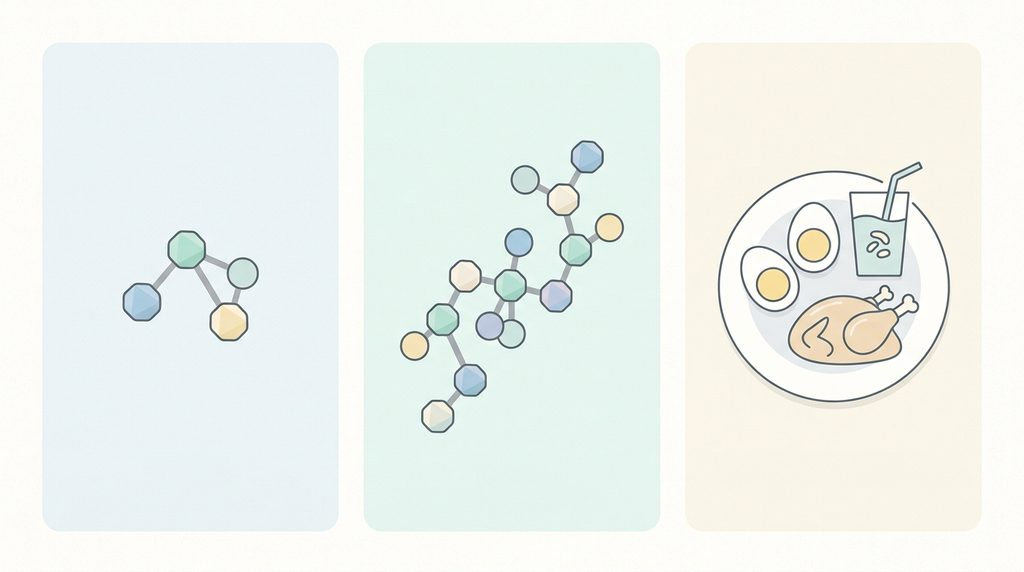
| Supplement | Contains | Best For |
|---|---|---|
| BCAAs | Leucine, isoleucine, valine (3 of 9 EAAs) | Light intra-workout signaling; fasted or endurance sessions |
| EAAs | All 9 essential amino acids | A more complete option when whole food isn’t available |
| Complete Protein (whey, casein, food) | All EAAs + additional nutrients | Best overall choice for daily protein needs and recovery |
Potential Downsides of Stacking BCAAs on Top of Protein
For most healthy adults, taking both isn’t dangerous — but it does have some real drawbacks worth knowing:
- Extra cost for a marginal (or absent) benefit once your protein target is already met
- Possible mild digestive discomfort (bloating, gas) from stacking large amino acid loads
- Surplus amino acids beyond what your muscles need are simply metabolized or excreted, not “banked” for later
- Contaminant exposure risk — some sports supplements, including certain protein and amino acid powders, have tested positive for trace heavy metals like lead and cadmium, so product quality and third-party testing matter if you do supplement
Better Ways to Support Recovery Than Adding BCAAs
If your goal is genuinely faster recovery and better muscle growth, these levers matter more than an extra amino acid supplement:
- Hit your total daily protein target — 1.6–2.2 g/kg body weight, spread across meals
- Get 20–40 g of complete protein within a few hours of training
- Prioritize sleep — 7–9 hours nightly, since most repair happens during sleep
- Stay hydrated — fluid balance affects recovery and performance
- Reserve BCAAs/EAAs for genuine gaps — fasted sessions, long endurance work, or low-protein days
Frequently Asked Questions
Do I need BCAAs if I already eat enough protein?
Usually not. If your daily protein intake is sufficient and comes from complete sources, added BCAAs provide little extra benefit for most people.
Are EAAs better than BCAAs?
Generally yes, because EAAs supply all nine essential amino acids needed for full muscle protein synthesis, not just three.
Can BCAAs replace protein powder?
No. BCAAs are not a complete protein and shouldn’t be used as a substitute for whole protein sources.
Is leucine the most important BCAA?
Leucine is the primary trigger for muscle protein synthesis, but it works best when the other essential amino acids are also available — which is exactly what BCAA-only supplements are missing.
When is it actually worth taking BCAAs?
Fasted training, calorie-restricted cutting phases, very long endurance sessions, or days when a specific meal falls short on protein.
The Bottom Line
If you’re consistently hitting a solid daily protein target from whole foods or a complete protein powder, a separate BCAA supplement isn’t doing much extra work for you — your body is already getting the leucine, isoleucine, and valine it needs, bundled with the other six essential amino acids required to actually finish the muscle-repair process. Save the BCAA tub for the specific situations where it genuinely earns its place: fasted training, long endurance efforts, or cutting phases where protein intake dips.
Related Posts


Stay Informed With the Latest & Most Important News
Previous Post
Next Post










Advertisement