For decades, the fitness world has treated muscle gain and fat loss as two separate seasons: you “bulk” to build muscle, then “cut” to lose fat.
But a growing body of research — and the real-world results of thousands of lifters — shows that it’s possible to do both at once.
This process is known as body recomposition, and understanding how it works can change the way you approach your training and diet for good.
What Is Body Recomposition?
Body composition refers to the ratio of fat mass to fat-free mass (muscle, bone, and water) in your body. Unlike body mass index (BMI), which only accounts for height and weight, body composition gives a far more accurate picture of your health and fitness, because two people with the same weight can look and function completely differently depending on how much of that weight is muscle versus fat.
Body recomposition is the process of changing that ratio — losing fat while simultaneously building or preserving muscle.
Rather than a short-term diet, it’s better described as a lifestyle approach that combines specific training and nutrition strategies to reshape your physique, regardless of whether the number on the scale moves much at all.
Can You Really Build Muscle and Lose Fat at the Same Time?
The short answer is yes — and the science backs it up.
Traditionally, fitness experts believed that gaining muscle requires a calorie surplus, while losing fat requires a calorie deficit, making the two goals mutually exclusive.
But muscle growth isn’t purely a function of extra calories.
Building new muscle tissue is an energy-demanding process, and when training and nutrition are dialed in correctly, the body can pull the energy it needs from stored body fat instead of from a food surplus.
In other words: you can’t break the laws of thermodynamics, but you can teach your body to fund new muscle growth from its existing fat reserves.
This isn’t just theory.
Research published in reviews of resistance-trained populations has documented genuine body recomposition — simultaneous fat loss and muscle gain — across a wide range of groups, including recreational lifters, college athletes, and even experienced bodybuilders, not just beginners as once assumed.
Studies consistently point to two key drivers: progressive resistance training and evidence-based nutrition, particularly higher protein intake.
One controlled trial illustrates this well: men following a high-calorie deficit alongside a high-protein diet and heavy resistance training gained over a kilogram of lean muscle while losing nearly five kilograms of fat in just four weeks.
A comparison group eating a lower-protein diet lost fat too, but failed to build any muscle — highlighting just how central protein and strength training are to making recomposition work.
Who Benefits Most From Body Recomposition?
Body recomposition isn’t equally effective for everyone.
It tends to work best for:
- Beginners who are new to resistance training, since their bodies are highly responsive to new stimulus.
- People returning to the gym after a long break, whose muscles retain some “memory” and rebuild faster.
- Individuals with a higher body fat percentage, who have more stored energy available to fuel muscle growth even while eating at a deficit.
It’s more challenging — though not impossible — for advanced lifters who are already lean and have years of consistent training experience, since their muscle-building potential naturally slows and their fat stores are limited.
How Body Recomposition Works
1. Strength Training Is Non-Negotiable
Cardiovascular exercise supports fat loss and overall health, but strength training is what actually signals your body to build and retain muscle.
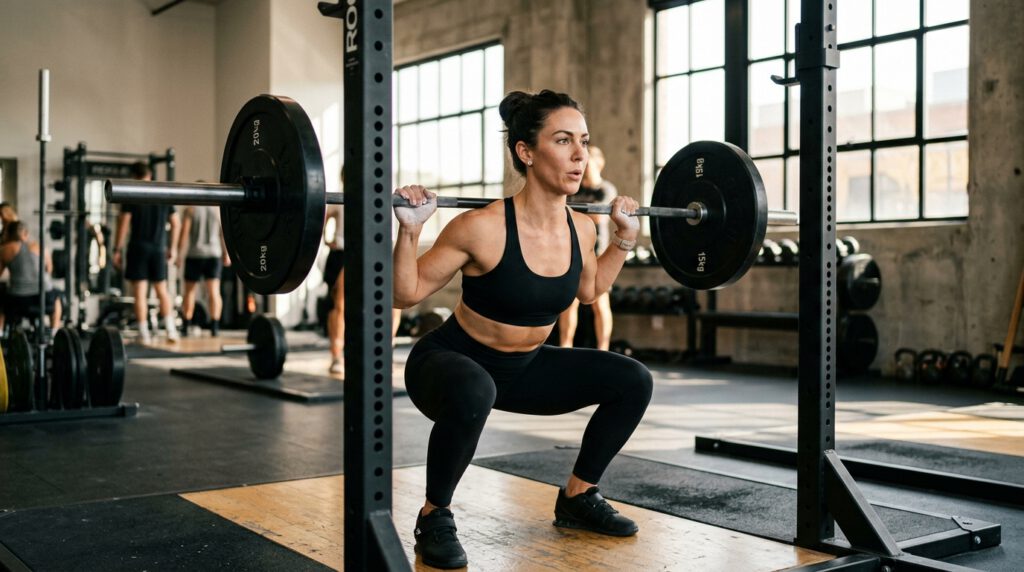
Most experts recommend a minimum of two resistance training sessions per week targeting major muscle groups, with compound movements such as:
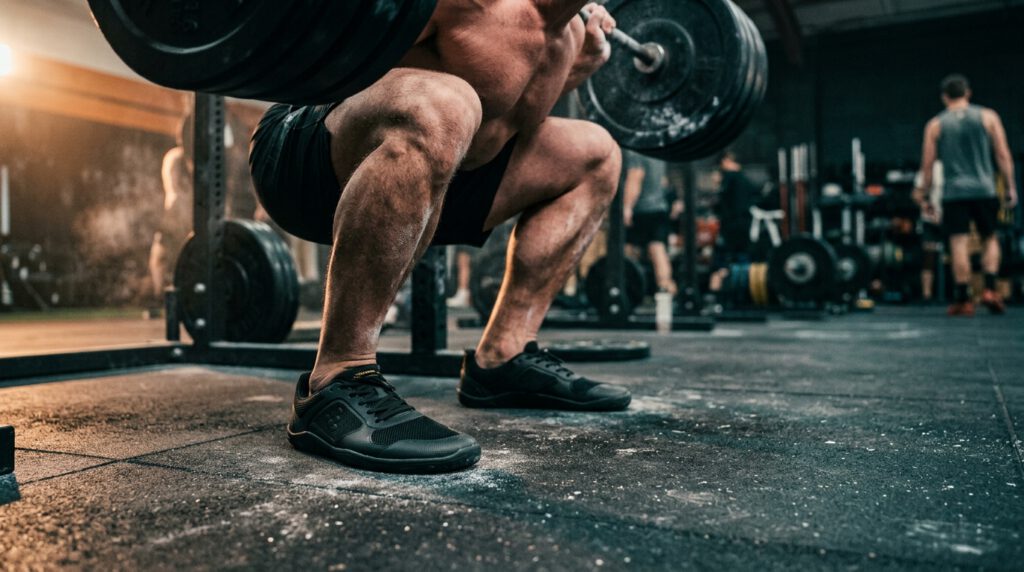
- Squats
- Lunges
- Push-ups
- Stair-climbing or step-ups
To keep progressing safely, increase your training load gradually — aim for no more than about a 10% increase in weight per week.
This allows your body to adapt while minimizing the risk of injury or overtraining.
2. Prioritize Protein Intake
Diet quality is just as important as training.
A high-protein diet helps preserve and build lean muscle mass while supporting fat loss. General recommendations suggest 0.7 to 1 gram of protein per pound of body weight (roughly 1.6–2.2 g/kg), though some research on trained individuals shows benefits at even higher intakes — some studies used upwards of 2.4 g/kg per day for optimal results.
Good protein sources to build your meals around include:
- Chicken breast
- Turkey breast
- Lean beef
- Eggs
- Cottage cheese
- Lentils
Spreading protein evenly across meals throughout the day, rather than loading it into one sitting, appears to support muscle growth more effectively.
3. Manage Your Calories Carefully
Unlike an aggressive weight-loss diet, body recomposition calls for a much more moderate approach to calories.
Eating close to your maintenance level, or in a small deficit of roughly 100–300 calories per day (and generally no more than 500 calories below maintenance), gives your body enough energy to support training and recovery while still encouraging fat loss.
Cutting calories too aggressively or overdoing cardio can backfire, breaking down muscle tissue instead of preserving it — the opposite of what body recomposition is meant to achieve.
4. Don’t Neglect Sleep and Recovery
Muscle isn’t built in the gym — it’s built during recovery.
Adequate sleep supports the hormonal environment needed for muscle repair and growth, while poor sleep can undermine both fat loss and muscle-building efforts, regardless of how well you’re training or eating.
How to Track Progress (Hint: Ditch the Scale)
One of the most common mistakes people make during body recomposition is relying solely on the bathroom scale.
Since you’re losing fat while gaining muscle at the same time, your total body weight may barely change — even as your physique visibly transforms.
Instead, track your progress using:
- Body measurements (waist, hips, arms, thighs)
- Progress photos taken under consistent lighting and conditions
- Strength benchmarks in the gym (are your lifts going up?)
- Body composition assessments, such as DEXA scans, skinfold calipers, or bioelectrical impedance, where accessible
These tools give a far more accurate picture of your results than weight alone.
The Bottom Line
Body recomposition — building muscle and losing fat at the same time — is genuinely achievable, and it’s backed by both scientific research and real-world results.
The formula isn’t complicated: combine consistent strength training, a high-protein diet, a modest calorie deficit (or eating near maintenance), and quality sleep.
It works best for beginners, those returning to training, and people with more body fat to lose, though anyone can benefit from the approach with realistic expectations.
Progress may be slower than a dedicated bulk or cut, and the scale might not move much — but if you focus on strength gains, measurements, and how your body looks and feels rather than a single number, body recomposition offers one of the most sustainable, efficient paths to a leaner, stronger physique.