





















Now Reading: I Worked Out Every Day for 30 Days — Here’s What Actually Changed
-
01
I Worked Out Every Day for 30 Days — Here’s What Actually Changed



Working out every day for a month sounds extreme. And honestly?
The first week, it kind of was.
I didn’t do it chasing a dramatic body transformation or a magazine cover.
I did it because I’d fallen completely off track — sedentary, sluggish, and stuck in a cycle where even getting to the gym felt like a battle. So I set a simple rule: 30 days, no rest days, no excuses.
What followed wasn’t a Hollywood-style glow-up.
It was something more interesting than that.
Table of contents
Why I Started the 30-Day Workout Challenge
After a long stretch of zero exercise — the kind where lying on the sofa starts to feel like a personality — I noticed the usual warning signs creeping in: low energy, broken sleep, irritability, and a confidence that had quietly packed its bags.
I’d been through this before. After a ten-day holiday full of nachos at every meal (yes, including breakfast), I came home bloated and sluggish and craving a reset. That’s when I first tried working out every single day for a month. I loved it so much I’ve come back to the challenge several times since.
This time, I set a few ground rules:
- Never do the same workout two days in a row. No mindlessly zoning out on the elliptical.
- Treat workout clothes as workout clothes. No wearing them while eating on the sofa.
- Make yourself the priority. Before anything else — before emails, before scrolling — show up for yourself first.
What Happens to Your Body When You Work Out Every Day for 30 Days
Before diving into the personal experience, here’s what the science says is actually happening inside your body during a 30-day fitness streak.
🧠 Your Brain Rewires First
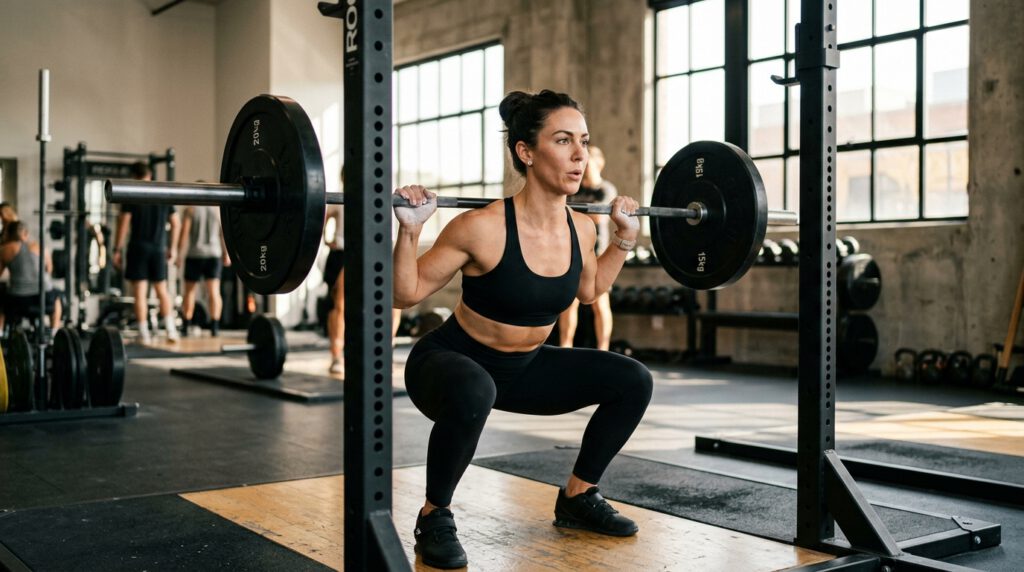
This surprised me most. The majority of strength gains in the first month don’t come from your muscles getting bigger — they come from improved neuromuscular coordination. Your brain gets better at firing the right muscle patterns more efficiently. You feel stronger because your nervous system is learning, not just your body.
On the habit side, research suggests it takes an average of 66 days for a new behavior to become fully automatic. But 30 days is enough to dramatically lower your mental resistance to daily movement. By the end of the month, skipping a workout starts to feel weird.
❤️ Your Heart Gets More Efficient
Consistent daily training strengthens your cardiovascular system — your heart pumps blood more effectively, your blood vessels get better at delivering oxygen, and your VO2 max (your body’s capacity to use oxygen) improves. The real-world effect? Climbing stairs stops winding you. Carrying groceries stops feeling like a workout in itself.
💪 Your Body Composition Shifts — Slowly
Don’t expect dramatic visual changes at the 30-day mark. Significant muscle growth (hypertrophy) takes longer than a month. What you will notice is improved muscle definition, early fat loss, and faster recovery between sessions. Your tendons and connective tissues also start to adapt, making your body more resilient to daily wear-and-tear.
By weeks six to seven, your tolerance for daily activity noticeably improves — but you’ll feel the early signs well before then.
⚖️ Your Hormones and Cravings Shift
This one caught me off guard. Daily exercise naturally helps regulate blood sugar levels, which in turn reduces unnecessary snacking and cravings. On top of that, the daily release of endorphins starts to lower your baseline cortisol (the stress hormone), leaving you sharper, calmer, and in a noticeably better mood.
Week-by-Week: What It Actually Felt Like
Week 1 — It Felt Like a Chore
Honestly? The first week was hard. Not physically — mentally. I kept putting workouts off until 9 pm, dragging myself to the gym like it was a dentist appointment. The hardest part was changing my mindset, not my fitness level.
By day seven, I repeated the same HIIT routine I’d struggled through on day one. I made it through the whole thing. I still wanted to be sick, but I could see progress after just a few days — and that was enough to keep going.
Week 2 — Progress Became the Motivation
Hitting the halfway mark changes something. I started timing my runs and actually looking forward to certain sessions. I balanced gym work with outdoor walks and, surprisingly, started enjoying them both. I stopped thinking of “exercise” as something that only happened inside a building.
Week 3 — It Stopped Being a Workout and Started Being Life
On day 20, a neighbor invited me to join an impromptu volleyball game. I’m terrible at sports. I went anyway. I laughed the entire time. Walking home afterward, it clicked: being active is supposed to be fun. It doesn’t have to involve a gym, a class, or a structured routine. Movement is movement.
Week 4 — The Mentality Had Shifted
By the final week, I was the one suggesting we take bikes instead of taxis on a weekend trip. I was the one getting up early for a long walk before the day started. Not because I felt obligated — but because I genuinely wanted to.

The Results (That Weren’t on the Scale)
I didn’t weigh myself once during these 30 days. The results I noticed had nothing to do with a number:
- Energy levels: Noticeably higher, especially in the mornings.
- Sleep quality: Deeper, more consistent sleep within the first two weeks.
- Mood: Lower anxiety, better focus, more patience.
- Confidence: Not from how I looked — from proving to myself I could show up every single day.
- Fitness baseline: Workouts that had me gasping in week one felt manageable by week four.
The physical changes were real — early muscle definition, reduced bloating, better posture — but they were the side effect, not the story.
Tips If You Want to Try a 30-Day Workout Challenge
You don’t need a gym membership, a personal trainer, or two free hours a day. Here’s what actually helps:
- Variety is non-negotiable. Rotate between cardio, strength, yoga, long walks, classes, and anything that gets you moving. Doing the same thing every day leads to burnout fast.
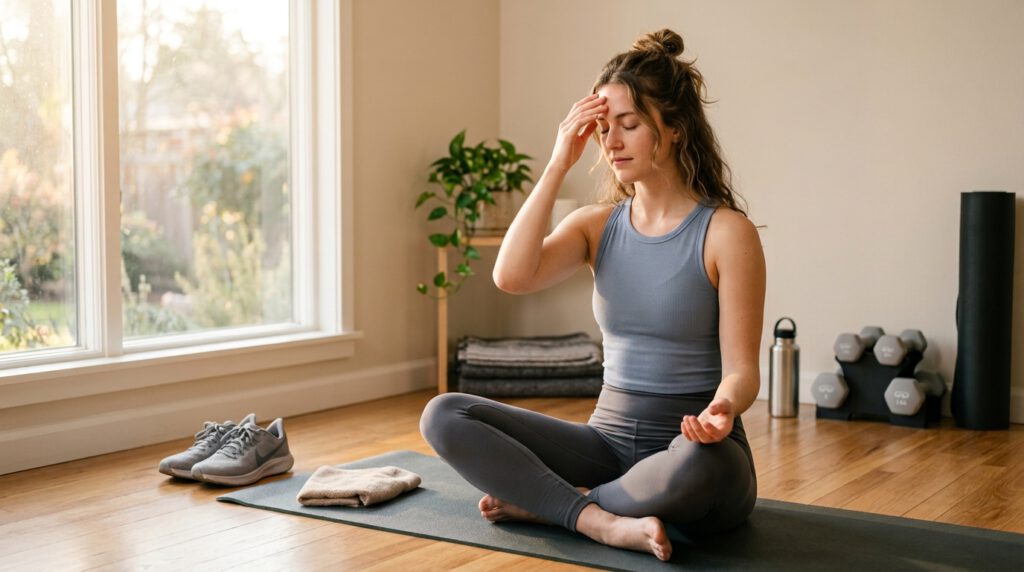
- Lower the bar on hard days. A 20-minute walk counts. A gentle yoga session counts. The goal is consistency, not intensity.
- Put yourself first on your own calendar. Morning workouts remove the risk of the day getting away from you. But any time works — what matters is protecting it.
- Track progress, not perfection. Notice the small wins: the stairs feel easier, the sleep is better, the mood has lifted. These matter more than before-and-after photos.
- Don’t link it to a body goal. “Work out every day for 30 days” is a behavior goal. “Lose 10 lbs” is an outcome goal outside your direct control. The former builds habits; the latter builds frustration.
The Bottom Line
Thirty days of daily workouts won’t transform your body.
But it will transform your relationship with movement — and that’s the part that actually sticks.
By the end of the month, exercise had stopped being something I forced myself to do and started being something I missed when I skipped it. That’s the shift no before-and-after photo can capture.
If you’re on the fence about starting: start. You don’t need to be fit to begin. You just need to begin.
Thinking about starting your own 30-day challenge?
Consider what type of workouts suit your lifestyle — whether that’s walking, gym sessions, yoga, or a mix of everything — and build from there. The best workout is always the one you’ll actually do.
Related Posts



Stay Informed With the Latest & Most Important News
Previous Post
Next Post










Advertisement