
























Now Reading: The Hidden Truth About “Healthy” Sugar Substitutes in 2026
-
01
The Hidden Truth About “Healthy” Sugar Substitutes in 2026


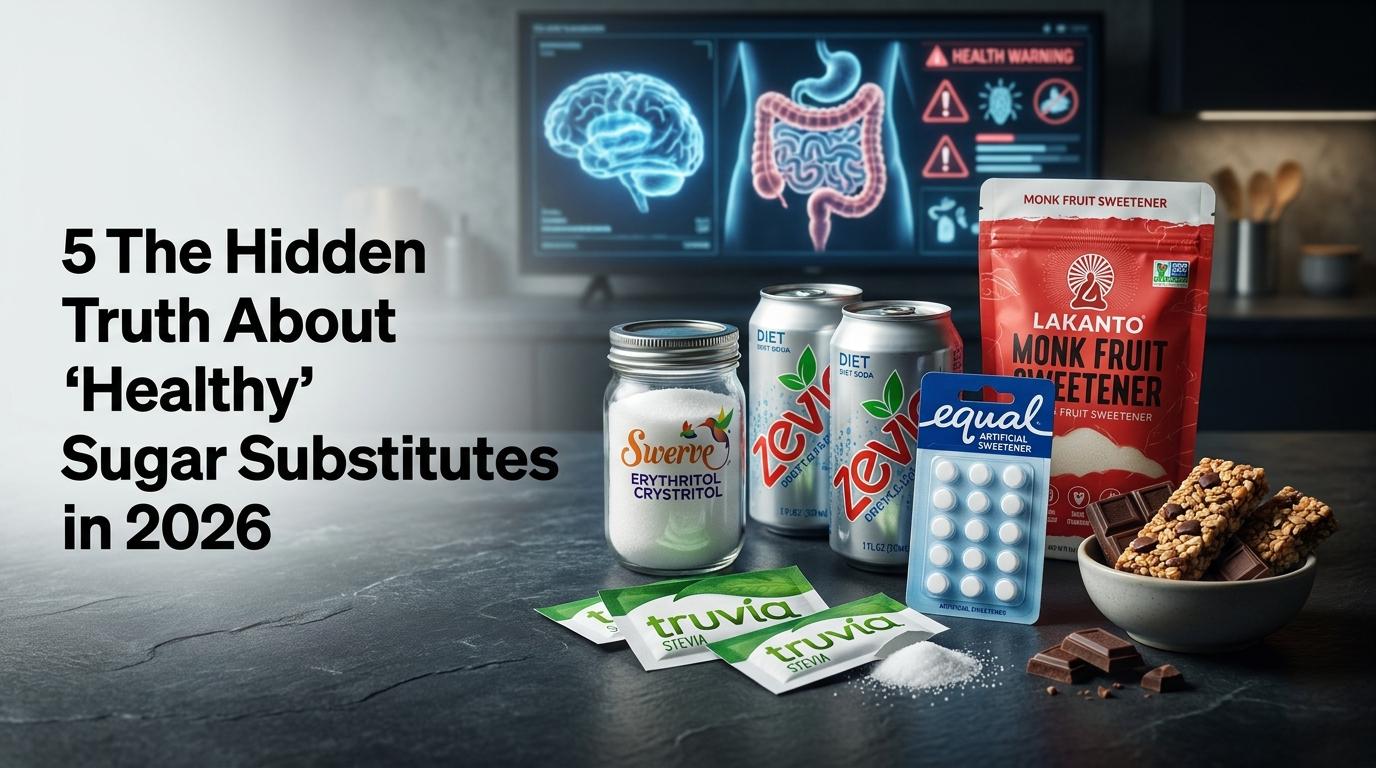
For years, sugar substitutes were marketed as the perfect solution for people trying to lose weight, manage diabetes, or live a healthier lifestyle. From diet sodas to “zero sugar” snacks, artificial sweeteners became a massive part of modern diets.
But in 2026, the conversation has changed dramatically. New studies and updated health guidelines are raising serious concerns about the long-term effects of many popular sugar substitutes — researchers are now linking some artificial sweeteners to cognitive decline, gut microbiome disruption, metabolic disorders, and even increased cardiovascular risk.
Here’s the hidden truth most “healthy” sugar substitute brands don’t tell consumers.
Table of contents
- 1. Artificial Sweeteners May Harm Brain Health
- 2. Sugar Substitutes Don’t Actually Help With Long-Term Weight Loss
- 3. Your Gut Microbiome Could Be Disrupted
- 4. “Zero Sugar” Products Are Often Ultra-Processed
- 5. Even Natural Sweeteners Aren’t Completely Risk-Free
- What Do the 2026 Dietary Guidelines Recommend?
- Are All Sugar Substitutes Bad?
- Final Thoughts
- FAQ
1. Artificial Sweeteners May Harm Brain Health
One of the most alarming discoveries in 2026 comes from a large long-term study published in Neurology, the medical journal of the American Academy of Neurology.
Researchers followed over 12,700 adults in Brazil for approximately eight years and found that higher intake of artificial sweeteners was associated with faster cognitive decline, especially in memory and thinking abilities. The sweeteners linked to these effects included aspartame, saccharin, acesulfame-K, erythritol, xylitol, and sorbitol.
Participants with the highest sweetener intake experienced cognitive decline nearly 62% faster than those with the lowest intake — and the effects appeared even stronger in adults under 60 and in people with diabetes. Experts believe these sweeteners may interfere with neural signaling, metabolic regulation, and gut-brain communication pathways.
Why this matters: Many people consume artificial sweeteners daily without realizing it — they’re commonly found in diet sodas, protein bars, “sugar-free” yogurt, energy drinks, low-calorie desserts, and flavored waters. What was once considered a healthier alternative may actually be contributing to long-term brain aging.
2. Sugar Substitutes Don’t Actually Help With Long-Term Weight Loss
For decades, companies promoted non-sugar sweeteners as weight-loss tools. But updated guidance from the World Health Organization (WHO) now advises against using artificial sweeteners for long-term weight control, and recent reviews suggest they don’t provide sustainable fat loss benefits.
The problem is metabolic confusion. Artificial sweeteners deliver intense sweetness without calories, which may confuse the body’s natural metabolic responses. Researchers suggest this mismatch can increase cravings for sweet foods, disrupt hunger hormones, reduce feelings of fullness, and encourage overeating later. Some studies also show that people who regularly consume diet products tend to compensate by eating more calories elsewhere.
In other words, “zero sugar” doesn’t automatically mean healthy.
3. Your Gut Microbiome Could Be Disrupted
One of the biggest nutrition discoveries of the last decade is just how important gut bacteria are for overall health — and unfortunately, many artificial sweeteners appear to negatively affect the gut microbiome.
Research in 2026 suggests that sweeteners like sucralose, saccharin, and aspartame may alter bacterial composition in the intestines, potentially contributing to insulin resistance, inflammation, metabolic syndrome, blood sugar instability, and increased appetite.
Scientists now believe the gut microbiome plays a major role in how the body processes food, regulates immunity, and controls metabolism — so when that balance is disrupted, the entire metabolic system may suffer.
4. “Zero Sugar” Products Are Often Ultra-Processed
One of the biggest marketing tricks in the food industry is the assumption that “sugar-free” automatically means healthy. In reality, many zero-sugar products are highly processed and packed with artificial flavorings, chemical stabilizers, emulsifiers, preservatives, and fillers — foods that may offer little to no nutritional value while still reinforcing a taste for extreme sweetness.
The hidden psychological effect: experts warn that constant exposure to intense sweetness may prevent people from appreciating the natural sweetness in fruits, whole foods, and natural carbohydrates. That keeps cravings active and makes it harder to build healthier eating habits long-term.
5. Even Natural Sweeteners Aren’t Completely Risk-Free
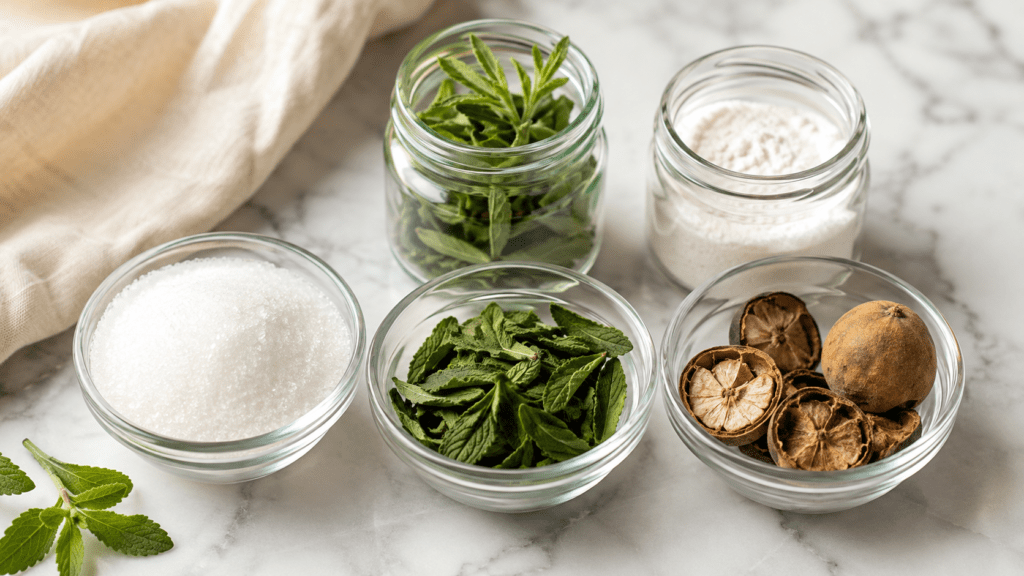
Natural alternatives like stevia and monk fruit are generally considered safer than artificial sweeteners, but nutrition experts in 2026 still recommend moderation.
Sugar alcohols are under scrutiny. Sweeteners like erythritol, xylitol, and sorbitol are commonly marketed as “natural,” but excessive intake may cause bloating, digestive discomfort, gas, and diarrhea. Some newer studies have also linked erythritol to higher risks of heart attack and stroke, though more research is still needed.
The key takeaway: natural doesn’t always mean harmless.
What Do the 2026 Dietary Guidelines Recommend?
The updated 2025–2030 dietary guidelines emphasize reducing overall sweetness dependency, rather than simply replacing sugar with artificial substitutes. Health experts now recommend eating more whole foods, reducing ultra-processed foods, limiting added sugars, avoiding excessive use of non-nutritive sweeteners, and gradually training the palate to prefer less sweetness over time. It’s a real shift from previous years’ nutrition advice.
Are All Sugar Substitutes Bad?
Not necessarily. Some sweeteners may still help people temporarily reduce high sugar intake, especially during a transition away from sugary beverages and desserts. But researchers increasingly agree that long-term dependence on artificial sweeteners may not be the healthy strategy people once believed it was.
The safest approach appears to be gradually lowering your sweetness preference, choosing minimally processed foods, and using sweeteners only occasionally.
Final Thoughts
The hidden truth about “healthy” sugar substitutes in 2026 is that many may not be as harmless as their marketing suggests. While they can reduce sugar intake in the short term, growing evidence links frequent consumption to cognitive decline, gut microbiome disruption, metabolic dysfunction, cardiovascular concerns, and increased cravings.
Instead of replacing sugar with ultra-processed alternatives, experts now encourage focusing on whole foods and retraining the body to rely less on intense sweetness altogether. The future of healthy eating may not be about finding the perfect sugar substitute — it may be about learning to need less sweetness in the first place.
FAQ
Are artificial sweeteners worse than sugar?
Not always, but recent studies suggest some artificial sweeteners may carry long-term health risks, especially with frequent consumption.
Which sugar substitute is considered the safest in 2026?
Stevia and monk fruit are generally viewed as safer options, though moderation is still recommended.
Can artificial sweeteners affect memory?
Recent research published in Neurology linked higher intake of certain sweeteners to faster cognitive decline and memory problems.
Why does the WHO advise against artificial sweeteners for weight loss?
The WHO states that non-sugar sweeteners don’t provide effective long-term weight management benefits and may carry negative metabolic effects.
Are “zero sugar” foods healthy?
Not necessarily. Many zero-sugar products are heavily processed and may contain artificial additives with little nutritional value.
Related Posts
Stay Informed With the Latest & Most Important News
Previous Post
Next Post









Advertisement