




















Now Reading: How Much Protein Do You Really Need Per Day? (Not What Bro-Science Says)
-
01
How Much Protein Do You Really Need Per Day? (Not What Bro-Science Says)


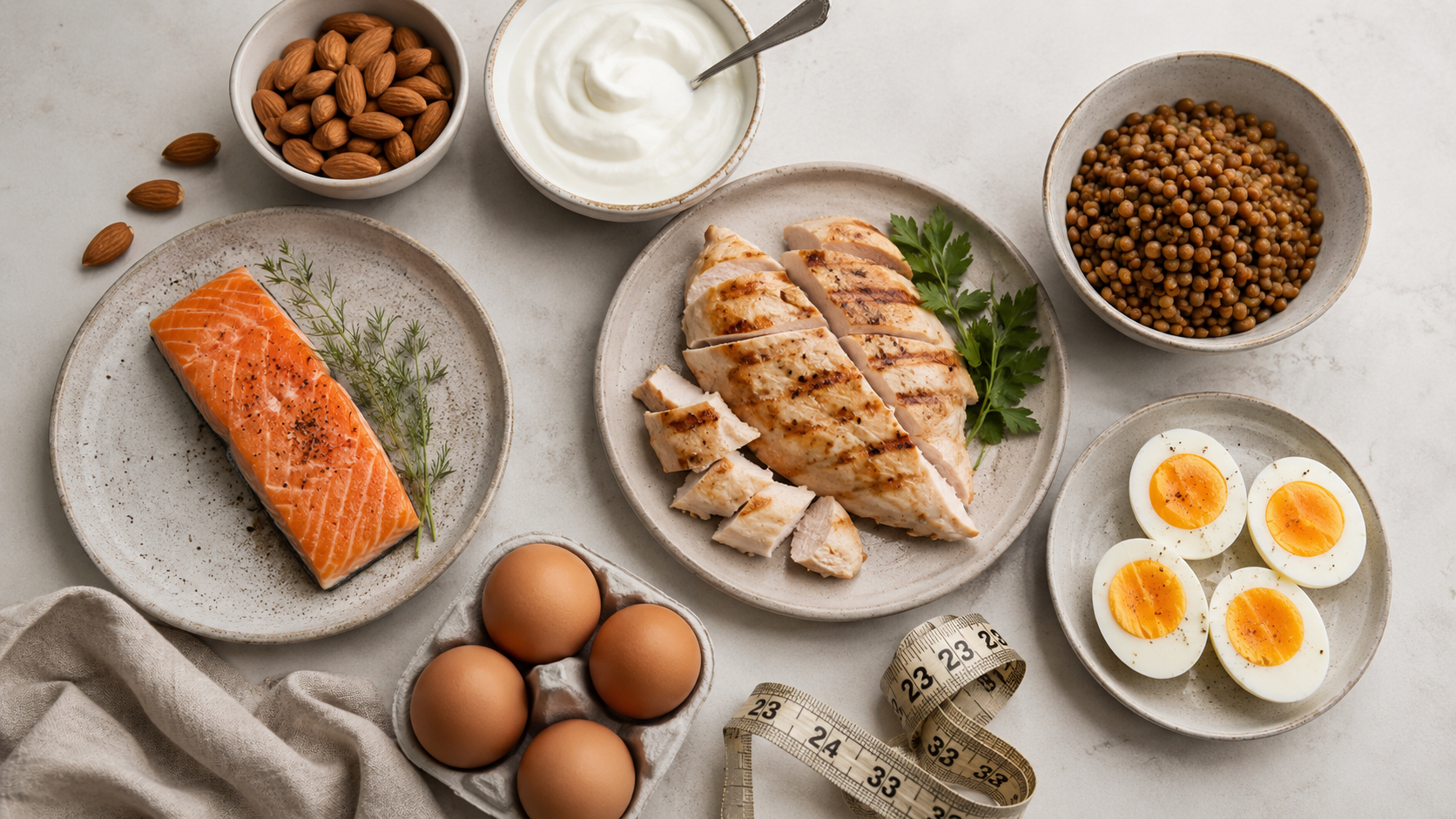
Walk into any gym locker room and you’ll hear the same advice repeated like gospel: “one gram of protein per pound of bodyweight, no exceptions,” or “you need a shake within 30 minutes or your gains are gone.” None of that comes from a lab.
It comes from bro-science — fitness folklore that gets passed down until it sounds like fact.
The real research tells a more useful (and less extreme) story. Here’s what actually determines your daily protein intake, how to calculate your own number, and which popular “rules” you can safely ignore.
Table of contents
The Official Minimum vs. What You Actually Need
The starting point for most protein conversations is the Recommended Dietary Allowance (RDA): 0.8 grams of protein per kilogram of bodyweight, or about 0.36 grams per pound. For a 150-pound adult, that works out to roughly 55 grams a day.
Here’s the part bro-science skips: the RDA isn’t a target. It’s a floor. It was calculated in controlled studies to cover the needs of about 98% of the population, with a built-in safety margin above the bare minimum required to avoid deficiency. Nutrition researchers designed it to keep sedentary adults healthy — not to help anyone build muscle, recover from training, or maintain strength as they age.
So if you’re active, older, or trying to change your body composition, that 55-gram number is almost certainly too low.
How to Calculate Your Daily Protein Needs
Most research-backed recommendations fall somewhere between 0.8 and 2.0 grams per kilogram of bodyweight (roughly 0.36 to 0.9 grams per pound), depending on your goals and lifestyle:
| Group | Grams per kg bodyweight | Example: 150-lb person |
|---|---|---|
| Sedentary adult | 0.8 g/kg | ~55 g/day |
| General health & maintenance | 0.8–1.2 g/kg | ~55–82 g/day |
| Regular exerciser / strength training | 1.4–2.0 g/kg | ~95–135 g/day |
| Adults over 65 | 1.2–1.6 g/kg | ~82–110 g/day |
| Losing weight (preserving muscle) | Up to 2.3 g/kg | ~155 g/day |
Quick formula: Bodyweight in pounds × 0.36 = minimum grams per day. For an active-lifestyle target, multiply your bodyweight in kilograms by 1.4–2.0 instead.
Protein Needs by Activity Level
Sedentary or lightly active adults
If you’re not doing regular resistance training, the standard RDA range (0.8–1.2 g/kg) is generally sufficient. Most people in this category don’t need to think much about hitting a specific gram target — a normal, varied diet usually covers it.
People who strength train regularly
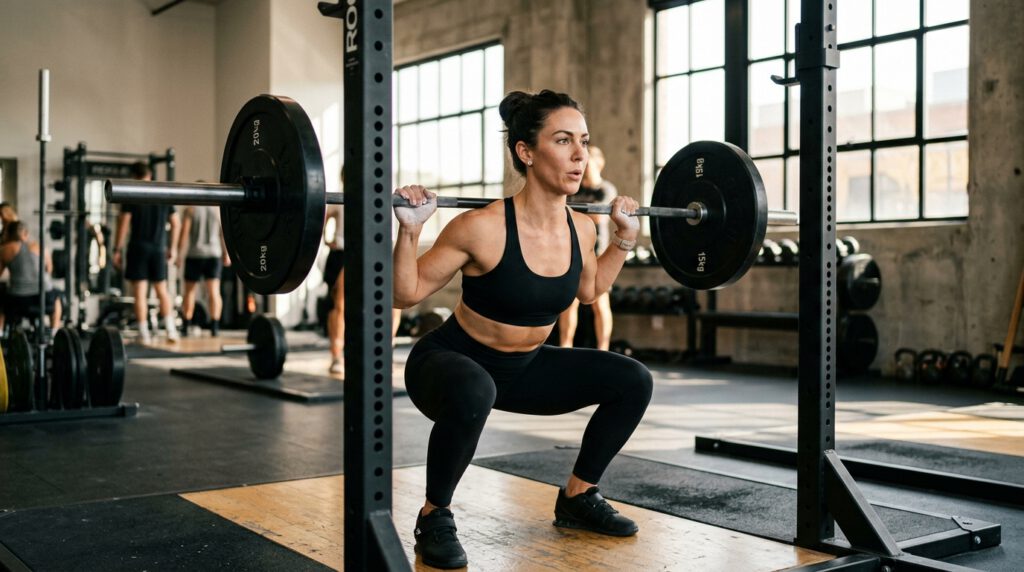
This is where bro-science gets the loudest — and the most wrong. You don’t need 200+ grams a day to build muscle. Research points to a practical ceiling around 1.6–2.0 g/kg (roughly 0.7–0.9 g per pound), beyond which extra protein doesn’t translate into extra muscle, even for people eating in a calorie deficit. More isn’t better past that point — it’s just expensive.
Adults over 65
Muscle loss (sarcopenia) accelerates with age, and older adults tend to need more protein than younger adults to trigger the same amount of muscle protein synthesis. A range of 1.2–1.6 g/kg is commonly recommended, and spreading protein across meals matters more here than it does for younger, active adults.
People trying to lose weight
Cutting calories puts you at risk of losing muscle along with fat. Bumping protein intake up toward 1.6–2.3 g/kg of bodyweight — while keeping resistance training in the mix — helps protect lean mass during a deficit.
Pregnant or breastfeeding
Protein needs rise during pregnancy to support fetal tissue, placental growth, and increased blood supply — commonly cited in the 75–100 grams per day range, though this should be personalized with a doctor or dietitian.
Can You Eat Too Much Protein?
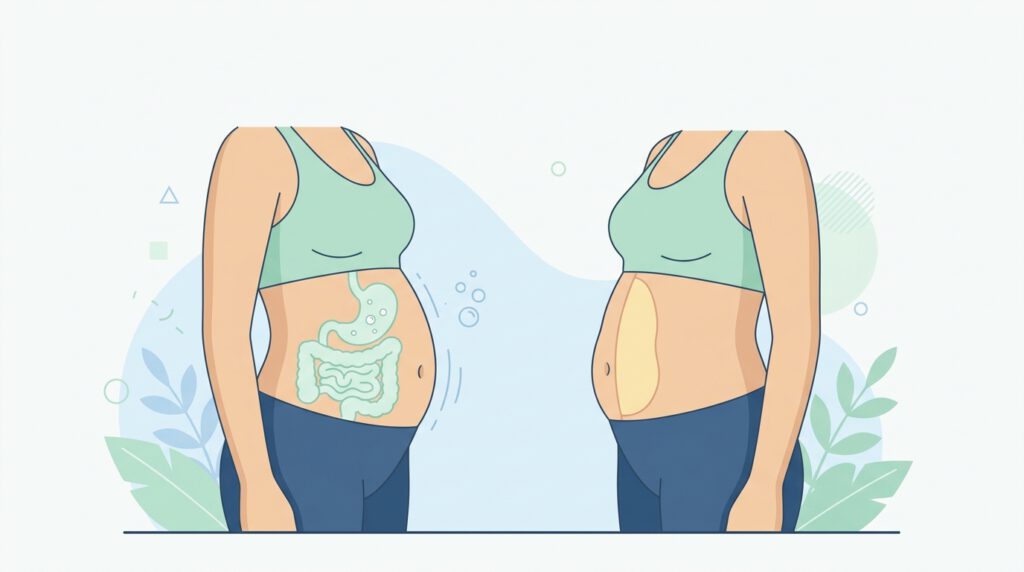
For most healthy people, yes — but the ceiling is higher than you’d think. Intakes up to roughly 2 grams per kilogram of bodyweight are generally considered safe for healthy adults. Problems tend to show up not because protein itself is dangerous, but because of what it displaces: if protein crowds out fiber-rich carbs, fruits, and vegetables, you can end up with digestive issues and nutrient gaps.
People with chronic kidney disease are the exception — their bodies may struggle to process high protein loads, so they typically need lower, medically supervised targets.
One practical note: higher protein intake means your kidneys are filtering more metabolic byproducts, so drink enough water as your intake goes up.
Debunking the Biggest Bro-Science Myths
Myth 1: “You must eat protein every 2–3 hours or you’ll lose muscle”
Studies comparing spread-out protein intake to fewer, larger meals show little practical difference in how the body uses it for muscle building — with one exception: older adults, who may benefit more from evenly distributed protein because they need a larger per-meal dose to trigger muscle protein synthesis.
Myth 2: “You need a protein shake within 30 minutes post-workout or you lose your gains”
The so-called “anabolic window” is real, but it’s far wider than the fitness industry claims — closer to 24 hours than 30 minutes. Eating your normal meals over the course of the day covers it fine.
Myth 3: “Plant protein is incomplete — you have to combine foods to get all the amino acids”
This one refuses to die. Nearly all plant proteins contain all nine essential amino acids; legumes are just slightly lower in one of them. Unless someone is eating an extremely limited diet with barely enough total protein, this “incomplete protein” concern doesn’t hold up in practice. A well-rounded diet — plant or animal-based — supplies what you need without careful food-pairing at every meal.
Myth 4: “More protein always equals more muscle”
Past a certain intake (generally around 1.6–2.0 g/kg for active people), extra protein isn’t wasted for energy — it simply stops providing additional muscle-building benefit. Resistance training, not additional grams of protein, is the bigger driver of muscle growth. Protein supports the process; it doesn’t replace the work.
Good Sources of Protein
| Food | Protein (approx.) |
|---|---|
| 3 oz salmon, tuna, or trout | 21 g |
| 3 oz cooked chicken or turkey | 19 g |
| 6 oz plain Greek yogurt | 17 g |
| ½ cup cottage cheese | 14 g |
| ½ cup cooked beans | 8 g |
| 1 cup milk | 8 g |
| 1 egg | 6 g |
| ¼ cup nuts | 7 g |
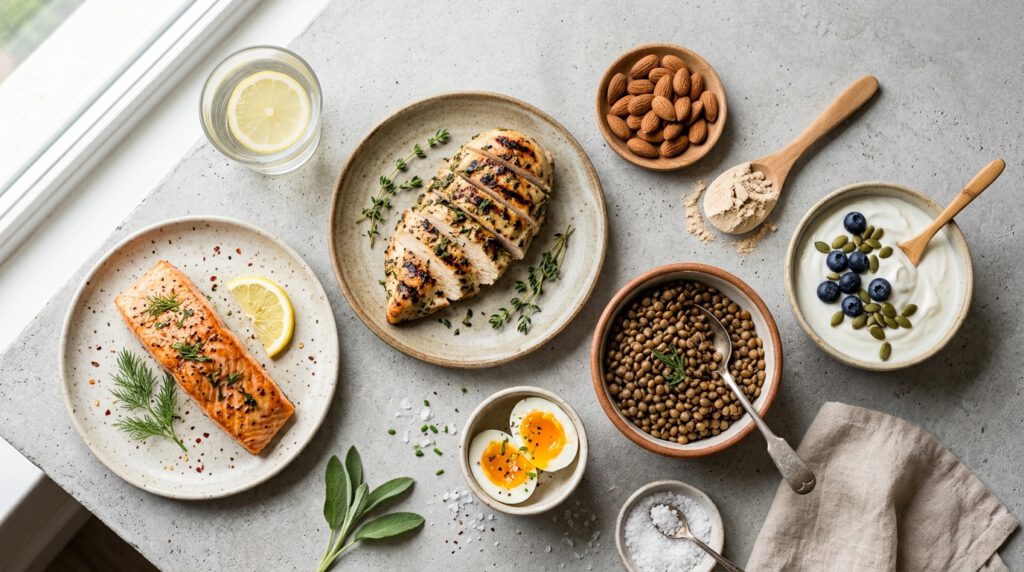
Whole foods should still do most of the work. Protein powders and bars are convenient for busy schedules or higher targets, but a food-first approach tends to deliver more overall nutrition — fiber, healthy fats, vitamins — than relying on supplements alone.
Sample Day Hitting a Moderate Protein Target
- Breakfast: 2 eggs + Greek yogurt (~26–35 g)
- Lunch: 4 oz grilled chicken breast (~28 g)
- Snack: ¼ cup almonds + 1 cup milk (~15 g)
- Dinner: 4 oz salmon + ½ cup lentils (~35 g)
That lands around 105–115 grams for the day — solidly in range for an active adult without a single scoop of powder.
The Bottom Line
Forget the “1 gram per pound, no exceptions” rule and the timing panic around post-workout shakes. The evidence points to a much simpler picture: most adults do well somewhere between 0.8 and 2.0 grams of protein per kilogram of bodyweight, with the higher end reserved for people who train hard, are over 65, or are actively losing weight.
Beyond that range, more protein isn’t harmful for most healthy people — it’s just not doing anything extra for your muscles.
If your goal is body composition or performance, protein matters — but it’s the supporting actor, not the star. Resistance training and overall diet quality do more heavy lifting than any single macronutrient ever will.
Frequently Asked Questions
How much protein do I need per day to build muscle?
Most people trying to build muscle do well with 1.6–2.2 grams of protein per kilogram of bodyweight (about 0.7–1 gram per pound), combined with regular resistance training.
Is 100 grams of protein a day enough?
For many adults, yes — 100 grams covers the higher end of general maintenance needs for someone around 150–170 pounds. Athletes or those in a calorie deficit may need more.
Can too much protein hurt your kidneys?
For people with healthy kidneys, research hasn’t shown high protein intake to cause kidney damage. People with existing kidney disease should follow their doctor’s specific protein guidance.
Do I need a protein shake to hit my daily protein goal?
No. Whole foods like eggs, poultry, fish, dairy, beans, and lentils can cover most people’s needs.
Shakes are a convenience tool, not a requirement.
Related Posts
Stay Informed With the Latest & Most Important News
Previous Post
Next Post









Advertisement