




















Now Reading: How to Lose Weight Without Counting Calories (7 Proven Strategies)
-
01
How to Lose Weight Without Counting Calories (7 Proven Strategies)


If the thought of logging every bite of food into an app makes you want to give up on weight loss before you even start, you’re not alone.
Manual calorie counting is one of the most commonly abandoned diet strategies — it’s tedious, time-consuming, and for many people, it turns eating into a source of stress instead of nourishment.
The good news?
A calorie deficit — eating less energy than your body burns — is still necessary for fat loss, but you don’t need a spreadsheet or an app to get there.
Certain foods and daily habits naturally reduce hunger, curb overeating, and regulate the hormones that control your appetite. In other words, you can create that deficit on autopilot.
Below are seven strategies, backed by research, that can help you lose weight without ever counting a single calorie.
Table of contents
- 1. Make Protein the Star of Every Meal
- 2. Use the Plate Method for Automatic Portion Control
- 3. Choose Foods With Low Calorie Density
- 4. Cut Back on Liquid Calories
- 5. Consider Reducing Refined Carbohydrates
- 6. Prioritize Sleep and Manage Stress
- 7. Practice Mindful, Distraction-Free Eating
- Do You Need to Count Calories to Lose Weight?
- The Bottom Line
1. Make Protein the Star of Every Meal
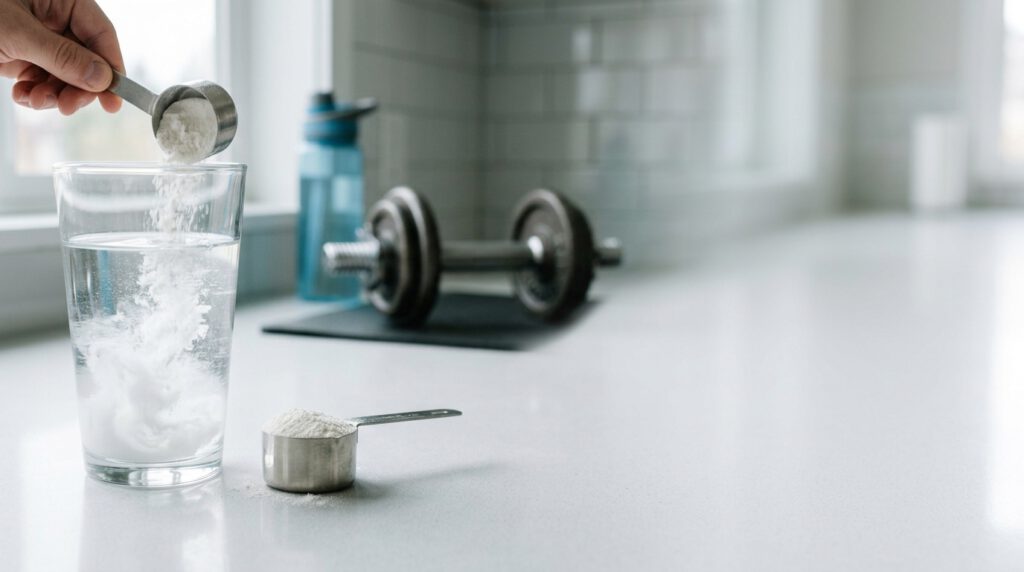
Protein is widely considered the most filling macronutrient.
It slows digestion, boosts levels of hormones that signal fullness, and requires more energy for your body to break down compared to fats or carbohydrates — a phenomenon known as the thermic effect of food.
Research suggests that raising protein intake to around 25–30% of daily calories can naturally reduce total food intake by several hundred calories a day, simply because people feel satisfied sooner and stay full longer.
Some studies have even found that this effect alone can lead to noticeable fat loss over time, without any deliberate portion control.
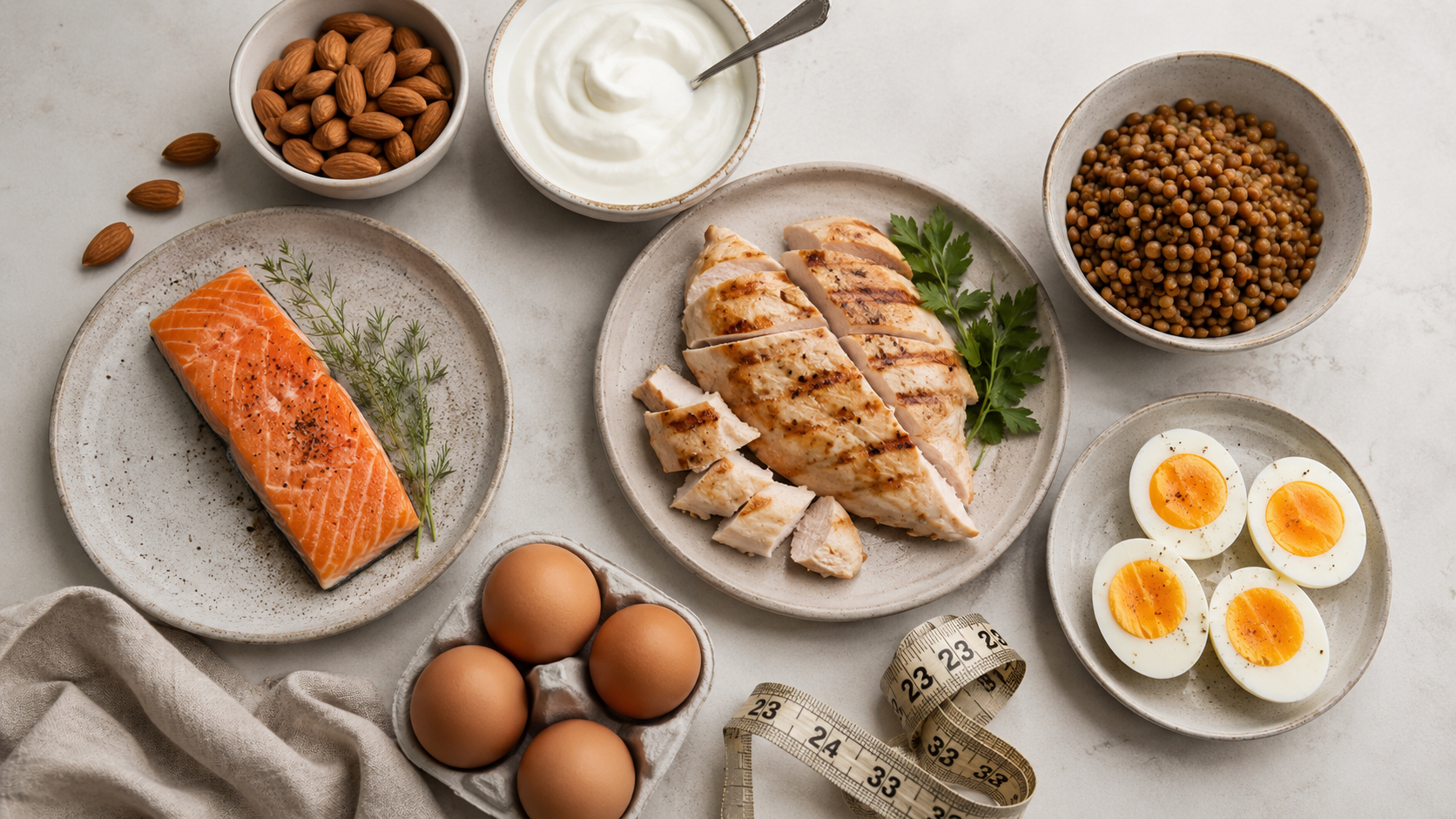
How to apply it: Include a palm-sized source of protein — eggs, Greek yogurt, chicken, fish, tofu, or legumes — at every meal, starting with breakfast. Swapping a sugary cereal or pastry for a protein-rich breakfast is one of the easiest changes to make.
2. Use the Plate Method for Automatic Portion Control
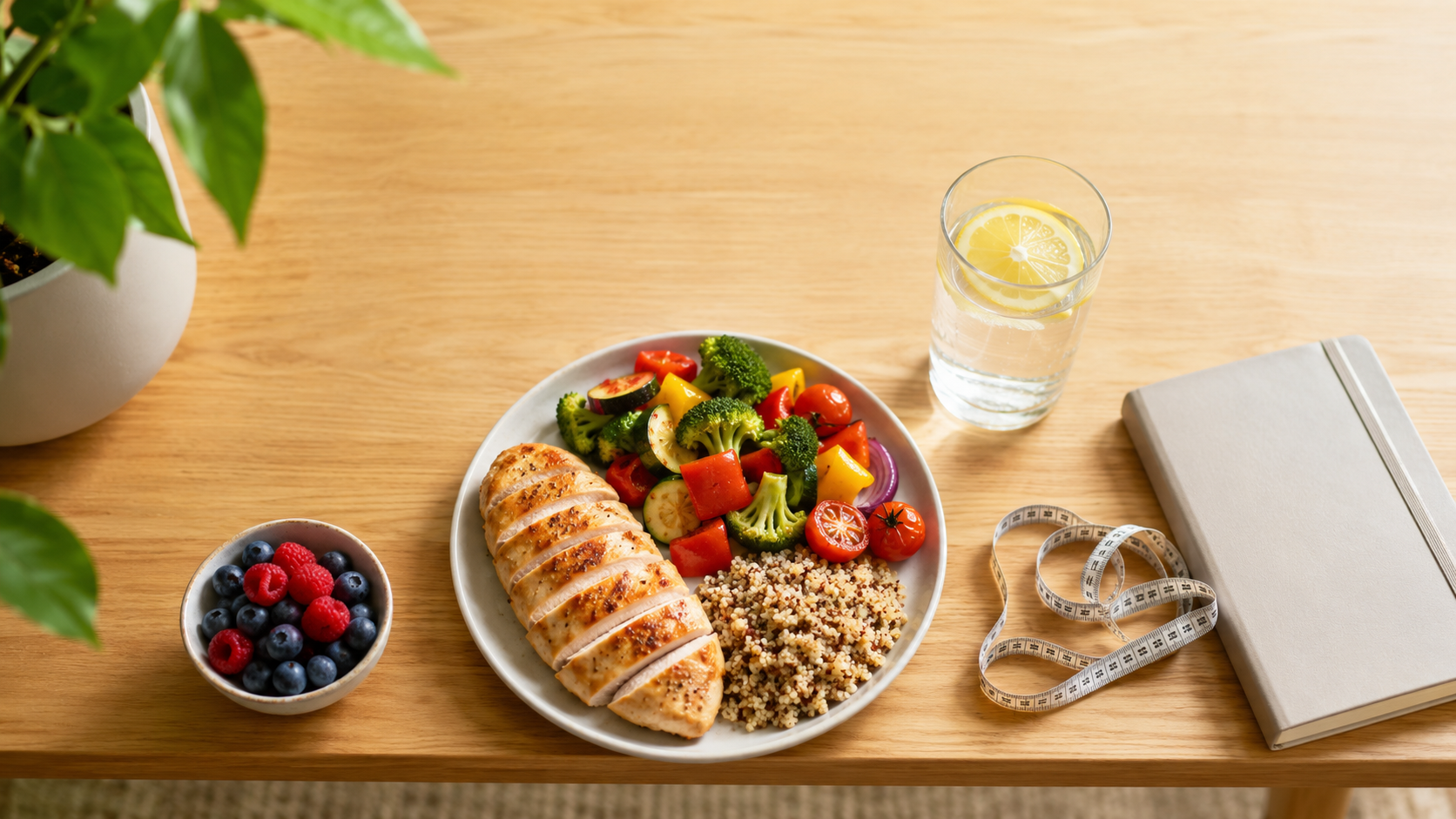
You don’t need measuring cups or a food scale to control portions — you just need a mental template for your plate. The plate method works like this:
- Half your plate: non-starchy vegetables (leafy greens, broccoli, peppers, salad)
- One quarter: lean protein
- One quarter: whole grains or starchy carbs
This approach naturally limits the space available for calorie-dense foods while maximizing the volume of low-calorie, nutrient-rich vegetables.
Because it relies on a visual cue rather than numbers, it tends to be far easier to stick with long-term than strict calorie tracking, and studies comparing the two approaches have found the plate method can produce comparable — sometimes better — results for sustained weight loss.
3. Choose Foods With Low Calorie Density
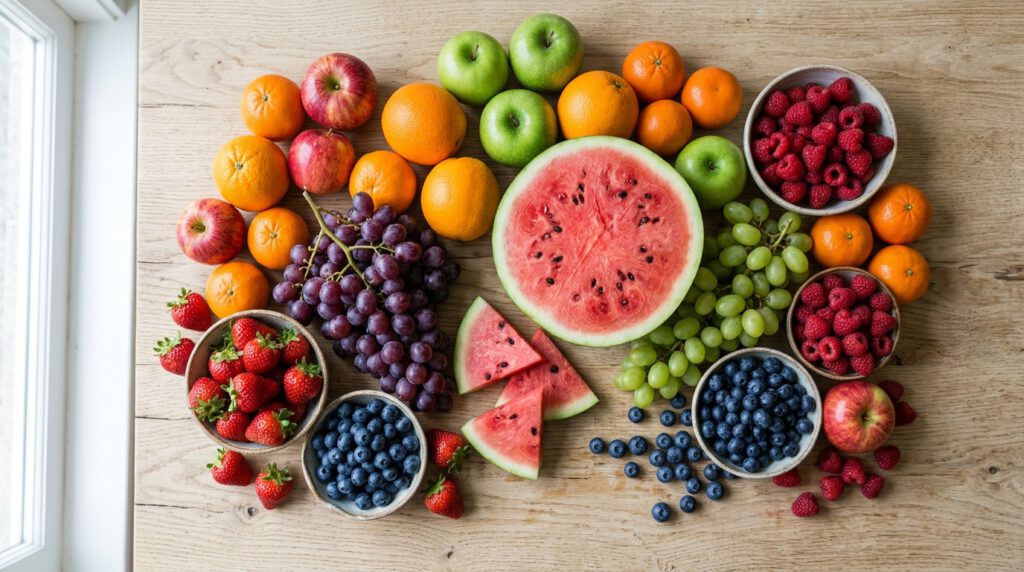
Calorie density refers to how many calories a food contains relative to its weight or volume. Foods with a high water content — vegetables, broths, soups, and many fruits — allow you to eat a larger volume of food for fewer calories, which helps you feel satisfied without overeating.
Fiber plays a major role here too.
High-fiber foods like vegetables, beans, oats, and berries add bulk to meals, slow digestion, and help stabilize blood sugar, all of which contribute to a longer-lasting feeling of fullness.
Aiming for roughly 25–30 grams of fiber per day is a simple, trackable-but-not-calorie-based goal that supports this strategy.
How to apply it: Start meals with a vegetable-based soup or salad, and fill any extra space on your plate with vegetables rather than refined carbs.
4. Cut Back on Liquid Calories
Sugary sodas, sweetened coffee drinks, juices, and alcohol are some of the easiest ways to consume hundreds of extra calories without realizing it.
Unlike solid food, liquid calories don’t trigger the same fullness signals in the brain, so drinking a 400-calorie beverage typically doesn’t make you eat less at your next meal — it just adds on top.
Cutting out just one or two sugary drinks a day can create a meaningful calorie deficit on its own. Replacing them with water, black coffee, or unsweetened tea is one of the highest-impact, lowest-effort changes you can make.
Bonus tip: Drinking a glass of water before meals can also help reduce appetite and prevent mistaking thirst for hunger.
5. Consider Reducing Refined Carbohydrates
Cutting back on refined carbs — white bread, pasta, pastries, sugary snacks — can help some people naturally eat fewer calories, partly because these foods are often low in fiber and protein and digest quickly, leading to hunger soon after eating them.
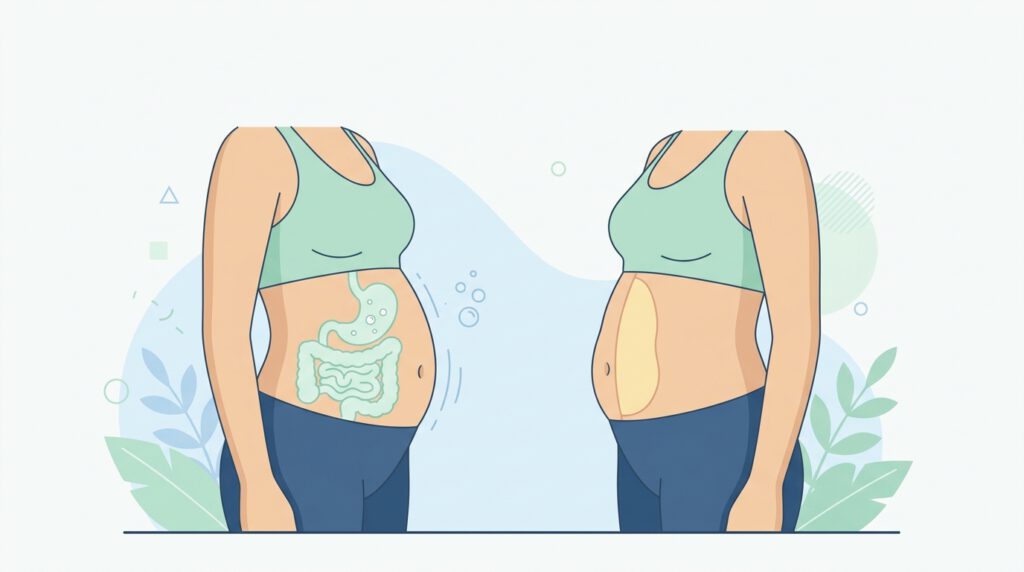
Lower carbohydrate intake is also associated with reduced water retention, since carbs are stored in the body along with water.
This can lead to a noticeable early drop on the scale, even before meaningful fat loss occurs — something worth keeping in mind so you don’t misread the number.
This doesn’t mean carbs need to be eliminated entirely. Choosing whole, fiber-rich carbohydrate sources (vegetables, legumes, whole grains) over refined ones tends to support the same appetite-regulating benefits without extreme restriction.
6. Prioritize Sleep and Manage Stress
Sleep and stress are often overlooked in weight loss conversations, but both have a direct effect on the hormones that regulate hunger. Insufficient sleep raises levels of ghrelin (the hormone that stimulates appetite) and lowers leptin (the hormone that signals fullness) — a combination that can significantly increase cravings, particularly for high-calorie, processed foods.
Chronic stress has a similar effect through the hormone cortisol, which is linked to increased appetite and a tendency to store fat around the midsection.
How to apply it: Aim for 7–9 hours of quality sleep per night, and build in small stress-management habits — a short walk, deep breathing, or simply stepping away from screens before bed.
7. Practice Mindful, Distraction-Free Eating
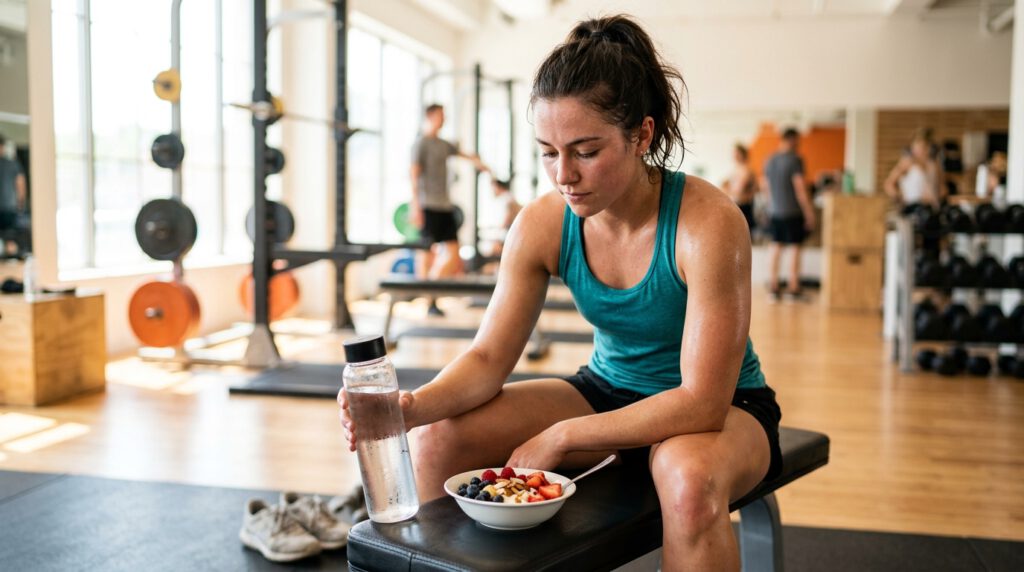
Eating in front of a screen — TV, phone, or computer — makes it easy to lose track of how much you’ve actually eaten. Research shows distracted eating can increase food intake in that sitting and even lead to eating more later in the day, since your brain never fully registers the meal.
Mindful eating flips this pattern.
By eating slowly, chewing thoroughly, and paying attention to your body’s hunger and fullness cues, you naturally tend to eat less while enjoying your food more.
How to apply it: Try eating just one meal a day at a table without any screens. Put your fork down between bites, and pause halfway through to check whether you’re still genuinely hungry.
Do You Need to Count Calories to Lose Weight?
No — a calorie deficit is still required for weight loss, but counting is only one way to get there. Habits like eating more protein, filling half your plate with vegetables, and cutting liquid calories all reduce your intake indirectly, without requiring you to know the exact number of calories in anything you eat.
For many people, the real advantage of these strategies isn’t just that they work — it’s that they’re sustainable.
Manual calorie tracking has a notoriously high dropout rate, while simple habit changes are far easier to maintain for months or years, which matters far more for long-term results than short-term precision.
The Bottom Line
Losing weight doesn’t have to mean tracking every gram of food you eat.
By focusing on protein, fiber, portion cues, hydration, sleep, and mindful eating, you can create a natural, sustainable calorie deficit without ever opening a calorie-counting app.
Start with one or two of these strategies — like adding protein to breakfast or swapping soda for water — and build from there. Small, consistent changes tend to outlast any diet built on strict number-counting.
This article is for general informational purposes only and is not a substitute for personalized medical or nutritional advice. Consult a qualified healthcare professional before making significant changes to your diet.
Related Posts
Stay Informed With the Latest & Most Important News
Previous Post
Next Post









Advertisement