
























Now Reading: The Circadian Rhythm Diet: Why When You Eat May Matter as Much as What You Eat
-
01
The Circadian Rhythm Diet: Why When You Eat May Matter as Much as What You Eat


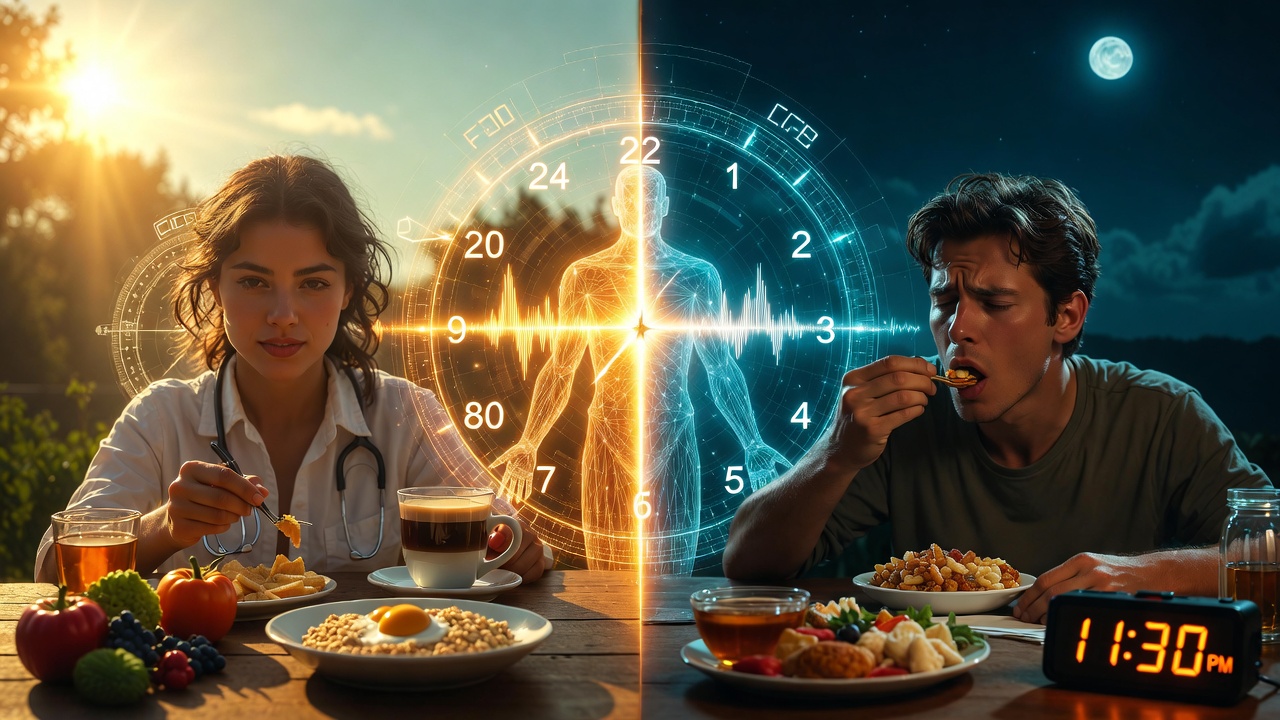
For decades, nutrition advice focused almost entirely on what people eat — calories, carbs, fats, and protein. But emerging research in chrononutrition suggests that when you eat may be just as important as the food itself.
The Circadian Rhythm Diet is based on the idea that the human body runs on a built-in 24-hour biological clock. This internal timing system controls metabolism, digestion, hormone production, sleep cycles, energy levels, and even hunger signals.
According to recent studies, eating in sync with this natural rhythm may improve metabolism, stabilize blood sugar, reduce inflammation, support weight loss, and lower the risk of chronic disease.
Table of contents
- What Is the Circadian Rhythm Diet?
- Why Meal Timing Matters More Than Ever
- What Happens When Your Circadian Rhythm Is Disrupted?
- The Key Principles of Chrononutrition
- How Meal Composition Affects Circadian Health
- The Link Between Sleep and Metabolism
- Can Chrononutrition Help With Weight Loss?
- Understanding Chronotypes
- Simple Tips to Follow the Circadian Rhythm Diet
- Final Thoughts
What Is the Circadian Rhythm Diet?
The Circadian Rhythm Diet, also called chrononutrition, focuses on aligning meal times with the body’s internal biological clock — the circadian rhythm.
Your circadian rhythm regulates many essential body functions, including sleep and wake cycles, hormone release, digestion, energy production, appetite control, body temperature, and insulin sensitivity.
The brain’s central “master clock” responds mainly to environmental signals like sunlight, darkness, physical activity, and meal timing. When eating patterns match the body’s natural daytime activity cycle, it processes food more efficiently. But eating late at night or keeping an irregular meal schedule can disrupt metabolism and increase health risks.
Why Meal Timing Matters More Than Ever
1. Your Metabolism Works Better During the Day
Research shows insulin sensitivity is naturally higher in the morning and early afternoon, meaning the body handles glucose and calories more effectively during daylight hours.
At night, melatonin levels rise to prepare the body for sleep — but melatonin also slows digestion and reduces insulin efficiency. As a result, late-night eating may lead to higher blood sugar levels, increased fat storage, slower calorie burning, and greater hunger the next day.
This explains why two people eating the exact same number of calories can end up with different metabolic outcomes, depending simply on when they ate.
2. Late-Night Eating Can Increase Disease Risk
Studies consistently associate nighttime eating with obesity, type 2 diabetes, cardiovascular disease, inflammation, and poor sleep quality.
Researchers have found that eating outside normal circadian hours disrupts the synchronization between the brain’s master clock and the peripheral clocks located in organs like the liver, stomach, muscles, and fat tissue. This mismatch can lead to reduced insulin sensitivity, increased inflammation, higher blood pressure, altered hormone secretion, and increased calorie intake.
Even without eating more calories overall, eating at the wrong time may still contribute to weight gain.
3. Fasting Overnight Helps the Body Repair Itself
One key principle of the Circadian Rhythm Diet is building in a nightly fasting window. Experts often recommend finishing dinner earlier in the evening, ideally around 7:00 p.m., and avoiding food close to bedtime.
This overnight fasting period allows the body to improve metabolic repair, lower inflammation, support gut health, enhance fat burning, and reset hunger hormones. Time-restricted eating aligned with circadian rhythms has also been linked to improved insulin sensitivity and better energy metabolism.
What Happens When Your Circadian Rhythm Is Disrupted?
Modern lifestyles frequently interfere with natural biological rhythms. Common disruptors include shift work, jet lag, late-night snacking, skipping breakfast, irregular eating schedules, and excessive screen exposure at night.
Research shows disrupted circadian rhythms may raise the risk of metabolic syndrome, obesity, diabetes, gastrointestinal disorders, depression, cancer, and cardiovascular disease. Night-shift workers, in particular, often experience higher rates of obesity and metabolic disorders because their eating and sleeping patterns run directly against their biological clock.
The Key Principles of Chrononutrition
Eat most calories during daylight hours. Your body is metabolically primed to process food during the day, and larger meals earlier on may improve appetite control and energy regulation.
Avoid late-night snacking. Eating late increases glucose intolerance and reduces fat oxidation during sleep, raising the likelihood of fat storage.
Maintain consistent meal times. Irregular eating schedules can create “social jetlag,” which disrupts metabolic stability and hormone balance.
Eat dinner earlier. Earlier dinners give the digestive system time to slow down before sleep, improving both sleep quality and metabolic function.
Support your circadian rhythm naturally through morning sunlight exposure, regular exercise, consistent sleep schedules, and limiting bright screens at night.
How Meal Composition Affects Circadian Health
Timing isn’t the only factor — meal composition influences circadian rhythms too. Research suggests high-fat diets may weaken circadian gene expression, heavy late-night meals impair glucose metabolism, high-glycemic foods close to bedtime may worsen sleep quality, and the timing of protein and carbohydrate intake may affect clock gene activity.
In other words, optimal health likely depends on both what and when you eat.
The Link Between Sleep and Metabolism
Sleep and nutrition are deeply interconnected. Late-night eating has been shown to reduce sleep quality, increase acid reflux and heartburn, delay fat metabolism, and elevate morning insulin responses.
Poor sleep, in turn, affects hunger hormones — increasing ghrelin (the hunger hormone) and decreasing leptin (the satiety hormone), which leads to stronger cravings and overeating. That creates a cycle that can contribute to long-term weight gain and metabolic disease.
Can Chrononutrition Help With Weight Loss?
Emerging evidence suggests yes. Several studies found that people who consume more calories earlier in the day often experience better appetite control, reduced hunger, improved insulin sensitivity, higher energy expenditure, and easier long-term weight management.
One study comparing morning-loaded and evening-loaded diets showed similar overall weight loss between the two, but participants eating earlier experienced less hunger and better dietary adherence along the way.
Understanding Chronotypes
Researchers are also exploring how individual chronotypes — whether someone is naturally an early bird or a night owl — might affect optimal eating times. Some evidence suggests aligning meals with a person’s own energy patterns may improve body composition and metabolic health, though more research is needed before personalized chrononutrition becomes mainstream.
Simple Tips to Follow the Circadian Rhythm Diet
If you want to improve your metabolic health naturally, try these evidence-based habits:
- Start eating earlier — aim for a balanced breakfast within a few hours of waking.
- Make lunch your largest meal, since your metabolism is strongest earlier in the day.
- Finish dinner earlier — try to stop eating at least 3 hours before bedtime.
- Avoid midnight snacks, especially sugary or high-fat foods.
- Keep meal times consistent to help regulate hormones and energy levels.
- Prioritize sleep, since healthy sleep strengthens circadian rhythm regulation.
Final Thoughts
The Circadian Rhythm Diet represents a major shift in nutritional science. Instead of focusing only on calories and nutrients, chrononutrition emphasizes working with the body’s biological clock instead of against it.
Modern research increasingly supports what many traditional healing systems understood centuries ago: timing matters. Simple habits like eating during daylight hours, avoiding late-night meals, and maintaining consistent routines may significantly improve metabolism, energy levels, sleep quality, and long-term health.
As science continues exploring chrononutrition, one thing is becoming clear: sometimes the most powerful health strategy isn’t changing what you eat, but changing when you eat.
Related Posts
Stay Informed With the Latest & Most Important News
Previous Post
Next Post










Advertisement