















Now Reading: Plant Protein vs. Animal Protein: Which One Actually Builds More Muscle?
-
01
Plant Protein vs. Animal Protein: Which One Actually Builds More Muscle?


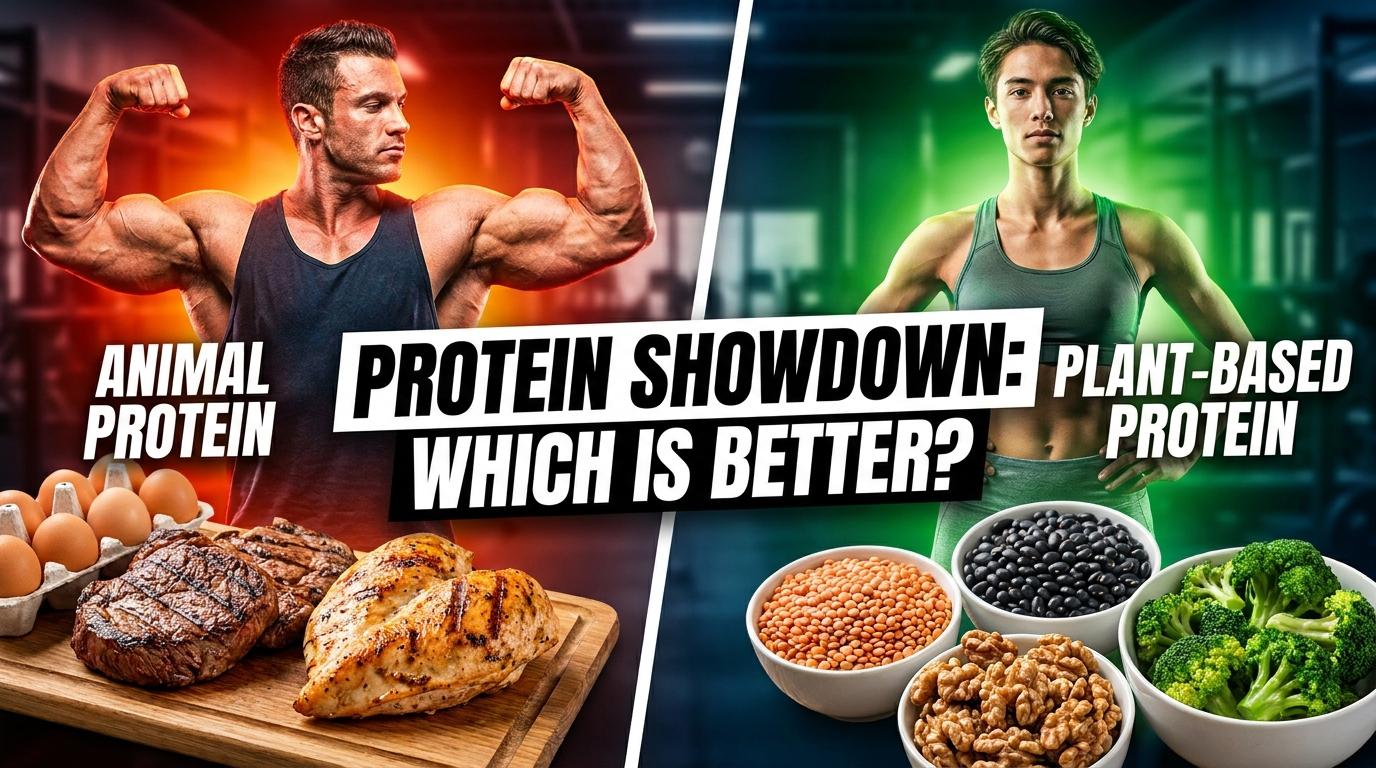
For decades, protein has been the cornerstone of muscle building. But today, with the rise of plant-based diets, a major question has emerged: is plant-based protein as effective as animal protein for muscle growth?
The short answer: animal protein has a slight advantage, but plant protein can absolutely build muscle if it’s done right. Let’s break it down scientifically.
Table of contents
- Why Protein Matters for Muscle Growth
- Animal Protein: Why It’s Considered Superior
- Plant-Based Protein: Can It Compete?
- Scientific Evidence: Do They Build the Same Muscle?
- The Most Important Factor: Total Protein Intake
- Muscle Growth Without Training? Forget It
- What About Weight Loss?
- Health and Long-Term Impact
- Final Verdict: Which Is Better?
- Bottom Line
- Pro Tip
Why Protein Matters for Muscle Growth
Protein is one of the three essential macronutrients, alongside carbs and fats, and it plays a critical role in building and repairing muscle tissue, producing enzymes and hormones, and supporting recovery after workouts.
Muscles grow when muscle protein synthesis (MPS) exceeds muscle breakdown — a process heavily influenced by total protein intake, amino acid quality, and resistance training.
Animal Protein: Why It’s Considered Superior
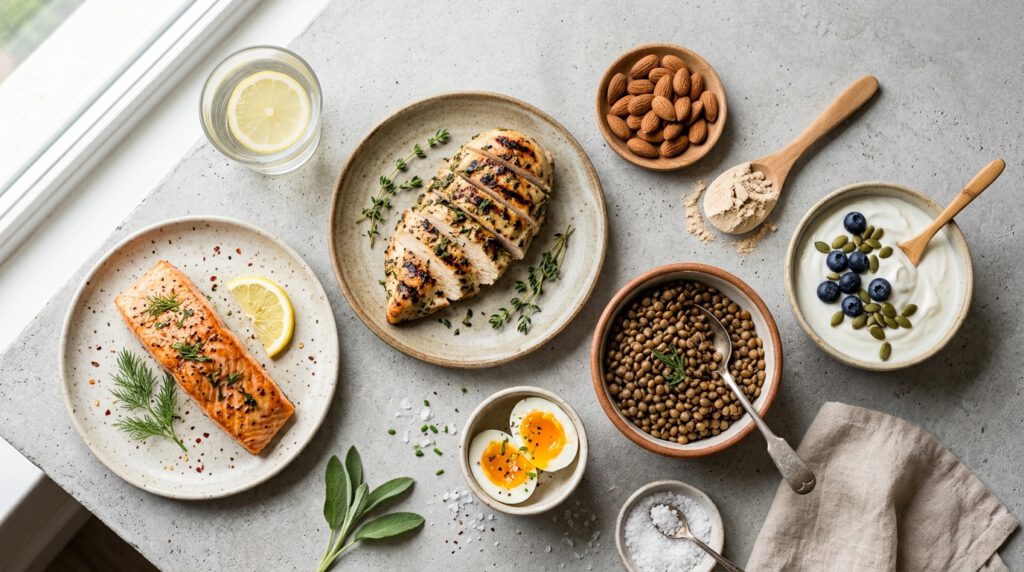
Animal protein sources — meat, eggs, dairy, fish — are often labeled the gold standard for muscle growth, and for good reason.
Complete amino acid profile. Animal protein contains all 9 essential amino acids (EAAs) in optimal ratios, making it a complete protein on its own.
High leucine content. Leucine is the key amino acid that triggers muscle growth, and animal proteins are naturally higher in it — which helps stimulate muscle protein synthesis faster and improve recovery after workouts.
Superior digestibility. Animal protein is easier for the body to digest and absorb, meaning more of it actually reaches your muscles.
Plant-Based Protein: Can It Compete?
Plant proteins — beans, lentils, grains, nuts, seeds — were once considered inferior, but modern research tells a more nuanced story.
Not always complete, but fixable. Most plant proteins lack one or more essential amino acids, but combining sources (rice and peas, for example) solves this problem easily.
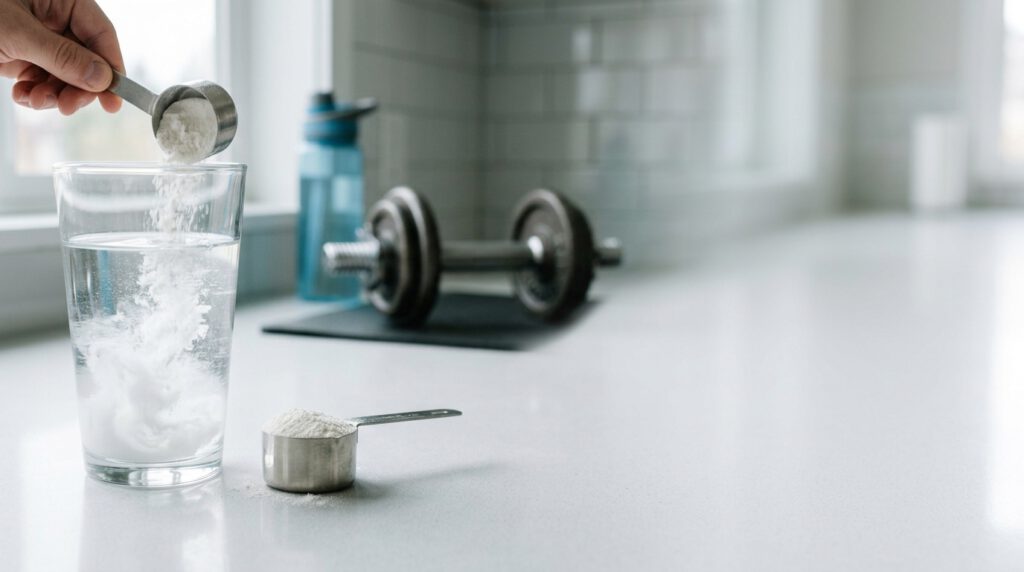
Lower digestibility. Plant protein is often wrapped in fiber, which can slightly reduce absorption. The fix is simple: increase total intake, or use protein isolates.
Real health benefits. Plant-based proteins come with genuine advantages — lower saturated fat, no cholesterol, high fiber content, and better heart health outcomes overall.
Scientific Evidence: Do They Build the Same Muscle?
Recent studies comparing vegan and omnivorous diets show equal muscle gains when total protein intake is high, with no major difference once resistance training is factored in.
That said, animal protein may still provide a small edge in lean mass gains, particularly in younger individuals — and this difference becomes less significant once total daily protein intake is sufficient either way.
The Most Important Factor: Total Protein Intake
This is where most people get it wrong.
For muscle growth: the general target is 1.6–2.2 g per kg of body weight. Plant-based diets may require slightly more, around 1.8–2.4 g/kg, to compensate for lower digestibility and amino acid completeness.
For older adults: higher intake per meal becomes necessary due to anabolic resistance, and protein quality matters more — this is where animal protein holds a slight edge.
Muscle Growth Without Training? Forget It
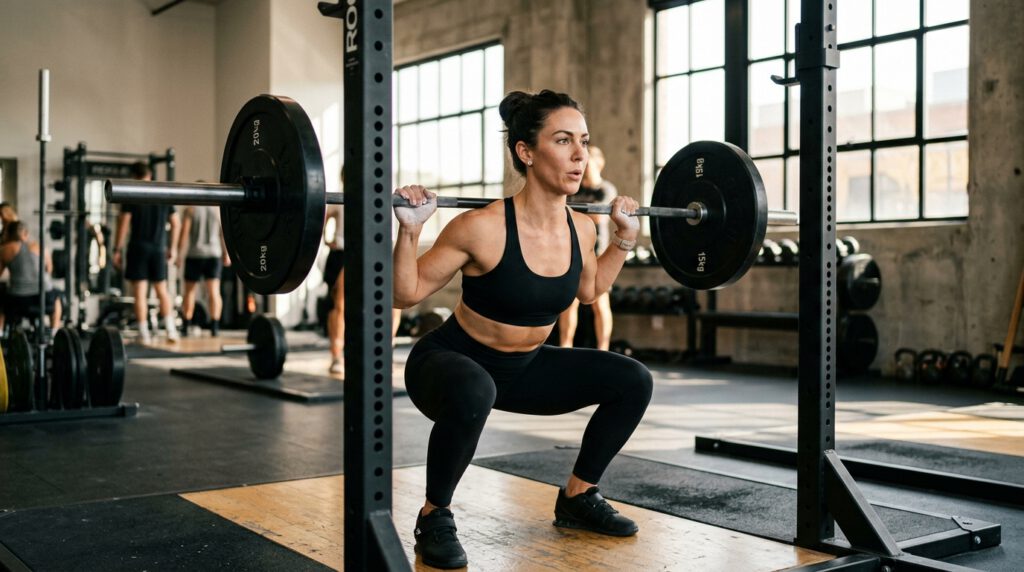
No matter the protein source, protein alone won’t build muscle — resistance training is essential. Studies show there’s no significant muscle gain from high protein intake without training. The best results always come from combining strength training with adequate protein intake.
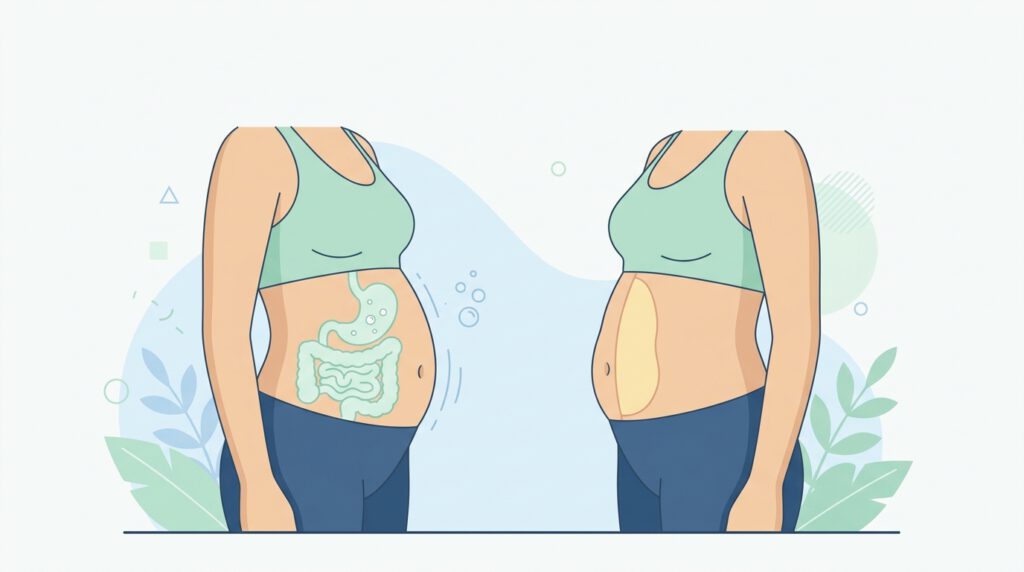
What About Weight Loss?
Protein source matters more here.
Animal protein tends to be more protein-dense, with lower calories per gram of protein, which makes it somewhat easier for fat loss.
Plant protein is often higher in carbs and requires larger portions to hit the same protein target, which can lead to excess calorie intake if you’re not tracking carefully.
Health and Long-Term Impact
Animal protein downsides: higher saturated fat, especially from red and processed meat, and links to increased risk of cardiovascular disease and certain cancers.
Plant protein benefits: lower blood pressure, better cholesterol levels, improved gut health thanks to fiber and its effect on the microbiome, and a lower environmental impact. Replacing red meat with plant protein has been linked to a 7–30% reduction in heart disease risk.
Final Verdict: Which Is Better?
Choose animal protein if you want maximum, fast muscle growth, you prefer convenience and efficiency, or you’re focused on elite hypertrophy.
Choose plant-based protein if you care about long-term health, you want a sustainable diet, and you’re willing to plan your nutrition properly.
Bottom Line
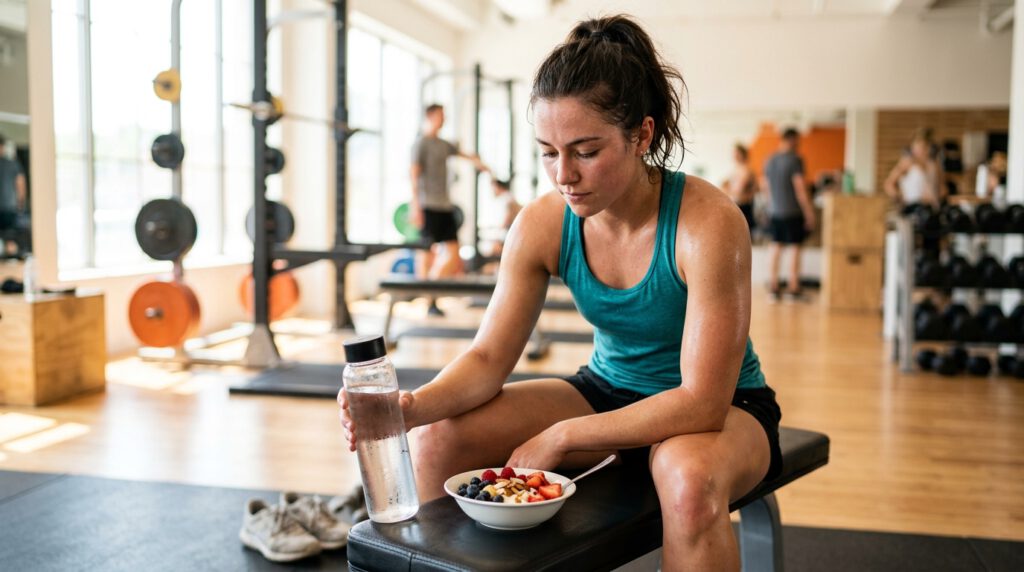
Animal protein is more efficient for muscle growth, while plant protein is equally effective with proper planning. The real winner, in either case, is your total daily protein intake combined with consistent training.
Pro Tip
Can you build muscle with plant protein?
Yes. As long as you consume enough total protein (1.6–2.4 g/kg) and combine different plant sources to get all essential amino acids, plant-based diets can build muscle just as effectively as animal protein.
Related Posts
Stay Informed With the Latest & Most Important News
Previous Post
Next Post




Advertisement