
























Now Reading: Are Eggs Bad for Cholesterol? What Recent Research Actually Says (2026 Guide)
-
01
Are Eggs Bad for Cholesterol? What Recent Research Actually Says (2026 Guide)


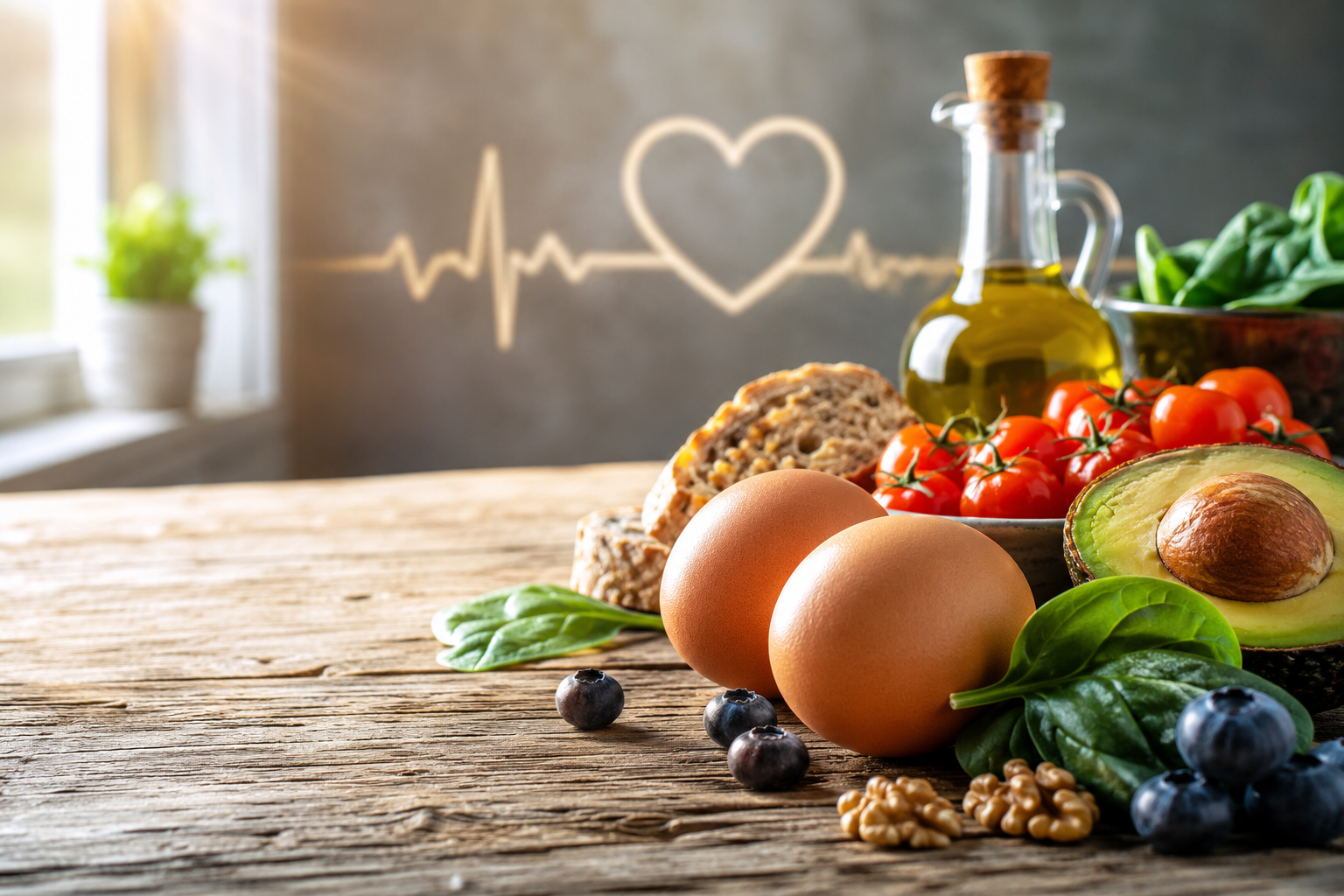
For decades, eggs have been caught in the middle of one of nutrition’s biggest debates. Many people grew up believing that eating eggs—especially the yolks—would dramatically increase cholesterol levels and raise the risk of heart disease. As a result, eggs were often replaced with low-fat breakfast options or egg whites alone.
Today, the scientific evidence tells a much more nuanced story.
Modern research suggests that for most healthy adults, eggs are not the cholesterol villain they were once believed to be. Instead, scientists now recognize that saturated fat, overall dietary patterns, genetics, and lifestyle have a much greater influence on blood cholesterol than the cholesterol naturally found in eggs.
This doesn’t mean everyone should eat unlimited eggs. Individual health conditions, genetic differences, and the rest of your diet still matter. But the outdated advice to avoid eggs simply because they contain cholesterol is no longer supported by most current evidence.
In this comprehensive guide, we’ll explore what cholesterol actually is, why eggs were misunderstood for decades, what the latest research says, who should be more cautious, and how to enjoy eggs as part of a heart-healthy diet.
Table of contents
- What Is Cholesterol?
- Understanding LDL and HDL Cholesterol
- Dietary Cholesterol vs. Blood Cholesterol
- Why Eggs Got a Bad Reputation
- What Recent Research Actually Says
- Do Eggs Raise LDL (“Bad”) Cholesterol?
- The Real Culprit: Saturated Fat
- Why Do Some People Respond Differently to Eggs?
- Can People With High Cholesterol Eat Eggs?
- Eggs and Heart Disease: What Does the Evidence Show?
- What Do Meta-Analyses Say?
- Eggs and Diabetes: Is There a Difference?
- Key Takeaways So Far
What Is Cholesterol?
Cholesterol is a waxy, fat-like substance that your body needs to function properly. While it often gets a bad reputation, cholesterol is actually essential for life.
Your body uses cholesterol to:
Build healthy cell membranes
Produce important hormones such as testosterone and estrogen
Create vitamin D
Produce bile acids that help digest fats
Support normal brain and nerve function
Surprisingly, your liver produces about 80% of the cholesterol your body needs, while the remaining amount comes from foods of animal origin, including eggs, meat, dairy products, and seafood.
Because your body naturally manufactures cholesterol, it also has sophisticated mechanisms to regulate how much it produces. When dietary cholesterol increases, the liver often compensates by producing less cholesterol—a process that helps maintain balance in many healthy individuals.
Understanding LDL and HDL Cholesterol
Not all cholesterol is the same.
LDL Cholesterol (Low-Density Lipoprotein)
LDL is often called “bad cholesterol” because high levels can contribute to plaque buildup inside arteries, increasing the risk of heart attack and stroke over time.
However, it’s important to understand that LDL is not inherently harmful. Your body needs it to transport cholesterol to cells. Problems arise when LDL levels become consistently elevated, especially alongside chronic inflammation and other cardiovascular risk factors.
HDL Cholesterol (High-Density Lipoprotein)
HDL is commonly known as “good cholesterol.”
Its primary role is to transport excess cholesterol away from the arteries and back to the liver, where it can be recycled or removed from the body.
Higher HDL levels are generally associated with better cardiovascular health, although scientists now recognize that HDL function may be more important than HDL levels alone.
Triglycerides
Triglycerides are another type of fat found in your blood.
High triglyceride levels—especially when combined with high LDL and low HDL—can significantly increase cardiovascular risk.
They are often influenced by:
- Excess sugar intake
- Refined carbohydrates
- Obesity
- Physical inactivity
- Excess alcohol consumption
Dietary Cholesterol vs. Blood Cholesterol

One of the biggest misconceptions about eggs comes from confusing dietary cholesterol with blood cholesterol.
Although they share the same name, they are not the same thing.
Dietary Cholesterol
Dietary cholesterol refers to the cholesterol found in foods such as:
- Eggs
- Shrimp
- Cheese
- Beef
- Chicken
- Liver
A single large egg contains approximately 186 mg of cholesterol, almost all of which is found in the yolk.
For many years, nutrition experts assumed that eating cholesterol-rich foods would directly raise cholesterol levels in the bloodstream.
We now know the relationship is much more complex.
Blood Cholesterol
Blood cholesterol refers to the cholesterol circulating in your bloodstream, including LDL and HDL.
Its level depends on many factors beyond the foods you eat, including:
- Genetics
- Saturated fat intake
- Physical activity
- Body weight
- Smoking
- Diabetes
- Overall dietary pattern
- Liver cholesterol production
This explains why two people can eat the exact same breakfast and experience completely different cholesterol responses.
Why Eggs Got a Bad Reputation
For decades, dietary guidelines advised people to limit egg consumption because eggs are naturally rich in cholesterol.
The recommendation seemed logical:
Eggs contain cholesterol.
↓
Blood cholesterol increases.
↓
Heart disease risk increases.
However, this simple chain of reasoning overlooked how the human body regulates cholesterol production.
As scientists conducted better-designed clinical trials over the past two decades, they discovered that dietary cholesterol has a relatively modest effect on blood cholesterol for most people.
Instead, foods high in saturated fat—such as processed meats, butter, full-fat cheese, and many ultra-processed foods—have a much stronger impact on increasing LDL cholesterol.
Researchers also realized another important point:
Many observational studies linked egg consumption with unhealthy breakfasts that included bacon, sausage, buttered toast, hash browns, and sugary beverages. These accompanying foods likely contributed significantly to the increased cardiovascular risk previously attributed to eggs alone.
In other words, the overall meal—and the overall lifestyle—often mattered more than the eggs themselves.
What Recent Research Actually Says
Over the last several years, nutrition science has shifted its focus from individual foods to overall dietary patterns. Eggs have been one of the biggest beneficiaries of this change.
A growing body of evidence indicates that for most healthy adults, eating eggs in moderation does not significantly increase the risk of cardiovascular disease.
One of the most talked-about studies, published in The American Journal of Clinical Nutrition (2025), directly compared the effects of dietary cholesterol and saturated fat on LDL cholesterol.
Researchers followed adults with elevated LDL cholesterol through three carefully controlled eating patterns over several weeks:
- A high-cholesterol, low-saturated-fat diet that included two eggs per day
- A low-cholesterol, high-saturated-fat diet without eggs
- A high-cholesterol, high-saturated-fat diet including one egg per day
The findings challenged decades of conventional wisdom.
Participants’ LDL cholesterol levels were primarily influenced by saturated fat intake—not by the cholesterol provided by eggs.
Even more interesting, participants eating two eggs daily as part of a low-saturated-fat diet experienced reductions in LDL cholesterol, highlighting that the quality of the overall diet matters far more than focusing on a single food.
This aligns with many previous randomized controlled trials and systematic reviews showing that, in most healthy individuals:
- Eggs have little effect on LDL cholesterol.
- Eggs may slightly increase HDL (“good”) cholesterol.
- The ratio of LDL to HDL often remains unchanged.
- Overall cardiovascular risk does not appear to increase when eggs are eaten as part of a balanced dietary pattern.
However, researchers also emphasize that responses are not identical for everyone. Genetics, metabolic health, diabetes, and rare inherited cholesterol disorders can all influence how someone responds to dietary cholesterol.
Do Eggs Raise LDL (“Bad”) Cholesterol?
The short answer is: For most people, not significantly.
For decades, scientists believed that because eggs are naturally high in cholesterol, they would inevitably raise LDL (“bad”) cholesterol in the bloodstream. Today, we know the relationship is far more complex.
Your body carefully regulates cholesterol levels through a feedback system. When you consume more cholesterol from food, your liver often compensates by producing less of it. This natural adjustment helps keep blood cholesterol within a relatively stable range in many healthy individuals.
Numerous randomized controlled trials have shown that eating one or two eggs per day typically causes little to no increase in LDL cholesterol in healthy adults.
Even when LDL levels rise slightly in some individuals, researchers have observed that eggs often increase HDL (“good”) cholesterol as well, leaving the overall LDL-to-HDL ratio—a stronger predictor of cardiovascular risk—largely unchanged.
Another important finding is that eggs may shift LDL particles from small, dense LDL (which is considered more harmful) toward larger, less dense LDL particles, although more research is still needed to determine the long-term clinical significance of this change.
The key takeaway is that blood cholesterol is influenced by many factors, including:
- Saturated fat intake
- Genetics
- Body weight
- Physical activity
- Smoking
- Diabetes
- Overall dietary pattern
- Age
Rather than focusing on a single food like eggs, experts now recommend looking at the overall quality of your diet.
The Real Culprit: Saturated Fat
If eggs aren’t the primary concern, what is?
According to current research, saturated fat plays a much larger role in raising LDL cholesterol than dietary cholesterol does.
Foods high in saturated fat include:
- Fatty cuts of beef and pork
- Processed meats (bacon, sausage, hot dogs)
- Butter
- Cheese
- Cream
- Ice cream
- Palm oil
- Coconut oil (despite its popularity in some diets)
When saturated fat intake is high, the liver removes less LDL cholesterol from the bloodstream, leading to higher circulating LDL levels.
This is why someone who eats eggs alongside bacon, sausage, buttered toast, and fried potatoes may experience a very different cardiovascular impact than someone who pairs eggs with vegetables, whole-grain toast, avocado, and olive oil.
A Healthy Egg Breakfast
A heart-friendly breakfast might include:
- Two boiled or poached eggs
- Whole-grain toast
- Spinach or tomatoes
- Avocado
- Fresh fruit
- Unsweetened coffee or tea
A Less Healthy Egg Breakfast
On the other hand, a breakfast consisting of:
- Fried eggs cooked in butter
- Bacon or sausage
- White toast with butter
- Hash browns
- Sugary juice
contains much more saturated fat, sodium, and refined carbohydrates—factors that contribute more significantly to cardiovascular risk than the eggs themselves.
This illustrates an important principle in nutrition: the overall dietary pattern matters more than any single food.
Why Do Some People Respond Differently to Eggs?
Although most people tolerate eggs well, not everyone responds in exactly the same way.
Researchers estimate that approximately 25–30% of the population are “hyper-responders.”
These individuals experience a greater increase in blood cholesterol after consuming dietary cholesterol.
However, even among hyper-responders, the picture is more nuanced than many people realize.
Studies have shown that these individuals often experience increases in both LDL and HDL cholesterol, meaning the balance between the two may remain relatively stable.
Genetics appears to be the primary reason for these differences.
Several inherited variations affect how efficiently cholesterol is absorbed and processed by the body, explaining why some people can eat eggs daily without any noticeable change in cholesterol levels, while others experience modest increases.
Being a hyper-responder does not automatically mean that eating eggs is dangerous. Instead, it highlights the importance of individualized nutrition.
If you have persistently high LDL cholesterol despite maintaining a healthy lifestyle, your healthcare provider may recommend monitoring your response to egg consumption through periodic blood tests.
Can People With High Cholesterol Eat Eggs?
In many cases, yes.
Having high cholesterol does not necessarily mean you must eliminate eggs from your diet.
Current evidence suggests that many people with elevated cholesterol can continue eating eggs as part of a heart-healthy eating pattern, especially when they reduce saturated fat from other foods.
Instead of asking:
“Should I stop eating eggs?”
A better question is:
“What does my overall diet look like?”
Replacing processed meats with fish, legumes, nuts, vegetables, and whole grains often has a much greater impact on cholesterol levels than simply removing eggs.
However, individuals with the following conditions should discuss egg intake with their healthcare provider:
- Familial hypercholesterolemia
- Established cardiovascular disease
- Diabetes with multiple cardiovascular risk factors
- Very high LDL cholesterol despite treatment
Dietary recommendations should always be personalized based on medical history and overall risk.
Eggs and Heart Disease: What Does the Evidence Show?
One of the biggest questions surrounding eggs is whether they increase the risk of heart attacks or other cardiovascular diseases.
The answer depends on the type of research being examined.
Observational Studies
Some large observational studies have reported an association between higher egg consumption and cardiovascular disease.
However, observational studies cannot prove cause and effect.
People who eat more eggs may also:
- Consume more processed meat
- Eat fewer vegetables
- Exercise less
- Smoke more
- Have different lifestyle habits
These factors can influence heart disease risk independently of egg consumption.
Randomized Controlled Trials
Randomized controlled trials provide stronger evidence because researchers control participants’ diets.
These studies consistently show that:
- Eggs have minimal effects on LDL cholesterol for most healthy adults.
- Eggs often increase HDL cholesterol.
- Markers of inflammation generally remain unchanged.
- Cardiovascular risk factors do not significantly worsen when eggs replace less nutritious foods.
This is one reason why many nutrition experts now focus on overall dietary quality rather than restricting eggs alone.
What Do Meta-Analyses Say?
Meta-analyses combine the results of multiple studies, providing one of the strongest forms of scientific evidence.
Recent systematic reviews generally conclude that:
- Moderate egg consumption is not associated with increased cardiovascular disease risk in the general population.
- Eating approximately one egg per day appears safe for most healthy adults.
- Replacing refined carbohydrates with eggs may improve diet quality by increasing protein intake and satiety.
- The strongest predictors of cardiovascular disease remain smoking, obesity, physical inactivity, hypertension, diabetes, and diets high in saturated fat and ultra-processed foods.
Researchers continue to study specific groups—such as people with diabetes or inherited cholesterol disorders—but for the average healthy adult, the evidence does not support avoiding eggs solely because of their cholesterol content.
Eggs and Diabetes: Is There a Difference?
The relationship between eggs and diabetes remains an active area of research.
Some observational studies have suggested that frequent egg consumption may be associated with a higher risk of cardiovascular disease among people with diabetes.
However, clinical trials have generally not shown harmful effects when eggs are consumed as part of a balanced, nutrient-rich diet.
Because the evidence is mixed, many experts recommend that people with diabetes:
- Focus on improving the overall quality of their diet.
- Limit saturated fat and processed foods.
- Choose healthy cooking methods.
- Discuss individualized dietary recommendations with their healthcare provider or registered dietitian.
For most people with diabetes, the quality of the entire eating pattern appears to matter far more than eggs alone.
Key Takeaways So Far
- Eggs are not the primary driver of high LDL cholesterol for most people.
- Saturated fat has a much greater impact on blood cholesterol.
- The foods eaten alongside eggs often influence heart health more than the eggs themselves.
- Most healthy adults can include eggs as part of a balanced diet.
- Individual responses vary due to genetics and certain medical conditions.
- Overall dietary quality remains the most important factor for long-term cardiovascular health.
The Nutritional Benefits of Eggs
Eggs are among the most nutrient-dense foods available. Despite containing only about 70–80 calories per large egg, they provide an impressive range of high-quality nutrients that support overall health.
A single large egg contains:
| Nutrient | Benefits |
|---|---|
| High-quality protein | Supports muscle growth, repair, and satiety |
| Choline | Essential for brain function and nervous system health |
| Vitamin D | Supports bone health and immune function |
| Vitamin B12 | Important for red blood cell production and nerve health |
| Selenium | Acts as an antioxidant and supports thyroid function |
| Riboflavin (Vitamin B2) | Helps convert food into energy |
| Lutein & Zeaxanthin | Promote eye health and may reduce the risk of age-related macular degeneration |
Unlike many processed breakfast foods, eggs provide a complete package of protein, healthy fats, vitamins, and minerals without added sugars.
Eggs and Weight Loss
If you’re trying to lose weight, eggs can be an excellent addition to your diet.
Their high protein content helps increase feelings of fullness (satiety), making you less likely to snack between meals or overeat later in the day.
Research suggests that high-protein breakfasts—including eggs—may:
- Reduce hunger throughout the day
- Lower overall calorie intake
- Help preserve lean muscle during weight loss
- Improve adherence to calorie-controlled diets
Of course, eggs alone won’t cause weight loss. They work best when included as part of a balanced eating plan rich in vegetables, fruits, whole grains, and healthy fats.
Eggs and Muscle Growth
Eggs are considered one of the highest-quality protein sources available.
Each egg contains all nine essential amino acids in the proportions your body needs for muscle protein synthesis.
For athletes and active individuals, eggs can help:
- Build lean muscle
- Support recovery after exercise
- Reduce muscle breakdown
- Improve overall protein intake
The yolk also contains nutrients that contribute to recovery and overall health, so most healthy individuals benefit more from eating the whole egg rather than just the whites.
Eggs and Brain Health
One of the standout nutrients in eggs is choline, an essential nutrient that many people don’t consume in adequate amounts.
Choline plays a vital role in:
- Brain development
- Memory
- Learning
- Nervous system function
- Cell membrane integrity
It is especially important during pregnancy because it supports healthy fetal brain development.
Since the yolk contains nearly all of the egg’s choline, removing the yolk significantly reduces this important nutritional benefit.
Eggs and Eye Health
Egg yolks are naturally rich in two powerful antioxidants:
- Lutein
- Zeaxanthin
These compounds accumulate in the retina, where they help protect the eyes from oxidative stress and harmful blue light.
Research suggests they may reduce the risk of:
- Age-related macular degeneration (AMD)
- Cataracts
Because these antioxidants are more bioavailable from eggs than from many plant sources, eggs can be a valuable part of a diet that supports long-term eye health.
How Many Eggs Can You Eat Per Day?
There is no one-size-fits-all answer, but current evidence provides some practical guidance.
For Most Healthy Adults
Most healthy people can safely enjoy one egg per day, and many studies suggest that up to two eggs daily can fit into a heart-healthy diet when saturated fat intake is kept low.
If You Have High Cholesterol
You may still be able to eat eggs regularly, but it’s more important to:
- Reduce saturated fat
- Increase fiber intake
- Eat more vegetables
- Choose healthy cooking methods
- Follow your healthcare provider’s recommendations
If You Have Familial Hypercholesterolemia or Established Heart Disease
Dietary advice should be individualized. Your doctor or registered dietitian may recommend different limits based on your overall cardiovascular risk.
Egg Whites vs. Whole Eggs
Many people assume egg whites are always the healthier choice—but that’s not necessarily true.
| Whole Eggs | Egg Whites |
|---|---|
| High-quality protein | High-quality protein |
| Healthy fats | Fat-free |
| Choline | Very little choline |
| Vitamin D | Almost none |
| Vitamin B12 | Minimal |
| Lutein & Zeaxanthin | None |
| Dietary cholesterol | Cholesterol-free |
For most healthy adults, eating the whole egg provides significantly more nutritional value than eating egg whites alone.
Egg whites can still be useful for individuals who need additional protein while limiting calories or dietary cholesterol under medical supervision.
Best Ways to Cook Eggs for Heart Health

How you prepare your eggs matters just as much as how many you eat.
Healthier Cooking Methods
✅ Boiled
✅ Poached
✅ Soft-boiled
✅ Hard-boiled
✅ Scrambled with a small amount of olive oil
Less Healthy Choices
❌ Deep-fried eggs
❌ Eggs cooked in large amounts of butter
❌ Eggs served with bacon, sausage, or processed meats
❌ Heavy cheese omelets
To maximize the nutritional benefits, pair eggs with:
- Vegetables
- Whole grains
- Avocado
- Beans
- Fresh fruit
This creates a balanced meal that’s rich in fiber, vitamins, and healthy fats.
Common Myths About Eggs and Cholesterol
Myth #1: Eggs dramatically raise cholesterol.
Fact: For most people, saturated fat has a much greater effect on LDL cholesterol than dietary cholesterol from eggs.
Myth #2: Egg yolks are unhealthy.
Fact: Egg yolks contain most of the egg’s vitamins, minerals, antioxidants, and choline.
Myth #3: Egg whites are always healthier.
Fact: Egg whites are an excellent protein source, but they lack many of the nutrients found in the yolk.
Myth #4: People with high cholesterol should never eat eggs.
Fact: Many people with high cholesterol can include eggs in moderation as part of an overall heart-healthy diet. Individual medical advice should always come first.
Myth #5: Eating eggs every day causes heart disease.
Fact: Current research does not support this claim for most healthy adults when eggs are consumed within a balanced dietary pattern.
Frequently Asked Questions (FAQ)
Are eggs bad for cholesterol?
For most healthy adults, no. Current research indicates that saturated fat has a much greater impact on blood cholesterol than the cholesterol found in eggs.
Can eggs raise LDL cholesterol?
They may cause a small increase in LDL cholesterol in some individuals, particularly hyper-responders. However, many people experience little or no change, and HDL cholesterol may also increase.
Can I eat eggs if I have high cholesterol?
In many cases, yes. The overall quality of your diet is generally more important than avoiding eggs. Consult your healthcare provider for personalized advice.
Is one egg a day safe?
For most healthy adults, yes. Many studies support the safety of eating one egg daily as part of a balanced diet.
Are two eggs a day too much?
Current evidence suggests that up to two eggs per day can fit into a healthy diet for many individuals, particularly when saturated fat intake is low.
Are boiled eggs healthier than fried eggs?
Generally, yes. Boiling or poaching eggs avoids the added fats that often come with frying.
Are egg yolks healthy?
Yes. Egg yolks provide choline, vitamins, healthy fats, and antioxidants that support brain and eye health.
What’s healthier: eggs or processed breakfast cereals?
In many cases, eggs offer more protein and nutrients while containing less added sugar than many highly processed breakfast cereals.
Key Takeaways
- Eggs are no longer considered the dietary villain they once were.
- Dietary cholesterol has a relatively small effect on blood cholesterol for most people.
- Saturated fat plays a much larger role in raising LDL cholesterol.
- Whole dietary patterns matter far more than any single food.
- Eggs provide high-quality protein, vitamins, minerals, choline, and antioxidants.
- Most healthy adults can enjoy eggs regularly as part of a balanced diet.
- Individual responses vary based on genetics and certain medical conditions.
- Healthy cooking methods and nutritious side dishes make a significant difference.
Final Verdict
So, are eggs bad for cholesterol?
Based on the best available evidence, the answer is no—for most healthy people.
While eggs are naturally high in dietary cholesterol, modern research consistently shows that they have far less impact on blood cholesterol than previously believed. Instead, diets rich in saturated fats, ultra-processed foods, and excess calories play a much larger role in raising LDL cholesterol and increasing the risk of cardiovascular disease.
For most healthy adults, enjoying one or even two eggs a day as part of a balanced diet is unlikely to harm heart health. Pairing eggs with vegetables, whole grains, and healthy fats—and limiting processed meats and saturated fats—is a smarter strategy than avoiding eggs altogether.
If you have diabetes, familial hypercholesterolemia, or established heart disease, speak with your healthcare provider for personalized guidance. Nutrition is never one-size-fits-all, and the best dietary plan is one that reflects your unique health needs and risk factors.
Ultimately, eggs can be a nutritious, affordable, and versatile food that fits comfortably into a heart-healthy lifestyle when enjoyed in the context of an overall balanced diet.
References
- American Journal of Clinical Nutrition (2025). Effects of dietary cholesterol versus saturated fat on LDL cholesterol in adults.
- American Heart Association. Eggs and Heart Health.
- Blesso CN, Fernandez ML. Dietary Cholesterol, Serum Lipids, and Heart Disease. Nutrients.
- Journal of the American Heart Association. Dietary Intakes of Eggs and Cholesterol in Relation to Cardiovascular Outcomes.
- Dietary Guidelines for Americans (2020–2025).
- Harvard T.H. Chan School of Public Health. The Nutrition Source: Eggs.
- European Society of Cardiology. Guidelines on Cardiovascular Disease Prevention.
Related Posts


Stay Informed With the Latest & Most Important News
Previous Post
Next Post










Advertisement