












Now Reading: Caffeine and Exercise: How to Use It Strategically for Peak Performance
-
01
Caffeine and Exercise: How to Use It Strategically for Peak Performance


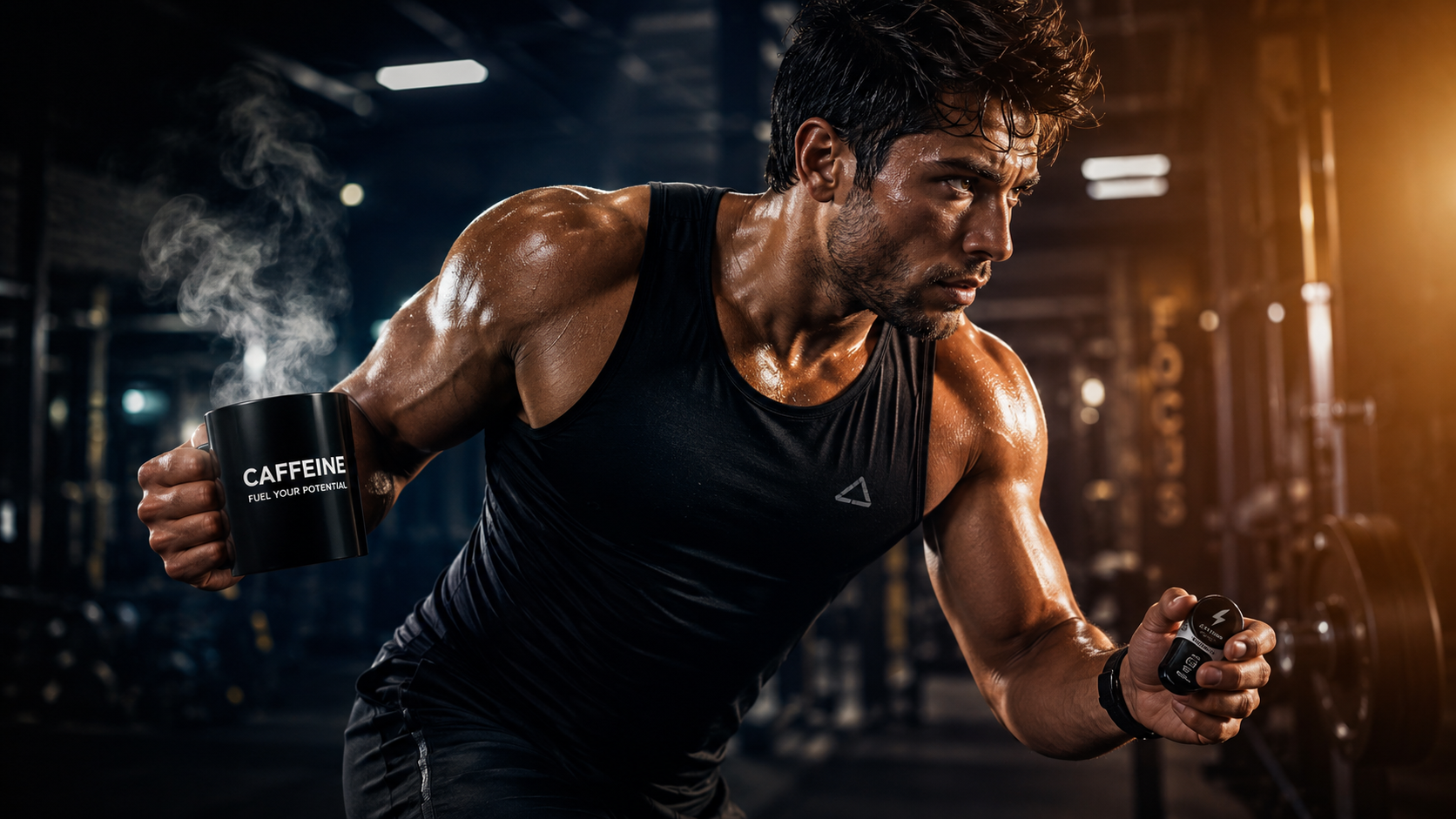
Caffeine is one of the most researched and most effective performance-enhancing substances available — and unlike most supplements, it’s cheap, legal, and already part of most people’s daily routine.
Nearly 9 out of 10 adults in Western countries consume caffeine regularly, yet very few athletes use it strategically.
Most either avoid it out of caution or overload on it right before a workout and hope for the best.
The truth is, caffeine’s benefits for exercise performance are well documented — but only when dosage, timing, and individual response are managed properly.
Get it right, and you can meaningfully improve endurance, power output, and focus.
Get it wrong, and you’re left with jitters, a crashed nervous system, and a ruined night’s sleep.
This guide breaks down exactly how caffeine affects your body during exercise, how to dose and time it for your specific type of training, and how to avoid the common mistakes that blunt its benefits.
Table of contents
- How Caffeine Affects Your Body During Exercise
- The Optimal Caffeine Dose for Exercise
- Timing: When You Take It Matters as Much as How Much
- Caffeine by Exercise Type
- Caffeine and Fat Burning
- Coffee, Capsules, Gum, or Gel — Which Should You Use?
- Habituation and Tolerance
- Side Effects and Who Should Be Cautious
- Building Your Own Caffeine Strategy
- Frequently Asked Questions
How Caffeine Affects Your Body During Exercise
Caffeine is absorbed quickly into the bloodstream, with blood levels typically peaking somewhere between 30 and 120 minutes after intake, and staying elevated for 3 to 4 hours before gradually declining.
What makes caffeine unique compared to most supplements is that it doesn’t just act on one system — it reaches muscle cells, fat cells, and the central nervous system simultaneously, which is why its effects on performance are so wide-ranging.
Here’s what’s actually happening inside your body:
- Central nervous system: Caffeine blocks adenosine, the neurotransmitter responsible for making you feel drowsy and fatigued. This is the main reason focus and alertness improve during exercise.
- Hormonal response: It triggers a rise in circulating adrenaline (epinephrine), the “fight or flight” hormone, which can boost power output and readiness to perform.
- Fat metabolism: Caffeine promotes lipolysis — the breakdown of stored fat — which can spare muscle glycogen and extend endurance capacity.
- Body temperature: It increases thermogenesis, meaning your body produces more heat and burns marginally more calories.
- Perceived effort: Caffeine doesn’t just make hard efforts easier physiologically — it changes how hard the effort feels, which is often the bigger factor in extending performance.
The Optimal Caffeine Dose for Exercise
Most of the performance research lands on a dose range of 3–6 mg of caffeine per kilogram of body weight, taken roughly 30–60 minutes before training.
For context, that works out to about 200–400 mg for a person weighing around 70 kg (154 lbs).
A few important nuances worth knowing:
- Lower doses work too. Newer research shows that even 50–100 mg — well below the “classic” sports-science dose — can meaningfully improve reaction time and mental sharpness, especially in team and ball sports.
- More is not better. Doses beyond roughly 9 mg/kg don’t produce additional performance benefits — they just increase the risk of side effects like anxiety, elevated heart rate, and stomach discomfort. Very high doses can be genuinely dangerous, so never confuse milligrams with grams when measuring supplements.
- Start low if you’re new to it. If you don’t regularly use caffeine, start around 150–200 mg to gauge your personal tolerance before working up to a higher dose on race day or during a key session.
Timing: When You Take It Matters as Much as How Much
Caffeine capsules, coffee, and gels generally take 30–60 minutes to reach peak blood concentration, so timing your intake ahead of training is key to catching that peak right when your session begins.
- Fast metabolizers can usually take caffeine closer to the 30–45 minute mark before training.
- Slow metabolizers may get more benefit from dosing up to 90–120 minutes beforehand.
- Caffeine gum or mouth rinses absorb through the mucous membranes of the mouth and hit the bloodstream in as little as 15–20 minutes — useful for a fast pre-race boost or mid-event top-up.
- One increasingly popular strategy, backed by sports scientists like Dr. Louise Burke, is dosing caffeine at the onset of fatigue rather than only pre-loading before exercise. A smaller dose (~3 mg/kg) taken mid-session — during the second half of a long ride, the final stretch of a marathon, or a late-race surge — can extend endurance right when you need it most.
For evening training or games, it’s worth being more conservative.
Research suggests coffee should ideally be consumed at least 8–9 hours before bedtime, and a standard pre-workout dose at least 13 hours before, to avoid disrupting sleep — so if you train at night, consider skipping caffeine altogether or using it reactively only if you’re genuinely fatigued.
Caffeine by Exercise Type
Caffeine doesn’t affect every kind of training equally.
Here’s how the research breaks down by category:
Endurance exercise sees the most consistent and largest benefit.
Across cycling, running, cross-country skiing, and swimming, caffeine has been shown to improve endurance performance by roughly 2–4% on average, largely by reducing perceived exertion and delaying fatigue.
High-intensity exercise benefits too, though results are more mixed and tend to favor trained athletes over beginners. Reduced perceived effort during hard efforts like intervals or sprints is a consistent finding.
Strength and power training shows a positive but less conclusive picture.
Some studies find improved force, power output, and bar velocity in lifts like the bench press after caffeine intake; others show no significant strength changes.
It appears to help some lifters more than others, and the effect seems smaller than what’s seen in endurance sports.
Team and ball sports benefit from even the lower end of the dosing spectrum — doses as small as 50–100 mg have been linked to faster reaction time and sharper mental alertness during game play.
Caffeine and Fat Burning
Caffeine is a common ingredient in fat-loss supplements for good reason: it promotes lipolysis, increases calorie expenditure slightly, and boosts fat oxidation, particularly in people who are sedentary or untrained.
That said, no research shows that caffeine on its own leads to meaningful long-term weight loss — its role is better understood as a training performance and fat-utilization aid rather than a weight-loss shortcut.
Coffee, Capsules, Gum, or Gel — Which Should You Use?
The performance benefit of caffeine comes down to the dose you consume, not the source — but not every source is equally practical for training:
Coffee is harder to dose precisely because caffeine content varies by bean, roast, and brew method. Energy drinks are often loaded with sugar, which raises the risk of gastric issues during exercise.
For most athletes who want predictable, repeatable dosing, a pure caffeine capsule or tablet is the simplest and most reliable option — which is why they’re the standard choice among trained athletes for pre-workout use.
If you want a straightforward, well-dosed option to start experimenting with, Sports Research L-Theanine + Caffeine Softgels pair 100 mg of organic caffeine with L-theanine, which several athletes find smooths out the jittery edge of a stimulant hit without blunting the alertness benefit.
Habituation and Tolerance
A common myth is that daily coffee drinkers need to “detox” from caffeine in the days before a big event to feel its performance benefits.
The evidence on this is actually mixed and fairly limited — several controlled studies found that caffeine still significantly improved performance in trained athletes regardless of whether they had abstained beforehand.
Forcing a withdrawal period can also cause its own fatigue and irritability, which may do more harm than good heading into competition.
A more practical approach: keep your normal caffeine habits intact, and simply organize the timing of your usual intake around your training or event, rather than trying to manipulate your baseline tolerance.
If you’re a heavy daily caffeine user looking for a more sustained-release option that fits into a full-day training or work schedule, NOW Foods Sustained Energy Caffeine Capsules combine a slower caffeine release with B vitamins, which can help avoid the sharp peak-and-crash pattern that immediate-release capsules sometimes produce.
Side Effects and Who Should Be Cautious
At sensible doses, caffeine is a very safe supplement for most healthy adults. But side effects become more likely as the dose climbs, especially past 400–600 mg in a single sitting (roughly the equivalent of 4–6 cups of coffee):
- Elevated heart rate
- Anxiety or jitteriness
- Dizziness
- Insomnia or disrupted sleep
- Irritability
- Tremors
- Stomach discomfort
People with heart conditions, high blood pressure, GERD, anxiety disorders, or who are pregnant should talk to a doctor before adding caffeine supplementation to a training routine.
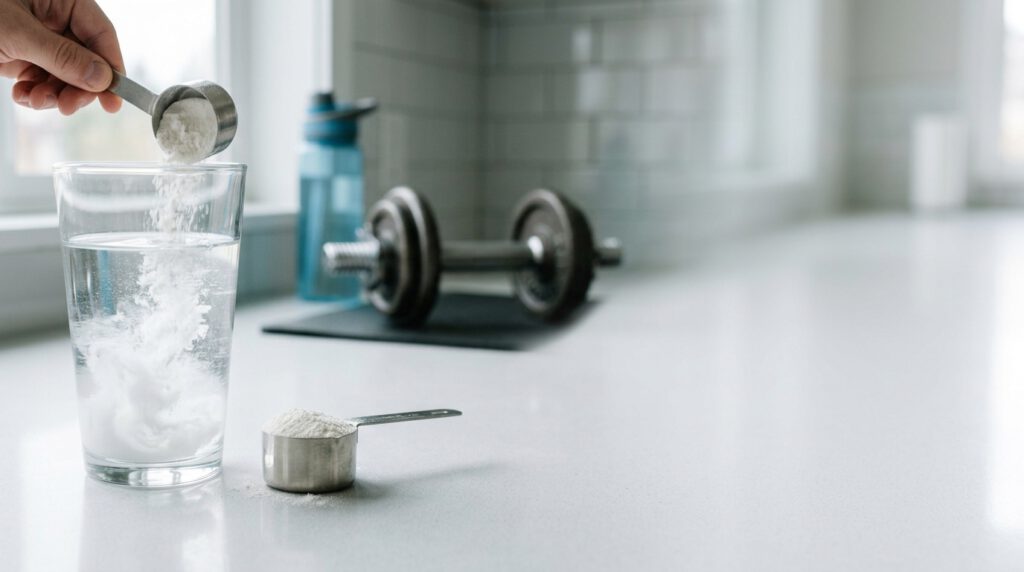
And because caffeine is often measured in milligrams while some bulk powders are sold in grams, always double-check your supplement’s label — dosing errors with concentrated caffeine powder have led to serious, even fatal, overdoses in rare cases.
Stick to pre-dosed capsules or tablets rather than measuring loose powder by hand.
Building Your Own Caffeine Strategy
There’s no single “correct” caffeine protocol — the right approach depends on your sport, body weight, training time of day, and how your body personally responds to caffeine.
A good starting framework looks like this:
- Test in training, not competition. Try your planned dose and timing during a training session before using it on race day.
- Start conservative. Begin at the lower end of the 3–6 mg/kg range and adjust based on how you feel.
- Match timing to your session. Morning or midday training allows a standard pre-workout dose; evening sessions call for a lower dose, earlier timing, or skipping it altogether.
- Consider a mid-session top-up for long efforts. For events over 90 minutes, a smaller dose partway through — timed to the onset of fatigue — can extend your output through the second half.
- Keep a personal log. Caffeine response varies by genetics and daily habits, so track your dose, timing, and how you performed to fine-tune your own protocol over time.
For longer training blocks or race-day fueling where you want caffeine and hydration support in one place, a pack like the Sports Research Pre-Workout Bundle — which combines creatine, caffeine with L-theanine, and electrolytes — is a convenient way to cover several bases at once without stacking separate products.
Frequently Asked Questions
How much caffeine should I take before a workout?
Most research supports 3–6 mg per kilogram of body weight, roughly 200–400 mg for a 70 kg person, taken 30–60 minutes before training.
Lower doses of 50–100 mg can still improve focus and reaction time for less intense sessions.
Does caffeine help with strength training or just endurance?
Endurance sports show the most consistent benefit, but caffeine can also modestly improve power output and force production in strength training, though results vary more between individuals.
Is coffee as effective as caffeine supplements?
Yes — research suggests coffee and caffeine anhydrous supplements produce similar performance benefits. Coffee is simply harder to dose precisely due to variation in brewing strength.
Can I take caffeine every day and still get a performance benefit before workouts?
Yes. Evidence does not strongly support that daily caffeine users need to “cycle off” before competing — the acute performance benefit still shows up even with regular use.
Is it safe to combine caffeine with pre-workout supplements or coffee on the same day?
It can be, but total daily intake adds up quickly.
Track your combined caffeine from coffee, supplements, and any other sources to avoid unintentionally exceeding a safe dose.
This article is for informational purposes only and is not medical advice. Consult a healthcare provider before starting any new supplement routine, especially if you have a heart condition, high blood pressure, anxiety disorder, or are pregnant.
Related Posts

Stay Informed With the Latest & Most Important News
Previous Post
Next Post






Advertisement