























Now Reading: Walking for Weight Loss: How Many Steps Do You Really Need?
-
01
Walking for Weight Loss: How Many Steps Do You Really Need?


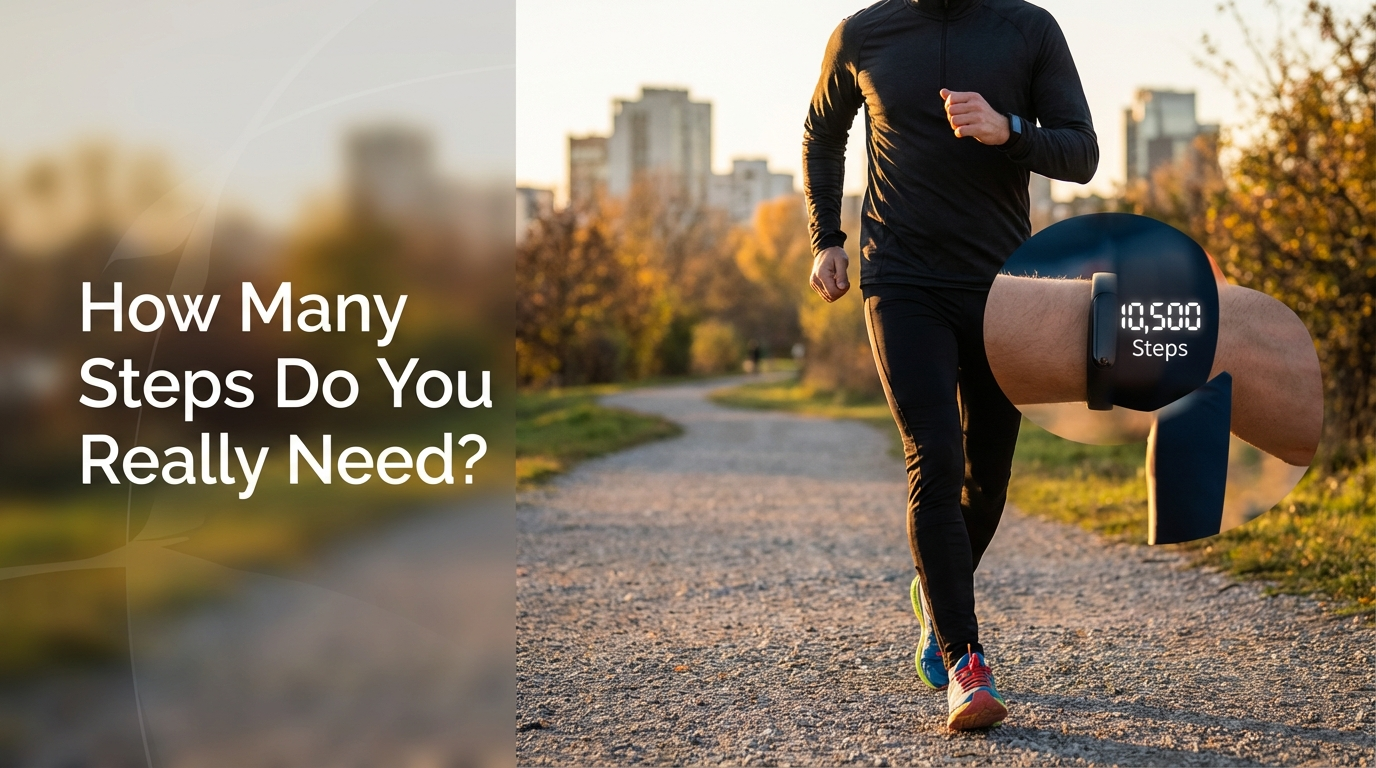
Walking is one of the simplest and most effective ways to lose weight.
It doesn’t require a gym membership, expensive equipment, or advanced fitness skills. But the real question is: how many steps do you actually need to lose weight?
While you’ve probably heard about the famous 10,000-step goal, the truth is more flexible—and more achievable.
Table of contents
- How Many Steps Do You Need to Lose Weight?
- Is 10,000 Steps a Day Really Necessary?
- How Many Calories Does Walking Burn?
- Why Walking Works for Weight Loss
- Does Walking Speed Matter?
- How to Reach Your Daily Step Goal
- How Many Steps Based on Your Goal
- Important Factors That Affect Results
- Pro Tip: Consistency Beats Perfection
- Conclusion
How Many Steps Do You Need to Lose Weight?
For most people, the ideal daily step count for weight loss falls within this range:
- 7,000–10,000 steps per day → Optimal for fat loss
- Around 8,000 steps → Noticeable changes in body composition
- 10,000+ steps → Maximum consistent results
If you’re just starting out, even 5,000 steps per day can provide significant health benefits.
👉 The key isn’t just hitting a number—it’s increasing your daily movement consistently.
Is 10,000 Steps a Day Really Necessary?
Not exactly.
The 10,000-step goal actually started as a marketing campaign in Japan in the 1960s, not a strict scientific rule.
Research now shows:
- Health benefits begin at ~5,000 steps/day
- Risk of disease drops significantly around 7,000–8,000 steps
- For adults over 60, 6,000–8,000 steps is often enough
👉 Bottom line: 10,000 steps is great—but not mandatory.
How Many Calories Does Walking Burn?
On average:
- 1,000 steps = 30–50 calories burned
- 10,000 steps = 300–800 calories
Your calorie burn depends on:
- Body weight
- Walking speed
- Terrain
- Effort level
👉 Example:
If you increase your daily steps by 2,000, you could burn an extra 100 calories per day—which adds up over time.
Why Walking Works for Weight Loss
1. Helps Create a Calorie Deficit
Weight loss happens when you burn more calories than you consume. Walking makes it easier to achieve that without extreme dieting.
2. Preserves Lean Muscle
Unlike intense cardio, walking helps maintain muscle mass, which is essential for a healthy metabolism.
3. Boosts Mental Health
Walking releases endorphins and serotonin, helping reduce stress, anxiety, and emotional eating.
4. Low-Impact and Beginner-Friendly
Walking is gentle on joints, making it perfect for:
- Beginners
- Older adults
- People recovering from injury
5. Easy to Stick To
You can walk anywhere:
- At home
- In a park
- During work breaks
👉 Consistency is what drives real weight loss results.
Does Walking Speed Matter?
Yes—a lot.
- Brisk walking burns more calories
- Improves heart health
- Increases fat burning
👉 A good pace = you can talk, but not sing.
How to Reach Your Daily Step Goal
1. Increase Gradually
Add 1,000 steps every 1–2 weeks to avoid burnout.
2. Walk with Intensity
- Use stairs
- Walk uphill
- Add short bursts of fast walking
3. Schedule Your Walks
Aim for 30–45 minutes of brisk walking daily
(≈ 3,000–4,000 steps)
4. Build Steps Into Your Day
- Walk during phone calls
- Park farther away
- Take the stairs
- Go for short 10-minute walks
5. Make It Enjoyable
Walk with a friend, listen to music, or explore new الأماكن to stay motivated.
How Many Steps Based on Your Goal
| Goal | Recommended Steps |
|---|---|
| General Health | 5,000–7,000 |
| Weight Loss | 8,000–10,000+ |
| Maximum Fat Loss | 10,000–12,000+ |
Important Factors That Affect Results
Your results depend on:
- Age → metabolism slows over time
- Body composition → more muscle = more calories burned
- Fitness level → beginners burn more initially
- Effort & terrain → hills burn more than flat walking
Pro Tip: Consistency Beats Perfection
You don’t need to hit 10,000 steps every day.
👉 What matters most:
- Moving more than yesterday
- Staying consistent
- Combining walking with a healthy diet
Conclusion
So, how many steps do you really need?
👉 Start with 7,000–8,000 steps per day
👉 Build up to 10,000+ for faster results
But remember—even small increases make a big difference.
Walking is not just a weight loss tool—it’s a lifestyle habit that improves your body, mind, and long-term health.
Related Posts
Stay Informed With the Latest & Most Important News
Previous Post
Next Post









Advertisement