


















Now Reading: A Realistic “What I Eat in a Day” Plan for Weight Loss
-
01
A Realistic “What I Eat in a Day” Plan for Weight Loss


If you’re trying to lose weight, you’ve probably come across extreme diet plans that are nearly impossible to stick to. The truth is, sustainable weight loss comes from realistic eating habits, not restriction.
In this guide from Fitnexa, I’ll walk through a realistic 1,500–1,600 calorie “What I Eat in a Day” plan that focuses on high-protein, fiber-rich meals to keep you full while maintaining a calorie deficit.
Table of contents
Daily Calorie Target for Weight Loss
A daily intake of 1,500–1,600 calories works well for many people aiming to lose weight steadily. It supports fat loss without starvation, helps maintain energy levels, and encourages consistency over time. A safe and realistic goal is losing 1–2 pounds per week.
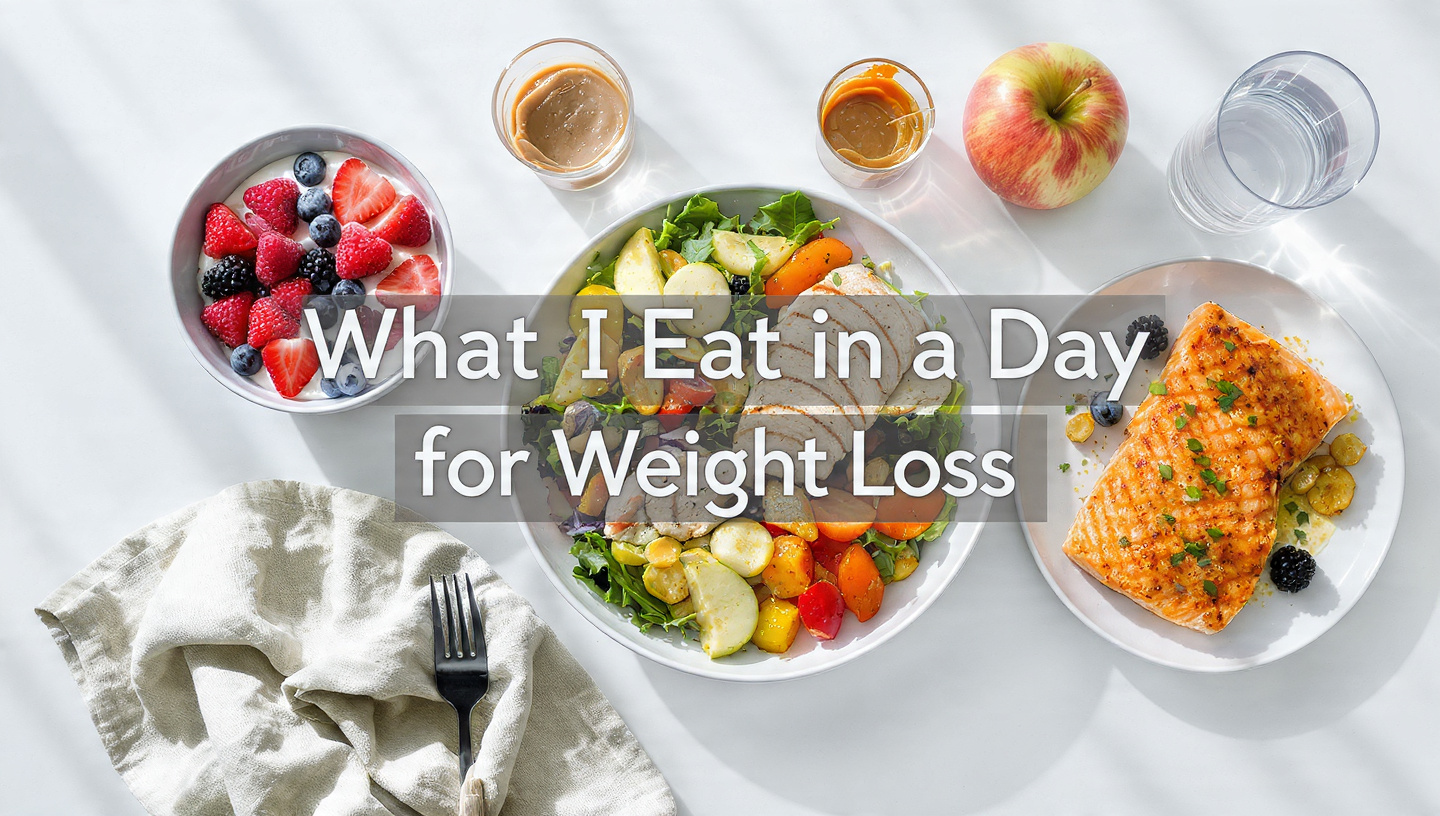
What I Eat in a Day
Breakfast (300–350 calories) — Greek Yogurt Bowl
Plain low-fat Greek yogurt, fresh berries (strawberries, blueberries), and flax seeds or a small portion of oats or nuts.
High in protein, rich in fiber, and keeps you full for hours.
Lunch (around 400 calories) — Grilled Chicken Salad
Grilled chicken breast, spinach or mixed greens, tomatoes and cucumber, a light dressing (olive oil and lemon), and ½ cup of chickpeas or quinoa.
A balanced meal with protein, fiber, and carbs — great for energy and satiety.
Dinner (450 calories) — Lean Protein + Veggies
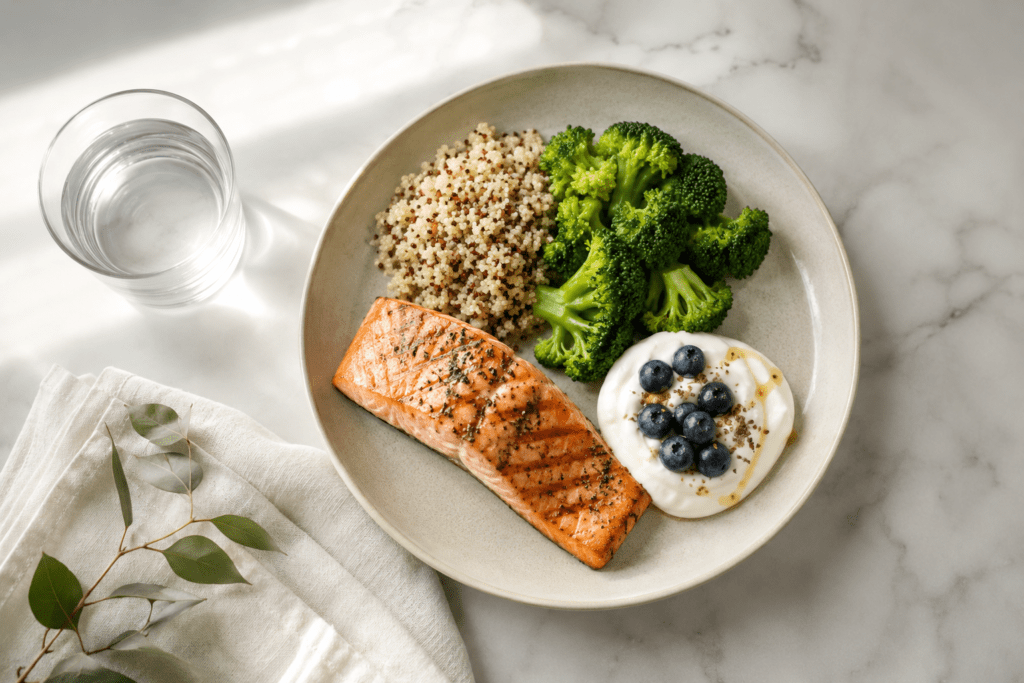
Baked salmon or white fish (125–150g), roasted broccoli and carrots, and a small portion of sweet potato.
Packed with nutrients, and supports both fat loss and muscle maintenance.
Snacks (200–300 calories total)
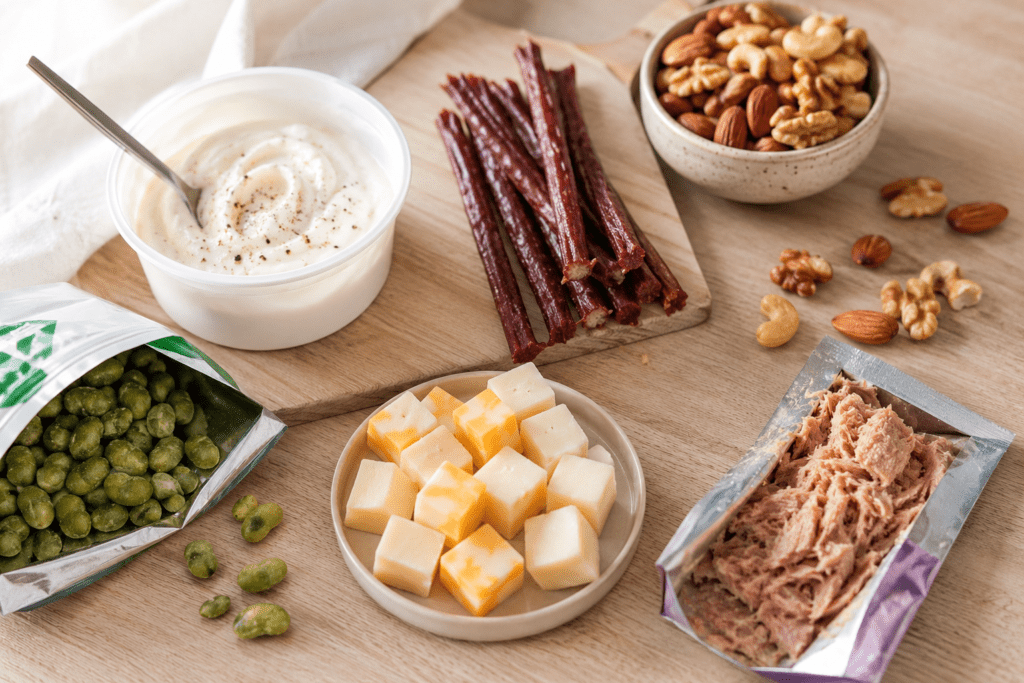
Choose 1–2: an apple with 1 tbsp peanut butter, carrot sticks with hummus, or a handful of nuts.
These prevent overeating later and keep your metabolism steady throughout the day.
Hydration
2–3 liters of water daily, plus black coffee or green tea as you like. Staying hydrated helps control hunger and supports metabolism.
Core Principles for Realistic Weight Loss
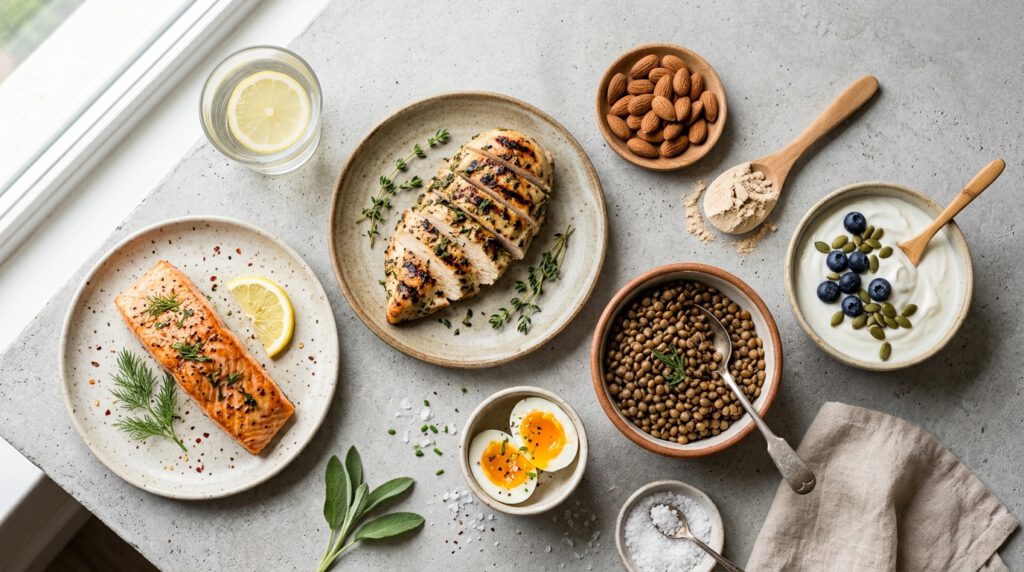
1. Protein first. Include protein in every meal — chicken, fish, eggs, Greek yogurt, beans and legumes. It helps you stay full longer and reduces cravings.
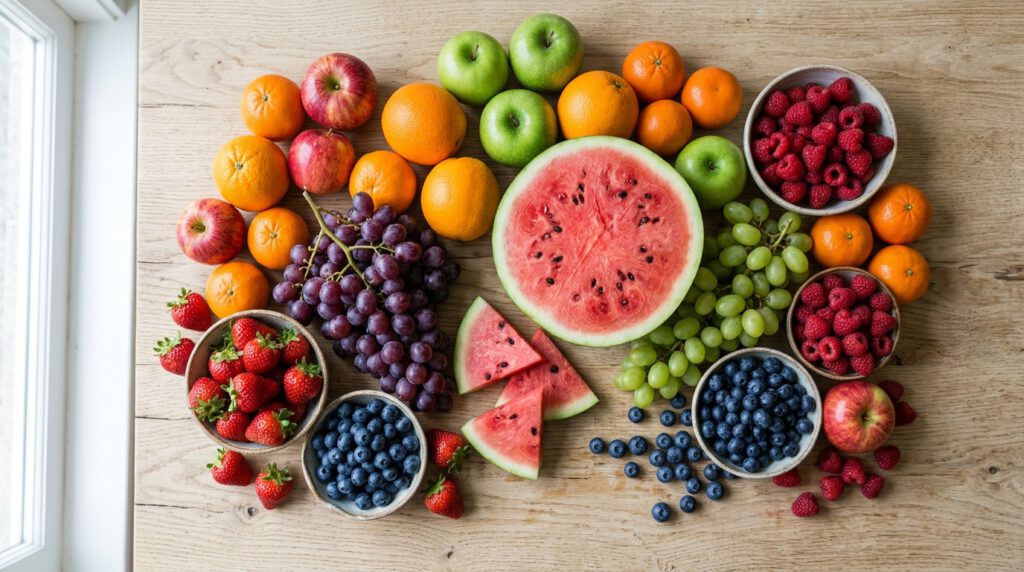
2. Fill your plate with veggies. Make half your plate vegetables like broccoli, spinach, or zucchini. Low calories and high volume add up to better satiety.
3. Choose smart carbs. Skip refined carbs in favor of brown rice, whole grain bread, or quinoa.
4. Snack smart. Skip processed snacks and reach for fruits, nuts, or low-fat dairy instead.
5. Don’t fear healthy fats. Include olive oil, avocado, and nuts in moderation — they’re essential for hormones and overall health.
Why This Plan Works
This approach focuses on nutrient-dense foods, balanced meals, and sustainable habits. Unlike crash diets, it helps you lose fat without feeling deprived, maintain muscle, and build habits that actually last.
Tips to Stay Consistent
- Use smaller plates to help control portions.
- Avoid eating while watching TV.
- Plan your meals in advance.
- Track your progress weekly.
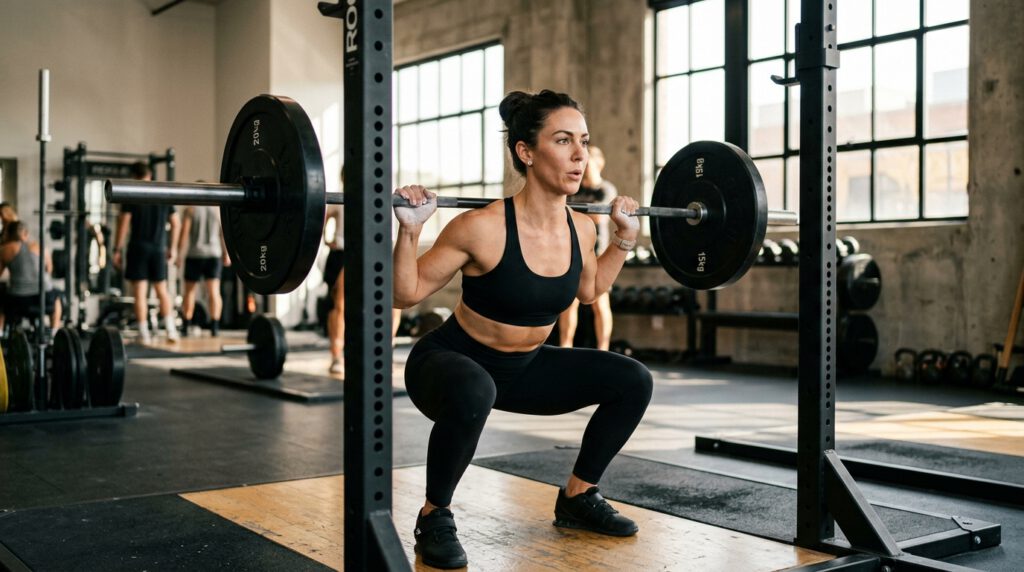
- Stay active — walking, workouts, or just daily movement.
Final Thoughts
A realistic “What I Eat in a Day” for weight loss isn’t about perfection — it’s about consistency and balance. If you focus on high-protein meals, whole foods, and portion control, you’ll be able to lose weight without feeling restricted — and more importantly, keep it off.
Related Posts
Stay Informed With the Latest & Most Important News
Previous Post
Next Post







Advertisement