





















Now Reading: Pre-Workout Supplements: Do They Actually Work? A Science-Backed Review
-
01
Pre-Workout Supplements: Do They Actually Work? A Science-Backed Review



If you’ve ever walked through a supplement store or scrolled through fitness influencers on social media, you’ve probably seen dozens of brightly colored tubs promising explosive energy, laser focus, and “skin-splitting” pumps. But do pre-workout supplements actually work, or is it all marketing hype?
The short answer: yes, pre-workout supplements can work — but only when they contain the right ingredients, in the right doses, backed by real science. In this article, we’ll break down exactly what the research says, which ingredients matter, what to watch out for, and how to choose a pre-workout that’s actually worth your money.
Table of contents
What Are Pre-Workout Supplements?
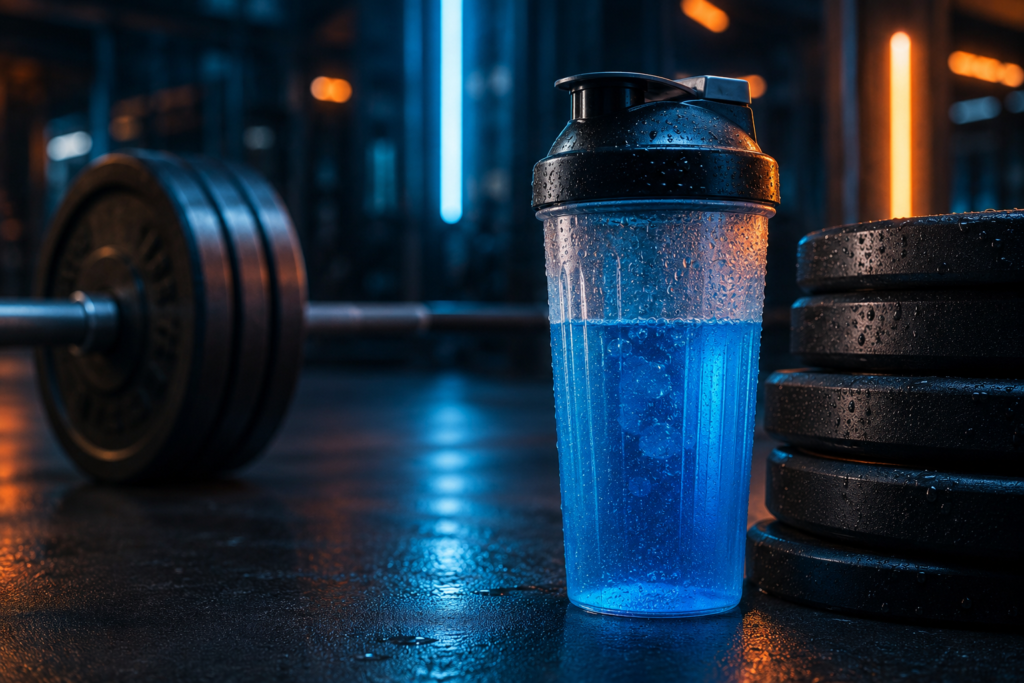
Pre-workout supplements (often just called “pre-workouts”) are multi-ingredient dietary products designed to boost energy, strength, focus, and endurance during exercise. Some formulas are also designed to support muscle recovery after a workout.
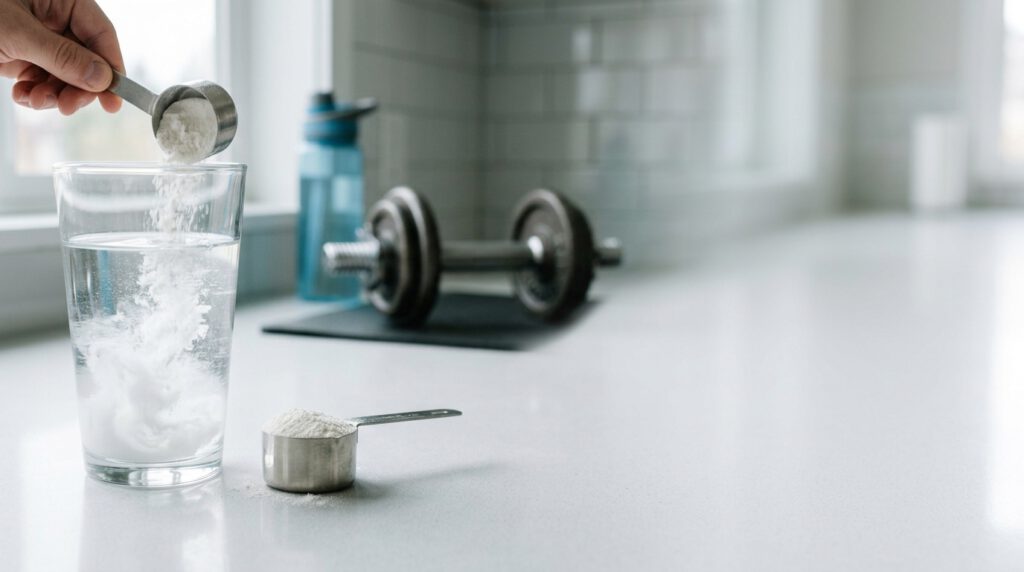
Pre-workouts come in several forms, including:
- Powders (mixed with water)
- Capsules or pills
- Chewable gummies
- Ready-to-drink cans
Most are taken about 30 minutes before training to allow the active ingredients time to take effect.
While formulas vary widely between brands, the most common ingredients include caffeine, beta-alanine, amino acids, electrolytes, creatine, and L-citrulline. Some products also include niacin, taurine, tyrosine, betaine, and “proprietary blends” — a term that, as we’ll explain later, isn’t always a good sign.
Do Pre-Workout Supplements Actually Work? The Science-Backed Ingredients
The effectiveness of a pre-workout almost entirely depends on its ingredients — and more importantly, on whether those ingredients are dosed at levels that match what’s been studied in clinical research.
1. Caffeine: The Most Proven Pre-Workout Ingredient
Caffeine is widely considered the gold standard of pre-workout ingredients, and for good reason. As a natural central nervous system stimulant, caffeine works by blocking adenosine — a brain chemical responsible for making you feel sleepy.
Research supports caffeine doses of roughly 3 to 6 mg per kilogram of body weight for measurable improvements in:
- Alertness and focus
- Reaction time
- Reduced perception of fatigue
- Overall athletic performance
Sports dietitians consistently point to caffeine as the most heavily studied and most effective ingredient in any pre-workout formula.
2. Beta-Alanine: Better Endurance for High-Intensity Efforts
Beta-alanine is an amino acid that increases levels of carnosine in your muscles. Carnosine acts as a buffer against lactic acid buildup — the burning sensation you feel during intense exercise.
Studies show beta-alanine is particularly effective for high-intensity efforts lasting 1 to 4 minutes, such as sprinting, HIIT, or heavy resistance training sets. For it to work, you typically need a dose between 3 and 6 grams per day.
One common side effect is paresthesia — a harmless tingling or itching sensation, usually felt on the face and hands.
3. L-Citrulline: Better Blood Flow and “Pumps”
L-citrulline has become a popular alternative to L-arginine because it’s more effectively absorbed by the body. Once converted to nitric oxide, it helps widen blood vessels, improving blood flow and nutrient delivery to working muscles.
This is the ingredient most associated with that “pump” feeling many lifters chase — and it may also support endurance performance.
4. Creatine: Proven, But Mostly for Strength Training
Creatine is one of the most researched supplements in sports nutrition — full stop. It helps replenish ATP (your muscles’ immediate energy source), which supports explosive movements like sprinting and heavy lifting.
When taken consistently (not just on workout days), creatine has been shown to:
- Increase strength and power
- Support lean muscle mass over time
- Improve hydration and recovery
That said, while creatine is excellent for strength training, the evidence for endurance athletes is still mixed.
What About BCAAs?
Branched-chain amino acids (BCAAs) — leucine, valine, and isoleucine — are common in pre-workout blends. However, there’s currently no strong evidence that BCAAs taken before a workout meaningfully improve energy, strength, or endurance on their own.
Electrolytes
Electrolytes help your body maintain fluid balance and prevent cramping, headaches, and fatigue caused by sweating. If you train hard and sweat heavily, a pre-workout with a modest dose of electrolytes may help — but they aren’t a primary performance driver on their own.
What the Science Doesn’t Support
It’s important to set realistic expectations. Pre-workouts are not magic pills, and research highlights a few key limitations:
- Minimal long-term muscle gains on their own: Long-term studies show that taking a pre-workout doesn’t independently lead to greater strength or muscle mass without a proper training program and diet.
- Underdosed “proprietary blends”: Many brands hide exact ingredient amounts behind vague proprietary blend labels. This often means you’re getting far less than the clinically effective dose — for example, 2 g of beta-alanine instead of the 3–6 g shown to work.
Are Pre-Workout Supplements Safe?
Because the dietary supplement industry is largely unregulated, all supplements carry some level of risk — and pre-workouts are often considered “high-risk” due to potent stimulant content and inconsistent labeling.
Common side effects include:
- Jitters and elevated heart rate: High caffeine content (often 150–400 mg per serving) can cause anxiety, a racing heart, and sleep disturbances — especially if taken later in the day.
- Niacin flush: Some formulas contain large doses of niacin (over 500 mg), which can cause temporary red, itchy patches on the skin.
- Paresthesia: As mentioned earlier, beta-alanine can cause a tingling sensation that, while uncomfortable, is harmless.
Who Should Avoid Pre-Workouts?
Certain groups should be especially cautious, including:
- Athletes under 18 years old
- People with high blood pressure or a heart condition
- Anyone sensitive to stimulants or already consuming a lot of caffeine daily
Talking to a doctor before starting any pre-workout — even a third-party-tested one — is a smart step, particularly if you have underlying health conditions.
How to Choose a Pre-Workout Supplement (Safely)
If you decide a pre-workout is right for you, keep these guidelines in mind:
- Prioritize transparency. Choose products that fully disclose ingredient amounts rather than hiding behind “proprietary blends.”
- Look for third-party certifications. Labels like NSF Certified for Sport or Informed Choice indicate the product has been independently tested for quality and banned substances.
- Track your total caffeine intake. If you already drink coffee or tea throughout the day, adding a high-stimulant pre-workout could push your total intake into uncomfortable — or even risky — territory.
- Match ingredients to your goals. If you’re focused on strength, prioritize caffeine and creatine. If endurance and “pumps” matter more, look for beta-alanine and L-citrulline.
So, Do You Actually Need a Pre-Workout?
Here’s the honest takeaway: most pre-workouts can provide real benefits — more energy, better focus, improved endurance, and reduced fatigue — but the effect largely comes down to whether the formula contains research-backed doses of proven ingredients like caffeine, beta-alanine, citrulline, and creatine.
That said, you don’t necessarily need one. For many people, 1 to 2 cups of black coffee can deliver roughly 90–180 mg of caffeine — arguably the single most effective pre-workout ingredient — without the extra additives, proprietary blends, or cost.
Frequently Asked Questions
Do pre-workout supplements really work?
Yes — when they contain clinically effective doses of ingredients like caffeine, beta-alanine, creatine, and L-citrulline, pre-workouts can meaningfully improve energy, focus, and exercise performance.
What is the most effective ingredient in pre-workout supplements?
Caffeine is widely regarded as the most proven and effective ingredient, supported by extensive research on performance, alertness, and reduced fatigue.
Are pre-workout supplements safe to use daily?
They can be, but because the supplement industry is largely unregulated, it’s important to choose third-party-tested products and monitor your total daily caffeine and stimulant intake.
Can I just drink coffee instead of taking a pre-workout?
Yes. A cup or two of black coffee provides a significant dose of caffeine — the most effective pre-workout ingredient — without extra additives or proprietary blends.
This article is for informational purposes only and is not a substitute for professional medical advice. Consult a healthcare provider before starting any new supplement, especially if you have a heart condition, high blood pressure, or are under 18.
Related Posts

Stay Informed With the Latest & Most Important News
Previous Post
Next Post








Advertisement