
















Now Reading: The Bioavailability Guide: Why What You Absorb Matters More Than What You Eat
-
01
The Bioavailability Guide: Why What You Absorb Matters More Than What You Eat


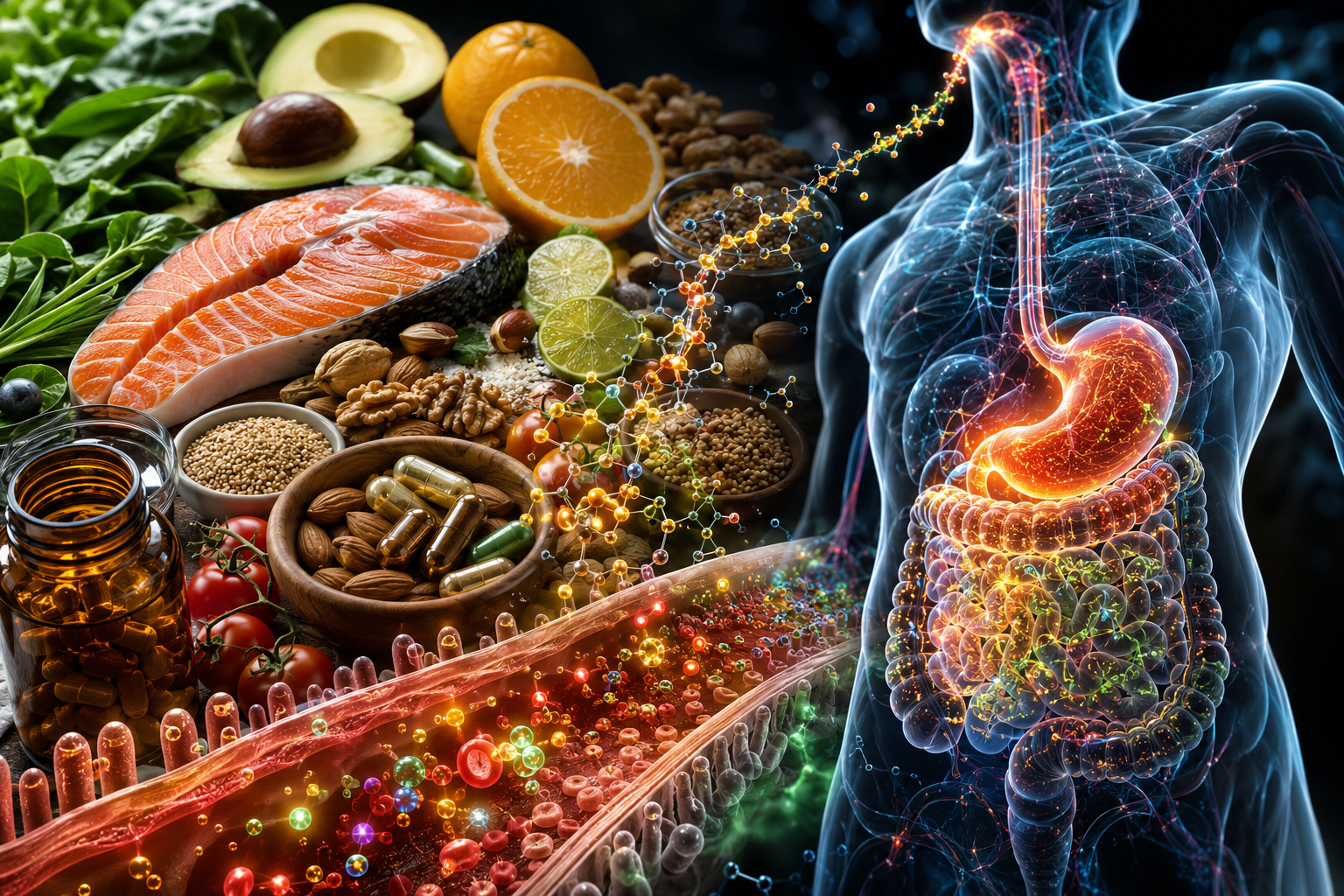
You can eat the healthiest diet in the world and still miss out on essential nutrients.
Why? Because nutrition is not only about what you consume — it’s about what your body can actually absorb and utilize.
This concept is known as bioavailability, and it may be the missing link between eating healthy and truly feeling healthy.
Most people focus on nutrition labels, counting grams of protein, vitamins, and minerals. But the truth is simple: if your body cannot break down, absorb, and transport those nutrients effectively, they provide little real benefit.
In other words, what matters most is not what’s on your plate — it’s what reaches your cells.
Table of contents
- What Is Bioavailability?
- Bioavailability vs. Absorption: What’s the Difference?
- Why Some Nutrients Are Easier to Absorb Than Others
- Nutrient Synergy: The Power of Smart Food Pairing
- Gut Health: The Hidden Key to Bioavailability
- Hydration and Bioavailability
- Genetics Also Influence Nutrient Utilization
- Practical Ways to Improve Nutrient Bioavailability
- Final Thoughts
What Is Bioavailability?
Bioavailability refers to the proportion of nutrients your body successfully absorbs and uses after you eat or drink something.
Think of your body like a sponge. Some nutrients soak in easily, while others pass through with minimal impact depending on digestion, food combinations, hydration, preparation methods, and even genetics.
Two foods may contain the exact same nutrient on paper, yet your body may absorb significantly more from one than the other.
That’s why bioavailability plays a major role in:
- Energy levels
- Muscle growth
- Immune health
- Hydration
- Bone strength
- Cognitive performance
- Overall wellness
Bioavailability vs. Absorption: What’s the Difference?
These terms are closely related but not identical.
Absorption
Absorption is the process of moving nutrients from your digestive tract into your bloodstream.
Bioavailability
Bioavailability goes further. It measures how much of that nutrient actually reaches your tissues and cells in a usable form.
A nutrient may technically be absorbed but still fail to function properly if it’s poorly transported, improperly converted, or blocked by other compounds.
Why Some Nutrients Are Easier to Absorb Than Others
Several important factors determine how much nutrition your body actually receives from food and supplements.
1. The Food Matrix and Preparation Methods
The structure of food dramatically influences nutrient availability.
Animal vs. Plant Nutrients
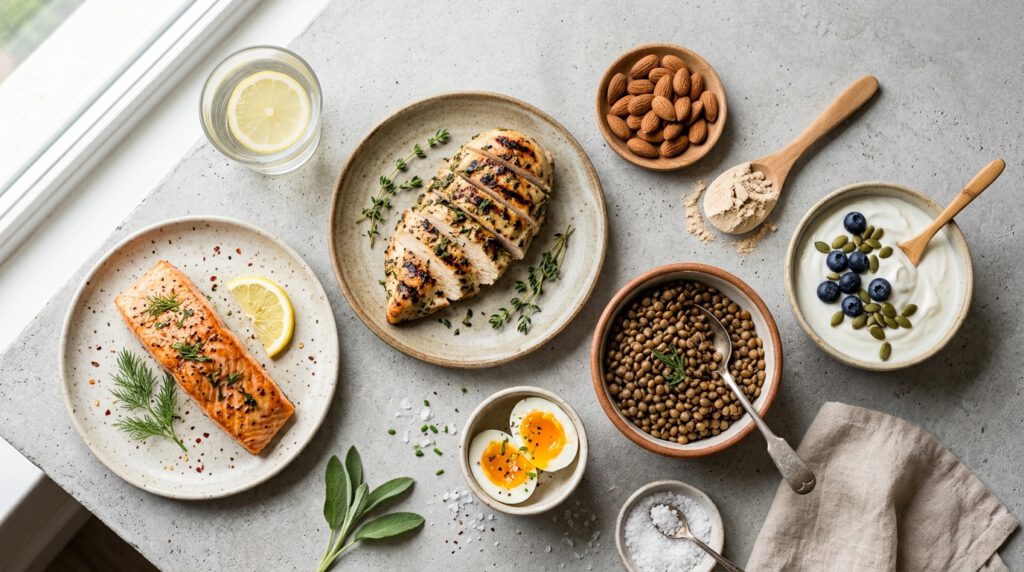
Certain nutrients are naturally more bioavailable in animal foods.
For example:
- Heme iron from meat is absorbed far more efficiently than non-heme iron from plants.
- Animal proteins are generally more complete and easier to digest.
Spinach may contain iron, but studies show only a very small percentage is actually absorbed because of naturally occurring compounds that interfere with uptake.
Anti-Nutrients Can Block Absorption
Many plant foods contain compounds called anti-nutrients, including:
- Phytic acid
- Oxalates
- Lectins
These substances can bind to minerals like zinc, calcium, magnesium, and iron, reducing absorption.
Examples include:
- Beans and legumes
- Whole grains
- Spinach
- Nuts and seeds
This doesn’t mean these foods are unhealthy — only that preparation methods matter.
Cooking Can Help or Hurt
Cooking changes nutrient availability in different ways.
Cooking Can Improve Bioavailability
Heat can break down plant cell walls and release nutrients.
For example:
- Lycopene in tomatoes becomes more bioavailable after cooking.
- Light steaming may improve digestion and mineral accessibility.
Cooking Can Reduce Certain Nutrients
Heat-sensitive vitamins may degrade during excessive cooking, including:
- Vitamin C
- Folate
- Some B vitamins
The goal is balance: cook strategically rather than avoiding cooking entirely.
2. The Form of the Nutrient Matters
Not all vitamins and minerals are created equal.
Fat-Soluble Vitamins Need Fat
Vitamins:
- A
- D
- E
- K
require dietary fat for proper absorption.
Eating carrots without any fat source limits your ability to absorb beta-carotene effectively.
Better Pairings Include:
- Olive oil on salads
- Avocado with vegetables
- Nuts and seeds with leafy greens
- Eggs cooked in healthy fats
Mineral Forms Affect Uptake
The chemical structure of supplements significantly impacts absorption.
For example:
Better-Absorbed Mineral Forms
- Magnesium glycinate
- Zinc picolinate
- Iron bisglycinate
Less Bioavailable Forms
- Magnesium oxide
- Calcium carbonate
Chelated minerals are generally absorbed more efficiently because they are bound to amino acids.
Nutrient Synergy: The Power of Smart Food Pairing
Some nutrients work better together.
Others compete for absorption.
Understanding these interactions can dramatically improve nutrient utilization.
Vitamin C + Iron = Better Iron Absorption
Plant-based iron is difficult for the body to absorb.
Vitamin C helps convert non-heme iron into a more absorbable form.
Great Pairings
- Spinach with lemon juice
- Lentils with bell peppers
- Beans with tomatoes
- Kale salad with citrus dressing
This is one of the easiest ways to improve iron status naturally.
Calcium and Iron Compete
Large amounts of calcium can reduce iron absorption when consumed together.
For example:
- Taking calcium supplements with iron-rich meals may decrease iron uptake.
Spacing them apart can improve absorption efficiency.
Calcium + Vitamin D = Stronger Bones
Vitamin D helps transport calcium into the bloodstream and bones.
Without adequate Vitamin D, calcium absorption drops significantly.
Smart Combinations
- Yogurt with sunlight exposure
- Salmon with leafy greens
- Fortified dairy products with eggs
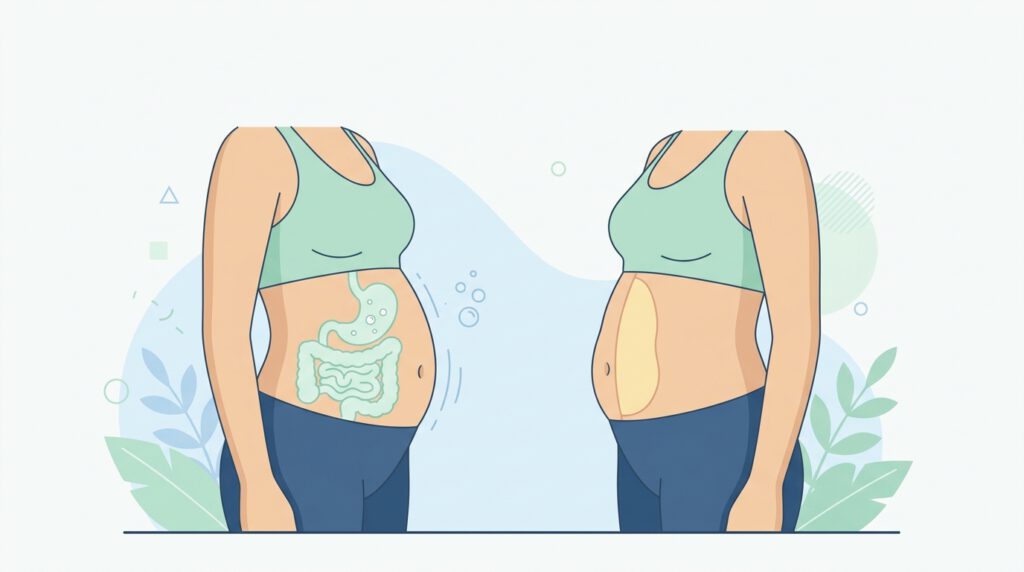
Gut Health: The Hidden Key to Bioavailability
Even the perfect diet won’t help much if your digestive system is compromised.
Healthy nutrient absorption depends heavily on:
- Stomach acid production
- Digestive enzymes
- Gut lining integrity
- A balanced microbiome
Poor gut health can reduce your ability to absorb:
- Iron
- Magnesium
- Vitamin B12
- Protein
- Fat-soluble vitamins
Signs of Poor Nutrient Absorption
Common symptoms may include:
- Fatigue
- Bloating
- Brain fog
- Weak nails
- Hair loss
- Muscle weakness
- Frequent illness
How to Support Gut Health Naturally
Helpful Habits
- Eat fermented foods
- Stay hydrated
- Consume enough fiber
- Reduce ultra-processed foods
- Manage stress
- Chew food thoroughly
A healthy gut acts like a high-efficiency nutrient gateway.
Hydration and Bioavailability
Hydration plays a surprisingly important role in nutrient transport.
Water helps:
- Dissolve nutrients
- Move compounds through digestion
- Support circulation
- Improve cellular delivery
When dehydrated, digestion slows and nutrient transport becomes less efficient.
Think of water as the delivery system that carries nutrients where they need to go.
Genetics Also Influence Nutrient Utilization
Your genes can affect how well you convert and use certain nutrients.
Examples include:
MTHFR Gene Variations
Some people struggle to convert synthetic folic acid into active methylfolate.
BCO1 Gene Variants
Certain individuals poorly convert beta-carotene into usable Vitamin A.
This explains why nutrition can feel highly individual.
The same diet does not work equally well for everyone.
Practical Ways to Improve Nutrient Bioavailability
Here are simple science-backed strategies you can start using immediately.
1. Pair Fat with Fat-Soluble Vitamins
Add healthy fats to vegetables rich in Vitamins A, D, E, and K.
2. Add Vitamin C to Plant-Based Iron Sources
Use lemon, oranges, tomatoes, or peppers alongside beans and leafy greens.
3. Cook Smart
Light steaming, roasting, soaking, and sprouting can improve nutrient availability.
4. Prioritize Gut Health
Healthy digestion is essential for nutrient absorption.
5. Stay Properly Hydrated
Water supports digestion, circulation, and nutrient transport.
6. Choose High-Quality Supplement Forms
Chelated minerals and bioactive vitamin forms are often absorbed more effectively.
Final Thoughts
Nutrition is not just about what you eat — it’s about what your body can actually use.
You could consume a perfectly balanced meal filled with vitamins and minerals, but if absorption is poor, much of that nutrition may never reach your cells.
Understanding bioavailability changes the way you think about food.
Instead of obsessing over numbers on labels, focus on:
- Food combinations
- Preparation methods
- Gut health
- Hydration
- Nutrient synergy
Small adjustments can dramatically improve how your body uses the nutrients you already consume.
Because in the end, real nutrition isn’t about what enters your mouth.
It’s about what truly nourishes your body.
Related Posts

Stay Informed With the Latest & Most Important News
Previous Post
Next Post








Advertisement