
























Now Reading: Visceral Fat vs. Subcutaneous Fat: Which Belly Fat Is More Dangerous?
-
01
Visceral Fat vs. Subcutaneous Fat: Which Belly Fat Is More Dangerous?


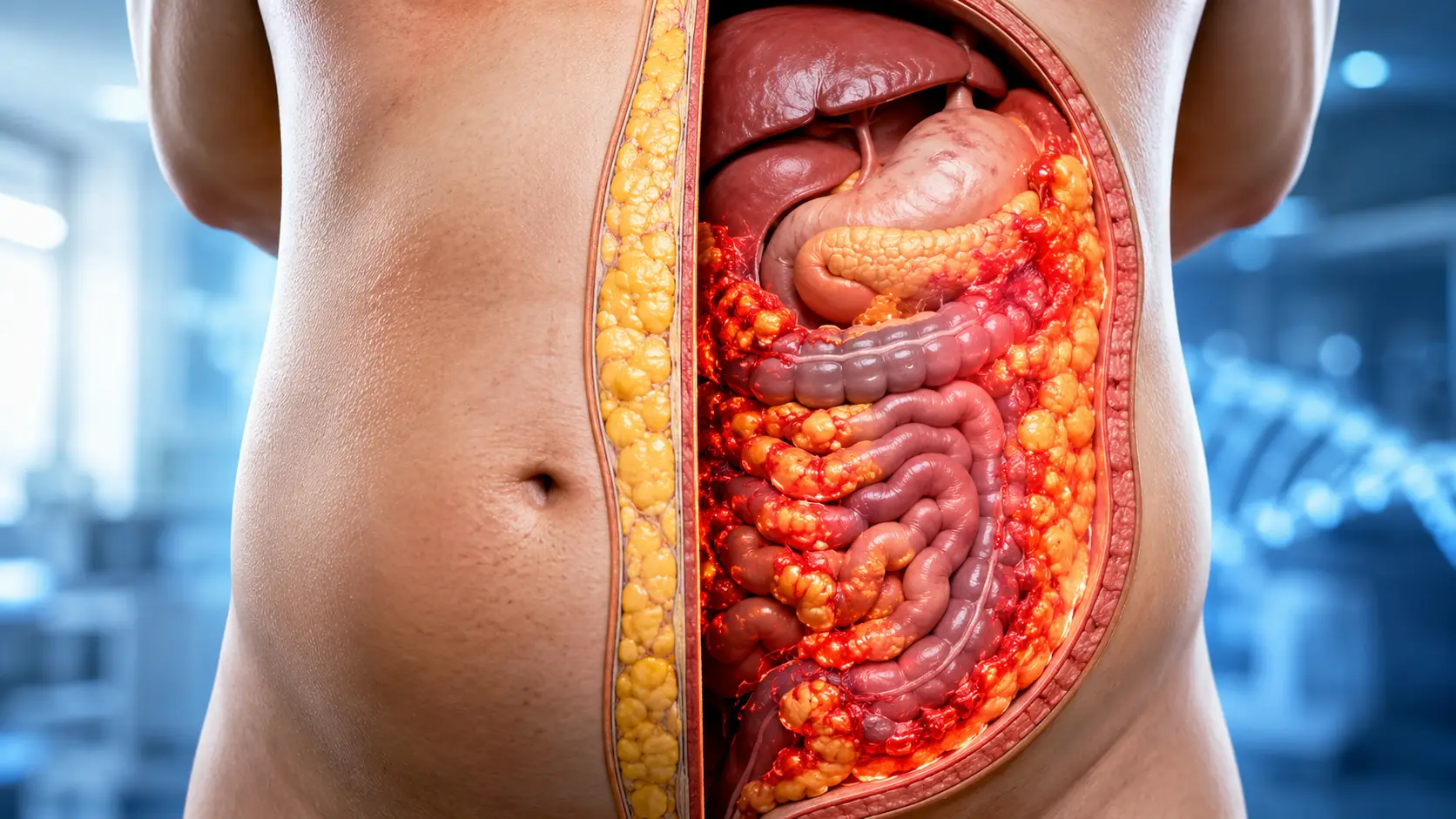
When most people think about body fat, they imagine the soft layer they can pinch around their waist, thighs, or arms. But not all fat is created equal.
In fact, the most dangerous fat in your body is often the fat you can’t see or touch.
While subcutaneous fat sits just beneath the skin, visceral fat hides deep inside the abdomen, wrapping around vital organs such as the liver, pancreas, and intestines.
Research has consistently shown that excess visceral fat is linked to serious health conditions, including heart disease, type 2 diabetes, stroke, metabolic syndrome, and even certain cancers.
Understanding the difference between these two types of fat could be one of the most important steps you take toward protecting your long-term health.
Table of contents
- What Is Subcutaneous Fat?
- What Is Visceral Fat?
- Visceral Fat vs. Subcutaneous Fat: Key Differences
- Why Is Visceral Fat So Dangerous?
- Health Risks Associated With Excess Visceral Fat
- Can You Have Dangerous Visceral Fat Without Being Overweight?
- How to Measure Visceral Fat
- How to Reduce Visceral Fat Naturally
- The Bottom Line
- (FAQ)
What Is Subcutaneous Fat?
Subcutaneous fat is the layer of fat stored directly beneath your skin. It’s the soft, pinchable fat found on your:
- Abdomen
- Hips
- Thighs
- Buttocks
- Arms
For most people, approximately 90% of total body fat is subcutaneous.
Functions of Subcutaneous Fat
Although often viewed negatively, subcutaneous fat serves several important purposes:
- Stores energy for future use
- Insulates the body against temperature changes
- Cushions muscles and organs
- Produces hormones involved in metabolism
In moderate amounts, subcutaneous fat is a normal and healthy part of human physiology.
Is Subcutaneous Fat Dangerous?
Subcutaneous fat is generally less harmful than visceral fat. However, excessive accumulation can contribute to:
- Obesity
- Joint stress
- Reduced mobility
- Increased likelihood of developing visceral fat
On its own, subcutaneous fat is relatively passive and does not create the same level of metabolic disruption as visceral fat.
What Is Visceral Fat?
Visceral fat is often called hidden fat because it is stored deep inside the abdominal cavity.
Unlike subcutaneous fat, visceral fat surrounds critical organs, including:
- Liver
- Pancreas
- Kidneys
- Stomach
- Intestines
Because it lies beneath the abdominal muscles, you cannot pinch it with your fingers.
A person with excess visceral fat often develops a firm, protruding abdomen commonly described as a “beer belly” or apple-shaped body.
Visceral Fat vs. Subcutaneous Fat: Key Differences
| Feature | Visceral Fat | Subcutaneous Fat |
|---|---|---|
| Location | Deep inside the abdomen | Directly beneath the skin |
| Texture | Firm and hard | Soft and pinchable |
| Visibility | Hidden | Visible |
| Function | Metabolically active | Energy storage and insulation |
| Health Risk | High | Relatively low |
| Associated Conditions | Diabetes, heart disease, stroke, cancer | Mainly cosmetic and weight-related concerns |
The most important distinction is that visceral fat actively influences how your body functions, while subcutaneous fat mostly serves as energy storage.
Why Is Visceral Fat So Dangerous?
For many years, scientists believed body fat simply stored excess calories.
Today, we know visceral fat acts almost like an endocrine organ, continuously releasing hormones, fatty acids, and inflammatory compounds into the bloodstream.
Chronic Inflammation
Visceral fat produces inflammatory proteins called cytokines, which contribute to low-grade chronic inflammation throughout the body.
This inflammation is linked to:
- Cardiovascular disease
- Insulin resistance
- Cognitive decline
- Cancer development
Hormonal Disruption
Visceral fat also influences the production of hormones involved in:
- Blood pressure regulation
- Appetite control
- Blood sugar management
- Cholesterol metabolism
This creates a chain reaction that increases disease risk over time.
Health Risks Associated With Excess Visceral Fat
1. Type 2 Diabetes
Visceral fat is strongly associated with insulin resistance.
As visceral fat increases, the body’s cells become less responsive to insulin, making it difficult to regulate blood sugar levels.
Over time, this significantly raises the risk of developing type 2 diabetes.
2. Heart Disease
Studies consistently show that individuals with larger waist circumferences face a higher risk of:
- Coronary artery disease
- Heart attacks
- Atherosclerosis
- Cardiovascular mortality
Visceral fat contributes to high blood pressure, elevated triglycerides, and unfavorable cholesterol levels.
3. Stroke
Excess abdominal fat is linked to an increased likelihood of stroke, even in people who are otherwise healthy.
Researchers believe inflammation and vascular damage play major roles.
4. Metabolic Syndrome
Visceral fat is one of the defining characteristics of metabolic syndrome—a cluster of conditions that includes:
- High blood pressure
- Elevated blood sugar
- Abnormal cholesterol levels
- Increased waist circumference
Together, these factors dramatically increase the risk of heart disease and diabetes.
5. Cancer
Research has linked excessive visceral fat to several cancers, including:
- Colorectal cancer
- Breast cancer
- Pancreatic cancer
Scientists believe inflammatory chemicals released by visceral fat may contribute to tumor development.
6. Dementia and Alzheimer’s Disease
Emerging evidence suggests people with higher levels of abdominal fat may have a significantly greater risk of cognitive decline and Alzheimer’s disease later in life.
Can You Have Dangerous Visceral Fat Without Being Overweight?
Yes.
This is one of the most surprising facts about visceral fat.
A person can have:
- A normal BMI
- A relatively flat stomach
- A healthy body weight
Yet still carry dangerous amounts of visceral fat internally.
This condition is sometimes referred to as “skinny fat”, where outward appearance does not accurately reflect metabolic health.
How to Measure Visceral Fat
Medical Imaging
The most accurate methods include:
- MRI scans
- CT scans
However, these tests are expensive and typically unnecessary unless ordered for medical reasons.
Waist Circumference
A simple tape measure provides a useful estimate.
Measure around your waist at the level of your belly button.
General risk thresholds include:
Men: More than 40 inches (102 cm)
Women: More than 35 inches (88 cm)
Measurements above these levels may indicate excess visceral fat.
Waist-to-Hip Ratio
Another useful indicator is the waist-to-hip ratio:
Men: Greater than 0.90
Women: Greater than 0.85
Higher ratios suggest greater abdominal fat accumulation and increased metabolic risk.
How to Reduce Visceral Fat Naturally
The good news is that visceral fat tends to respond more quickly to lifestyle changes than subcutaneous fat.
1. Create a Calorie Deficit
The fundamental rule of fat loss remains the same:
Burn more calories than you consume.
Focus on:
- Whole foods
- Lean proteins
- Vegetables
- Fruits
- Healthy fats
- High-fiber carbohydrates
Reduce intake of:
- Sugary beverages
- Ultra-processed foods
- Refined carbohydrates
- Foods containing trans fats
2. Prioritize Aerobic Exercise
Regular cardio is one of the most effective ways to reduce visceral fat.
Examples include:
- Brisk walking
- Cycling
- Swimming
- Running
- Rowing
Aim for at least 150 minutes of moderate-intensity aerobic exercise per week.
3. Add Strength Training
Resistance training helps preserve and build muscle mass while promoting fat loss.
Try:
- Weightlifting
- Bodyweight exercises
- Resistance bands
- Functional training
Experts recommend strength training at least two to three times weekly.
4. Improve Sleep Quality
Poor sleep is associated with increased visceral fat accumulation.
Adults should aim for:
- 7–9 hours of quality sleep per night
Consistent sleep schedules and reduced screen exposure before bed can help.
5. Manage Stress
Chronic stress elevates cortisol levels, which may encourage abdominal fat storage.
Effective stress-management strategies include:
- Meditation
- Yoga
- Walking outdoors
- Deep breathing exercises
- Mindfulness practices
6. Limit Alcohol Consumption
Excessive alcohol intake is closely associated with increased abdominal fat accumulation.
Reducing alcohol consumption can significantly improve body composition and metabolic health.
The Bottom Line
Not all belly fat carries the same health risk.
While subcutaneous fat is the soft, visible fat you can pinch, visceral fat is the hidden fat that surrounds your internal organs and actively contributes to inflammation, hormonal imbalance, and chronic disease.
Even people who appear slim can carry dangerous levels of visceral fat.
The encouraging news is that visceral fat responds remarkably well to healthy lifestyle changes. Regular exercise, balanced nutrition, quality sleep, stress management, and maintaining a healthy weight can significantly reduce visceral fat and lower the risk of serious health conditions.
If there’s one type of fat worth paying attention to, it’s the fat you can’t see.
(FAQ)
Which is worse, visceral fat or subcutaneous fat?
Visceral fat is significantly more dangerous because it surrounds internal organs and contributes to inflammation, insulin resistance, heart disease, and other chronic illnesses.
Can a skinny person have visceral fat?
Yes. Individuals with a normal BMI can still carry excessive visceral fat, increasing their risk of metabolic diseases despite appearing lean.
Is visceral fat harder to lose than subcutaneous fat?
No. Visceral fat is often more metabolically active and typically responds faster to diet and exercise than subcutaneous fat.
What foods increase visceral fat?
Foods high in added sugars, refined carbohydrates, trans fats, and heavily processed ingredients are strongly associated with increased visceral fat storage.
How long does it take to lose visceral fat?
Most people can begin reducing visceral fat within several weeks of consistent exercise, improved nutrition, and calorie control, though results vary depending on individual factors.
Related Posts

Stay Informed With the Latest & Most Important News
Previous Post
Next Post









Advertisement