














Now Reading: Creatine for Women: Does It Cause Bloating or Weight Gain?
-
01
Creatine for Women: Does It Cause Bloating or Weight Gain?


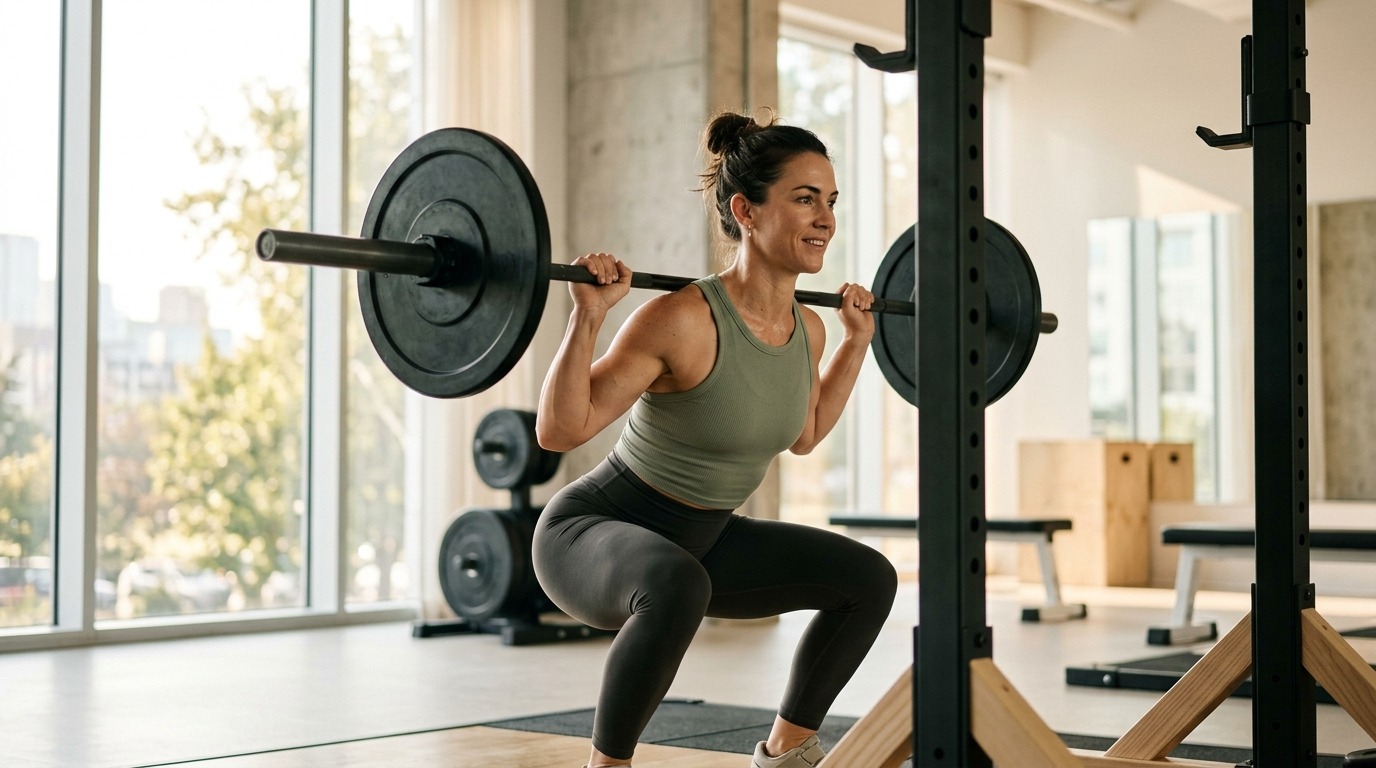
Creatine has quietly become one of the most talked-about supplements in women’s fitness — and one of the most misunderstood. Search interest has spiked over the last two years as more women lift weights, and along with that interest comes the same nagging question: will creatine make me bloated or bulky?
The short answer is no, not in the way most people fear. But the full answer is more nuanced, and understanding the difference between “water weight” and “bloating” will change how you think about this supplement entirely.
Table of contents
- What Is Creatine, Exactly?
- Does Creatine Actually Cause Bloating?
- How to Avoid Bloating When Taking Creatine
- Why Creatine Actually Matters for Women’s Health
- Where the “Bulky” Reputation Comes From
- Is Creatine Safe for Women?
- Recommended Dosing
- When Bloating Isn’t About Creatine at All
- The Bottom Line
- Best Creatine Monohydrate Products for Women (2026)
What Is Creatine, Exactly?
Creatine is a natural compound made of three amino acids — arginine, glycine, and methionine. Your liver, kidneys, and pancreas produce roughly 1–2 grams of it every day, and it’s stored mostly in your skeletal muscle, with a small amount in your brain.
You also get creatine from food, primarily red meat and fish, though not in large enough amounts to significantly raise muscle stores. That’s part of why supplementation is so effective: it’s a shortcut to saturating your muscles with something your body already makes and uses.
Inside the muscle, creatine’s job is to help regenerate ATP — the molecule your cells burn for energy — during short, intense bursts of effort like lifting, sprinting, or climbing stairs two at a time. More available creatine means your muscles can produce that quick energy a little longer before fatigue sets in.
Women, on average, start with lower creatine stores than men. This comes down to a few factors: women typically carry less total muscle mass, tend to eat less red meat, and are more likely to follow vegetarian or plant-forward diets that provide little dietary creatine. In practice, this means many women may notice supplementation’s effects more, not less, than men do.
Does Creatine Actually Cause Bloating?
This is where the myth and the physiology diverge.
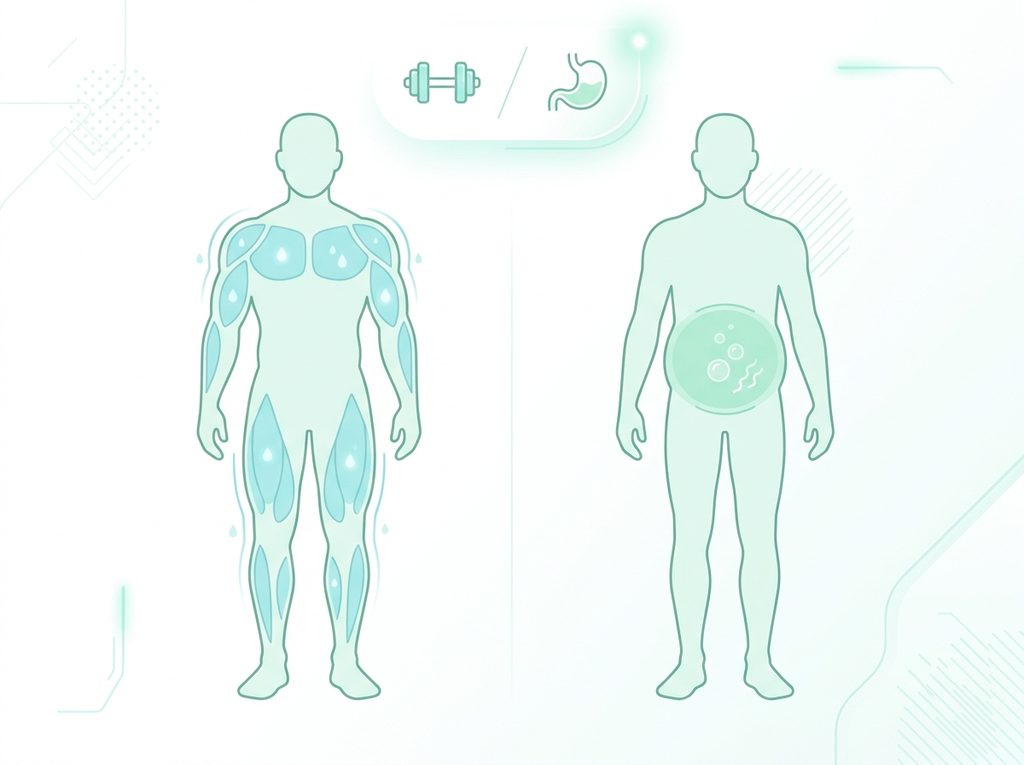
What’s really happening: Creatine draws water into your muscle cells — a process called intracellular water retention. That water sits inside the muscle tissue itself, not in your stomach, under your skin, or anywhere near your digestive tract. It’s a completely different mechanism from the kind of bloating caused by, say, a high-sodium meal or a sensitive gut.
What you might notice:
- A scale increase of roughly 1–3 pounds during the first couple of weeks
- Muscles that look slightly fuller or more defined
- No change in body fat — this is water, not fat
What it is not: abdominal bloating, puffiness in the face, or the “stomach distension” feeling people usually mean when they say “bloated.” True digestive bloating and creatine’s water-retention effect are two different phenomena that just happen to share a name in casual conversation.
So why do some women feel puffy or uncomfortable?
When digestive discomfort does show up, it’s almost always tied to how creatine is taken, not creatine itself:
- Taking a “loading dose.” The traditional loading protocol — 20 to 25 grams a day, split into several doses, for 5–7 days — pulls a much larger, faster shift of water into the muscles and can trigger genuine digestive symptoms like cramping or diarrhea in some people.
- Taking it on an empty stomach.
- Using a low-quality or poorly micronized powder that doesn’t dissolve well and sits in the stomach.
- Pre-existing digestive sensitivity, unrelated to the creatine itself.
The fix for nearly all of this is the same: skip the loading phase, take a smaller daily dose, and take it with food.
How to Avoid Bloating When Taking Creatine
| Strategy | Why it helps |
|---|---|
| Skip the loading phase | Loading (20–25 g/day) causes the fastest, largest water shift — and the highest bloating risk |
| Use a maintenance dose of 3–5 g/day | Just as effective long-term, with far fewer side effects; muscles fully saturate in about 3–4 weeks instead of 1 |
| Take it with a meal | Reduces digestive discomfort |
| Stay well hydrated | Supports the water shift into muscle rather than digestive upset |
| Choose creatine monohydrate, micronized | The most-studied, best-absorbed, best-tolerated form |
| Give it 2–3 weeks | Most water-weight fluctuations stabilize once your muscles are saturated |
If you skip loading altogether and start with 3–5 grams a day, most women report no noticeable bloating at all — you simply reach full benefits a few weeks later than you would with a loading phase.
Why Creatine Actually Matters for Women’s Health
Creatine’s reputation as a “bodybuilder supplement” undersells what the research actually shows for women. A few areas stand out:
1. Strength and Lean Muscle
Women naturally start losing muscle mass in their 30s, and that decline accelerates around menopause. A recent meta-analysis pooling seven randomized trials in postmenopausal women found that creatine supplementation, combined with resistance training, modestly but measurably increased both lean mass and leg-press strength compared with a placebo. The effect isn’t dramatic on its own — creatine doesn’t build muscle by itself — but it appears to let you train harder and recover faster, which compounds over months.
2. Brain Energy and Mental Fatigue
About 5% of your body’s creatine is stored in the brain, where it plays a role in cellular energy metabolism. Emerging research has looked at creatine’s effects during high-stress conditions like sleep deprivation and mental fatigue, with some studies in perimenopausal and menopausal women reporting improved reaction time and higher brain creatine saturation after supplementation. This is still a newer and smaller body of evidence than the strength research, so it’s worth treating as promising rather than settled.
3. Perimenopause and Menopause Support
As estrogen declines, women lose both muscle and bone density more quickly. Creatine paired with resistance training is being studied as one tool to help slow the muscle side of that process. On bone specifically, the evidence is more mixed — the largest trial to date, following postmenopausal women for two years, did not find that creatine improved bone mineral density at the hip or spine, though it did show some favorable changes in bone geometry as a secondary finding. In short: promising for muscle, unproven for bone density.
4. Everyday Athletic Performance
You don’t have to be a competitive athlete to benefit. Recreational lifters and active women alike report better performance in high-intensity efforts, somewhat faster recovery between hard sessions, and more consistent training capacity week to week.
Where the “Bulky” Reputation Comes From
Two things mostly explain it:
- Early research was done almost exclusively on men, using aggressive loading protocols that produced fast, visible water shifts — exactly the kind of result that feeds a “bulky” stereotype.
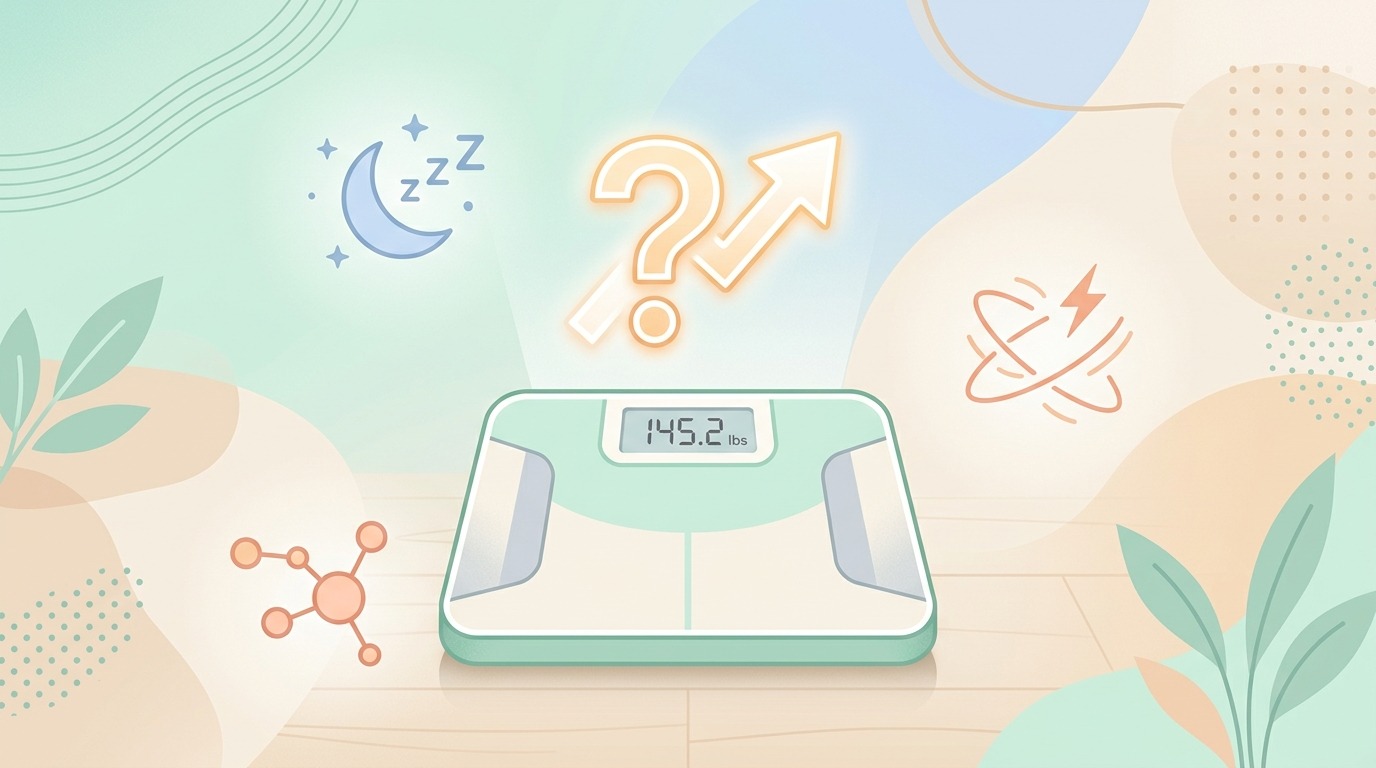
- Scale anxiety. Any upward number on the scale, even 1–2 pounds of water stored inside muscle, gets mentally filed as “gaining weight,” when it isn’t fat and isn’t permanent.
Creatine does not increase body fat, disrupt hormones, or trigger the kind of rapid, visible muscle growth associated with the word “bulky.” What it does is improve your muscles’ capacity to store and use energy — the size difference people picture from “bulking up” comes from sustained heavy training and a calorie surplus, not from a 3–5 gram daily supplement.
Is Creatine Safe for Women?
The safety profile is one of the best-documented in all of sports nutrition. A large 2025 analysis pooling roughly 685 clinical trials found no meaningful difference in side-effect rates between creatine and placebo groups. Some additional points worth knowing:
- Kidney function: Creatine supplementation temporarily raises blood creatinine (a waste product used to estimate kidney function), which can look alarming on a standard lab panel. In people with normal kidney function, this is a measurement artifact, not a sign of kidney damage. If you take creatine and get routine bloodwork, it’s worth mentioning to your doctor so they can interpret the results correctly.
- Hydration: Older concerns about creatine causing dehydration have not been supported by controlled research.
- Hair loss: There is no established causal link between creatine and hair loss in women; this claim traces back to a single small study in men that measured a hormone byproduct, not actual hair loss.
- Doping status: Creatine is not on the World Anti-Doping Agency’s prohibited list and is legal in competitive sport.
Who should talk to a doctor first
Creatine is considered safe for most healthy adults at standard doses, but you should check with a healthcare provider before starting if you:
- Have existing kidney or liver disease
- Are pregnant or breastfeeding (early research on low-dose creatine in pregnancy is cautiously reassuring, but large-scale safety trials are still lacking)
- Have uncontrolled high blood pressure
- Take medications that affect kidney function
- Have bipolar disorder — some evidence suggests creatine may worsen manic symptoms in this group
Recommended Dosing
- Standard approach: 3–5 grams of creatine monohydrate per day, taken any time, with or without food, as long as it’s consistent.
- Optional loading phase: 20 grams/day, split into 4 doses, for 5–7 days, then drop to a 3–5 gram daily maintenance dose. This reaches full muscle saturation about three weeks faster, at the cost of a higher short-term chance of digestive discomfort.
- Form: Creatine monohydrate — ideally micronized for easier mixing — remains the most studied and most cost-effective option. Other forms like creatine HCl or ethyl ester are marketed as “better absorbed,” but there isn’t solid human evidence that they outperform monohydrate.
When Bloating Isn’t About Creatine at All
If you’re experiencing bloating that’s painful, persistent, worsening, or paired with other symptoms — changes around your period, fatigue, or unexplained weight loss — it’s worth looking beyond your supplement routine. Common non-creatine causes of bloating include IBS, food intolerances, hormonal fluctuations, constipation, thyroid issues, and gastrointestinal conditions that deserve their own evaluation. Persistent or severe abdominal symptoms are always worth discussing with a doctor rather than assuming they’re supplement-related.
The Bottom Line
Creatine is one of the most researched, most consistently safe supplements available, and the “bloating and bulk” fear that keeps many women away from it is based on a misunderstanding of how it actually works. What most women experience — if anything — is a small, temporary amount of water stored inside the muscle itself, not stomach bloating and not fat gain. Skipping the loading phase, sticking to 3–5 grams a day, and taking it with food avoids the discomfort almost entirely for most people.
As always, this article is for general information and isn’t a substitute for personalized medical advice — talk to a doctor before starting creatine if you have any underlying health conditions or are pregnant or breastfeeding.
Best Creatine Monohydrate Products for Women (2026)
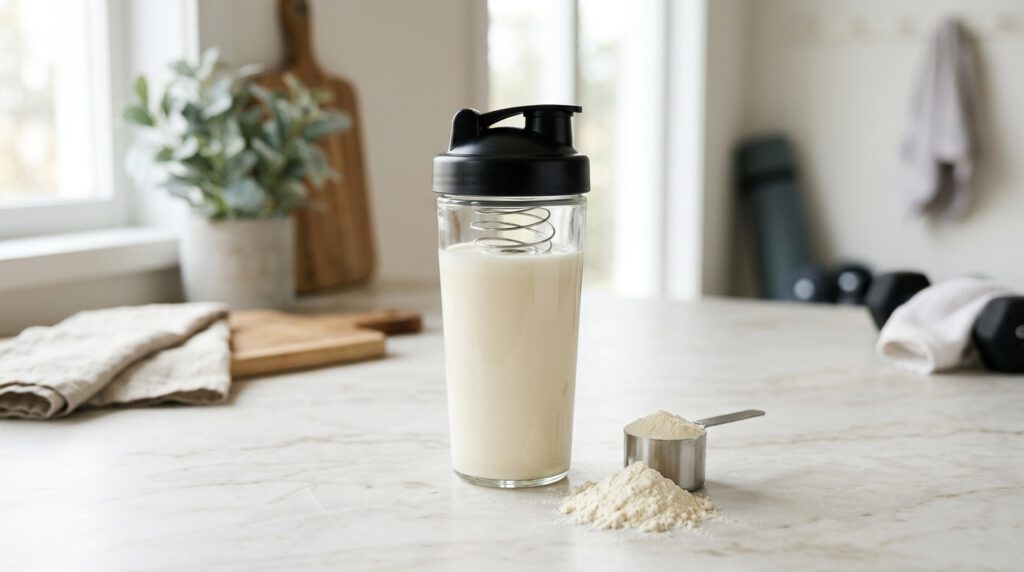
If you’ve decided creatine is worth trying, the product itself matters less than most marketing suggests — plain creatine monohydrate, third-party tested, is the evidence-backed choice regardless of whether the label says “for women.” Below are well-regarded, widely available options:
- Optimum Nutrition Micronized Creatine Monohydrate Powder, Unflavored — One of the most popular and long-standing creatine powders on the market. Micronized for easy mixing, banned-substance tested, and budget-friendly per serving.
- Thorne Creatine, Micronized Creatine Monohydrate Powder, Unflavored — NSF Certified for Sport, a good pick for anyone who wants an extra layer of third-party purity testing. A trusted clinical-brand option.
- Nutricost Creatine Monohydrate Powder (Watermelon) — A flavored option for anyone who doesn’t want to mix unflavored powder into a shake or smoothie every day. NSF certified and GMP compliant.
- BulkSupplements.com Creatine Monohydrate Powder, Unflavored (1kg) — The best value per gram for anyone planning to take creatine long-term (which, given the research, is exactly how it’s meant to be used).
Note: prices, packaging, and availability change frequently on Amazon — always check the current listing before purchasing.
Quick Buying Checklist
- Look for creatine monohydrate specifically (not blends with proprietary “creatine complexes”)
- Micronized = better mixing, less grit
- Third-party testing (NSF Certified for Sport, Informed-Sport, or similar) adds a layer of quality assurance, especially important for competitive athletes
- Skip products that pad the ingredient list with unnecessary “fat burner” or stimulant additives if you just want straightforward creatine
Sources
- Smith-Ryan AE, Cabre HE, Eckerson JM, Candow DG. Creatine supplementation for women: A review of the evidence. J Int Soc Sports Nutr. 2021.
- Forbes SC, Wackerhage H, Gualano B, et al. Creatine and body water: a systematic review and meta-analysis. J Int Soc Sports Nutr. 2024.
- Roschel H, Gualano B, Candow DG. The physiological roles of creatine in the brain and its potential applications for women. Front Nutr. 2023.
- Candow DG, Smith-Ryan AE, Cabre HE, et al. Creatine supplementation: an update with specific considerations for women. Br J Sports Med. 2024.
- Kreider RB, et al. Pooled safety analysis of ~685 clinical trials, reported via JISSN, 2025.
- 2026 meta-analysis of 7 RCTs in postmenopausal women (lean mass and strength outcomes).
Related Posts

Stay Informed With the Latest & Most Important News
Previous Post
Next Post








Advertisement