

























Now Reading: The Real Reason Most People Quit the Gym in February
-
01
The Real Reason Most People Quit the Gym in February



Every January, gyms fill up.
New shoes, new memberships, a whiteboard full of goals. By February, the crowd thins out, and “gym quitters” becomes one of the year’s most repeated jokes.
But here’s what most articles on this topic get wrong: they lean on a shaky, often-recycled statistic — “80% of people quit the gym by February” — that traces back to vague survey summaries rather than solid data.
Newer research actually complicates that story. A 2026 analysis of three years of Google search behavior found that searches for “gym near me” dropped only about 18% between January and February, a far cry from a dramatic 80% collapse, and U.S. gym memberships actually hit an all-time high of 81 million people in 2025.
So people aren’t abandoning the gym as fast or as dramatically as the myth suggests. But plenty still do quit — just not always in the way the cliché describes, and not for the reasons most people assume. Here’s what’s actually going on, based on behavioral research rather than gym folklore.
Table of contents
The February Dropout Myth vs. What Actually Happens
Older UK survey data (Betway Insider, 2018) found that only about 23% of new gym-goers had given up on their resolution by the first week of February — and that it actually takes until roughly September for half of them to quit.
A separate Harris Interactive/CouponCabin survey found something similar: of the people who eventually abandon a gym membership within a year, most of that drop-off happens gradually across the first five months, not in one February cliff.
What the data does support is this: quitting starts early and fast. One widely cited Baylor University finding is that a large share of people abandon their resolutions within the first two weeks — often before February even begins — because the goals were too ambitious from day one.
In other words, February isn’t a magic deadline. It’s just the point where the consequences of a shaky start become visible.
The Real Reasons People Quit — It’s Not Laziness
1. The All-or-Nothing Trap
Most January starters go from doing almost no exercise to training daily with an aggressive diet overnight.
This kind of jump causes physical burnout within four to six weeks, right around the point where “February slump” headlines start appearing. When life inevitably interrupts a rigid plan — a busy week, a sick kid, sheer exhaustion — a single missed session feels like total failure, so people stop altogether instead of just picking back up.
2. Motivation Fades Because Motivation Was Never Meant to Last
January enthusiasm is an emotional spike, not a strategy. Once routine life returns — work stress, short days, less daylight — that initial burst of motivation naturally fades. People who built their gym habit entirely on excitement have nothing left to run on once the excitement is gone.
3. Unrealistic Expectations About Results
Fitness change is slow. Expecting a visibly different body within a few weeks sets people up for disappointment when the scale or mirror doesn’t cooperate. Frustration from a lack of visible progress is one of the most commonly cited reasons people give up, even when they’re making real internal progress (better sleep, more strength, more endurance) that just isn’t visible yet.
4. No Simple System to Follow
Walking into a gym without a clear plan turns every session into a stressful guessing game — what to do, how much, in what order. That mental load adds up fast, and decision fatigue is a well-documented driver of behavior abandonment. People don’t usually quit because exercise is too hard physically; they quit because deciding what to do every single day is exhausting.
5. Poor Recovery, Not Poor Willpower
Many people who “fail” at consistency are actually just undertrained on recovery.
Not eating enough, especially protein, skimping on sleep, and pushing too hard too soon leaves people feeling weak, sore, and drained — which they misread as a sign they’re not cut out for the gym, rather than a sign their plan is unsustainable.
What the Science of Habit Formation Actually Says
The popular idea that habits take 21 days to form comes from a 1960s book about amputees adjusting to limb loss — not exercise science.
The real research is a 2010 University College London study by psychologist Phillippa Lally, which tracked 96 people forming a new daily habit over 12 weeks.
The findings reshape the whole “February slump” conversation:
- On average, habits took 66 days to become automatic — more than twice the 21-day myth, and well past the point where most people have already quit or been declared a “February dropout.”
- The range was enormous: anywhere from 18 to 254 days, depending on the person and the complexity of the behavior.
- Exercise habits specifically took about 1.5 times longer to form than simpler habits like eating a piece of fruit at lunch.
- Missing a single day had no meaningful effect on whether the habit eventually formed. What mattered was the pattern over time, not any one lapse.
That last point matters more than almost anything else in this article: skipping a workout is not the moment people fail. It’s what they decide to do after skipping that determines whether the habit survives.
The One Rule That Beats Most Fitness Plans
Author James Clear popularized a simple recovery principle in Atomic Habits: never miss twice. Missing one session is a normal part of life. Missing two in a row is where a lapse starts turning into a new pattern — the pattern of not going.
This single rule does more for long-term consistency than almost any workout plan, because it removes the all-or-nothing thinking that causes most people to quit in the first place. A missed Monday doesn’t mean the week — or the year — is ruined. It just means Wednesday matters a little more.
A Realistic Way to Actually Stay Consistent
Instead of chasing a perfect plan, the research above points to a few practical shifts:
Build the habit before you build the body. In the first few weeks, the goal isn’t transformation — it’s simply becoming someone who shows up. Short, manageable sessions (even 20–30 minutes) that leave you energized rather than wiped out do more for long-term adherence than an intense session that burns you out.
Lower the bar on frequency. Three consistent sessions a week that you actually complete will always outperform a seven-day plan you abandon by week three.
Plan the decision, not just the workout. Deciding your training days and rough structure in advance removes the in-the-moment guesswork that drains motivation before you even start.
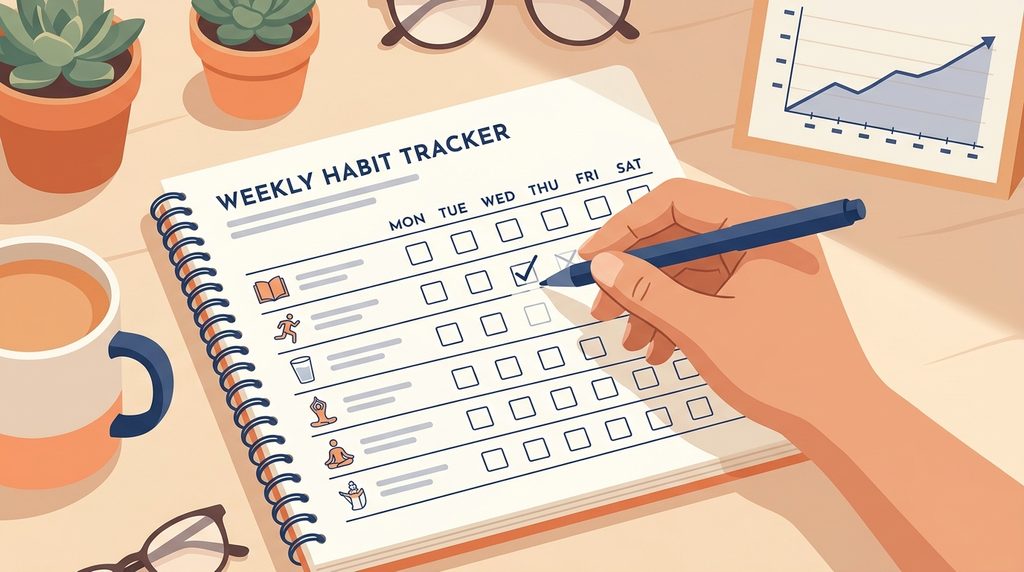
Track effort and consistency, not just the scale. Strength gains, better sleep, and steadier energy usually show up long before visible physical change does. Anchoring your sense of progress to those markers keeps motivation intact during the “invisible progress” phase.
Treat nutrition and sleep as part of the plan, not an afterthought. Constant soreness, low energy, and dizziness are usually signs of under-recovery, not a sign you’re “not cut out for this.”
Apply the never-miss-twice rule. One missed day is data. Two in a row is a trend worth interrupting immediately.
FAQ
Is it actually true that most people quit the gym by February?
Not to the extreme degree often claimed. Newer search-behavior data shows a much smaller January-to-February drop-off than the popular “80%” figure suggests, though early quitting (often within the first two weeks of January) is well documented.
How long does it take to build a real gym habit?
Based on peer-reviewed research, expect an average of around 66 days for a habit to feel automatic — and exercise habits often take longer than simpler daily habits, so patience matters more than most fitness plans admit.
What’s the single best way to avoid quitting?
Lower the intensity and frequency to something you can actually sustain, and use the “never miss twice” rule to recover quickly from missed sessions instead of treating one skipped day as failure.
Why do I feel exhausted instead of motivated after a few weeks?
This is usually a sign of overtraining or under-recovery — not a lack of willpower. Insufficient sleep, protein, and rest days are common, fixable culprits.
Related Posts


Stay Informed With the Latest & Most Important News
Previous Post
Next Post










Advertisement