


















Now Reading: Does Drinking Water Before Meals Actually Help You Lose Weight?
-
01
Does Drinking Water Before Meals Actually Help You Lose Weight?



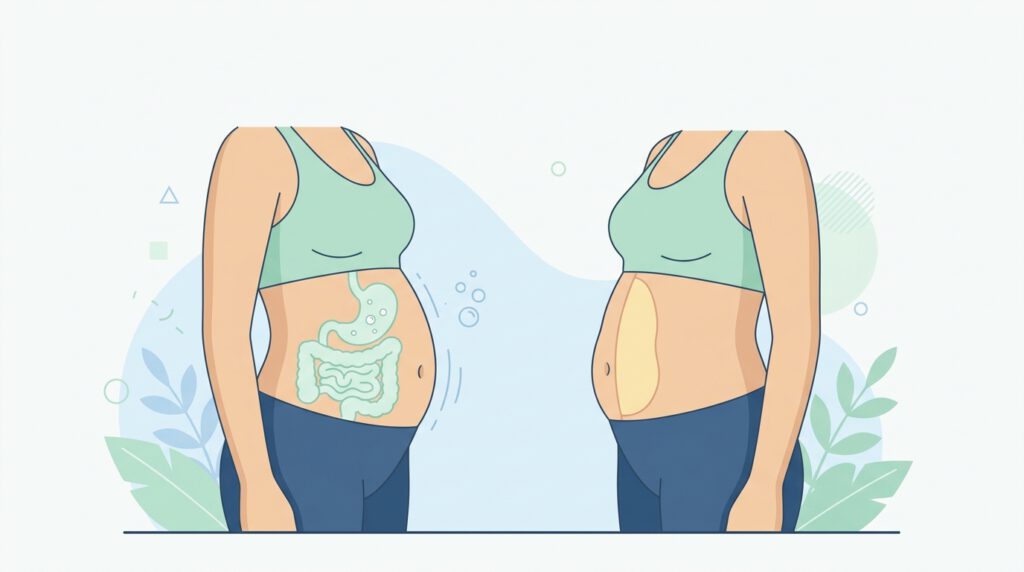
If you’ve ever tried to lose weight, you’ve probably heard this advice at least once: “Drink a glass of water before you eat.” It sounds almost too simple to work — fill your stomach with something that has zero calories, and you’ll naturally eat less.
But is that actually what happens inside your body, or is it just another wellness myth that refuses to die?
The short answer: drinking water before meals can genuinely help some people eat less and lose a modest amount of weight — but it’s not a magic trick, and the effect is smaller and more nuanced than social media makes it sound.
Below, we break down exactly what the research says, why the effect happens (and why it sometimes doesn’t), how much water actually makes a difference, and how to use this habit safely and effectively as part of a real weight-loss plan.
Table of contents
- Quick Answer
- How Drinking Water Before Meals Affects Your Body
- What Does the Actual Research Say?
- Perceived Effects vs. Real, Measurable Changes
- Does Water Temperature Matter?
- Does This Work for Everyone?
- The Real MVP: Replacing Sugary Drinks With Water
- How Much Water Should You Drink to Lose Weight?
- Is There Such a Thing as Too Much Water?
- What Experts Say
- Practical Tips to Try This Habit
- Frequently Asked Questions
- The Bottom Line
Quick Answer
- Drinking about 500 ml (roughly 2 cups) of water 20–30 minutes before a meal can reduce the amount of food you eat during that meal by an estimated 13–22%, according to multiple controlled studies.
- People who added pre-meal water to a reduced-calorie diet lost noticeably more weight over 12 weeks than people on the same diet without the extra water — in one trial, 44% more weight lost (about 2 kg / 4.4 lb extra).
- The effect appears strongest in people who are middle-aged, older, or of average weight; evidence in adolescents and people with obesity is weaker and more mixed.
- Claims that water “burns calories” through thermogenesis or targets belly fat are not well supported by current human research.
- The bigger, more reliable win is indirect: replacing sugary drinks, juice, or alcohol with water cuts calories automatically, without you having to think about portion control at all.
How Drinking Water Before Meals Affects Your Body
There isn’t just one mechanism behind this habit — researchers have proposed several, and the evidence supporting each one varies quite a bit.
1. Stomach stretch and fullness signals
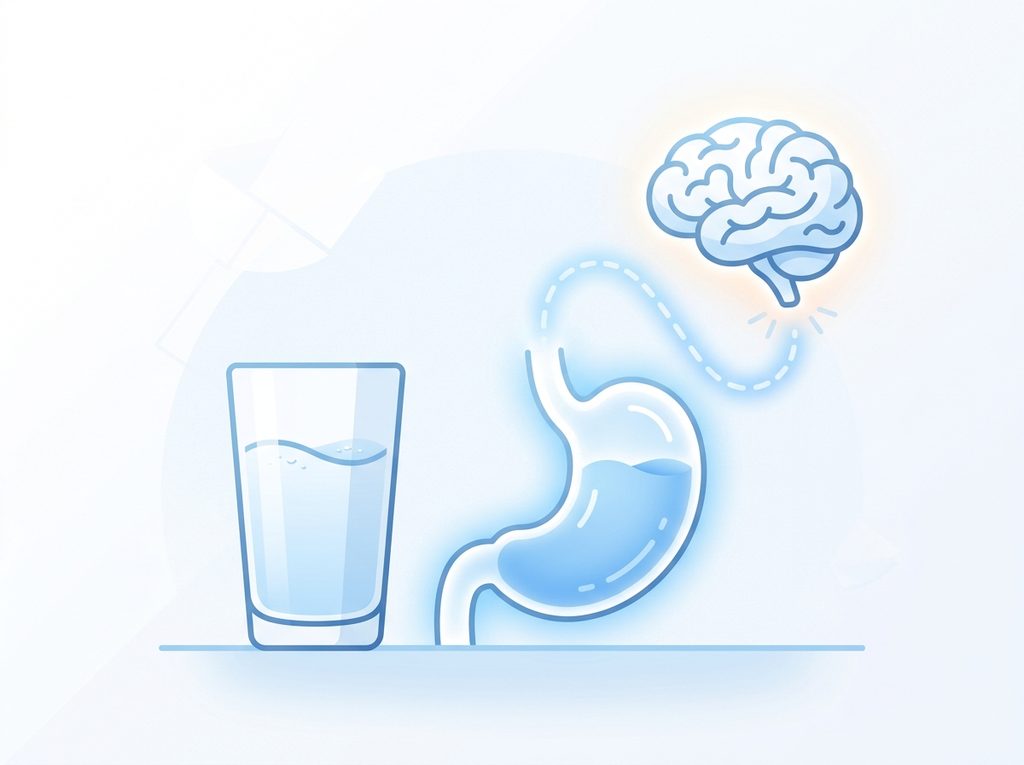
Your stomach contains stretch receptors connected to the brain via the vagus nerve. When you drink roughly 500 ml of water before eating, it physically stretches the stomach wall and sends “I’m getting full” signals to your brain before you’ve eaten a single bite of food. In theory, this should make you stop eating sooner during the meal that follows — and several studies back this up in practice, not just in theory.
2. Confusing thirst for hunger
It’s a commonly repeated claim that people often mistake mild dehydration for hunger, leading to unnecessary snacking. This idea is intuitive and widely cited by wellness bloggers, but it’s worth noting that solid, direct human research specifically proving “thirst masquerading as hunger” is thinner than the popularity of the claim would suggest. It’s a reasonable hypothesis, not a proven mechanism — so treat it as plausible rather than settled science.
3. Thermogenesis (does water “burn” calories?)
Some older studies suggested that your body burns a small number of calories warming up the water you drink to body temperature — a process called thermogenesis. One study found cold water increased resting energy expenditure by about 23 calories a day, which is a negligible amount in the context of weight loss. More recent and larger studies have largely failed to replicate a meaningful calorie-burning effect from water alone, so this explanation should be treated with real skepticism rather than as a weight-loss strategy on its own.
4. Sympathetic nervous system activation
There’s some evidence that drinking water activates the sympathetic nervous system, which controls heart rate and metabolic rate. A 2023 study found that people who drank 200–250 ml of warm water after each meal lost more weight and had a lower BMI than a control group.
This is a promising area, but the effect size is modest and needs more large-scale confirmation before it can be called a reliable weight-loss tool on its own.
What Does the Actual Research Say?
Here’s a straightforward look at some of the key studies behind the headlines, so you can judge the evidence for yourself rather than just taking anyone’s word for it.
| Study | Population / Design | Key Finding |
|---|---|---|
| Davy et al., 2008 (Journal of the American Dietetic Association) | Overweight/obese adults, 500 ml water 30 min before breakfast | Reduced meal energy intake by ~13% |
| Corney et al., 2016 (European Journal of Nutrition) | Lean young adult males, 568 ml water immediately before eating | Reduced energy intake by ~22% and increased fullness |
| Dennis et al., 2010 (Obesity) | 12-week trial, adults on a reduced-calorie diet, 500 ml water before each meal | Lost about 44% more weight (~2 kg / 4.4 lb more) than the diet-only group |
| Parretti et al., 2015 (published in Obesity, covered by AICR) | 84 adults with obesity, 12-week trial: water vs. “imagine your stomach is full” | The water-drinking group lost more weight than the comparison group |
| Vij & Joshi, 2013–2014 | Adults with obesity, water before meals for 8 weeks | Reported significant reductions in body weight, BMI, and appetite scores |
| Muckelbauer et al., 2013 | Long-term cohort data | People who added 1 extra cup of water daily gained slightly less weight over 4 years; replacing a sugary drink with water reduced 4-year weight gain further |
| 2019 systematic review | Multiple pooled studies | Average weight loss linked to higher water intake ranged 0.4–8.8 kg, with more weight lost when water replaced sugary drinks specifically |
| 2018 study, adolescents with overweight/obesity | Teens | Found no significant effect of increased water intake on body weight |
| Sayegh & Ratcliffe, 2012 | Young and older adults | Found pre-meal water did not significantly change hunger or satiety ratings — a contrasting result |
Notice the pattern: the positive effects tend to be clearer in middle-aged and older adults with overweight or obesity, and less clear or even absent in adolescents and some younger, leaner populations. This is one reason experts are cautious about calling it a universal weight-loss hack.
Perceived Effects vs. Real, Measurable Changes
It helps to separate what you feel right after drinking water from what actually changes in your body over time.
| Short-Term Sensation | Longer-Term, Measurable Effect |
|---|---|
| Feeling overly full or bloated right after drinking | Gradual weight reduction — roughly 2 kg (about 4.4 lb) more lost over 12 weeks in supporting studies |
| Temporary drop in appetite from stomach stretching | Lower overall daily calorie intake, especially when water replaces sugary drinks |
| Mistaking a full stomach for a permanent habit change | A slight, inconsistent boost in metabolic rate/calorie burning |
The takeaway here is important: drinking water before a single meal will make you feel full in the moment, but that sensation doesn’t automatically translate into lasting weight loss unless it’s repeated consistently as part of an overall eating pattern.
Does Water Temperature Matter?
There’s some evidence that temperature plays a small role. Cold water has been shown in a few studies to produce a very slight increase in calorie burning (around 23 calories/day) compared with room-temperature water, presumably because the body expends a small amount of energy warming it up.
On the other hand, a 2023 study found that warm water consumed after meals was linked to more weight loss and a lower BMI than in a control group. In practice, the difference between warm and cold water is small enough that you should choose whichever temperature makes it easiest for you to actually drink the water consistently — consistency matters far more than temperature.
Does This Work for Everyone?
Not necessarily, and this is one of the most overlooked parts of the “drink water before meals” advice:
- Average-weight adults: Some studies show reduced hunger and food intake.
- Older and middle-aged adults with overweight or obesity: This group shows some of the most consistent positive results in clinical trials.
- Adolescents with overweight or obesity: Research here has found no significant effect on body weight, suggesting the strategy may not translate the same way across all age groups.
- People who are already very hydrated or drink plenty of water with meals anyway: Adding more may produce little additional benefit.
This is why credible sources — including a widely cited Harvard Health review — conclude that while pre-meal water can reduce food intake in the short term, it should be viewed as one tool among several rather than a standalone weight-loss method.
The Real MVP: Replacing Sugary Drinks With Water
If there’s one part of this topic that has the strongest, most consistent evidence, it’s this: swapping sugary or high-calorie beverages for water is a reliably effective way to cut calories.
A single 12-ounce sugar-sweetened soda can contain around 140–150 calories and roughly 39 grams of sugar. Multiply that by daily habits over weeks and months, and the calories add up fast — with essentially zero nutritional benefit attached. Long-term cohort research has found that people who swapped a sugary drink for a cup of water each day gained noticeably less weight over a four-year period than those who didn’t. This isn’t about a clever physiological trick — it’s simple math: fewer liquid calories in means an easier time maintaining a calorie deficit.
How Much Water Should You Drink to Lose Weight?
There’s no single perfect number for everyone, since water needs depend on body size, activity level, climate, and overall diet. That said, here are commonly cited general guidelines:
- General daily fluid intake: around 2.2 liters (74 oz, about 9 cups) for women and 3 liters (101 oz, about 13 cups) for men, including fluids from food and beverages.
- Pre-meal amount used in most successful studies: roughly 500 ml (about 2 cups), consumed 20–30 minutes before eating.
- A simple practical rule: drink when you’re thirsty, and let the color of your urine (pale yellow is the target) guide whether you need more.
Keep in mind you also get a meaningful amount of water from food — especially fruits, vegetables, soups, and dairy — so these numbers aren’t meant to apply to plain drinking water alone.
Is There Such a Thing as Too Much Water?
Yes — and it’s worth taking seriously, even though it’s rare. Drinking excessive amounts of water in a short period can dilute the sodium levels in your blood, a condition called hyponatremia (sometimes referred to as water intoxication).
Symptoms can include headache, nausea, confusion, and muscle cramping, and in severe (though uncommon) cases it can become life-threatening.
This is mostly a risk for endurance athletes who drink large volumes quickly without replacing electrolytes, and for people with certain kidney, heart, or mental health conditions.
Healthy adults drinking a couple of extra glasses of water before meals are not at meaningful risk — but “more is always better” is not accurate advice when it comes to water, and chugging large volumes quickly (rather than sipping steadily) is the real danger to avoid.
What Experts Say
Reviews from institutions such as Harvard Health point out that while small, short-term studies support modestly reduced food intake after pre-meal water, most of these trials are short in duration or based on limited samples — so it shouldn’t be treated as a proven long-term weight-loss method on its own.
The consistent expert consensus across sources is: pre-meal water can help at the margins, but sustainable weight loss still comes down to overall calorie balance, diet quality, and physical activity.
Online communities, including discussions on platforms like Reddit, tend to echo this same nuance — some people find pre-meal water genuinely useful for portion control, while others note it’s only a temporary fix compared with actually changing what and how much they eat.
Practical Tips to Try This Habit
- Drink about 2 cups (500 ml) of water 20–30 minutes before your main meals — this timing matches what most successful studies used.
- Choose whichever temperature you’ll actually stick with — cold or warm, consistency beats theoretical optimization.
- Replace one sugary drink a day with water first — this single swap has some of the strongest supporting evidence of all.
- Pair it with fiber and protein at meals — water alone won’t sustain fullness for hours, but combined with a balanced plate it supports better portion control.
- Use thirst and urine color as your guide rather than forcing a fixed number of glasses if it doesn’t feel right for your body.
- Don’t chug large volumes in one sitting — sip steadily instead of drinking a liter in a few minutes.
Frequently Asked Questions
Can drinking water help you lose belly fat specifically?
No — there’s currently no research showing that water targets fat in one specific area of the body, including the belly. Any claim to that effect is anecdotal rather than evidence-based.
Does drinking water before meals work for everyone?
Not equally. Evidence is strongest in middle-aged and older adults with overweight or obesity, and weaker or inconsistent in adolescents and some lean, younger adults.
How much weight can you lose from a water fast?
One small study found that drinking only water for 5 days led to an average loss of nearly 5 kg (about 11 lb) in adults without obesity.
However, most of that is water weight, and water fasting without medical supervision is not considered safe — it carries real risks like dangerously low sodium and brain swelling.
Is cold water better than warm water for weight loss?
The difference is minor. Cold water may cause a very small increase in calories burned, while some research links warm water after meals to slightly better weight outcomes.
Neither effect is large enough to prioritize temperature over simply drinking water consistently.
Do I need to drink exactly 8 glasses of water a day to lose weight?
No — the “8 glasses a day” rule isn’t based on strong scientific evidence. Actual needs vary by body size, activity level, and climate; using thirst and urine color as a guide is more reliable for most healthy adults.
The Bottom Line
Drinking water before meals is not a magic weight-loss switch, but it’s also not a myth. The best-supported version of the habit — about 500 ml of water 20–30 minutes before eating — can modestly reduce how much you eat at that meal and, sustained over weeks, may contribute to a few extra pounds of weight loss compared with not doing it at all.
The evidence is strongest when this habit is combined with a genuine calorie-conscious diet, and it’s considerably stronger when it comes from replacing sugary drinks rather than just adding water on top of everything else you already drink.
In other words: it’s a small, low-risk, evidence-backed habit worth building — just don’t expect it to do the heavy lifting on its own.
Related Posts
Stay Informed With the Latest & Most Important News
Previous Post
Next Post









Advertisement