













Now Reading: Why Weight Loss Slows Down the Older You Get (After 30, 40, and 50)
-
01
Why Weight Loss Slows Down the Older You Get (After 30, 40, and 50)



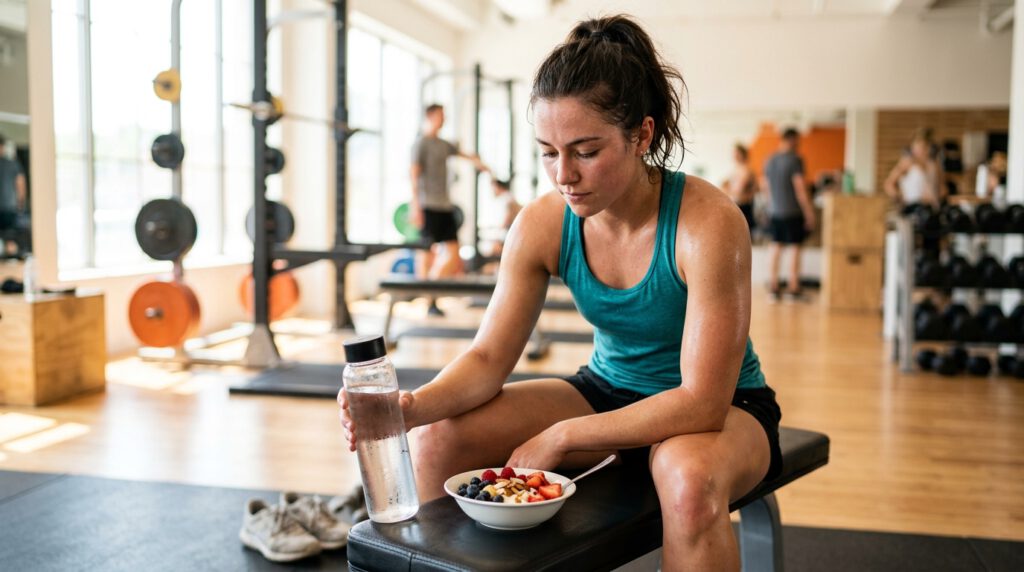
Losing weight can feel different in your 30s, 40s, and 50s than it did in your 20s.
Maybe the diet that once helped you lose weight quickly no longer produces the same results. Maybe you are exercising regularly but the number on the scale barely moves. Or perhaps you have noticed that gaining a few pounds seems much easier than getting rid of them.
So, what actually changes as you get older?
The popular explanation is simple: your metabolism slows down after 30.
But the real story is more complicated.
Research suggests that your metabolism does not suddenly “crash” when you turn 30 or 40. Instead, several gradual changes can make weight management more difficult as the years go by. Muscle mass tends to decline, daily movement may decrease, body composition changes, hormones shift, and sleep and lifestyle often become more challenging.
The good news? Getting older does not mean you have to accept unwanted weight gain. Understanding what is changing allows you to adjust your nutrition, exercise, and daily habits accordingly.
Does Your Metabolism Really Slow Down After 30?
This is one of the biggest misconceptions about aging and weight loss.
A major 2021 study published in Science analyzed energy-expenditure data from more than 6,400 people ranging from infancy to age 95. After accounting for body composition, researchers found that energy expenditure remained relatively stable from about age 20 through 60, before declining in older adulthood.
That means there is no universal metabolic “cliff” that suddenly appears at age 30, 40, or 50.
So why does weight loss often become more difficult during those decades?
The answer is that your total daily calorie needs can change even when your underlying metabolism does not dramatically decline.
Your body composition, physical activity, lifestyle, sleep, appetite, and hormones all influence how many calories you use and how easy it is to maintain a calorie deficit.
In other words, the problem is usually not that your metabolism suddenly stops working.
It is that your body and your lifestyle are gradually changing.
1. You Start Losing Muscle After 30
One of the most important age-related changes is the gradual loss of skeletal muscle.
Muscle mass and strength generally peak around early adulthood and begin to decline afterward. This process is commonly associated with aging and is often referred to as sarcopenia.
Why does this matter for weight loss?
Because lean tissue contributes to your energy requirements, and having less lean mass can reduce the number of calories your body needs.
But there is another important issue: muscle is essential for movement and physical function.
If you lose muscle and become less active at the same time, your total daily energy expenditure can fall.
That creates a situation where the amount of food that maintained your weight at 25 may gradually become more than you need at 40.
You may not be eating more.
You may simply be burning less than you used to.
Why strength training matters
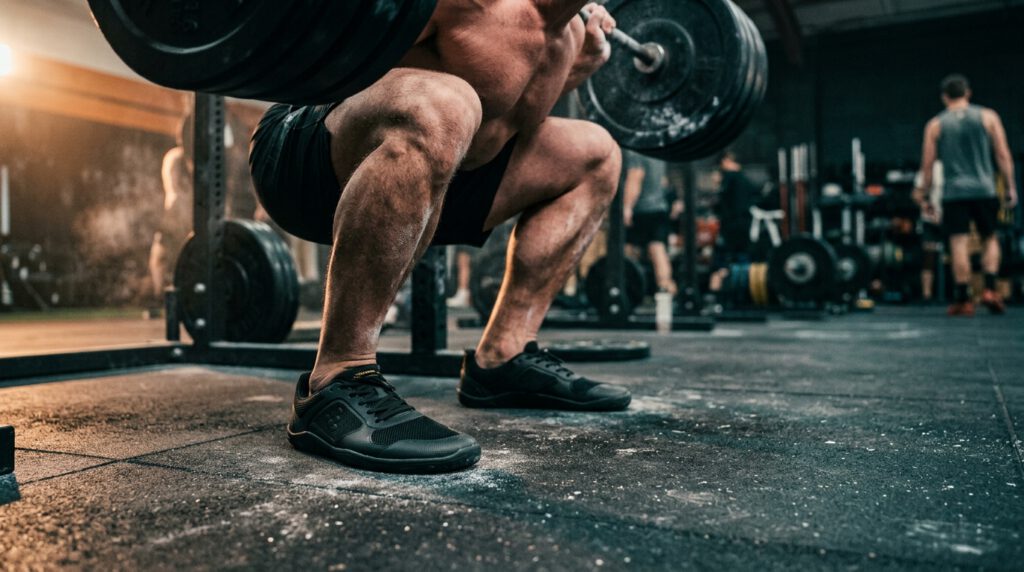
Resistance training can help counter age-related muscle loss.
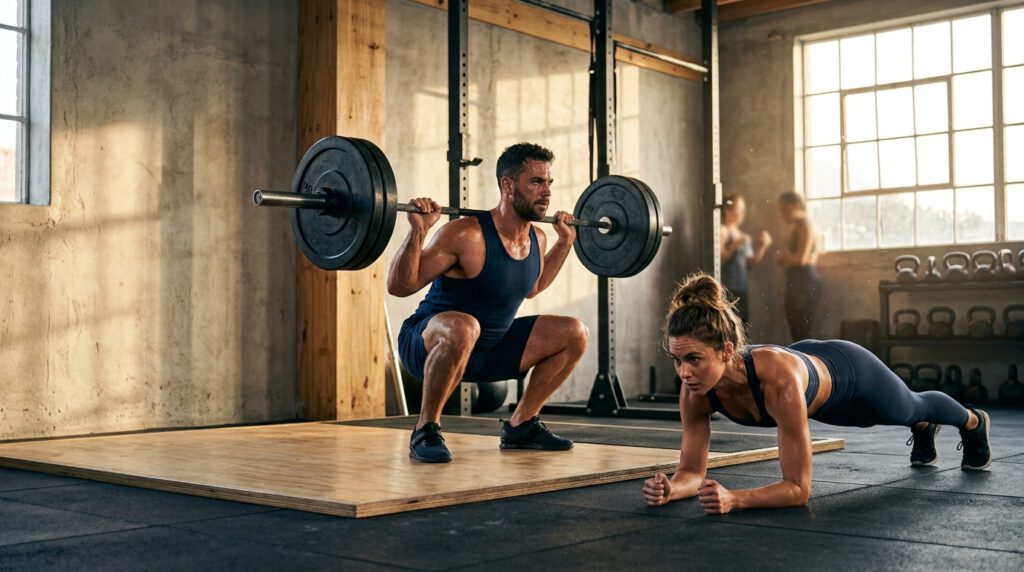
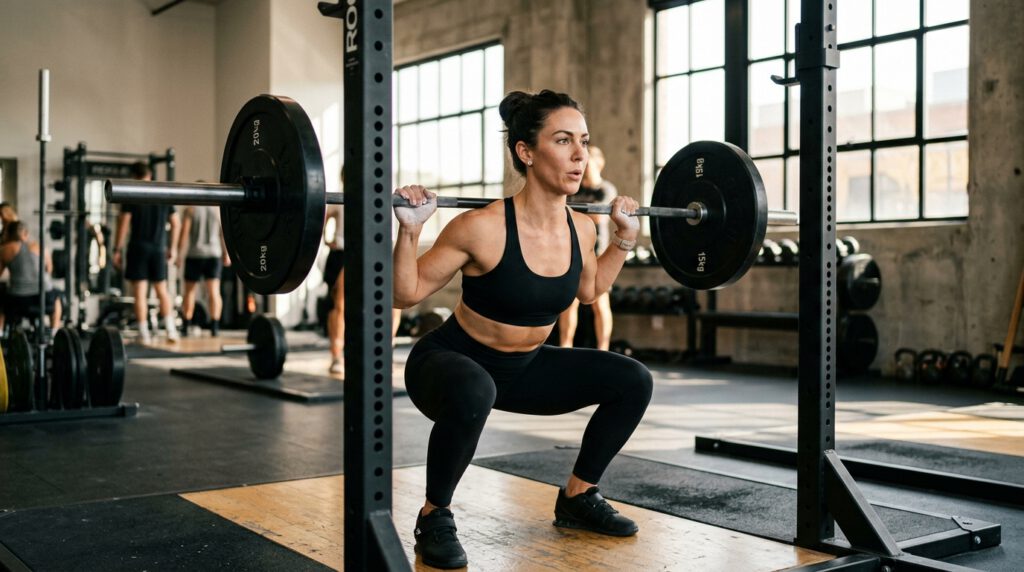
You do not need to become a bodybuilder. Regular exercises such as squats, lunges, rows, presses, deadlifts, resistance-band exercises, and other strength movements can help maintain muscle and physical function as you age.
The National Institute on Aging emphasizes resistance training as an important tool for maintaining muscle mass, mobility, and independence in older adults.
2. You May Move Less Without Realizing It
Exercise is only one part of your daily energy expenditure.
There is also NEAT, or non-exercise activity thermogenesis.
NEAT includes the energy you use for everyday movement that is not formal exercise:
- Walking around the house
- Standing
- Cooking
- Shopping
- Taking the stairs
- Doing household chores
- Walking during work breaks
- Moving around at work
- General day-to-day activity
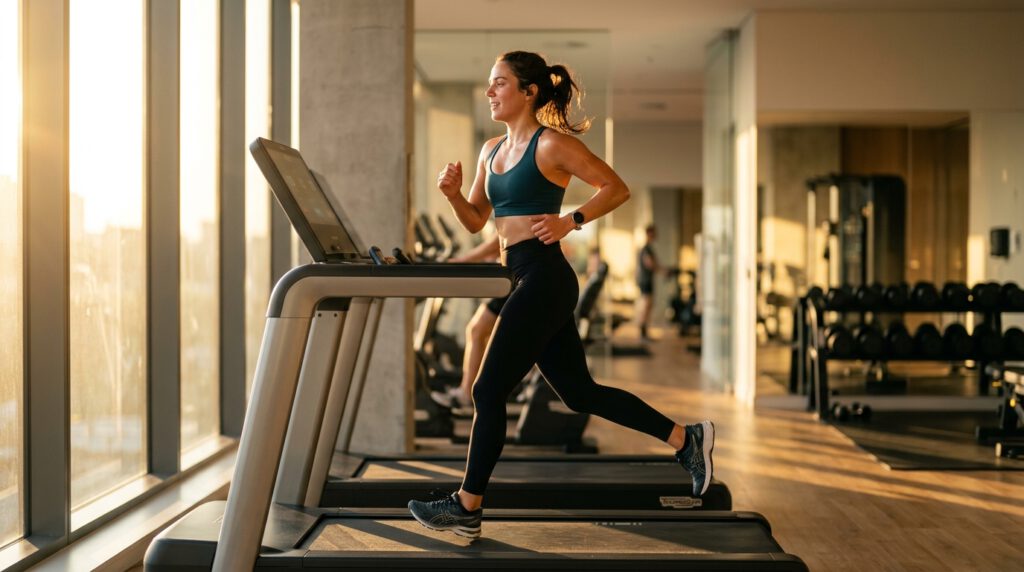
When you are younger, you may naturally spend much more time moving.
But life can become increasingly sedentary with age.
A desk job, longer commutes, family responsibilities, more screen time, or simply spending more time sitting can dramatically change how much you move throughout the day.
You might still go to the gym three times a week, but if you spend the remaining 10 or 12 hours sitting, your overall activity level may be much lower than it was years ago.
The solution isn’t necessarily more cardio
Instead of thinking only about workouts, look at your entire day.
Try:
- Taking short walking breaks
- Walking while making phone calls
- Using stairs when practical
- Parking farther away
- Taking an evening walk
- Standing periodically during long periods of sitting
- Adding more movement to household activities
These small habits can make your lifestyle more active without requiring another intense workout.
3. Your Body Composition Changes With Age
Aging is not simply about weighing more or less.
Your body composition can change even when your scale weight does not change dramatically.
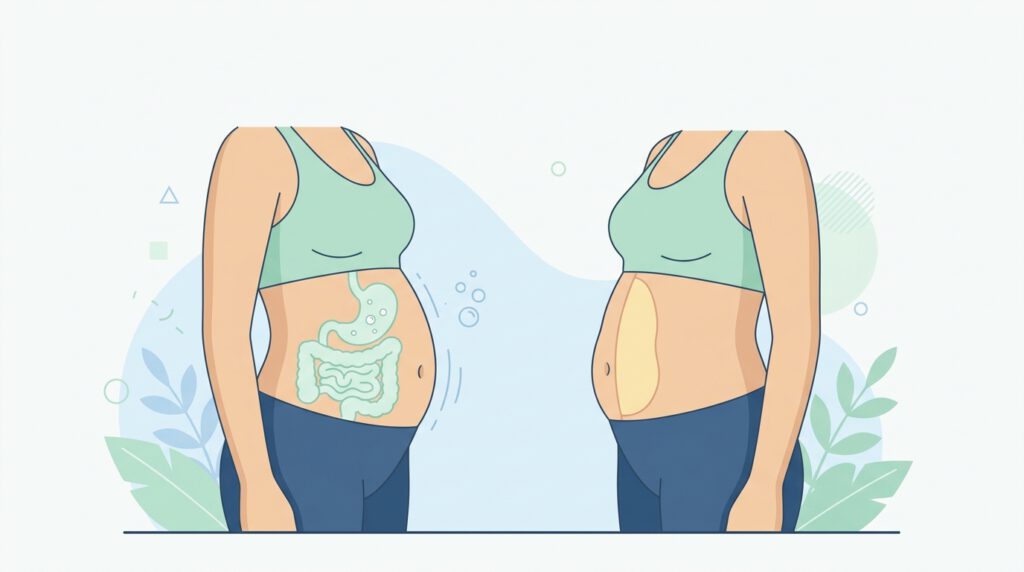
You may gradually lose muscle while gaining fat.
And where your body stores fat can change too.
For many people, particularly during midlife, more fat may accumulate around the abdomen and internal organs rather than being distributed primarily under the skin.
This is especially important for women during the menopausal transition.
For that reason, the scale does not always tell the complete story.
If you are strength training while losing fat, you may see relatively small changes in body weight while noticing improvements in:
- Waist circumference
- Clothing fit
- Strength
- Muscle definition
- Body measurements
- Fitness
- Energy levels
That is why body composition and health markers can sometimes be more useful than scale weight alone.
4. Hormonal Changes Become More Important in Midlife
Hormones do not explain every case of weight gain, but hormonal changes can influence body composition, appetite, fat distribution, and physical function.
Women: Perimenopause and Menopause
For women, the transition toward menopause can bring substantial hormonal changes.
Estrogen levels change during perimenopause and decline substantially after menopause. Research has associated the menopausal transition with changes in body composition and a greater tendency toward abdominal fat accumulation.
Menopause does not automatically cause major weight gain in every woman. Aging, lifestyle, physical activity, diet, sleep, and other factors also play important roles.
But the hormonal transition can change where fat is stored and make maintaining body composition more challenging.
This is one reason weight-loss strategies that worked in your 20s may need to be adjusted during your 40s and 50s.
Men: Testosterone Changes
Men also experience hormonal changes with age.
Testosterone generally declines gradually rather than suddenly. Because testosterone is involved in muscle mass, strength, and body composition, lower levels can be one factor contributing to changes in lean mass and fat distribution.
However, testosterone is only one piece of the puzzle.
Lifestyle, physical activity, nutrition, sleep, body composition, and medical conditions can also influence weight and muscle mass.
5. Your Life May Be More Sedentary After 30
Sometimes the biggest change isn’t biological at all.
It’s your lifestyle.
In your 20s, you might have walked more, played sports, gone out with friends, traveled, or simply spent more time on your feet.
Then your 30s arrive.
You may have:
- A full-time desk job
- A long commute
- Children
- More responsibilities
- Less free time
- More meals away from home
- More stress
- Less time for exercise
By your 40s and 50s, these changes can accumulate.
You may still believe that you are “active” because you exercise a few times per week, but your total daily movement may be much lower than it was years earlier.
This is one reason maintaining a healthy weight often requires more intentional habits as you age.
6. Stress and Poor Sleep Can Make Weight Management Harder
Sleep and stress are often overlooked when people talk about weight loss.
Yet both can influence eating behavior, physical activity, recovery, and overall health.
When you are chronically stressed and sleeping poorly, it can become harder to maintain a consistent eating and exercise routine.
You may also find yourself:
- Craving highly palatable foods
- Eating more impulsively
- Skipping workouts
- Feeling too tired to move
- Relying on convenience foods
- Staying up late and eating at night
Sleep also matters because being tired can reduce your motivation and activity during the following day.
Instead of treating sleep as something separate from your weight-loss plan, consider it part of the plan.
For many adults, aiming for roughly 7–9 hours of sleep per night is a useful target.
7. Your Calorie Needs May Be Different Now
Here is a simple concept that explains much of the frustration people experience with age:
The number of calories you need today may not be the same as the number you needed 10 or 20 years ago.
Imagine that at age 25 you walked 10,000 steps a day, trained four times per week, and had an active social life.
At age 40, you might walk 4,000 steps, train once or twice per week, and spend most of the day at a desk.
Even if your basic metabolism has not dramatically changed, your total daily energy expenditure may be lower.
If you continue eating exactly the same way, a calorie surplus can gradually appear.
That surplus does not have to be huge.
A small difference repeated consistently can contribute to gradual weight gain over months and years.
8. Weight Loss Can Also Become More Difficult Because Diets Cause Some Muscle Loss
When you lose weight, you do not lose only body fat.
Some lean tissue can also be lost, particularly when calorie restriction is aggressive and resistance training and protein intake are inadequate.
This matters more as you get older because preserving muscle becomes increasingly important.
That is why the goal should not simply be:
“How quickly can I make the scale go down?”
A better question is:
“How can I lose body fat while preserving as much muscle as possible?”
That shift changes the strategy.
Instead of relying on extreme calorie restriction, focus on a sustainable calorie deficit, adequate protein, resistance training, regular movement, and good recovery.
How to Lose Weight After 30
The fundamentals of weight loss do not suddenly change when you turn 30.
A calorie deficit is still necessary for meaningful fat loss.
But the strategy may need to become more deliberate.
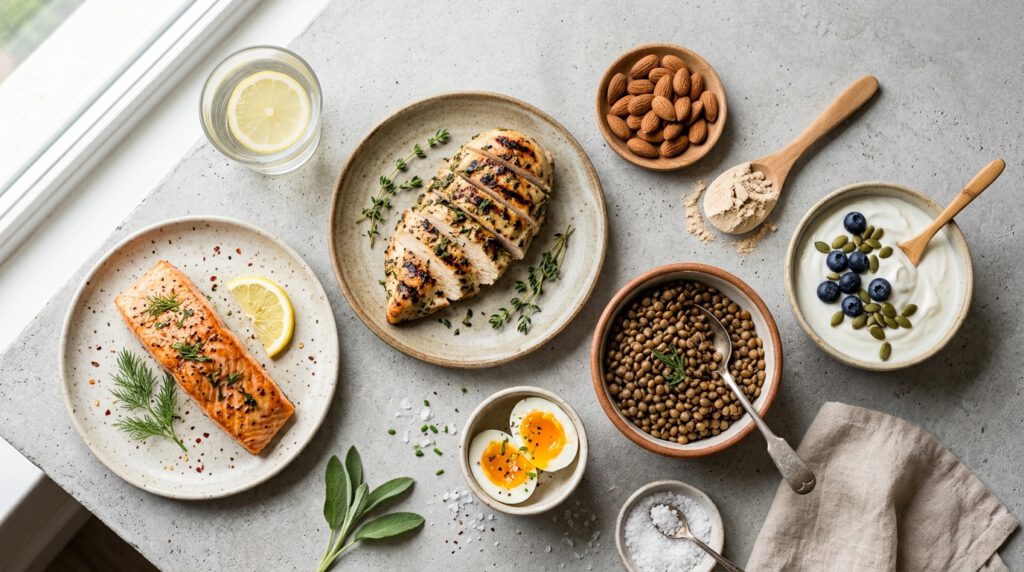
1. Prioritize Protein
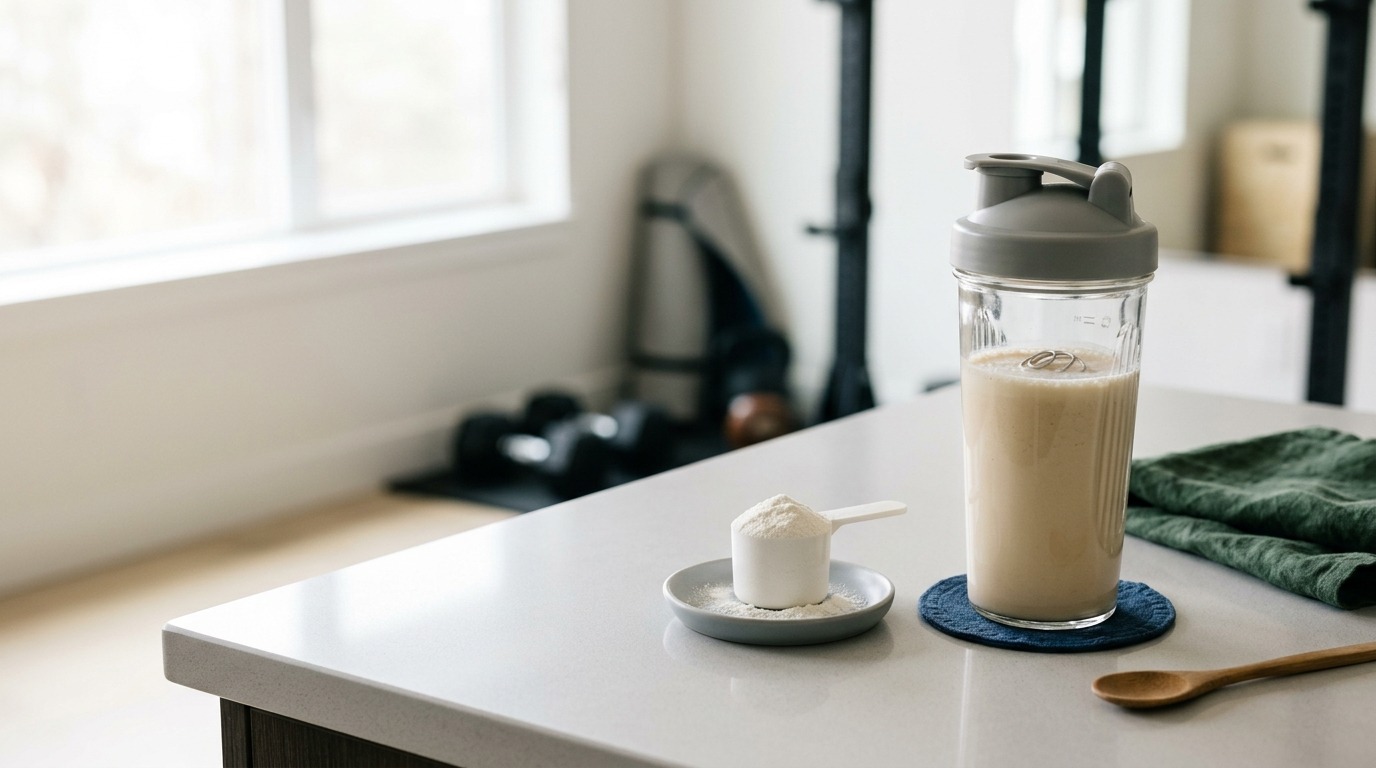
Protein is important for maintaining muscle during weight loss.
Good protein sources include:
- Eggs
- Greek yogurt
- Fish
- Chicken
- Lean meat
- Cottage cheese
- Beans
- Lentils
- Tofu
- Other high-protein foods
Protein needs vary based on body size, activity level, health status, and goals, so there is no single number that works for everyone.
For older adults, getting enough protein becomes particularly important because the body’s response to protein and resistance exercise can change with age.
Instead of obsessing over a single number, distribute protein across your meals and make sure each meal contains a meaningful protein source.
2. Make Strength Training a Priority
If you want to protect muscle while losing fat, resistance training should be a major part of your plan.
Aim to train the major muscle groups consistently and progress gradually as your fitness improves.
Strength training can also improve:
- Strength
- Balance
- Mobility
- Physical function
- Independence
And these benefits become increasingly valuable as you get older.
3. Keep Moving Outside the Gym
Don’t assume your workout cancels out a sedentary day.
Look for opportunities to move more throughout the day.
A 30-minute workout is valuable, but so are the other hours of your day.
Walking more, standing periodically, taking movement breaks, and staying generally active can help increase your total daily activity.
4. Build Your Diet Around Nutrient-Dense Foods
A sustainable weight-loss diet does not need to eliminate entire food groups.
Instead, emphasize foods that provide plenty of nutrients and help you control hunger.
Build most meals around:
- Vegetables
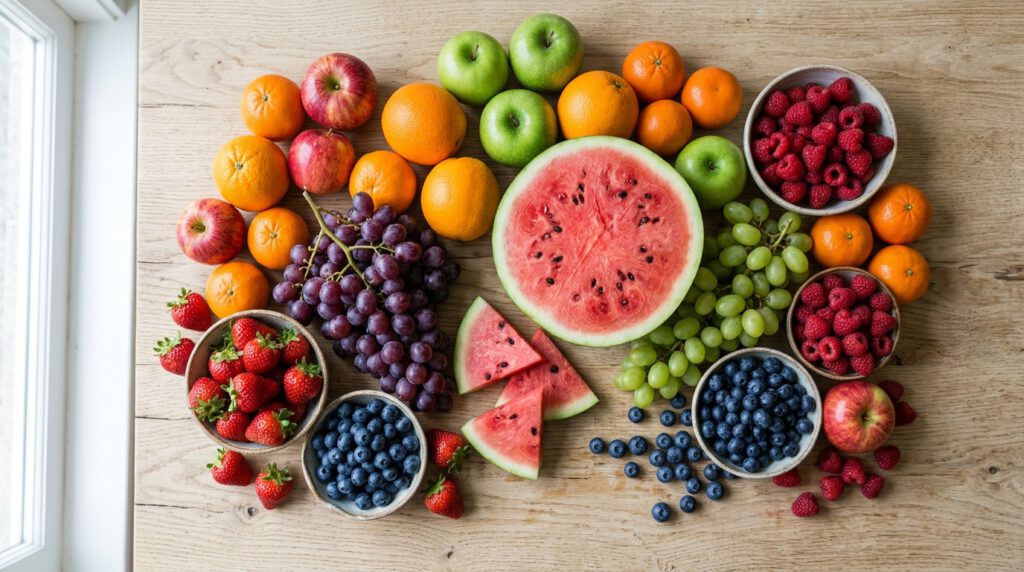
- Fruits
- Whole grains
- Beans and legumes
- Lean proteins
- Low-fat or minimally processed dairy
- Nuts and seeds
- Healthy sources of dietary fat
Highly processed foods are not automatically forbidden, but they can make it easier to consume large amounts of calories without feeling satisfied.
5. Watch Liquid Calories
Drinks can quietly contribute a significant amount of energy.
Pay attention to:
- Sugary soda
- Sweetened coffee
- Energy drinks
- Alcohol
- Large amounts of fruit juice
- High-calorie specialty beverages
Water, unsweetened tea, and other low-calorie drinks can make calorie control easier.
6. Don’t Depend on the Scale Alone
Your weight can fluctuate because of water, food volume, sodium, glycogen, hormonal changes, and other factors.
Instead of judging your progress from a single weigh-in, look at trends over several weeks.
You can also monitor:
- Waist measurement
- Progress photos
- Strength
- Fitness
- Clothing fit
- Average body weight over time
This becomes especially useful if you are combining fat loss with resistance training.
What Changes After 30, 40, and 50?
After 30
This is often when gradual changes in muscle mass, activity, and lifestyle begin to become more noticeable.
Your priorities should include:
- Maintaining muscle
- Strength training
- Staying physically active
- Eating enough protein
- Establishing healthy sleep habits
You don’t need to wait until 40 or 50 to start.
After 40
For many people, lifestyle changes become more significant.
Work, family responsibilities, stress, and sedentary time can all increase.
For women, perimenopause may also begin during this period.
At this stage, pay particular attention to:
- Resistance training
- Daily movement
- Protein intake
- Portion sizes
- Sleep
- Stress management
After 50
Muscle preservation becomes even more important.
For women, menopause-related hormonal changes may influence body composition and fat distribution.
For both men and women, maintaining strength, mobility, and physical activity can become increasingly important for healthy aging.
The goal should not be simply to become lighter.
It should be to become stronger, healthier, and metabolically healthier while maintaining as much lean mass as possible.
How Many Calories Should You Eat After 40?
There is no universal “calorie limit after 40.”
Your calorie needs depend on several factors, including:
- Age
- Sex
- Height
- Body weight
- Muscle mass
- Physical activity
- Training volume
- Overall health
Two 45-year-old people can have completely different calorie requirements.
Instead of following a generic “1,500 calories after 40” rule, estimate your needs based on your individual characteristics and adjust according to your actual progress.
If your activity level has decreased substantially compared with your 20s, your calorie needs may also be lower.
When Weight Gain Isn’t Just About Aging
Not every change in body weight should be blamed on getting older.
Certain medical conditions can affect weight or make weight management more difficult.
Examples include:
- Hypothyroidism
- Cushing syndrome
- Polycystic ovary syndrome (PCOS)
- Menopause-related changes
- Certain medications
- Other medical conditions
If you experience unexplained or rapid weight gain, major changes in appetite, unusual fatigue, or persistent difficulty managing your weight despite consistent lifestyle changes, talk with a healthcare professional.
A medical evaluation can help determine whether an underlying condition or medication may be contributing to the problem.

The Bottom Line
Weight loss does not become impossible after 30, 40, or 50.
But your body, daily activity, and lifestyle may change enough that the strategies that worked in your 20s no longer work exactly the same way.
The biggest mistake is to blame everything on a “broken metabolism.”
Aging is associated with changes in muscle mass, body composition, hormones, activity levels, sleep, and lifestyle. These factors can interact and make maintaining a calorie deficit more challenging.
The solution is not starvation or endless cardio.
Instead:
Build and preserve muscle.
Eat enough protein.
Move more throughout the day.
Choose mostly nutrient-dense foods.
Protect your sleep.
Manage stress.
Adjust your calorie intake to your current activity level rather than your lifestyle from 10 or 20 years ago.
Most importantly, don’t judge your health by the number on the scale alone.
As you get older, maintaining strength, mobility, muscle mass, energy, and overall health can be just as important as losing a few extra pounds.
Frequently Asked Questions
Does metabolism slow down after 30?
Not in the dramatic way many people assume. Research published in Science found that energy expenditure, after accounting for body composition, was relatively stable from about age 20 to 60. However, muscle loss, lower physical activity, lifestyle changes, and other factors can reduce total daily calorie needs.
Why is it harder to lose weight after 40?
Weight loss can become more challenging because of changes in muscle mass, daily activity, body composition, sleep, stress, and hormones. For women, the perimenopause and menopause transition can also affect fat distribution and body composition.
Why do I gain weight even if I eat the same amount as I did when I was younger?
Your body may require fewer calories if you have less muscle or are less physically active. If your calorie intake stays the same while your energy expenditure falls, the difference can gradually create a calorie surplus.
Can you increase your metabolism after 50?
You cannot stop aging, but you can influence several factors that affect your energy expenditure and body composition. Resistance training can help maintain or increase muscle mass, while regular physical activity helps maintain overall energy expenditure and physical function.
Is cardio or strength training better for weight loss after 40?
Both can be useful, but they serve different purposes. Cardio helps increase energy expenditure and cardiovascular fitness, while resistance training is particularly valuable for preserving muscle during aging and weight loss. Combining both is often a practical approach.
How much protein do you need after 50?
Protein needs vary by body size, activity level, health, and goals. Older adults may benefit from higher protein intake than the basic adult minimum, particularly when trying to preserve muscle. If you have kidney disease or another medical condition, discuss your protein needs with a healthcare professional.
Should you eat fewer calories as you get older?
Possibly. If your physical activity or lean muscle mass decreases, your daily calorie requirements may also decrease. However, there is no universal calorie target based on age alone.
What is the best exercise to prevent age-related muscle loss?
Resistance training is one of the most important forms of exercise for maintaining muscle and strength as you age. Walking and other aerobic activities are also valuable for cardiovascular health, mobility, and overall activity.
When should you talk to a doctor about difficulty losing weight?
If you have made consistent diet, exercise, and lifestyle changes for several months without progress, or if you experience unexplained or rapid weight changes, it is worth discussing the situation with a healthcare professional. Certain medical conditions and medications can affect body weight.

Stay Informed With the Latest & Most Important News
Previous Post
Next Post







Advertisement