


















Now Reading: Weight Loss After 40: Why It’s Harder and Exactly What to Do
-
01
Weight Loss After 40: Why It’s Harder and Exactly What to Do



If you’ve noticed that the number on the scale creeps up even though you’re eating the same way you always have, you’re not imagining it.
Weight loss after 40 really is harder than it was in your 20s or 30s — and there’s solid science behind why.
The encouraging part?
Once you understand what’s changing inside your body, you can work with it instead of fighting it.
This guide breaks down exactly why weight loss after 40 becomes more difficult and gives you a clear, practical plan to turn things around.
Table of contents
Why Weight Loss After 40 Is Harder
Several physiological shifts happen around this age, and they tend to compound one another.
1. You’re Losing Muscle Mass
Starting around age 30, your body naturally begins to lose muscle — a process that speeds up after 60. Muscle tissue burns significantly more calories at rest than fat tissue does, so less muscle means your body simply burns fewer calories throughout the day, even if your activity level hasn’t changed. Think of muscle as your body’s engine: a smaller engine uses less fuel.
2. Your Muscles Respond Less Efficiently to Protein (“Anabolic Resistance”)
As you age, your muscles become less responsive to the protein and exercise that used to build and maintain them easily — a phenomenon researchers call anabolic resistance. In practical terms, this means you may need noticeably more protein than you did at 25 just to get the same muscle-preserving effect.
3. Hormonal Changes Shift Where You Store Fat
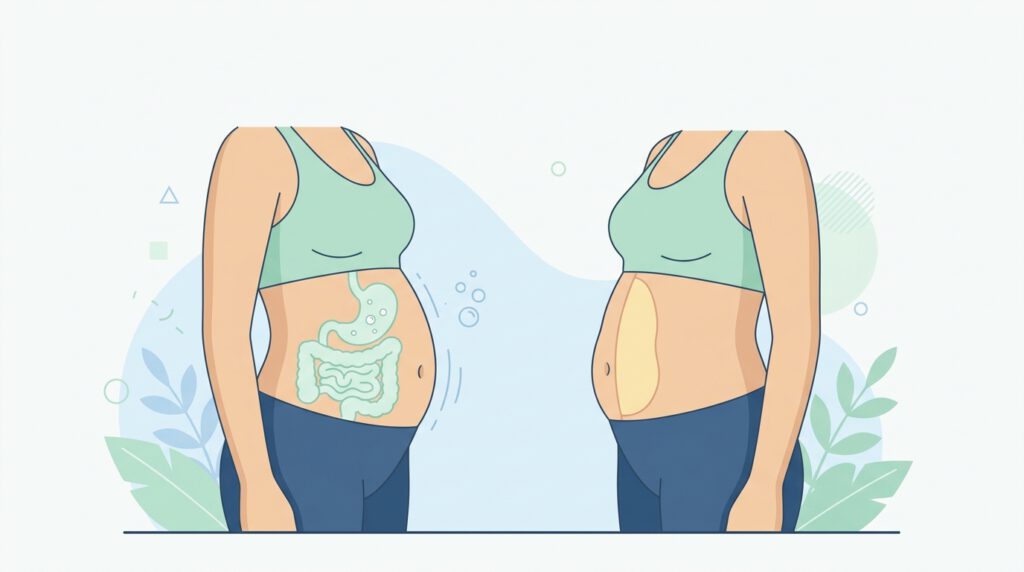
For women, declining estrogen during perimenopause and menopause changes how and where the body stores fat, often shifting it from the hips and thighs toward the abdomen. This isn’t just cosmetic — fat stored deep around the organs (visceral fat) is linked to higher risks of heart disease, type 2 diabetes, and metabolic syndrome. Men experience a comparable, more gradual hormonal shift (andropause) that also favors belly fat storage.
4. Stress and Cortisol Work Against You
Chronic stress raises cortisol, a hormone that encourages your body to hold onto fat, particularly around the midsection. Notably, very intense or excessive cardio can also spike cortisol, which is one reason grueling workout routines sometimes backfire for people in their 40s and beyond.
5. Poor Sleep Makes Everything Harder
Sleep and weight are closely linked. Skimping on sleep disrupts the hormones that control hunger and fullness (ghrelin and leptin), increases cravings, raises cortisol, and makes it harder for your body to build and hold onto muscle.
Exactly What to Do: A Practical Action Plan
The good news is that none of this is a life sentence. Small, consistent changes in these five areas make a real difference.
1. Prioritize Strength Training
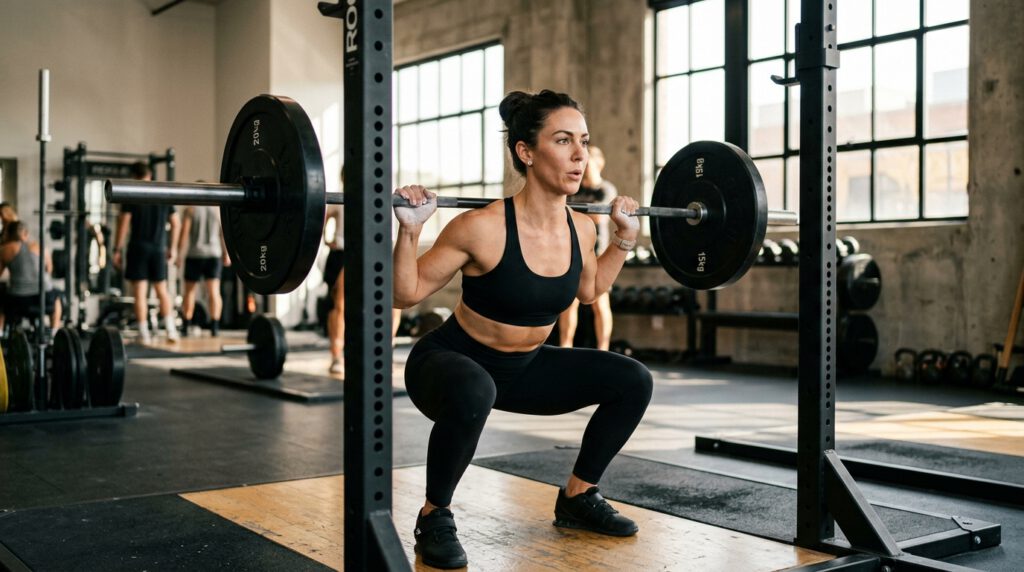
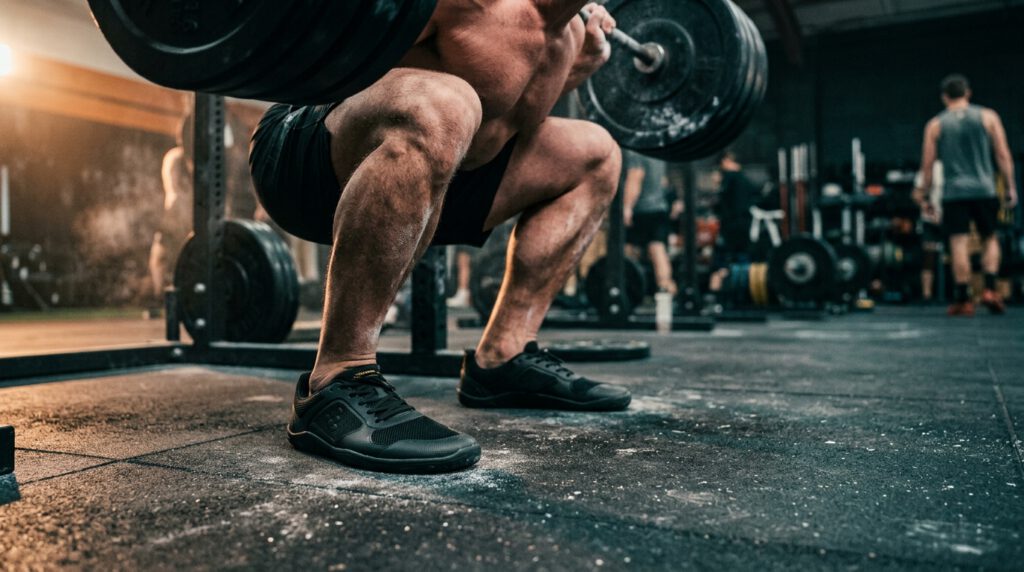
Resistance training is arguably the single most important habit for weight loss after 40, because it directly counteracts age-related muscle loss.
- Aim for 2–3 strength sessions per week that work all the major muscle groups.
- You don’t need a gym — bodyweight moves like squats, lunges, and push-ups work well, as do free weights or resistance bands.
- Strength training also protects bone density, which matters more as osteoporosis risk rises with age.
A common myth, especially among women, is that lifting weights leads to “bulking up.” In reality, most people lack the hormonal profile needed to build significant muscle mass without a very deliberate, intensive program — strength training simply tones and strengthens.
2. Eat More Protein — and Spread It Out
Because your muscles respond less efficiently to protein than they used to, your daily target needs to go up.
- Aim for roughly 20–30 grams of protein per meal, prioritizing main meals over small snacks throughout the day.
- Good sources include eggs, fish, chicken, Greek yogurt, and legumes like beans and lentils.
- Try to eat protein within a couple of hours after a workout to maximize muscle repair and growth.
3. Rethink Your Cardio
Cardio still matters for heart health, but the type matters more after 40.
- Favor moderate, steady-state cardio (sometimes called “Zone 2” — a pace where you can still hold a conversation), such as brisk walking, easy cycling, or swimming.
- Reserve high-intensity workouts for a smaller portion of your routine, since overdoing intense cardio can keep cortisol elevated and work against fat loss.
- Even modest daily walking has measurable benefits — every bit of consistent movement adds up.
4. Manage Stress Intentionally
Since cortisol actively promotes belly fat storage, stress management isn’t optional — it’s part of the weight loss strategy itself.
- Build in daily stress-relief habits: short walks, deep breathing, yoga, meditation, or simply time away from screens.
- Find what genuinely relaxes you rather than forcing a technique that doesn’t fit your life.
5. Protect Your Sleep
Treat sleep as seriously as diet and exercise.
- Aim for 7–8 hours of quality sleep most nights.
- Keep a consistent sleep and wake schedule, even on weekends.
- If stress, hormonal changes, or health issues are disrupting your sleep, it’s worth addressing directly rather than pushing through it.
Nutrition Habits Worth Building
Beyond protein intake, a few broader eating habits support weight loss after 40:
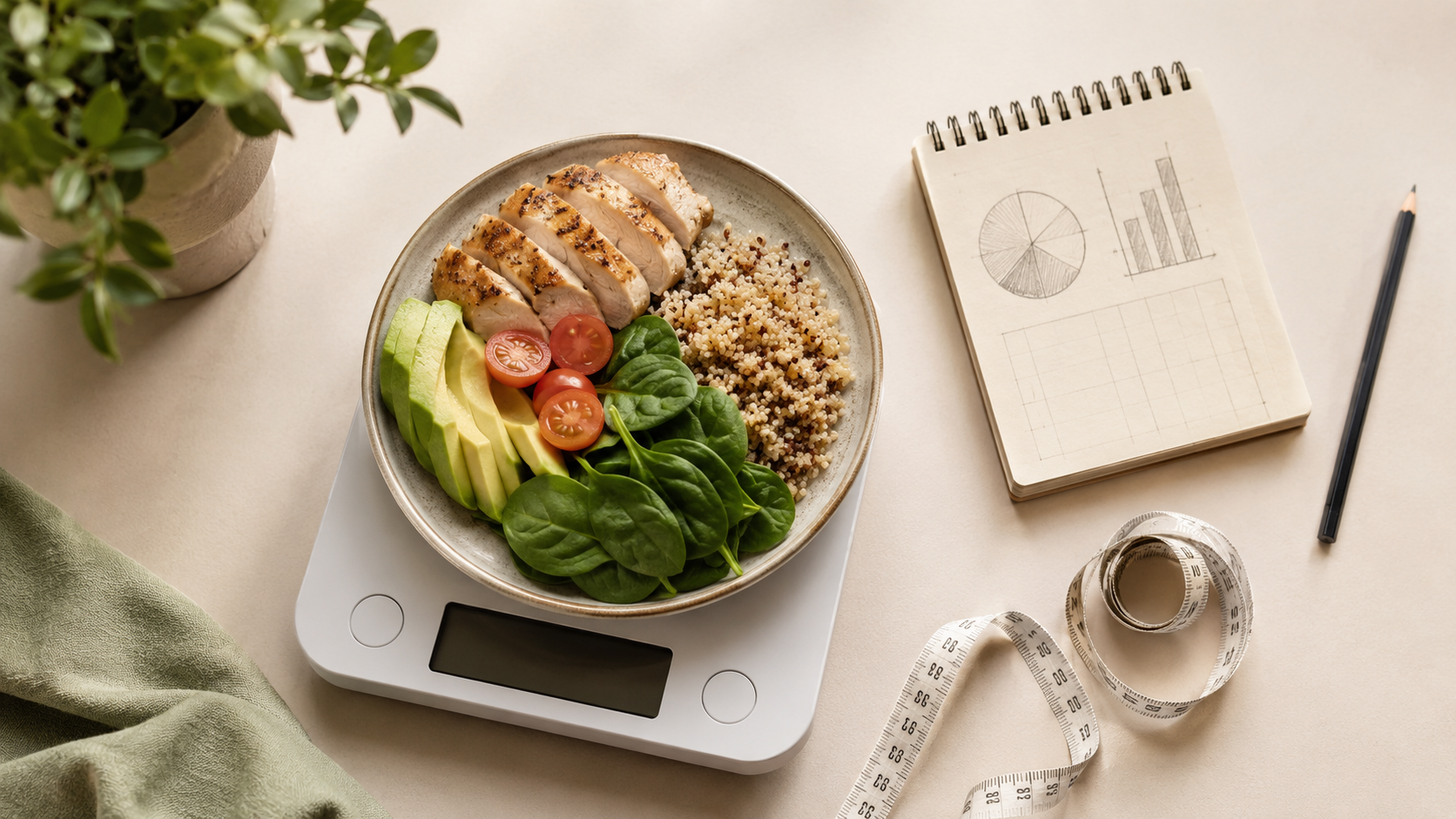
- Build meals around whole foods — vegetables, lean proteins, whole grains, and healthy fats — rather than relying on severe calorie restriction, which can accelerate muscle loss.
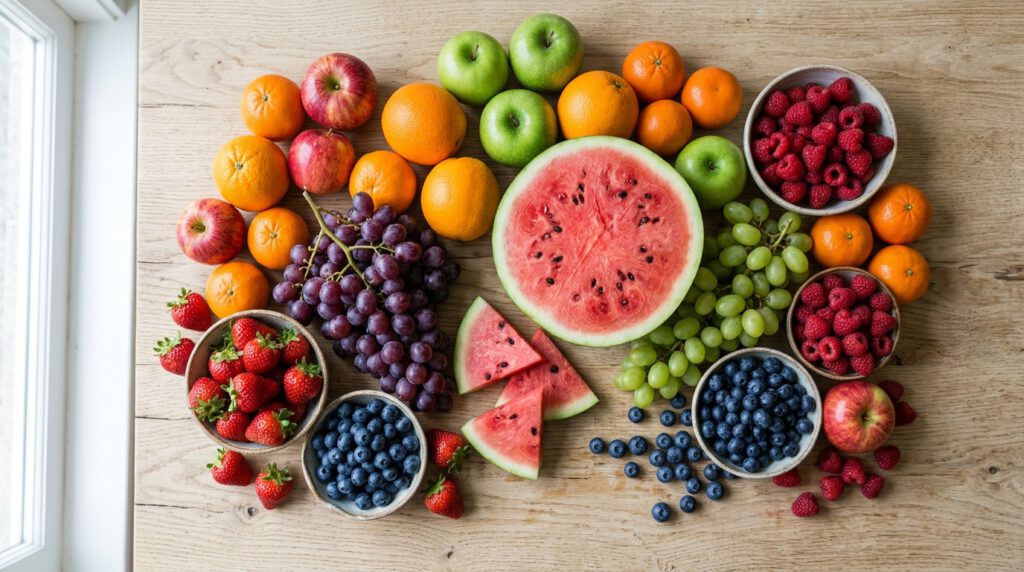
- Fill half your plate with produce at meals; it adds volume and nutrients without excess calories.
- Don’t skip breakfast — a balanced morning meal helps curb mid-morning cravings that often lead to overeating later.
- Pair carbohydrates with protein and fiber to keep blood sugar steady and reduce cravings.
- Cut back on sugary drinks and alcohol — both add up in calories quickly and can increase hunger.
- Eat mindfully — sitting down and focusing on your meal (instead of eating on the go) helps your brain register when you’re actually full.
When to Get Medical Support
If you’re eating well, exercising consistently, and managing stress and sleep, but still aren’t seeing progress, it may be worth ruling out an underlying medical issue. Thyroid problems, for instance, affect a meaningful share of people — more commonly women and those over 60 — and can cause weight gain along with fatigue, joint pain, and low mood. A conversation with your doctor or a registered dietitian can help identify whether something beyond lifestyle is at play, and can help you build a personalized, sustainable plan.
Frequently Asked Questions
Why is weight loss after 40 so much harder than it used to be?
It comes down to a combination of natural muscle loss (which slows metabolism), hormonal shifts that change how and where fat is stored, and reduced sensitivity to the protein and exercise that used to build muscle easily.
How much protein do I need for weight loss after 40?
Many experts recommend roughly 1–1.2 grams of protein per kilogram of body weight daily, distributed as 20–30 grams per meal, rather than concentrated in one meal or spread too thin across many small snacks.
Is cardio or strength training better after 40?
Both matter, but strength training becomes especially important because it directly preserves the muscle mass that keeps your metabolism running. Moderate steady-state cardio tends to be more sustainable than frequent high-intensity sessions.
Can menopause cause weight gain even if I’m not eating more?
Yes. Declining estrogen can redistribute fat toward the abdomen even without a change in calorie intake, which is why body shape often shifts during perimenopause and menopause independent of the scale.
How important is sleep for losing weight after 40?
Very. Poor sleep disrupts hunger-regulating hormones, raises cortisol, and makes it harder to preserve muscle — all of which work against weight loss efforts.
The Bottom Line
Weight loss after 40 genuinely requires a different playbook than what worked in your 20s — but it’s far from impossible. By prioritizing strength training, eating enough protein, moderating cardio intensity, managing stress, and protecting your sleep, you can work with your body’s changes instead of against them. Consistency in these five areas, more than any quick fix, is what makes sustainable results possible at this stage of life.
Related Posts
Stay Informed With the Latest & Most Important News
Previous Post
Next Post









Advertisement