







Now Reading: Functional Fitness for Longevity: Exercises You Need to Do Now to Move Like a 20-Year-Old at 60
-
01
Functional Fitness for Longevity: Exercises You Need to Do Now to Move Like a 20-Year-Old at 60

Functional Fitness for Longevity: Exercises You Need to Do Now to Move Like a 20-Year-Old at 60

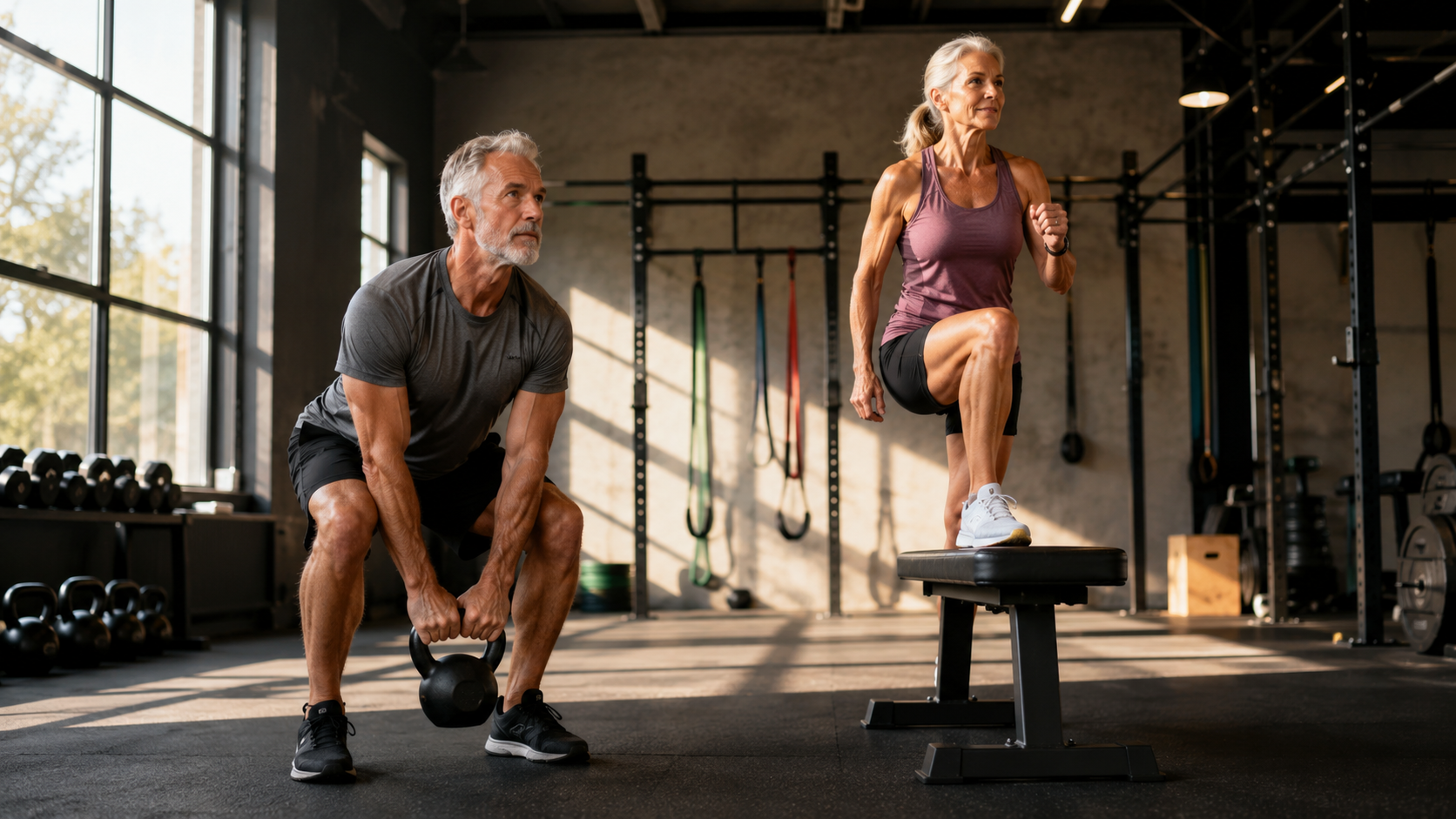
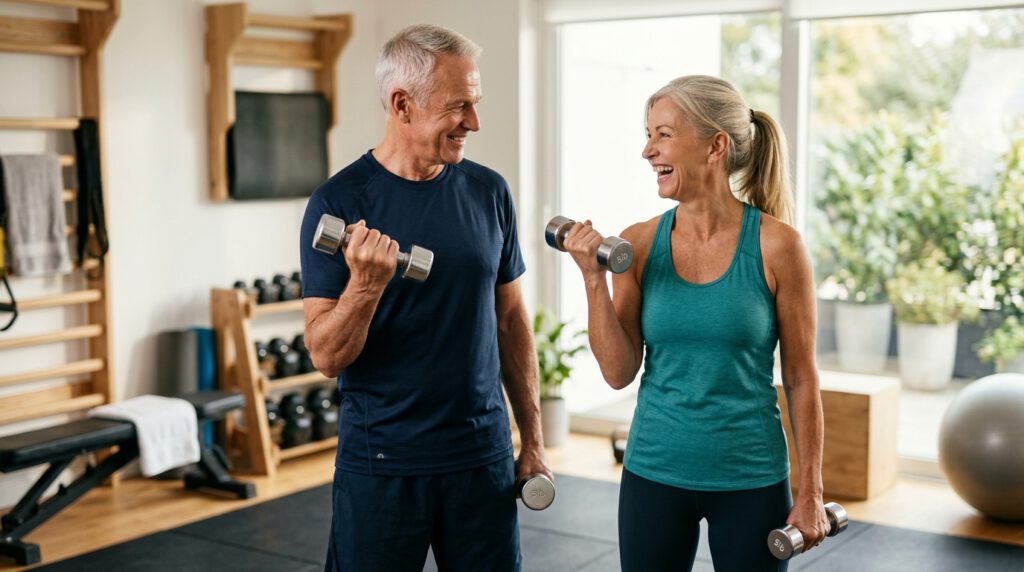
Aging doesn’t have to mean becoming weak, stiff, or dependent on others. In fact, one of the most powerful ways to preserve your independence and quality of life is through functional fitness training.
Functional fitness focuses on training the body for real-life movement patterns—like squatting, lifting, carrying, pushing, pulling, and balancing. These foundational movements help you maintain mobility, coordination, strength, and stability as you age.
The goal isn’t just to look fit. It’s to ensure you can still:
- Climb stairs comfortably
- Carry groceries without pain
- Get off the floor easily
- Prevent falls and injuries
- Stay active and independent in your 60s, 70s, and beyond
Research even shows that just 15 minutes of exercise daily can significantly improve longevity and overall health.
If you want to move like a 20-year-old at 60, these are the exercises you should start doing now.
Table of contents
- The 6 Essential Functional Movements for Healthy Aging
- 1. Squats: The Foundation of Independence
- 2. Deadlifts: Protect Your Back and Build Real-World Strength
- 3. Farmer’s Carries: The Most Underrated Longevity Exercise
- 4. Pushing and Pulling Movements: Maintain Upper-Body Function
- Incline Push-Ups
- Rows (Pulling Movement)
- 5. Lunges and Step-Ups: Build Balance and Stability
- 6. Side Planks and Core Stability Training
- The Longevity Secret Most People Ignore: Grip Strength
- Dead Hangs: A Simple Exercise With Massive Benefits
- Single-Leg Balance: A Powerful Predictor of Longevity
- How Often Should You Train for Longevity?
- Tips to Stay Consistent With Functional Fitness
- Final Thoughts: Train for the Life You Want Later
The 6 Essential Functional Movements for Healthy Aging
1. Squats: The Foundation of Independence

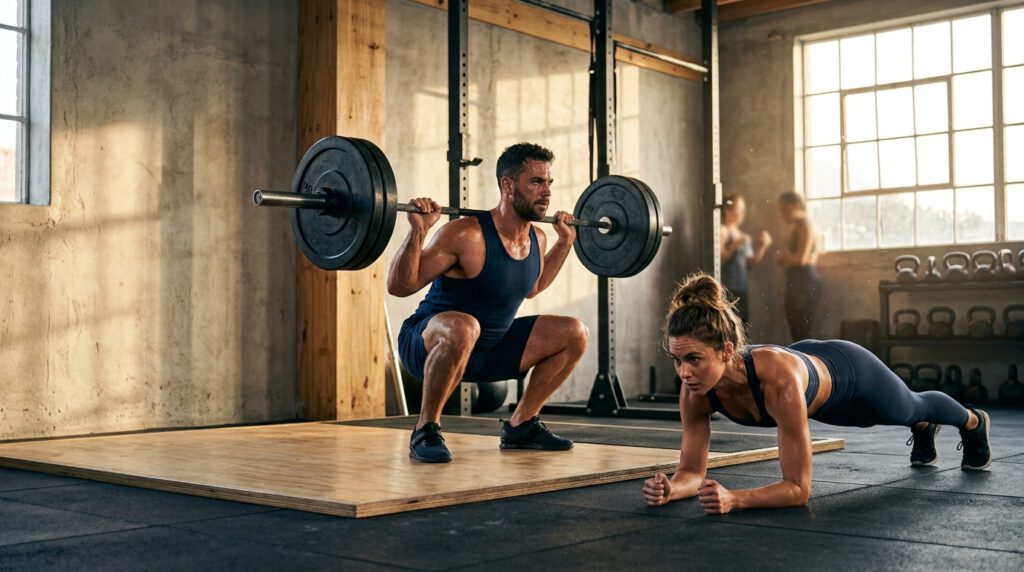
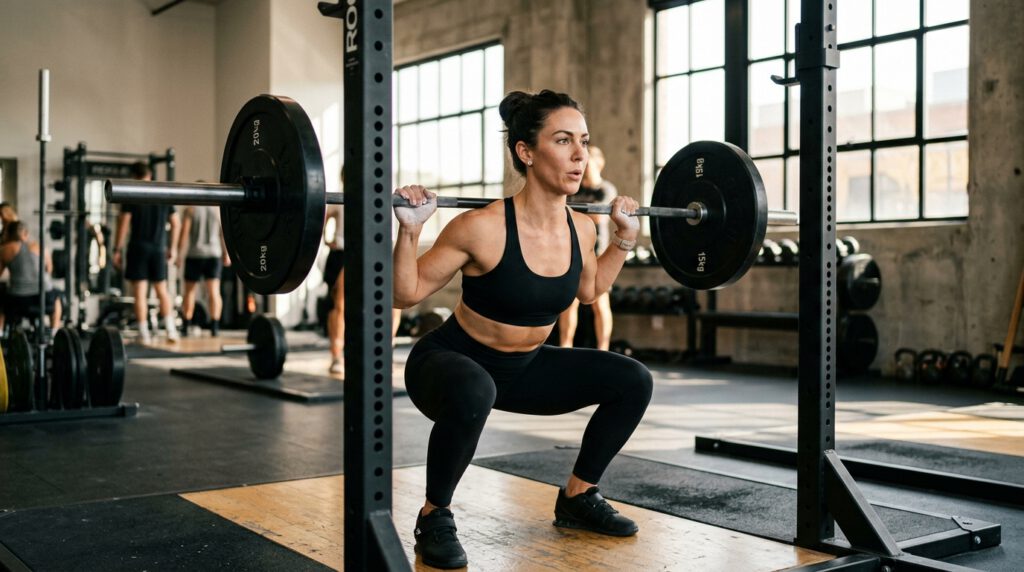
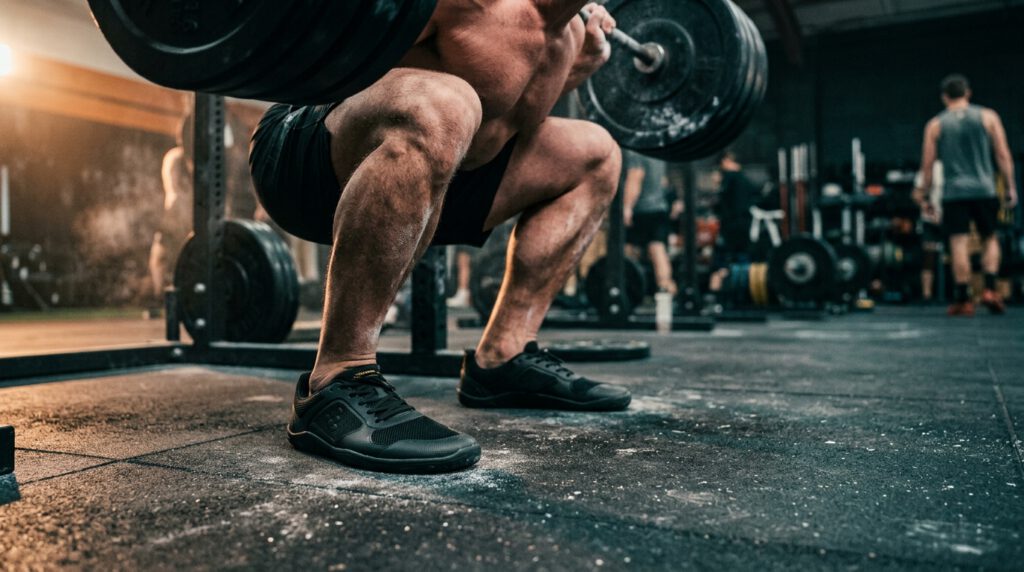
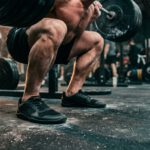
The squat is arguably the most important movement for longevity. It strengthens the legs, glutes, hips, and core while improving balance and mobility.
Being able to perform a simple sit-to-stand movement without assistance is strongly linked to better health outcomes and longer lifespan.
Benefits of Squats
- Improves lower-body strength
- Enhances balance and coordination
- Supports knee and hip health
- Makes everyday movements easier
How to Do a Proper Squat
- Stand with feet slightly wider than hip-width.
- Turn your toes outward slightly.
- Push your hips back as if sitting into a chair.
- Bend your knees until about 90 degrees.
- Press through your heels to stand back up.
Beginner Modification
Use a chair behind you. Slowly lower yourself to sit, then stand back up without using your hands.
Progression
Add dumbbells or kettlebells to build more muscle and bone strength.
2. Deadlifts: Protect Your Back and Build Real-World Strength

Deadlifts train the hip hinge movement pattern—the same motion used when picking up groceries, lifting boxes, or bending down safely.
They strengthen the glutes, hamstrings, lower back, core, and grip while teaching proper spinal alignment.
Why Deadlifts Matter for Longevity
- Reduces lower back pain
- Improves posture
- Builds total-body strength
- Enhances mobility across multiple joints
How to Perform a Deadlift
- Stand with feet hip-width apart.
- Keep your spine neutral and chest lifted.
- Push your hips backward while bending slightly at the knees.
- Grip the weight and stand tall by driving through your heels.
- Lower slowly with control.
Beginner Tip
Practice the movement first using a broomstick before adding weight.
Advanced Option
Try a single-leg deadlift to improve balance and coordination.
3. Farmer’s Carries: The Most Underrated Longevity Exercise
Carrying heavy objects is a real-life skill that functional fitness prepares you for. Farmer’s carries strengthen the core, shoulders, grip, and posture simultaneously.
Grip strength is one of the strongest predictors of longevity and overall health.
Benefits of Farmer’s Carries
- Builds grip strength
- Improves posture
- Strengthens the core
- Enhances shoulder stability
How to Do Farmer’s Walks
- Hold a moderate weight in each hand.
- Keep shoulders down and chest upright.
- Walk slowly for 20–30 feet.
- Turn around and repeat.
Pro Tip
Focus on posture rather than speed.
4. Pushing and Pulling Movements: Maintain Upper-Body Function
Daily life constantly requires pushing and pulling—from opening doors to lifting objects overhead.
Training these movements helps preserve shoulder health and upper-body strength as you age.
Incline Push-Ups
Incline push-ups are joint-friendly and excellent for beginners.
How to Do Them
- Place your hands on a wall, bench, or sturdy table.
- Lower your chest slowly.
- Push back to the starting position.
Rows (Pulling Movement)
Rows strengthen the upper back and improve posture.
How to Do Rows
- Use a resistance band or cable machine.
- Pull elbows backward while squeezing your shoulder blades together.
Why These Movements Matter
- Prevent rounded shoulders
- Improve posture
- Preserve shoulder mobility
- Make lifting and reaching easier
5. Lunges and Step-Ups: Build Balance and Stability
Falls are one of the biggest health risks as we age. Single-leg exercises like lunges and step-ups improve coordination, balance, and stability.
Benefits
- Strengthens legs and hips
- Improves walking mechanics
- Enhances balance
- Helps prevent falls
How to Do Step-Ups
- Step onto a low platform or stair.
- Drive through the front heel.
- Step down slowly with control.
- Alternate legs.
Beginner Advice
Start with a very low step height and focus on balance first.
6. Side Planks and Core Stability Training

A strong core protects the spine, improves posture, and reduces injury risk.
Unlike traditional planks, side planks target the obliques, hips, and shoulder stabilizers more effectively.
How to Perform a Side Plank
- Lie on your side with your elbow under your shoulder.
- Lift your hips to create a straight line from head to heels.
- Hold for 10–30 seconds.
- Repeat on both sides.
Benefits
- Strengthens the core
- Improves posture
- Enhances spinal stability
- Prevents lower back pain
The Longevity Secret Most People Ignore: Grip Strength
One of the most overlooked markers of healthy aging is grip strength.
Studies consistently show that weaker grip strength is associated with:
- Higher mortality risk
- Poorer cognitive function
- Lower bone density
- Reduced quality of life
That’s why exercises like:
- Farmer’s carries
- Dead hangs
- Deadlifts
are incredibly valuable for long-term health.
Dead Hangs: A Simple Exercise With Massive Benefits
Hanging from a pull-up bar may look simple, but it delivers powerful longevity benefits.
Dead Hang Benefits
- Decompresses the spine
- Builds shoulder stability
- Improves grip strength
- Enhances posture
How to Do a Dead Hang
- Grip a pull-up bar at shoulder width.
- Let your body hang naturally.
- Keep shoulders engaged and away from your ears.
- Hold for 10–60 seconds.
Beginner Modification
Keep one foot lightly supported on the floor if needed.
Single-Leg Balance: A Powerful Predictor of Longevity
Research suggests that the inability to stand on one leg for 10 seconds may be linked to a significantly higher mortality risk.
Balance training is essential for preventing falls and maintaining independence later in life.
Simple Balance Exercise
- Stand on one leg for 30 seconds.
- Switch sides.
- Use a wall for support if needed.
Practice this daily to improve coordination and stability.
How Often Should You Train for Longevity?
The key to functional fitness is consistency—not intensity.
Ideal Weekly Routine
- Train 3 days per week
- Focus on movement quality
- Prioritize recovery and joint health
- Walk daily when possible
You don’t need extreme workouts to age well. Consistent movement is what truly matters.
Tips to Stay Consistent With Functional Fitness
1. Start Small
Even 15 minutes per day can create meaningful long-term benefits.
2. Focus on Form First
Master proper movement before adding heavier weights.
3. Track Your Progress
Keep notes on:
- Strength improvements
- Balance
- Mobility
- Energy levels
4. Find Enjoyable Movement
The best workout is the one you can sustain for years.
5. Train With Accountability
Working out with a friend, coach, or group can dramatically improve consistency.
Final Thoughts: Train for the Life You Want Later
Functional fitness isn’t about chasing aesthetics or extreme athletic performance. It’s about building a body that continues to serve you for decades.
By training foundational movements like:
- Squats
- Deadlifts
- Carries
- Pushes
- Pulls
- Balance exercises
you create the strength, mobility, and resilience needed to stay youthful and independent as you age.
The earlier you start, the better your body will move later in life.
Your future self will thank you.
Related Posts
Stay Informed With the Latest & Most Important News
Previous Post
Next Post







Advertisement