







Now Reading: Healthspan vs Lifespan: Why Longevity Culture Is Changing How We Train
-
01
Healthspan vs Lifespan: Why Longevity Culture Is Changing How We Train


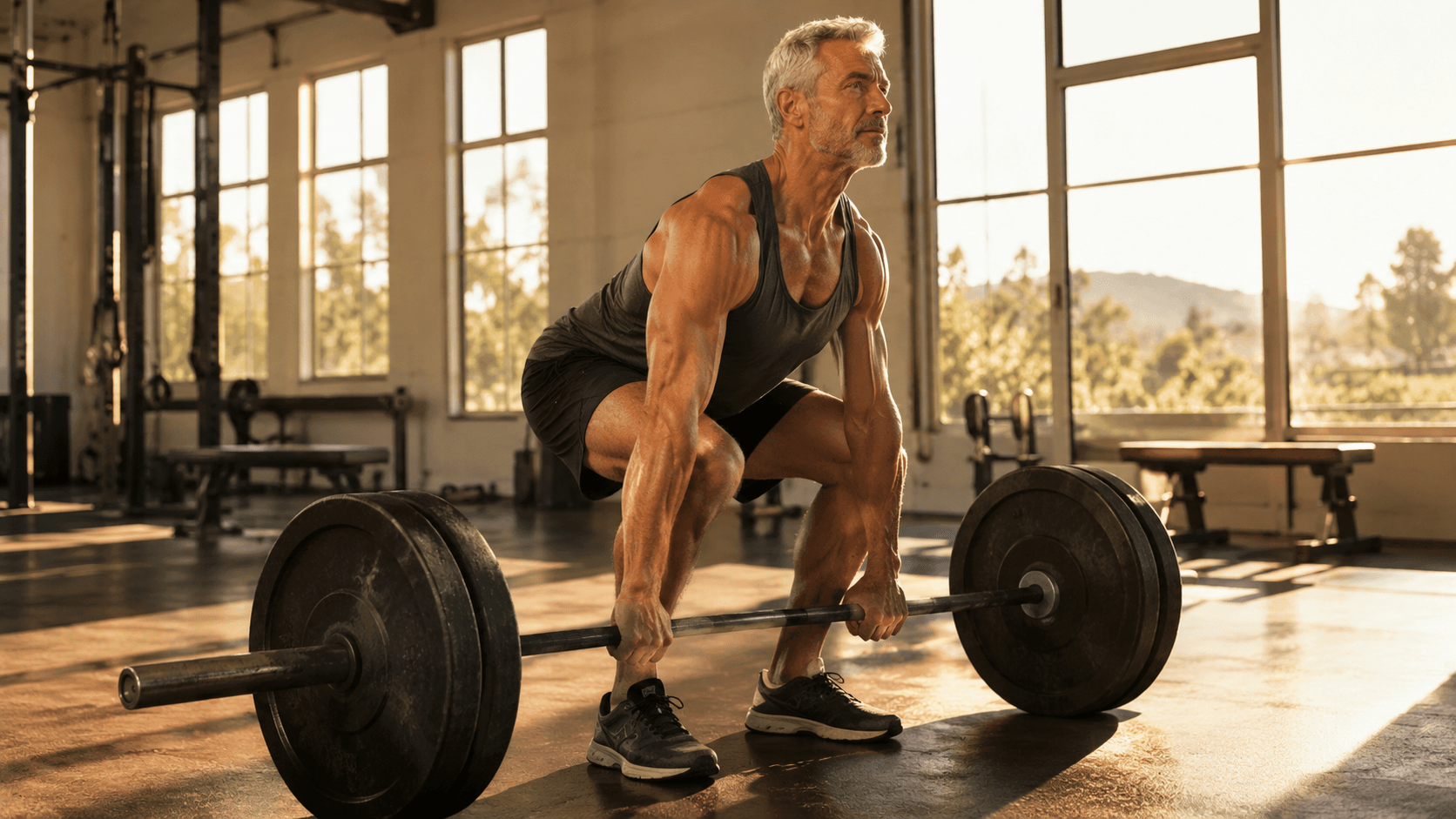
How the science of “living well” — not just living long — is reshaping strength training, cardio, and recovery for every age group.
For most of the 20th century, the fitness industry sold one promise: look better, faster. Burn calories, chase a number on the scale, build a summer body.
Today, that promise is being replaced by a quieter but far more ambitious one — train so you can still carry your own groceries, get up off the floor without help, and think clearly at 85. This shift has a name: longevity culture.
And at the center of it sits a single, deceptively simple distinction — the difference between lifespan and healthspan.
Table of contents
Lifespan vs Healthspan: What’s the Difference?
Lifespan is the total number of years between birth and death — a straightforward, biological number.
Healthspan is the portion of that life spent free from chronic disease, disability, and major physical decline — the years you can still do the things that make life feel like your own.
The distinction matters because these two numbers have quietly drifted apart. Over the last century, medical advances in sanitation, vaccines, antibiotics, and emergency care dramatically extended how long people live.
In the United States, life expectancy at birth rose from roughly 47 years in 1900 to close to 79 years today.
In Canada, life expectancy reached 81.6 years in 2021 — a jump of 24.5 years since 1921, according to Statistics Canada.
But extra years of life haven’t automatically meant extra years of health.
Many people now spend a decade or more managing multiple chronic conditions — heart disease, type 2 diabetes, arthritis, cognitive decline — before they die.
That stretch of extended-but-diminished life is what longevity researchers call the “healthspan gap,” and closing it, not simply adding candles to the birthday cake, has become the real goal of modern longevity science.
The scale of the challenge is growing fast.
The United Nations projects that the global population aged 65 and older will double by 2050, reaching roughly 1.6 billion people — a demographic shift that Dr. Richard Siow, Director of Ageing Research at King’s College London and a board member of the Longevity Science Foundation, has called “an emergency” for healthcare systems already stretched thin.
Why “Longevity Culture” Exploded — and Why Some of It Is Hype
Longevity has become one of the fastest-growing categories in wellness. Market analysts now value the global longevity-focused economy in the hundreds of billions of dollars, with related supplement, biohacking, and diagnostics markets each projected to grow at double-digit rates through the early 2030s.
Biohacking retreats, at-home biological-age tests, NAD+ supplements, and headline-grabbing “age reversal” labs have turned longevity into a cultural buzzword — and, in the process, attracted a fair amount of noise.
Dr. Siow is candid about this tension. He argues that much of the word’s popularity is driven by marketing rather than science, and that the ambiguity of the term “longevity” is being used to fuel an industry bubble.
His point is not that the underlying science is fake — it’s that true longevity science has very little to do with stem-cell injections or IV vitamin drips, and everything to do with prevention, early detection, and the basics of how people eat, move, and sleep.
That reframing — from chasing “anti-aging” to building genuine “prevention” — is the real engine behind the shift in how longevity-minded people train.
The Science Driving the Shift in Training
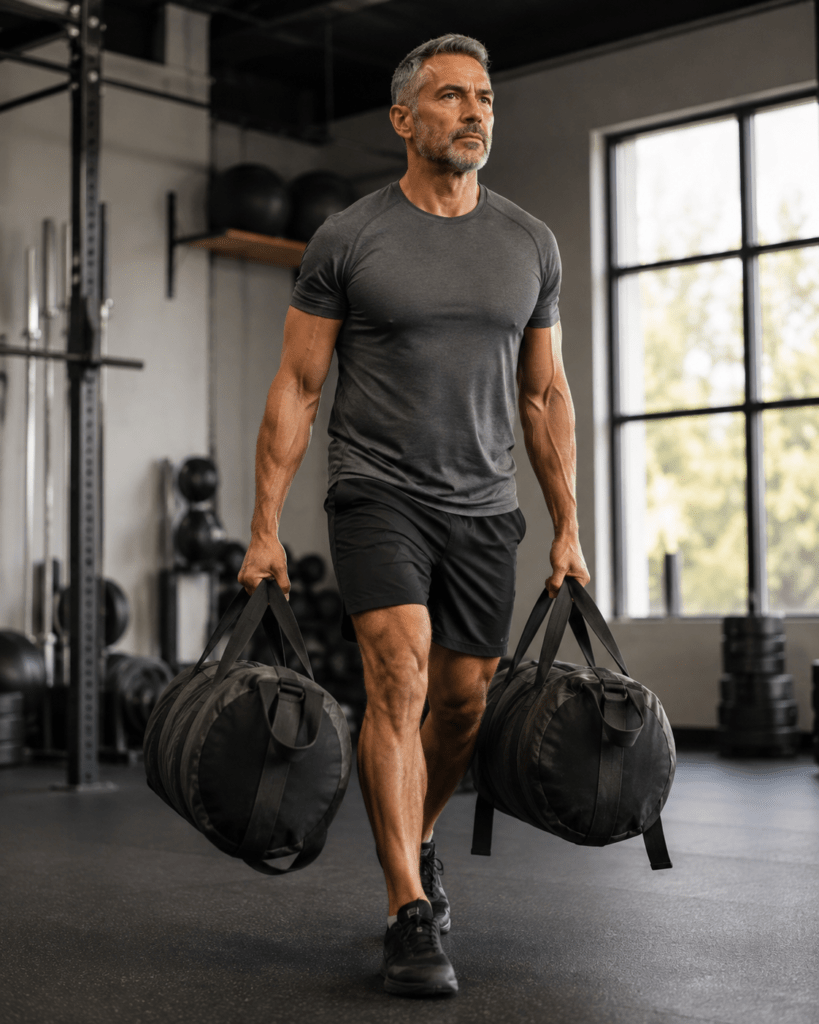
Three areas of research explain why strength, cardiorespiratory fitness, and functional capacity have replaced calorie-burning as the priorities of longevity-focused training.
1. Muscle loss (sarcopenia) accelerates faster than most people realize
Starting around age 50, the average person loses roughly 1% of muscle mass per year and about 3% of strength per year — a process called sarcopenia.
Research from exercise physiologist Stuart Phillips’s lab at McMaster University has shown that even short periods of inactivity, such as two to three weeks of reduced daily steps during an illness or hospitalization, can measurably reduce muscle strength, worsen blood sugar control, and impair the body’s ability to use dietary protein for muscle repair — a phenomenon known as anabolic resistance.
This matters because muscle isn’t just about mobility.
It functions as the body’s reservoir of glucose and amino acids, plays a central role in resting metabolism, and is a strong predictor of outcomes in serious illness — patients with better muscle health tend to spend fewer days on ventilators and have lower mortality in intensive care.
The encouraging finding from that same research: skeletal muscle stays highly responsive to training at any age. Resistance exercise, even performed inconsistently and with lighter loads, has been shown to offset muscle loss during periods of disuse and to improve how efficiently older adults use dietary protein.
Emerging research also suggests older adults need considerably more protein than standard guidelines recommend — often cited in the range of 1.2 to 1.6 grams per kilogram of body weight per day, roughly 50–100% higher than older recommendations, drawn from a mix of animal and plant sources.
2. Cardiorespiratory fitness (VO2 max) may be the single best predictor of how long you’ll live
If longevity culture has a favorite biomarker, it’s VO2 max — the maximum amount of oxygen your body can use during intense exercise. Large population studies, including the long-running Cooper Institute Aerobics Center Longitudinal Study, have found cardiorespiratory fitness to be one of the strongest known predictors of all-cause mortality, in some analyses outperforming smoking status, high blood pressure, and diabetes as risk factors. Research published in JAMA has estimated that every one-MET increase in exercise capacity is associated with a 13–15% reduction in mortality risk, and more recent cohort research spanning over 100,000 people has found the survival benefit of higher fitness has no obvious ceiling.
That evidence is a major reason “Zone 2” cardio — long, easy, conversational-pace aerobic work — has become a fixture of longevity-focused training plans, often paired with shorter, harder intervals to build peak aerobic capacity.
3. Grip strength has become a simple but powerful biomarker of aging
Because it’s cheap, fast, and safe to measure, grip strength has become one of the most studied proxies for overall muscular and physiological health.
Multiple large cohort studies — including the PURE study across 17 countries and a UK Biobank analysis of roughly half a million participants — have linked lower grip strength to significantly higher risk of all-cause mortality, cardiovascular events, and cognitive decline, with some research suggesting it predicts cardiovascular risk more strongly than systolic blood pressure.
It’s part of why longevity-oriented trainers increasingly track “unglamorous” strength markers like carrying capacity and hang time, not just how much weight someone can bench.
How Longevity Culture Is Changing the Way We Train
Put together, this research has produced a genuinely different training philosophy — one that treats the body less like something to sculpt for a season and more like infrastructure to maintain for decades.
| Old Model (aesthetics-first) | Longevity Model (healthspan-first) |
|---|---|
| Endless steady-state cardio to burn calories | Strength training as the priority, cardio as a complement |
| Training to look a certain way | Training to preserve function: carrying, lifting, getting off the floor |
| High-intensity workouts most days | Zone 2 (easy) cardio as the aerobic base, with intervals layered in |
| Rest treated as time lost | Recovery and sleep treated as part of the training stimulus |
| One-size-fits-all programs | Training built around personal biomarkers (strength, VO2 max, mobility) |
In practice, this looks like:
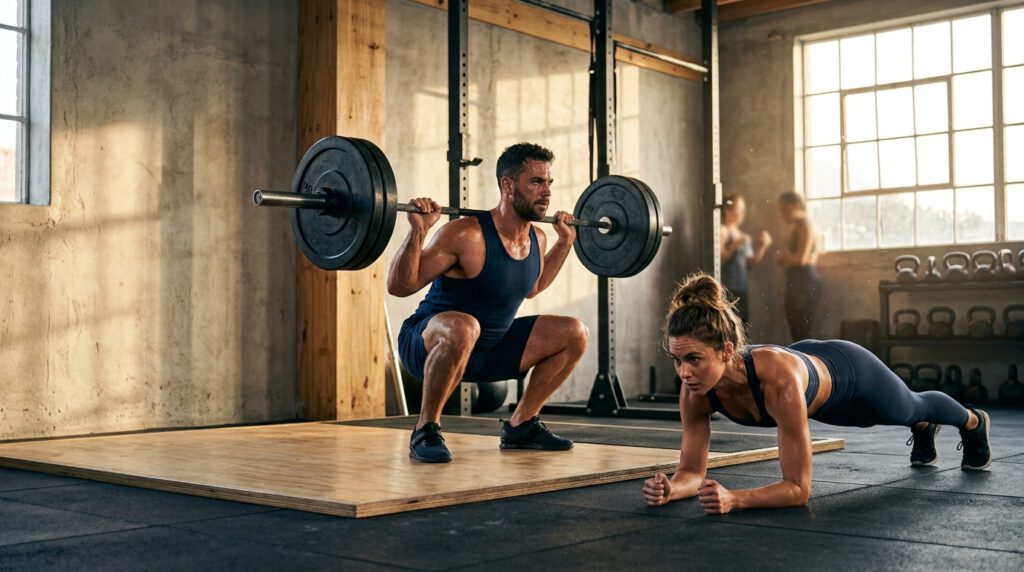
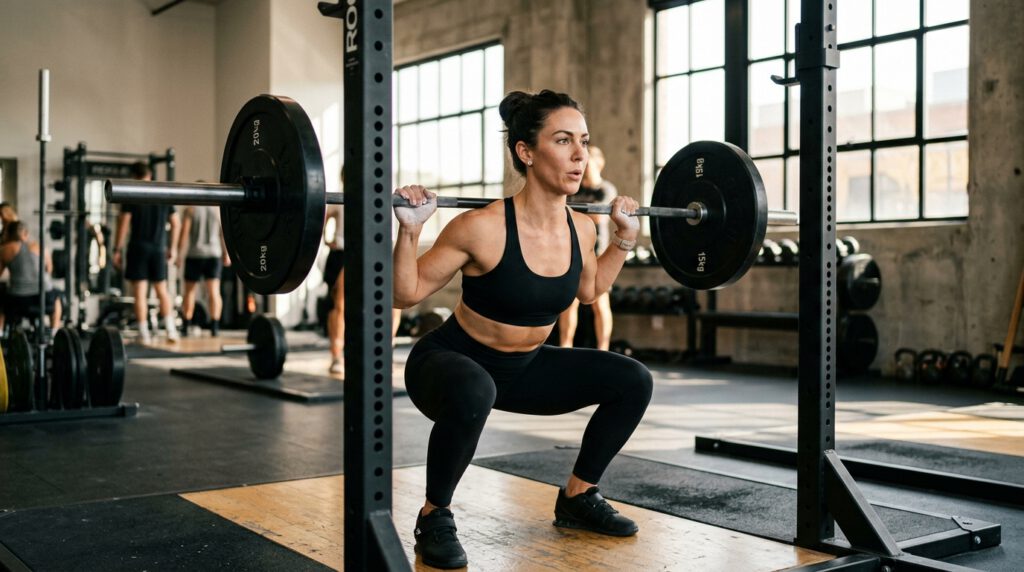
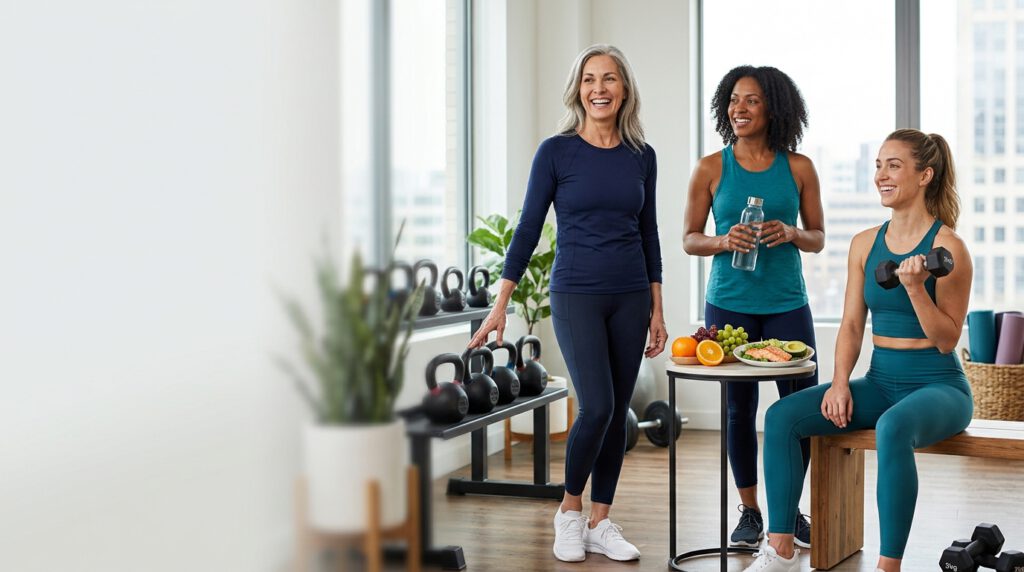
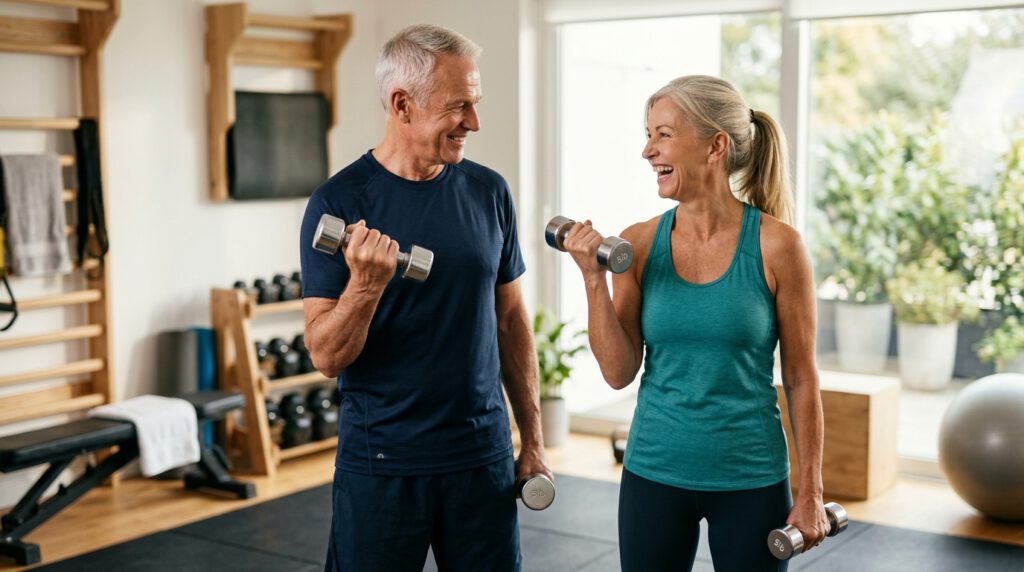
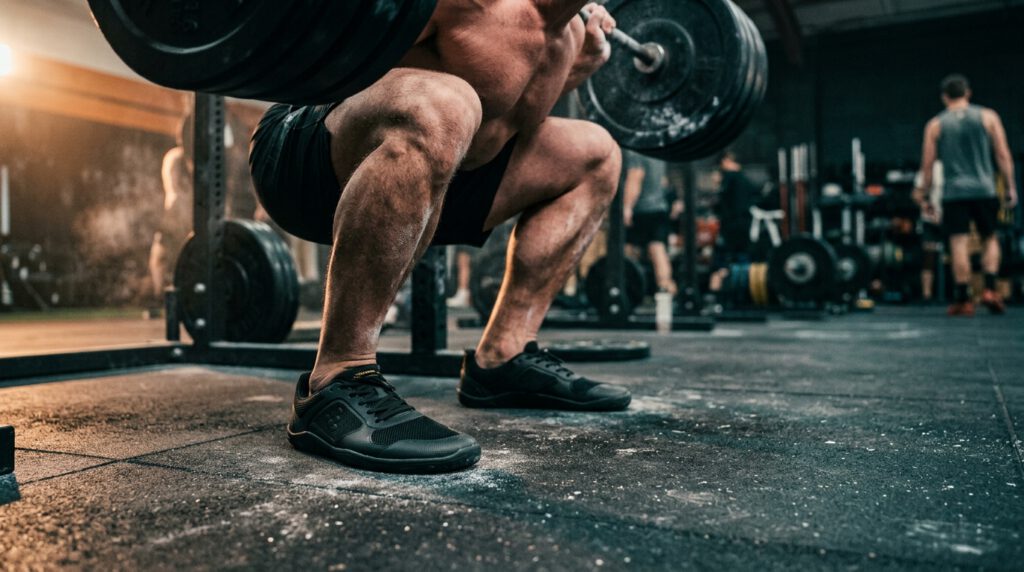
- Strength training as the non-negotiable base. Lifting moderate-to-heavy loads two to three times a week to counteract age-related muscle and bone loss, rather than treating weights as optional.
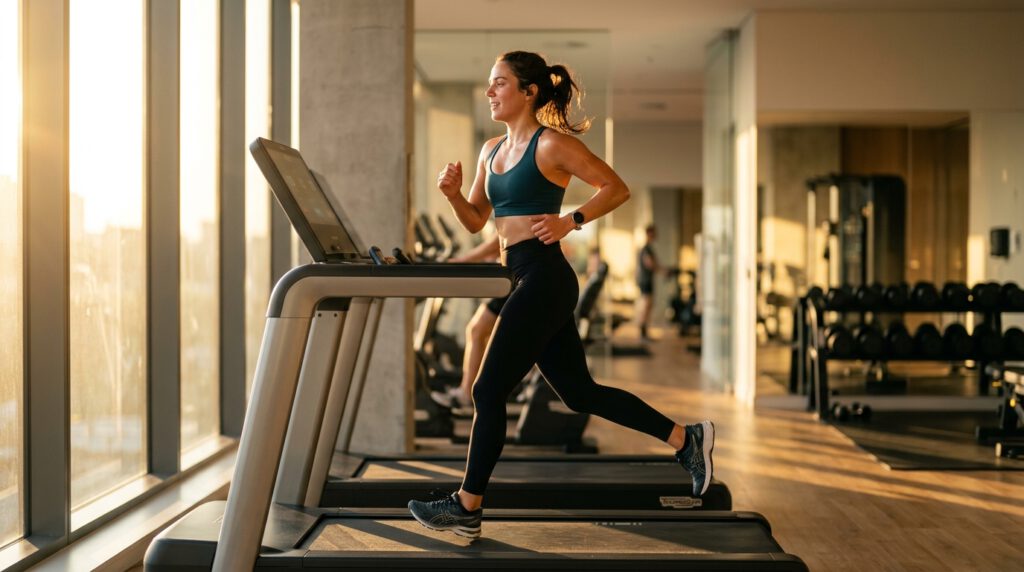
- Zone 2 cardio for aerobic health. Easy, sustainable aerobic sessions that build mitochondrial and cardiovascular capacity without the injury risk or burnout of constant high-intensity work.
- Functional and full-body movement patterns. Training squats, hinges, carries, and balance work that mirror real-life tasks — climbing stairs, carrying groceries, catching yourself during a stumble — rather than isolated, machine-based exercises alone.
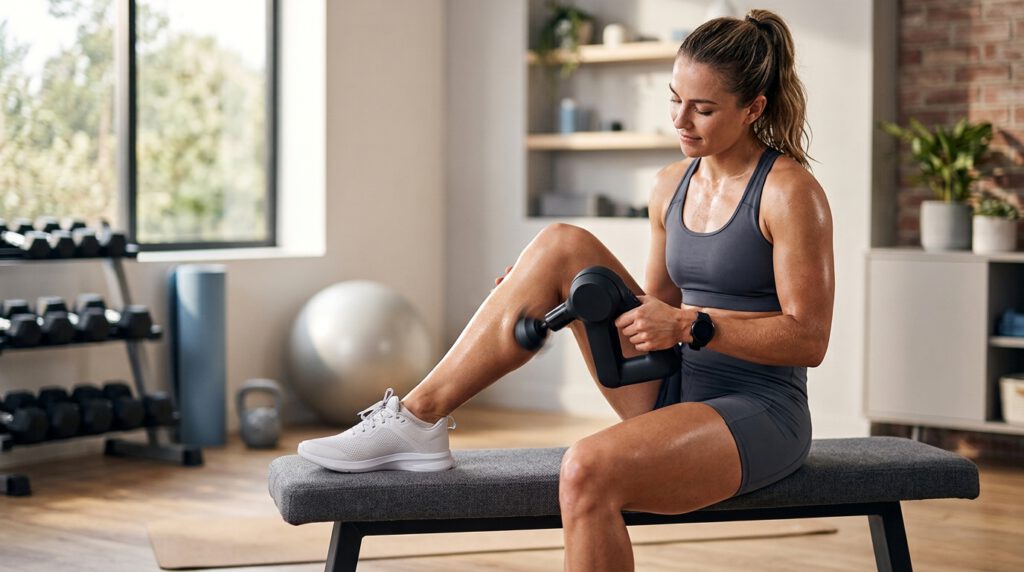
- Recovery as a training variable, not an afterthought. Prioritizing 7–9 hours of sleep and planned rest, since muscle adaptation happens during recovery, not just during the workout.
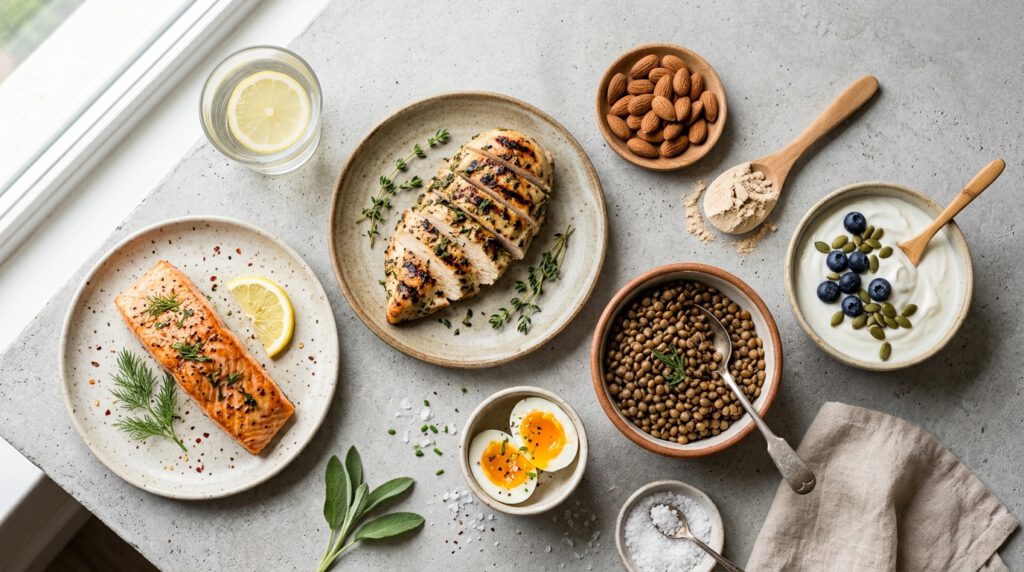
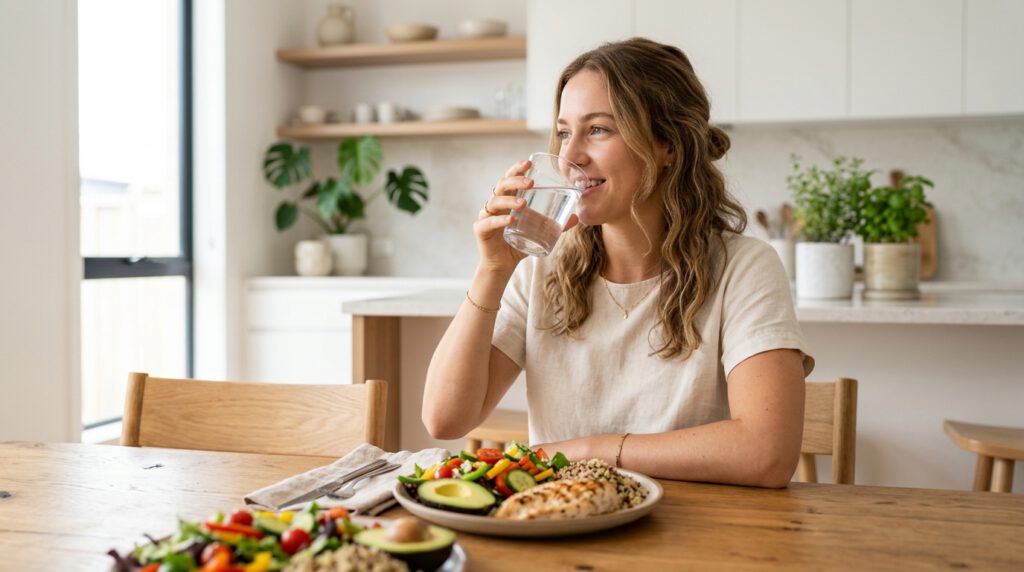
- Adequate protein intake. Spreading higher-quality protein across the day to support muscle repair, particularly important as the body’s sensitivity to dietary protein declines with age.
It’s Not Just Genetics — and That’s the Point
One reason this shift matters is that how you age is far more malleable than most people assume.
Twin and family studies suggest genetics account for only about 10–30% of the variation in lifespan, depending on the population studied.
The rest is shaped by modifiable factors: how much you move, what you eat, whether you smoke, how well you sleep, and how connected you are socially — all of which influence the cellular processes now referred to as the “hallmarks of aging,” including DNA damage, mitochondrial decline, and chronic low-grade inflammation.
That’s the deeper argument longevity researchers are making: age-related decline isn’t a fixed sentence handed down by your genes. It’s a trajectory you’re actively shaping — for better or worse — with every training session, every meal, and every night of sleep.
The Bottom Line
Longevity culture, stripped of its marketing gloss, is really a return to fundamentals — strength, cardiorespiratory fitness, mobility, protein, sleep — reframed around a more useful question than “how do I look?”
The question longevity-minded training asks instead is simple: what can I do today that lets my future self stay strong, independent, and mobile?
Whether you’re 25 and building a foundation or 65 and working to close the healthspan gap, the science points in the same direction: train for capacity, not just appearance, and the years you gain are far more likely to be years you can actually enjoy.
This article is for general informational purposes and is not a substitute for personalized medical or fitness advice. Consult a qualified healthcare provider before starting a new exercise or nutrition program, especially if you have existing health conditions.
Related Posts
Stay Informed With the Latest & Most Important News
Previous Post
Next Post






Advertisement