






















Now Reading: 5 DNA-Based Diets: Should You Eat According to Your Genes?
-
01
5 DNA-Based Diets: Should You Eat According to Your Genes?


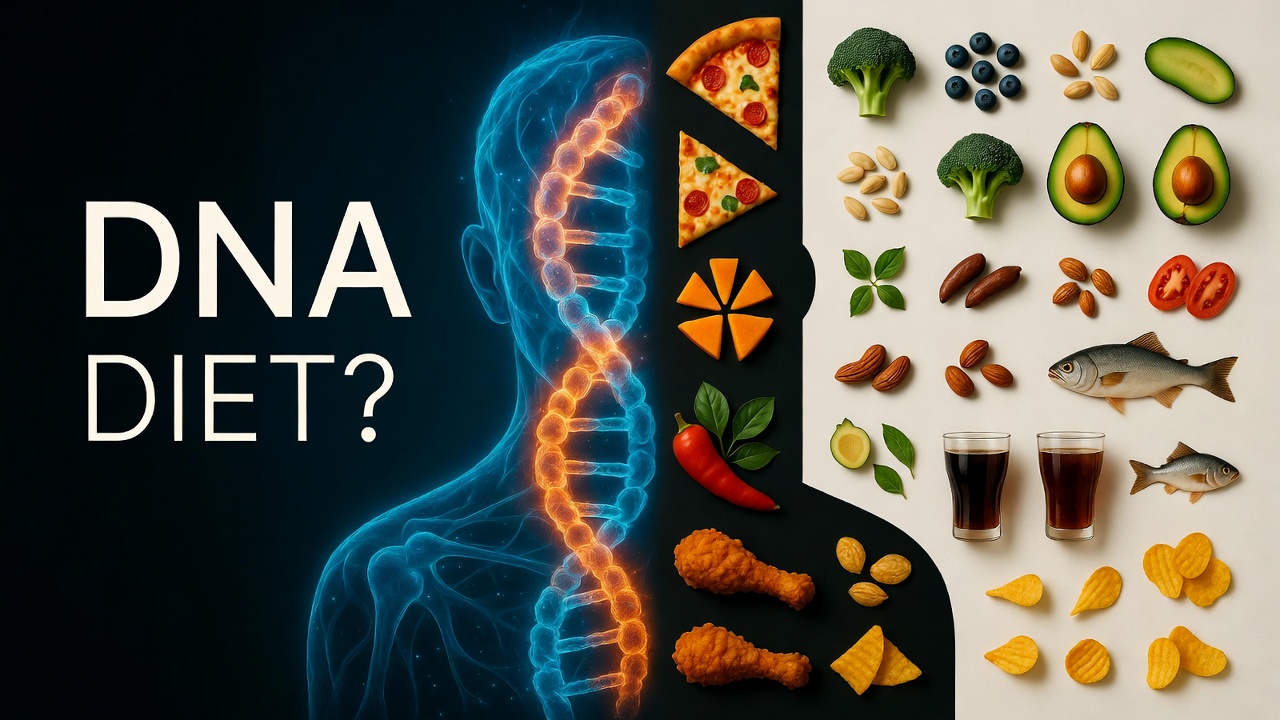
What if your DNA could tell you exactly what to eat?
That’s the promise behind DNA-based diets, also known as nutrigenomics—a growing trend in personalized nutrition that analyzes your genes to create a diet tailored specifically to your body.
From how you process fats and carbs to your sensitivity to caffeine or lactose, these tests claim to unlock your body’s unique nutritional blueprint.
But here’s the real question: Does it actually work—or is it just smart marketing?
Table of contents
What Are DNA-Based Diets (Nutrigenomics)?
DNA-based diets use genetic testing to understand how your body responds to different nutrients. These tests analyze small genetic variations (called SNPs) that may influence:
- Metabolism speed
- Fat storage
- Response to carbohydrates and sugars
- Sensitivity to caffeine
- Risk of food intolerances (like gluten or lactose)
Based on this data, you receive a personalized diet plan tailored to your genetic profile.
5 Types of DNA-Based Diet Insights
While companies may label them differently, most DNA diet plans fall into these categories:
1. Carb Sensitivity Diet
Some people process carbohydrates efficiently, while others experience spikes in blood sugar.
👉 If your DNA suggests poor carb metabolism, a low-carb or balanced-carb diet may work better for you.
2. Fat Metabolism Diet
Your genes can influence how your body handles saturated fats.
👉 If you’re sensitive, reducing unhealthy fats may lower your risk of obesity and heart disease.
3. Protein Optimization Diet
Some individuals require higher protein intake to maintain muscle and control appetite.
👉 You might be classified as a “protein seeker,” meaning protein-rich foods should be central to your meals.
4. Food Sensitivity Diet
DNA tests can highlight risks for:
- Lactose intolerance
- Gluten sensitivity
- Peanut allergies (risk only, not certainty)
👉 This helps you avoid foods that may cause discomfort or inflammation.
5. Caffeine & Sugar Response Diet
Your genes affect how quickly you metabolize caffeine and sugar.
👉 Slow caffeine metabolizers may need to limit coffee, while others can tolerate it better.
Real-Life Example of DNA Diet Personalization
Companies like Habit have built entire systems around personalized nutrition.
Their process includes:
- DNA and blood testing
- Analysis of over 60 biomarkers
- Personalized meal recommendations
- Access to dietitians
- Even home-delivered meals tailored to your genetics
Some users discovered surprising insights—like needing more protein or being highly sensitive to caffeine—leading to noticeable lifestyle changes.
The Benefits of DNA-Based Diets
✅ 1. Personalized Nutrition
Unlike generic diets, these plans are tailored to your body’s unique biology.
✅ 2. Better Diet Adherence
Studies show people are more likely to stick to a diet designed specifically for them.
✅ 3. Insight Into Deficiencies
DNA tests can reveal risks for deficiencies like:
- Vitamin B12
- Vitamin D
The Limitations (What Most People Don’t Tell You)
Here’s where things get real 👇
⚠️ 1. DNA Is NOT Destiny
Experts agree that genes only account for about 5–10% of diet-related disease risk.
👉 Your lifestyle matters far more.
⚠️ 2. Science Is Still Evolving
Some studies show that genetic-based diets don’t lead to better weight loss than standard healthy diets.
⚠️ 3. Behavior Matters More Than Data
Even when people know their genetic risks, it doesn’t always change their habits.
⚠️ 4. Not Fully Reliable Yet
Organizations like the Academy of Nutrition and Dietetics warn that nutrigenomics is not ready for routine clinical use.
DNA vs Lifestyle – What Matters More?
Even identical twins—with identical DNA—can respond very differently to the same foods.
Why?
Because your health is influenced by:
- Diet habits
- Physical activity
- Sleep
- Environment
- Gut microbiome
👉 Not just your genes.
Should You Try a DNA-Based Diet?
✅ It might be useful if:
- You feel stuck with your current diet
- You want deeper insight into your metabolism
- You’re curious about food sensitivities
❌ It’s NOT necessary if:
- You just want to lose weight or improve health
- You haven’t mastered basic healthy habits yet
👉 For most people, simple changes like:
- Eating more vegetables
- Reducing processed foods
- Managing portions
…are just as effective.
The Bottom Line
DNA-based diets are exciting and full of potential—but they’re not a magic solution.
👉 Think of your DNA as a roadmap, not a final destination.
The most powerful approach?
Combine genetic insights with healthy lifestyle habits.
FAQ
Q1: Are DNA-based diets accurate?
They provide useful insights, but they are not 100% predictive or definitive.
Q2: Can DNA tell me the perfect diet?
Not yet. Science isn’t advanced enough to create a perfect diet based solely on genetics.
Q3: Do DNA diets help with weight loss?
Not necessarily more than traditional healthy diets.
Q4: Are these tests worth it?
They can be helpful for curiosity and personalization—but not essential for good health.
Want more science-backed fitness and nutrition tips?
👉 Follow us for the latest guides on weight loss, workouts, and healthy living.
Related Posts
Stay Informed With the Latest & Most Important News
Previous Post
Next Post









Advertisement