











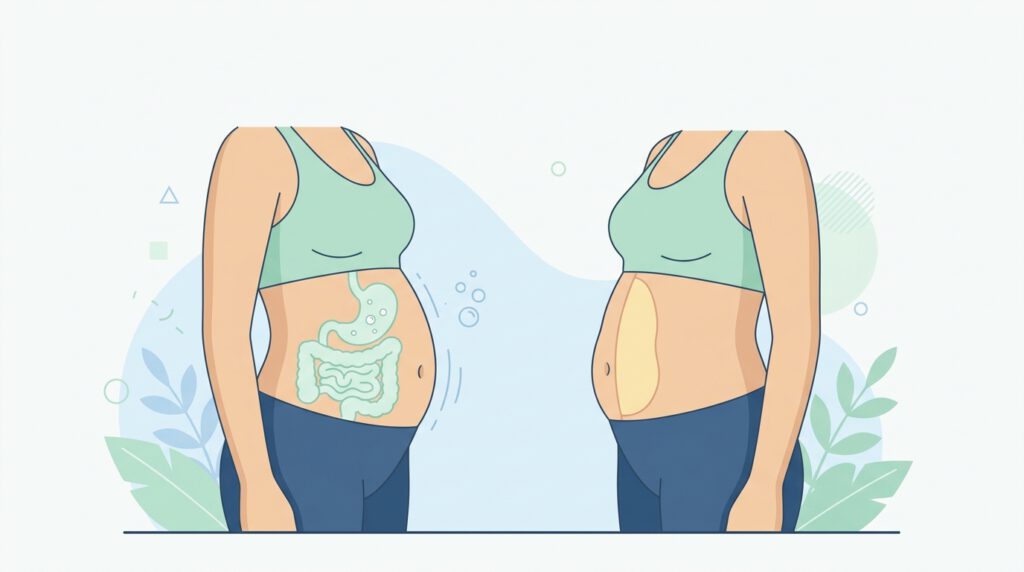













Now Reading: The Gut–Brain Axis: How Microbiome Diversity Regulates Your Appetite and Mood
-
01
The Gut–Brain Axis: How Microbiome Diversity Regulates Your Appetite and Mood


Ever notice how stress can upset your stomach, or how anxiety can destroy your appetite?
That’s not just emotional. It’s biological.
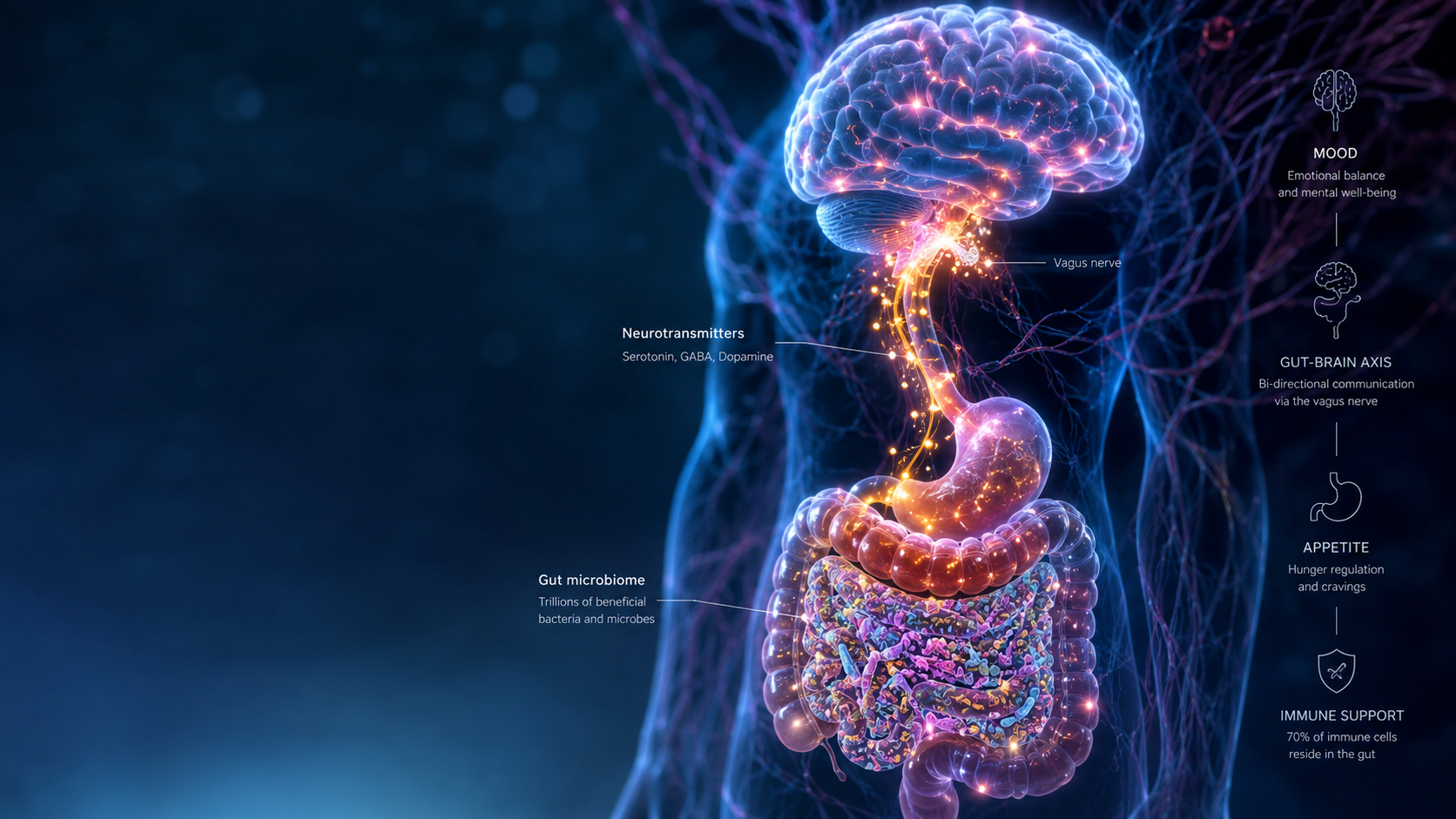
Scientists now understand that the gut and brain are in constant communication through a complex system known as the gut–brain axis — a bidirectional network connecting the gastrointestinal tract with the central nervous system through neural, immune, hormonal, and metabolic pathways.
Far from being just a digestive organ, the gut acts as a powerful neuroendocrine and immune signaling hub that influences mood, stress resilience, cravings, sleep, cognition, and even emotional stability.
At the center of this system is the gut microbiome — trillions of bacteria, fungi, and microbes living inside your digestive tract.
And the diversity of those microbes may determine far more about your mental and metabolic health than researchers once believed.
Table of contents
- What Is the Gut–Brain Axis?
- How Gut Microbes Influence Mood and Mental Health
- How the Microbiome Regulates Appetite and Cravings
- The Link Between Stress and the Microbiome
- The Oral–Gut–Brain Connection
- Best Foods to Support the Gut–Brain Axis
- Habits That Improve the Gut–Brain Axis
- Can Improving Gut Health Improve Anxiety and Mood?
- Frequently Asked Questions
What Is the Gut–Brain Axis?
The gut–brain axis (GBA) is the communication network linking your digestive system and brain.
This system includes:
- The vagus nerve
- Gut microbes
- Immune cells
- Hormones
- Neurotransmitters
- The intestinal lining
- Brain regions involved in emotion and memory
These systems constantly exchange information, allowing the gut to influence brain activity — and the brain to influence digestion.
For decades, researchers assumed the brain controlled the gut.
Today, evidence shows the gut speaks just as loudly back to the brain.
How Gut Microbes Influence Mood and Mental Health
Your microbiome plays a major role in emotional regulation, stress response, and neurotransmitter activity.
1. Serotonin Production Begins in the Gut
Around 90–95% of the body’s serotonin is produced in the gut by enterochromaffin cells.
Serotonin helps regulate:
- Mood
- Sleep
- Emotional stability
- Appetite
- Circadian rhythm
Beneficial gut bacteria help stimulate serotonin biosynthesis through microbial metabolites and chemical signaling pathways.
When microbial diversity decreases, serotonin regulation may become impaired, contributing to mood instability, irritability, and depressive symptoms.
2. Gut Bacteria Help Produce Calming Neurotransmitters
Certain beneficial bacteria — particularly Lactobacillus and Bifidobacterium species — help regulate neurotransmitters such as:
- GABA (Gamma-Aminobutyric Acid)
- Dopamine
- Acetylcholine
GABA is especially important because it calms the nervous system and helps regulate anxiety and stress responses.
A balanced microbiome supports a calmer brain.
An imbalanced microbiome may increase stress sensitivity.
3. The Vagus Nerve Connects the Gut and Brain
The vagus nerve acts like a biological superhighway carrying signals between the gut and the brain.
Healthy gut microbes send calming signals through this pathway.
Dysbiosis — an imbalance in gut bacteria — may trigger stress-related signaling that worsens:
- Anxiety
- Digestive discomfort
- Brain fog
- Mood swings
This explains why emotional stress often affects digestion and why poor digestion can worsen emotional health.
4. Inflammation and the Gut–Brain Axis
One of the most important links between gut health and mental health is inflammation.
When the microbiome becomes imbalanced, harmful bacteria can damage the intestinal barrier, increasing gut permeability.
This allows inflammatory compounds and cytokines to enter circulation and influence brain signaling — a process associated with:
- Depression
- Anxiety
- Fatigue
- Cognitive dysfunction
- Stress hypersensitivity
Researchers increasingly view chronic low-grade inflammation as a major contributor to mood disorders.
How the Microbiome Regulates Appetite and Cravings
The gut microbiome doesn’t simply digest food.
It actively influences hunger, satiety, cravings, and reward-driven eating behavior.
1. SCFAs Signal Fullness to the Brain
Beneficial bacteria ferment dietary fiber into compounds called short-chain fatty acids (SCFAs), including:
- Butyrate
- Propionate
- Acetate
These SCFAs help:
- Reduce inflammation
- Support gut barrier integrity
- Influence appetite-regulating centers in the hypothalamus
- Increase satiety signals
Low SCFA production is associated with increased cravings and poor metabolic regulation.
2. Gut Bacteria Influence Hunger Hormones
The microbiome affects hormones involved in appetite control, including:
- GLP-1
- Peptide YY (PYY)
- Ghrelin
- Leptin
These hormones regulate:
- Hunger
- Fullness
- Blood sugar balance
- Energy intake
- Emotional eating
A diverse microbiome supports healthier appetite signaling and improved metabolic flexibility.
3. Microbes Affect Dopamine and Reward Pathways
Certain microbial metabolites interact with dopamine-driven reward systems in the brain.
This may influence whether you crave:
- Nutrient-dense foods
- Sugar-heavy processed foods
- High-calorie comfort foods
When the gut-brain axis becomes disrupted, reward signaling may shift toward hedonic eating — eating for pleasure rather than true energy needs.
The Link Between Stress and the Microbiome
Stress and the microbiome influence each other in a continuous feedback loop.
Chronic stress activates the HPA axis (hypothalamic-pituitary-adrenal axis), increasing cortisol production.
Elevated cortisol can:
- Reduce beneficial bacteria
- Increase gut permeability
- Lower microbial diversity
- Impair digestion
- Increase inflammation
At the same time, poor gut health can intensify the body’s stress response.
This creates a vicious cycle between stress, inflammation, cravings, anxiety, and digestive dysfunction.
The Oral–Gut–Brain Connection
The gut-brain axis may begin earlier than most people realize — in the mouth.
Oral microbes influence:
- Immune signaling
- Nitric oxide pathways
- Gut inflammation
- Vagus nerve activity
Poor oral microbiome balance may contribute to inflammation that affects both gut and brain health.
Healthy oral bacteria support healthier downstream microbial ecosystems throughout the digestive tract.
Best Foods to Support the Gut–Brain Axis
High-Fiber Foods
Fiber feeds beneficial bacteria that produce SCFAs.
Focus on:
- Legumes
- Oats
- Whole grains
- Vegetables
- Fruits
- Resistant starches
Fermented Foods
Fermented foods introduce live microbial cultures that enhance microbial diversity.
Examples include:
- Yogurt
- Kefir
- Kimchi
- Sauerkraut
- Kombucha
Polyphenol-Rich Foods
Polyphenols help beneficial microbes thrive while reducing inflammation.
Good sources include:
- Berries
- Green tea
- Cocoa
- Pomegranate
- Olive oil
Omega-3 Rich Foods
Omega-3 fats help regulate inflammation and support brain function.
Include:
- Salmon
- Sardines
- Chia seeds
- Walnuts
- Flaxseeds
Habits That Improve the Gut–Brain Axis
To strengthen the microbiome-brain connection:
- Prioritize consistent sleep
- Reduce chronic stress
- Exercise regularly
- Stay hydrated
- Spend time outdoors in sunlight
- Avoid excess ultra-processed foods
- Limit added sugars and artificial additives
Small lifestyle changes can significantly reshape microbial diversity over time.
Can Improving Gut Health Improve Anxiety and Mood?
Emerging research strongly suggests that improving microbiome diversity may support:
- Emotional stability
- Reduced anxiety
- Better stress resilience
- Improved sleep quality
- Reduced emotional eating
- Enhanced cognitive clarity
While gut health is not the sole factor influencing mental health, it is increasingly recognized as a major biological contributor to emotional wellbeing.
Frequently Asked Questions
Can gut bacteria really affect mood?
Yes. Gut microbes influence neurotransmitters, inflammation, hormonal signaling, and vagus nerve activity — all of which affect emotional regulation.
Why does gut inflammation worsen anxiety?
Inflammatory cytokines can disrupt neurotransmitter balance and increase stress sensitivity in the brain.
How long does it take to improve the microbiome?
Some people notice changes within 2–4 weeks, while deeper microbiome shifts may take several months of consistent lifestyle changes.
Does gut health affect sleep?
Yes. Gut microbes help regulate serotonin, melatonin, and cortisol rhythms involved in sleep quality and circadian balance.
What foods best support microbiome diversity?
Fiber-rich plants, fermented foods, polyphenols, and omega-3-rich foods are among the most beneficial.
Related Posts



Stay Informed With the Latest & Most Important News
Previous Post
Next Post










Advertisement