







Now Reading: Comparison Culture in Fitness: How Social Media Is Destroying Your Progress
-
01
Comparison Culture in Fitness: How Social Media Is Destroying Your Progress


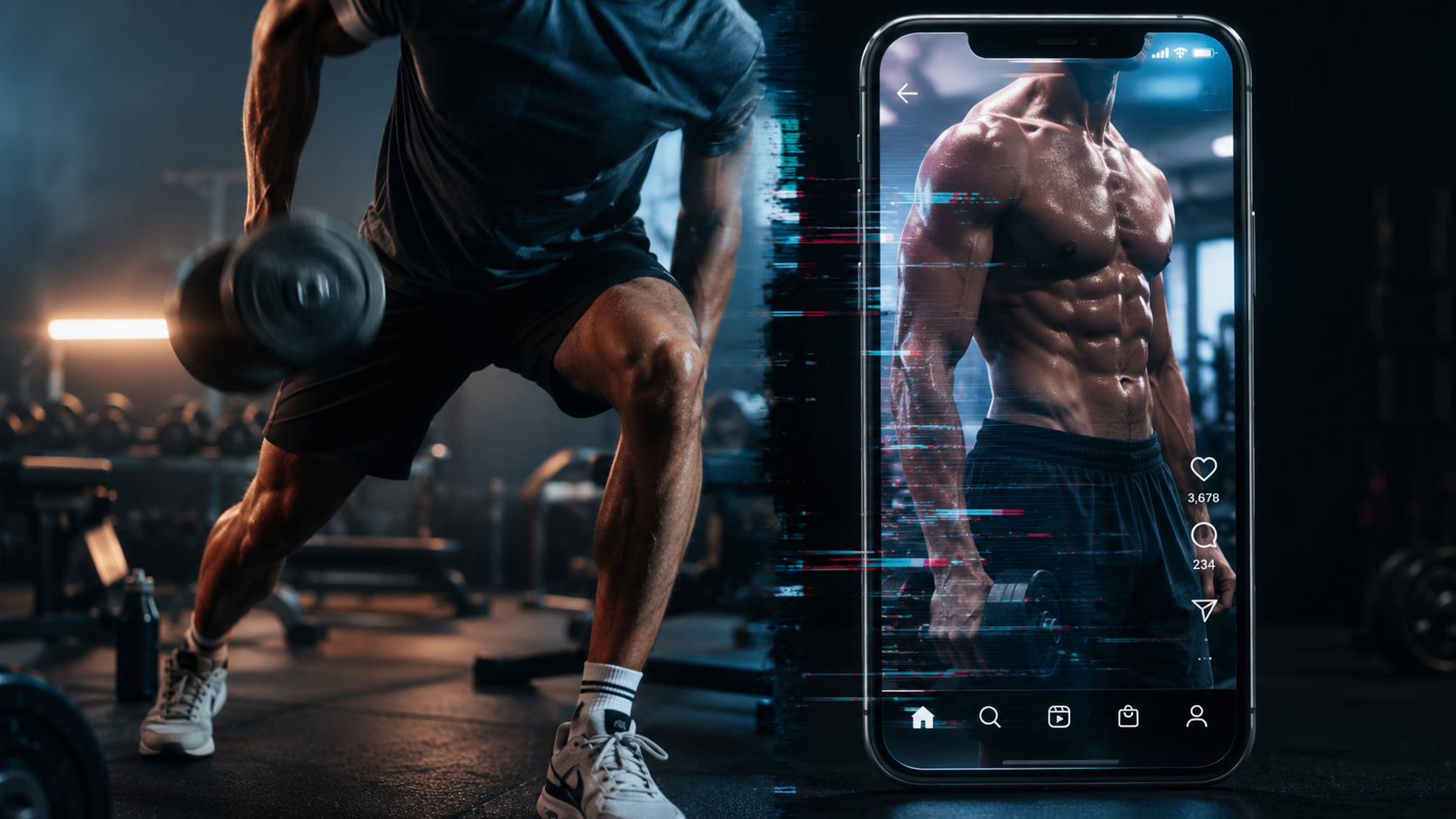
Every time you open Instagram or TikTok, you’re handed a carefully curated window into someone else’s life — perfect lighting, perfect angles, perfect timing.
And without realizing it, you start measuring your own body, your own workouts, and your own progress against that highlight reel.
This is comparison culture in fitness, and it’s become one of the biggest hidden threats to people’s motivation, mental health, and long-term consistency in the gym.
What starts as inspiration can quietly turn into self-doubt, frustration, and even body dysmorphia.
Table of contents
What Is Comparison Culture in Fitness?
Comparison culture refers to the constant, often unconscious habit of measuring your own fitness journey against images and videos of other people online — usually influencers, athletes, or peers who appear to be progressing faster, training harder, or simply looking “better.”
It’s fueled by an endless stream of:
- Workout routines and transformation photos
- Diet plans and “what I eat in a day” content
- Fitness influencers and gym motivation videos
- Weight-loss stories and muscle-building tips
At first, this content can genuinely motivate people to move more and eat better.
But over time, inspiration tends to curdle into comparison — and that shift can do more damage to someone’s progress than any missed workout ever could.
Why Social Media Is Hurting Your Fitness Progress
1. You’re Comparing Your Reality to Someone Else’s Highlight Reel
Social media almost never shows the full picture.
People post their best angles, best lighting, and best days — not the bloating, the injuries, the bad workouts, or the months of slow, unglamorous consistency behind a transformation.
Many of the bodies shown online are also shaped by professional lighting, filters, temporary dehydration, strict short-term dieting, and heavy editing — and in some cases, performance-enhancing substances that are never disclosed.
When you compare your everyday, unfiltered reality to someone else’s single best moment, you’re comparing two things that were never meant to be compared.
2. Fitness Becomes About Vanity, Not Health
Instead of training for strength, energy, or long-term health, workouts can start to revolve around how they’ll look on camera.
This shift — sometimes described as chasing an aesthetic rather than a goal — pulls attention away from the things that actually build sustainable fitness: recovery, nutrition, mobility, and mental well-being.
3. Everyone’s Body Responds Differently
Fitness progress depends on far more than effort.
Genetics, hormones, age, sleep quality, stress levels, training history, and even medical conditions all influence how fast (or slow) a body changes.
Two people doing the exact same program can get completely different results — which is exactly why comparing timelines is misleading from the start.
4. Constant Exposure Can Distort Body Image
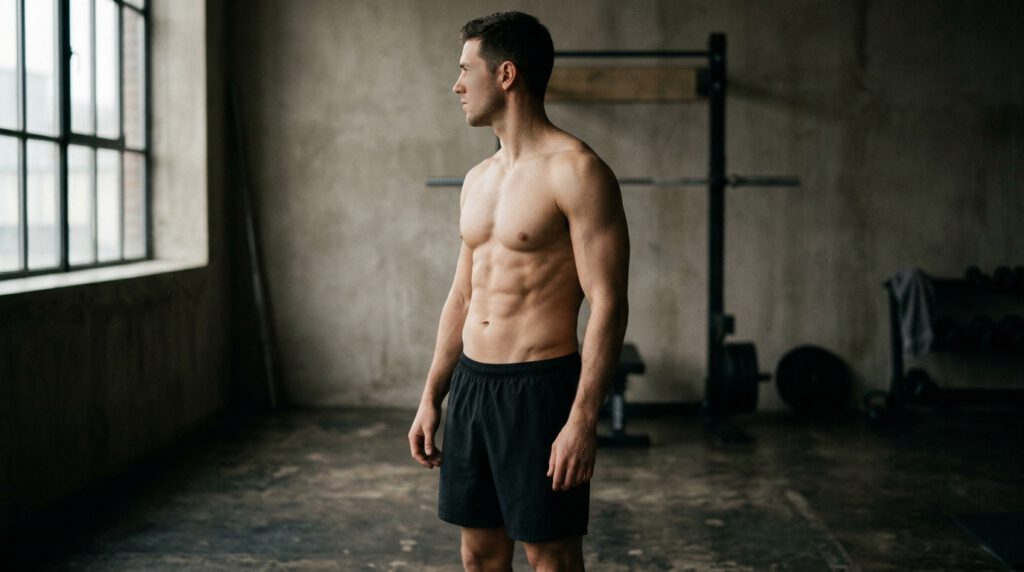
Repeated exposure to idealized, edited bodies gradually reshapes how people see themselves — even when they’re already healthy.
Over time, this can lead to obsessive mirror-checking, guilt over missed workouts, and a nagging feeling that progress is “never enough,” regardless of how far someone has actually come.
5. Comparison Can Kill Motivation Instead of Building It
It seems logical that seeing other people’s progress should be motivating — but research and real experience both suggest the opposite often happens.
Constantly feeling “behind” tends to produce frustration, self-criticism, and burnout rather than discipline.
Fitness starts to feel draining instead of empowering, which makes people far more likely to quit altogether.
Signs Comparison Culture Is Affecting You
You might be caught in this cycle if you notice yourself:
- Feeling discouraged after scrolling through fitness content
- Obsessing over specific body “flaws”
- Constantly checking mirrors or progress photos
- Feeling guilty after missing a single workout
- Believing your progress is never good enough, no matter what
- Comparing your meals or physique to strangers online
None of these feelings mean something is wrong with you — they’re a predictable response to an environment engineered to show you the best 1% of everyone else’s effort.
How to Protect Your Mindset (and Your Gains)
Measure Progress Against Yourself, Not Strangers
The only fair comparison is between you today and you a month ago.
Track your own strength gains, endurance, energy levels, and consistency — not someone else’s highlight reel.
Curate Your Feed Intentionally
Unfollow accounts that consistently leave you feeling inadequate.
Seek out creators who focus on education, balance, and realistic, sustainable habits instead of extremes.
Train for How It Makes You Feel, Not How It Makes You Look
Shift the goal from “fixing” your appearance to building strength, mental clarity, and long-term health. Movement that’s rooted in enjoyment is far more sustainable than movement rooted in punishment.
Respect That Your Body Is Not a Copy-Paste Template
Your genetics, metabolism, and recovery speed are yours alone.
Trying to force your body to match someone else’s appearance usually creates stress without creating results.
Choose Consistency Over Perfection
Most people don’t quit fitness because they lack motivation — they quit because they’re chasing an unrealistic standard they were never going to sustain.
Small, repeatable habits beat dramatic, short-lived extremes almost every time.
The Bottom Line
Your fitness journey isn’t a competition, and it was never meant to look identical to anyone else’s. Real, lasting progress is often quiet — built through sleep, recovery, balanced eating, and consistent effort that rarely goes viral.
The moment you stop measuring yourself against curated strangers online is often the moment fitness starts feeling sustainable again.
FAQs
Why is comparing fitness journeys harmful?
Constant comparison can damage confidence, motivation, and body image, often leading to burnout or quitting altogether.
Do fitness transformations on social media show the full picture?
Rarely. Most posts highlight ideal moments — lighting, editing, timing, or temporary conditions — not the full, unfiltered process.
Why do people progress differently even on the same program?
Genetics, sleep, stress, hormones, and lifestyle all play a role in how quickly someone’s body changes.
Can social media really affect body image?
Yes. Repeated exposure to idealized, edited content has been linked to lower self-esteem and distorted self-perception, even in people who are already healthy.
What’s the healthiest way to approach fitness in the age of social media?
Focus on personal consistency, strength, and sustainable habits — and treat your own past self as the only real benchmark.
Related Posts


Stay Informed With the Latest & Most Important News
Previous Post
Next Post









Advertisement