






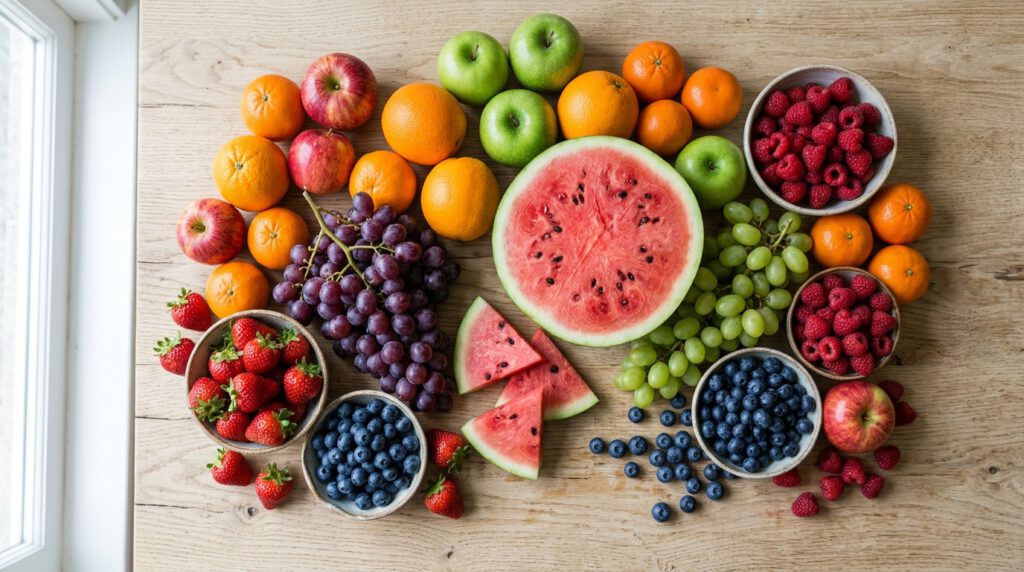


















Now Reading: Whey vs. Plant Protein: Which Is Better for Muscle Building? (2026 Guide)
-
01
Whey vs. Plant Protein: Which Is Better for Muscle Building? (2026 Guide)


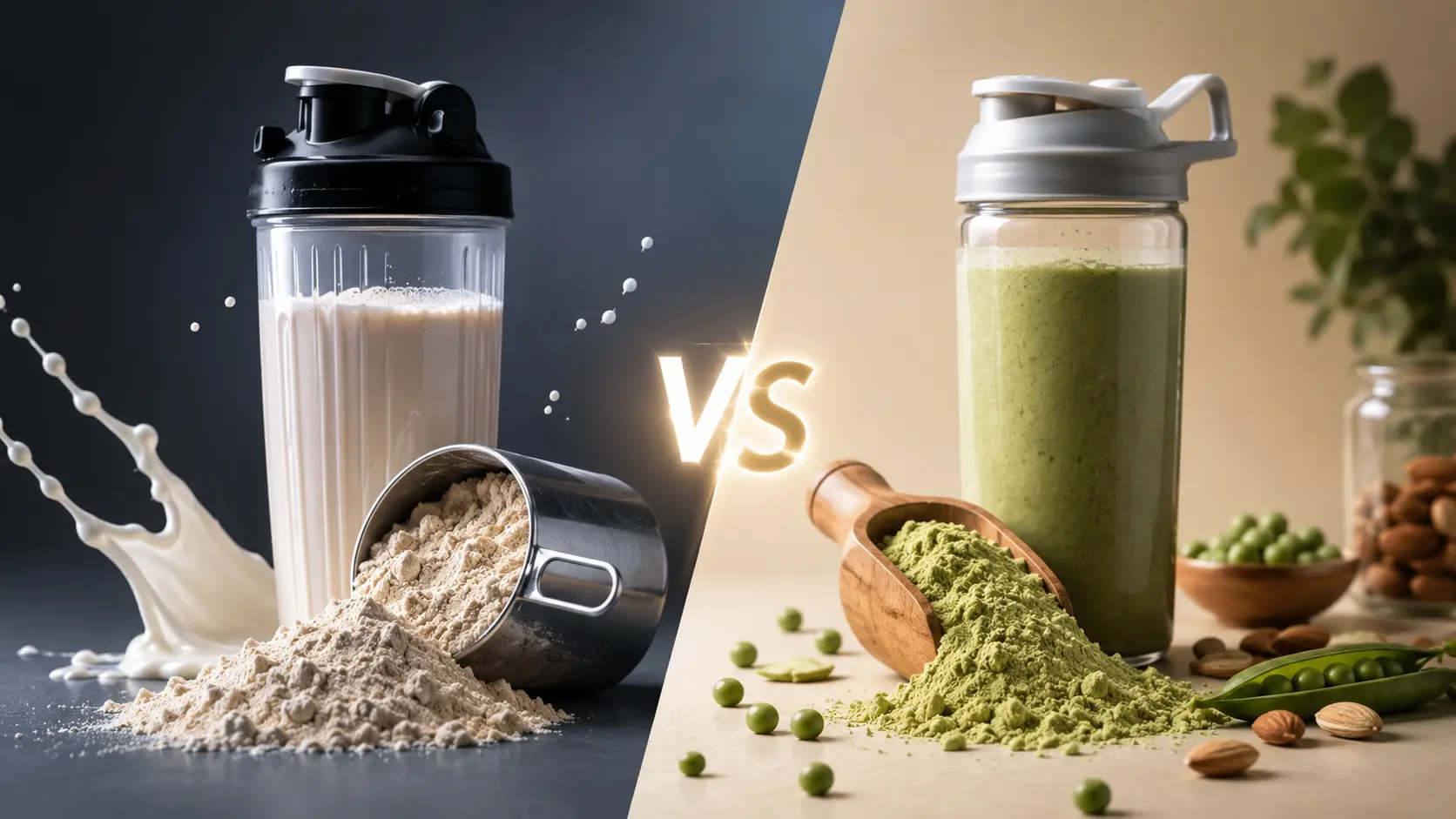
If you’ve stood in front of a supplement shelf wondering whether to grab the tub of whey or the plant-based blend next to it, you’re not alone.
Both can help you build muscle — but they don’t work in exactly the same way, and the “right” choice depends on your body, your diet, and your training goals.
Here’s the short version: whey protein has a slight edge for pure muscle-building efficiency, thanks to faster digestion and a higher concentration of the amino acid leucine.
Plant protein closes most of that gap if you eat a slightly larger serving, and it comes with real advantages in digestion, sustainability, and fullness.
Let’s break down exactly why.
Table of contents
Quick Comparison Table
| Category | Whey Protein | Plant Protein |
|---|---|---|
| Source | Milk (byproduct of cheese production) | Peas, rice, soy, hemp — often blended |
| Amino acid profile | Complete; all 9 essential amino acids | Often incomplete alone; blends can be complete |
| Leucine content | High (~10–12% of protein) | Lower (~6–8% of protein) |
| Digestion speed | Fast | Slower |
| Lactose | Yes, unless isolate/isolate-heavy | None |
| Best for | Fast post-workout recovery, lean bulking | Vegans, dairy-sensitive stomachs, satiety |
| Environmental footprint | Higher (dairy production) | Lower |
What Is Whey Protein?
Whey is the liquid left over when milk is turned into cheese, later filtered and dried into powder. It’s considered the gold standard of protein supplements for one main reason: it’s a complete protein, meaning it delivers all nine essential amino acids your body can’t make on its own, and it does so quickly.
Pros:
- Rapid absorption — ideal right after a workout
- High leucine content, which triggers muscle protein synthesis
- Wide variety of flavors and easy mixability
Cons:
- Contains lactose (concentrate more than isolate)
- Can cause bloating or discomfort for lactose-sensitive people
A classic, well-reviewed option here is Optimum Nutrition Gold Standard 100% Whey, which delivers 24g of protein and roughly 5.5g of naturally occurring BCAAs per scoop.
If lactose is a concern but you still want the speed of whey, a whey isolate like Dymatize ISO100 Hydrolyzed Whey Isolate has most of the lactose filtered out while keeping the fast-digesting profile.
What Is Plant Protein?
Plant protein powders are made from sources like peas, brown rice, soy, or hemp — often combined into blends to cover gaps in their amino acid profiles.
Pros:
- Dairy-free and suitable for vegans and vegetarians
- Gentler on sensitive stomachs
- Usually higher in fiber, which supports fullness and digestion
- Lower environmental footprint than dairy-based whey
Cons:
- Many single-source plant proteins are missing one or more essential amino acids (pea protein is low in methionine, hemp is low in lysine and leucine)
- Lower leucine density means you may need a bigger serving to hit the same muscle-building trigger
- Slower digestion, which is a downside right after training but a plus for satiety
A solid all-rounder is Orgain Organic Plant Based Protein Powder, which blends pea, brown rice, and chia to form a complete amino acid profile with added fiber. If you want extra micronutrients alongside your protein, Vega Protein and Greens mixes pea protein with real vegetable powders like kale and spinach.
The Science: Why Whey Has an Edge for Muscle Growth
Muscle growth depends on hitting a threshold of the amino acid leucine — generally 2.5 to 3 grams in one sitting — to switch on a signaling pathway called mTOR, which tells muscle cells to start building new protein.
- Whey typically contains 10–12% leucine, so a single 25g scoop is often enough to hit that threshold.
- Most plant proteins sit closer to 6–8% leucine, meaning you may need a larger serving (and more total calories) to reach the same trigger point.
Research reviews comparing whey to soy protein have generally found whey more effective for muscle protein synthesis after resistance training, largely because of its faster digestion and higher leucine density. That said, studies also show that adjusting your plant protein serving size to match the leucine content of whey can produce very similar results for muscle recovery after intense training.
In practice: plant protein can absolutely build muscle — you just may need a bit more of it per serving.
Digestion and Gut Comfort
This is where plant protein often wins. About 65% of adults don’t digest lactose well after childhood, and whey (especially concentrate) contains lactose that can cause bloating, gas, or cramping in sensitive individuals. Whey isolate removes most of this, but plant protein is naturally lactose-free and typically gentler on the gut — though some fiber-rich plant blends can cause gas of their own if your body isn’t used to a high-fiber diet.
Which Is Better for Weight Loss and Satiety?
Neither protein powder is a magic weight-loss tool — that still comes down to a calorie deficit. But they behave differently in a diet:
- Whey is lower in calories per serving and digests quickly, which is efficient but may leave you hungry sooner.
- Plant protein tends to have more fiber and digests more slowly, which can help keep you fuller for longer — useful if hunger is your biggest diet challenge.
Which Is Better for Endurance Athletes?
Cyclists, runners, and other endurance athletes deal with a different kind of stress: oxidative load and gut sensitivity during long training blocks. Plant proteins are naturally rich in antioxidants and phytonutrients, and their slower digestion can be gentler on a gut that’s already working overtime during high-mileage weeks. Many endurance athletes use whey right after hard sessions for fast recovery, and plant protein as a snack or meal replacement the rest of the time.
How to Choose: A Simple Decision Guide
Choose whey if you want:
- The fastest possible post-workout recovery
- Maximum protein per calorie (useful when cutting)
- A classic, milkshake-like texture
Choose a plant blend if you want:
- A dairy-free, vegan-friendly option
- Better digestive comfort
- Extra fiber and micronutrients
- A lower environmental footprint
Or do both. Many lifters and athletes use whey immediately after training for the fast anabolic spike, then use a plant-based blend as a snack or meal replacement later in the day for fiber and fullness.
FAQ
Does plant protein build muscle as well as whey?
Yes — plant protein can build muscle just as effectively as whey, but you’ll likely need a blend of plant sources (like pea + rice) and a slightly larger serving to match whey’s leucine content.
Is whey protein better right after a workout?
Generally yes. Its fast absorption delivers amino acids to muscle tissue quickly when your body needs them most for recovery.
Can plant protein be a complete protein?
Yes, when sources are combined (like pea and rice) or when using soy or quinoa, which are complete proteins on their own.
Which is better if I’m lactose intolerant?
Plant-based protein is the safer choice since it contains no lactose at all. Whey isolate is usually lower in lactose than whey concentrate and may also be tolerable.
Do I need protein powder to build muscle or lose weight?
No. Protein powder is a convenient supplement, not a requirement — whole foods like chicken, eggs, fish, tofu, and beans can meet your protein needs just as well.
The Bottom Line
Whey protein is the more efficient option per gram, largely thanks to its speed and leucine density.
Plant protein can deliver comparable muscle-building results with a slightly larger serving, while offering better digestion, more fiber, and a smaller environmental footprint.
The best protein for you is the one that fits your diet, your gut, and your training — and for many people, that means keeping both in the pantry.
Product links in this article are Amazon affiliate links — if you purchase through them, this site may earn a small commission at no extra cost to you.
Related Posts

Stay Informed With the Latest & Most Important News
Previous Post
Next Post










Advertisement