
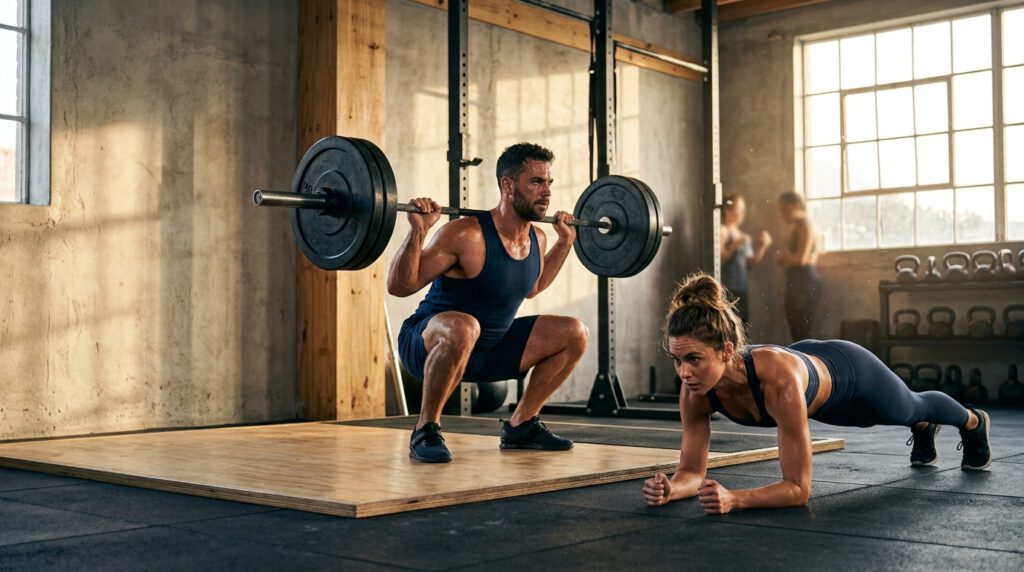











Now Reading: How Long Does It Take to See Results from Working Out?
-
01
How Long Does It Take to See Results from Working Out?


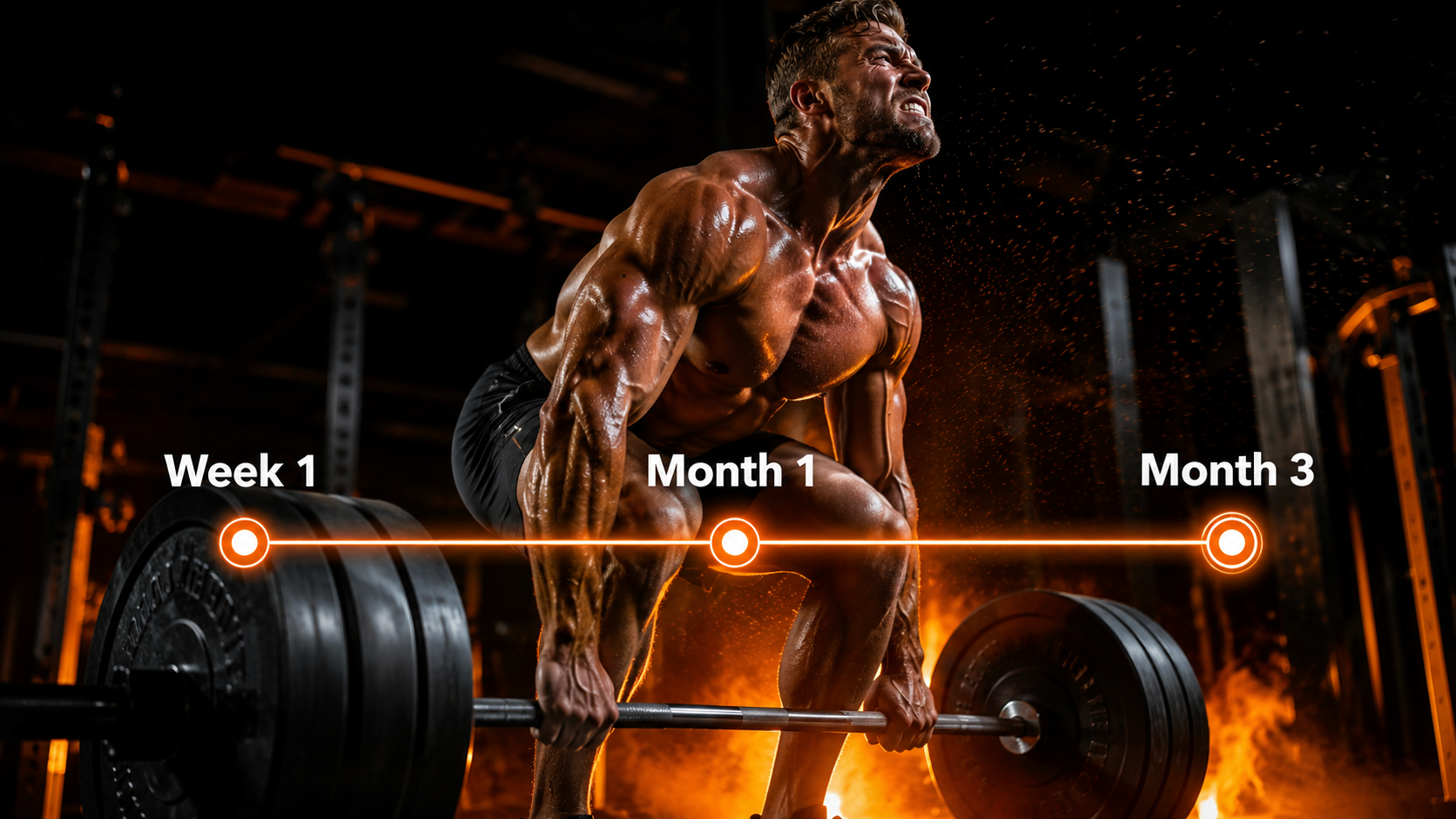
Starting a new workout routine is exciting — but it can quickly turn frustrating when you don’t see changes right away.
You’re putting in the effort, staying consistent, and yet the mirror seems to show nothing different. Sound familiar?
The truth is, your body starts changing from the very first workout — you just can’t always see it yet. Exercise works on multiple timelines: some benefits appear within hours, while others take weeks or months to become visible.
In this guide, we break down exactly how long it takes to see results from working out, depending on your specific fitness goal.
Table of contents
- What Happens in Your Body When You First Start Exercising?
- How Long Does It Take to See Results from Working Out? (Timeline by Goal)
- Signs Your Workout Is Working (Even If You Can’t See It Yet)
- How to Track Progress Effectively
- What to Do If Results Feel Slow
- The Role of Nutrition in Seeing Faster Results
- Quick Reference: Results Timeline Summary
- Final Thoughts
What Happens in Your Body When You First Start Exercising?
The moment you begin your first workout, your body kicks into action. Your heart rate rises, your blood vessels dilate, and more oxygen-rich blood rushes to your working muscles.
This is your body’s immediate adaptation to movement.
During those early sessions, your muscle fibers experience tiny microtears. This is completely normal — and actually a sign that your body is doing exactly what it should.
As your body repairs these fibers, it rebuilds them stronger and more resilient than before. This repair process is also what causes delayed onset muscle soreness (DOMS), that familiar soreness you feel 24–48 hours after a tough workout.
The good news? DOMS becomes less intense as your body adapts.
How Long Does It Take to See Results from Working Out? (Timeline by Goal)
1. Mental Health & Energy Boost — 1 to 2 Weeks
This is the quickest win you’ll get from exercise. Research shows that even a single cardio session can improve mood in people both with and without depression.
Within the first 1–2 weeks of consistent training, most people notice:
- More energy throughout the day
- Better quality sleep
- Reduced stress and anxiety
- An uplifted, more positive mood
These changes happen because exercise triggers the release of endorphins, dopamine, and serotonin, while also reducing cortisol (the stress hormone). These are real, measurable changes — even if you can’t see them in the mirror yet.
2. Strength Gains — 2 to 4 Weeks
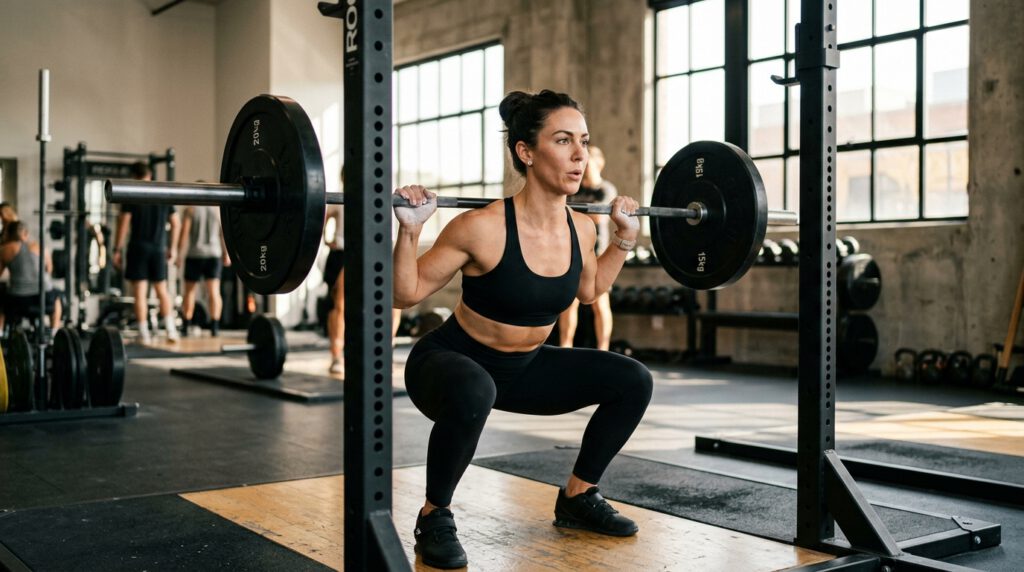
One of the most encouraging early milestones is feeling stronger. Within just 2–4 weeks of consistent strength training, most people notice they can lift heavier weights or perform more reps.
These early strength gains aren’t from bigger muscles — they come from neuromuscular adaptation. Your brain is literally learning to recruit your muscle fibers more efficiently. Your nervous system gets better at coordinating movement, firing muscles faster, and working smarter.
To keep building strength over time, you’ll need to apply the principle of progressive overload — gradually increasing the weight, reps, or intensity of your workouts.
3. Cardiovascular Endurance — 3 to 4 Weeks
If you’ve started running, cycling, swimming, or any other cardio activity, you’ll likely notice improvements in stamina within 3–4 weeks. Everyday tasks like climbing stairs or carrying groceries will start to feel less exhausting.
This happens because your cardiovascular system becomes more efficient at delivering oxygen to your muscles. One key measure of this — called VO₂ max (your body’s ability to use oxygen during exercise) — can improve by 8–12% in just the first three weeks of training.
4. Flexibility — 2 to 4 Weeks
Good news for yoga enthusiasts and stretchers: flexibility can show some of the fastest visible results. With regular practice, many people notice improved range of motion and better mobility within just a couple of weeks.
5. Visible Muscle Growth — 4 to 12 Weeks
This is the one most people are waiting for. Visible muscle growth takes longer than strength gains because it requires actual structural changes in your muscle tissue — not just nervous system adaptations.
Expect visible muscle definition to appear between 4 and 12 weeks, depending on:
- Your training history (beginners tend to see faster results, often called “newbie gains”)
- Your protein intake
- The consistency and intensity of your workouts
- Your age and genetics
To maximize muscle growth, focus on progressive overload, get adequate protein (0.7–1g per pound of body weight is a common recommendation), and prioritize recovery and sleep.
6. Weight Loss — 4 to 8 Weeks (and Beyond)
If fat loss is your goal, here’s what to expect:
Weeks 1–2: The scale may drop quickly, but this is mostly water weight, not fat. When you start exercising, your body burns through glycogen (stored carbohydrates), and with it, the water attached to those glycogen stores.
Weeks 4–8: Noticeable, sustainable fat loss begins — especially when paired with a moderate caloric deficit. A realistic and healthy rate of fat loss is 0.5 to 2 pounds per week.
Months 2–6: More pronounced results become visible. Research shows that the most consistent and measurable weight-loss results tend to appear after 6 to 12 months of sustained effort.
⚠️ Important: Exercise is crucial for overall health and for maintaining weight loss — but nutrition is the primary driver of fat loss. You can’t out-train a poor diet.
Signs Your Workout Is Working (Even If You Can’t See It Yet)
The mirror and the scale are not the only measures of progress. Here are signs that your body is adapting — even before visible changes appear:
- Climbing stairs feels easier
- You’re sleeping better
- Your mood has improved
- You can lift heavier or do more reps
- Workouts that used to feel exhausting now feel manageable
- Your clothes fit differently
- Your resting heart rate has decreased
- You recover faster between workouts
- You have better posture, balance, and coordination
Tracking these non-scale victories can be just as motivating — if not more so — than watching the numbers change.
How to Track Progress Effectively
Instead of relying solely on the scale, try these tracking methods:
- Weekly progress photos (same lighting, same pose)
- Body measurements (waist, hips, arms, thighs)
- Workout logs (weight lifted, reps, time, distance)
- Energy and mood journaling
- How your clothes fit
Day-to-day changes are often too subtle to notice. Comparing week 1 to week 6 will show you far more progress than you’d think.
What to Do If Results Feel Slow
If you’re not seeing the progress you expected, don’t panic — and don’t overhaul everything at once. Start by reassessing the fundamentals:
Check your consistency: Are you actually working out as often as you planned? Even a few skipped sessions per week adds up over a month.
Review your nutrition: Are you eating enough protein? Are you in a caloric deficit (for weight loss) or slight surplus (for muscle gain)? “Training is the stimulus, nutrition is the fuel.”
Prioritize sleep: Muscle repair and hormone regulation happen during sleep. Getting less than 7 hours per night can significantly slow your results.
Manage stress: High chronic stress elevates cortisol, which can impair both fat loss and muscle building.
Make small adjustments: Add one more workout per week, increase your protein slightly, or add 5 lbs to your lifts. Small, consistent changes lead to lasting results.
The Role of Nutrition in Seeing Faster Results
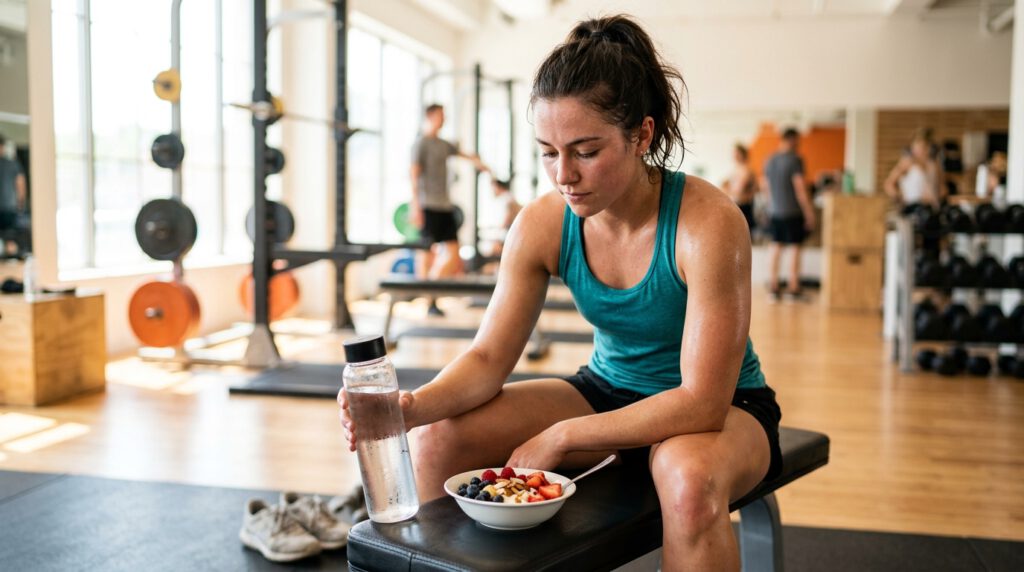
No workout plan is complete without a solid nutrition strategy. Here’s a simple framework:
| Macronutrient | Recommended % of Daily Calories | Role |
|---|---|---|
| Protein | 10–35% | Muscle repair and growth |
| Carbohydrates | 45–65% | Energy for workouts and brain |
| Healthy Fats | 20–35% | Nutrient absorption, hormones |
Also aim for 11.5 to 15.5 cups of fluids per day — including water, tea, coffee, and water-rich foods. Staying hydrated is essential for energy levels, performance, and recovery.
And don’t underestimate rest days. Take at least 1–2 days off per week. Rest is when your body actually repairs, grows, and gets stronger.
Quick Reference: Results Timeline Summary
| Goal | When You’ll Notice Results |
|---|---|
| Better mood & energy | 1–2 weeks |
| Improved strength | 2–4 weeks |
| Better cardiovascular endurance | 3–4 weeks |
| Improved flexibility | 2–4 weeks |
| Visible muscle definition | 4–12 weeks |
| Noticeable fat/weight loss | 4–8 weeks |
| Major body transformation | 3–6 months |
Final Thoughts
Seeing results from working out doesn’t happen overnight — but meaningful change is almost always happening sooner than it appears.
Your cardiovascular system, nervous system, and muscles begin adapting from day one. The visible changes just take a little longer to catch up.
The key is to stay consistent, fuel your body properly, prioritize sleep, and track progress in multiple ways. Instead of chasing fast results, build habits that last.
Remember: You’re not just changing your body — you’re changing behaviors and patterns that may have been in place for years. That takes time. Be patient. Be consistent. The results will come.
Sources: Expert insights from Micky Lal (Clinical Health Educator, MS in Kinesiology) and Dr. Rebecca Wadlinger (Primary Care Sports Medicine, Duke University School of Medicine).
Related Posts


Stay Informed With the Latest & Most Important News
Previous Post
Next Post






Advertisement