


















Now Reading: Meal Prep for Beginners: A 7-Day Plan You Can Actually Stick To
-
01
Meal Prep for Beginners: A 7-Day Plan You Can Actually Stick To


You know the feeling.
You walk in the door after a long day, your stomach is growling, and the fridge has… nothing.
So you order takeout again, tell yourself you’ll “start fresh” next week, and the cycle repeats.
If that sounds familiar, meal prep for beginners doesn’t have to mean spending your entire Sunday in the kitchen or committing to seven perfectly planned gourmet dinners.
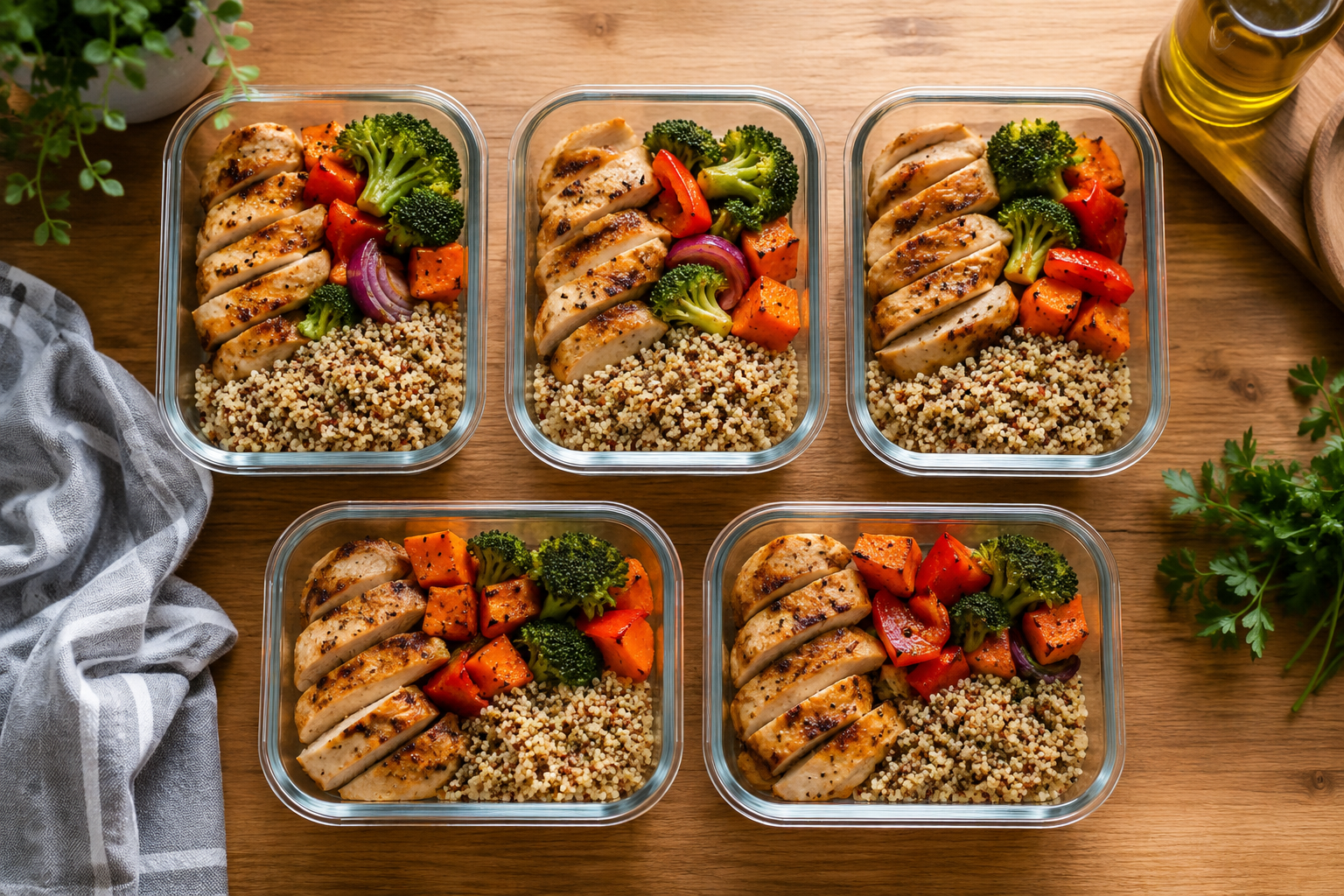
The beginner-friendly version is much simpler: cook a handful of versatile building blocks once, then mix and match them into meals all week long.
This guide walks you through exactly how to do that with a realistic 7-day plan you can actually stick to.
Table of contents
Why Meal Prep Is Worth the Effort
Meal prep simply means setting aside time to plan and cook some (or all) of your meals in advance. For beginners especially, the payoff shows up fast:
- It saves time. One or two cooking sessions replace scrambling to figure out dinner every night.
- It saves money. Batch cooking and skipping last-minute takeout adds up quickly over a month.
- It puts you back in control. When you cook your own food, you decide the ingredients and portions — which naturally supports better choices around sugar, salt, and fat.
- It lowers stress. Not having to decide “what’s for dinner” every single night is a genuine mental relief, especially on your busiest days.
The Beginner Strategy: Cook Once, Eat All Week

The mistake many first-timers make is trying to plan seven completely different dinners.
A much easier approach — and the one experienced meal preppers swear by — is to prep a small set of interchangeable components instead of full, finished meals.
Think of it as building a mix-and-match menu rather than a rigid one. Here’s the basic formula:
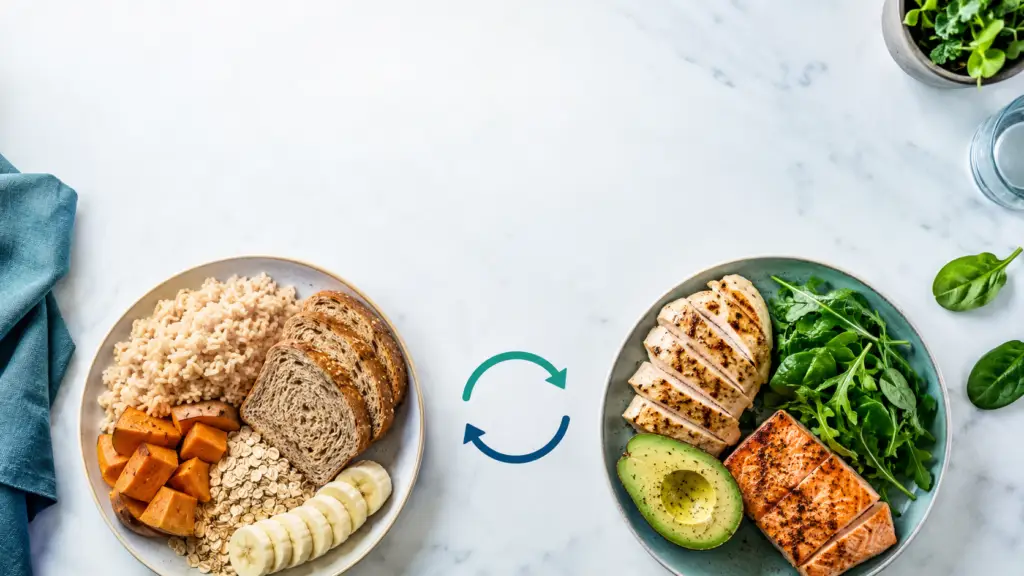
1. Batch a Protein
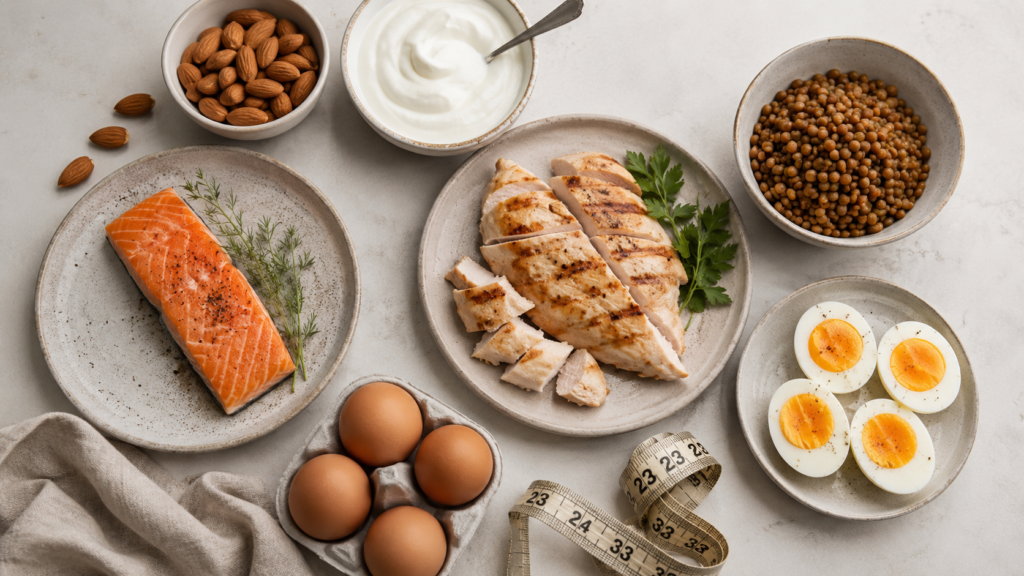
Roast a large tray of chicken breasts or thighs, bake a batch of turkey burgers, or hard-boil a dozen eggs. Cooked proteins generally hold up well in the fridge for several days and slot into wraps, salads, or bowls without extra effort.
2. Cook a Big Pot of Grains
Brown rice, quinoa, farro, or pasta all work. Cook a large batch once, and you’ve got a base for grain bowls, a side dish, or even a quick breakfast (warmed with milk and cinnamon, for example).
3. Roast a Tray of Vegetables
Toss chopped vegetables — broccoli, sweet potato, peppers, carrots, cauliflower, whatever’s in season — with oil, salt, and a spice you like, then roast at around 400°F until caramelized. Roasting concentrates flavor, so even simple veggies taste satisfying reheated later.
4. Make One Sauce or Dressing
A single flavorful dressing or sauce is what turns “plain grains and vegetables” into an actual meal you look forward to. Keep it simple — something like an olive oil vinaigrette with mustard, garlic, and a touch of honey works on almost everything.
5. Prep Raw Extras
Wash your salad greens, chop raw veggies for snacking, and store them ready to grab. You’re far more likely to reach for a vegetable if it’s already washed and cut.
With these five components ready in the fridge, dinner becomes assembly rather than cooking from scratch every night.
How to Plan Your Week (Before You Cook Anything)

A little planning up front makes the rest of the week run itself.
Before your prep session:
- Pick your focus. You don’t need to prep breakfast, lunch, and dinner for all seven days right away. Start with whichever meal causes you the most stress — often lunch or dinner on workdays.
- Check your calendar. Skip prepping for nights you already know you’ll be out or eating dinner elsewhere, so you don’t waste food.
- Start small. If this is your first time, prep for three or four days rather than a full week. It’s easier to gauge portions and timing without burning out.
- Make a grocery list. Check what you already have first, then shop for what’s missing. Buying only what the week’s recipes need helps you avoid waste and impulse purchases.
- Choose a prep day. Most beginners find a Sunday session (with maybe a smaller Wednesday top-up) works best, but any consistent slot in your week is fine.
- Build in flexibility. Plans change. Keep one “emergency” easy meal on hand — canned soup, eggs on toast — for the nights nothing goes as expected.
Your Sample 7-Day Meal Prep Plan for Beginners

Here’s how a realistic first week can look.
This isn’t a rigid recipe list — it’s a framework showing how far a single prep session stretches.
Sunday (Prep Day): Roast a tray of chicken thighs, cook a large pot of quinoa or rice, roast two trays of mixed vegetables, whisk together one dressing, and wash/chop salad greens and raw veggies for snacking.
Monday–Thursday: Build meals from your prepped components — a grain bowl with chicken, roasted veggies, and dressing for lunch; a salad topped with the same chicken for dinner; wraps using leftover grains and veggies. Keep dressing stored separately so nothing goes soggy.
Wednesday (Optional Mini Prep): If your fridge staples are running low, spend 20–30 minutes topping up — cook another batch of grains or roast a fresh tray of vegetables to carry you through the back half of the week.
Friday: This is your “pivot” day. Use up whatever’s left in the fridge — the last of the chicken, grains, or veggies — in a quick stir-fry or soup.
Weekend: Lean on simple, low-effort options: a canned bean soup, a frozen vegetable stir-fry, or a no-cook plate of cheese, nuts, and fruit. This is also a good time to freeze any extra portions you won’t get to before they spoil.
Storage and Food Safety Basics

Good containers and safe storage habits are what actually make meal prep work long-term:
- Use airtight containers — glass or heavy-duty plastic — to keep food fresh and prevent leaks.
- Label and date everything so you always know how long something has been in the fridge.
- Eat refrigerated cooked meats and grains within about 4–5 days. Quality and safety both decline after that window.
- Freeze what you won’t eat in time. If you’re prepping for a full week, refrigerate meals for the first four or five days and freeze the rest immediately, thawing them the night before you need them.
- Cool food before freezing it, but don’t leave it sitting out at room temperature too long first.
- Reheat thoroughly every time, especially proteins and grains.
Quick Tips to Make Meal Prep Actually Stick

- Multitask while you cook. While vegetables roast, chop the next batch or make your dressing — you’ll get everything done in far less time than cooking each item separately.
- Lean on shortcuts. Pre-washed greens, pre-cut vegetables, and canned beans are all legitimate time-savers, not cheating. Frozen produce is typically just as nutritious as fresh, since it’s frozen shortly after harvest.
- Prep components, not finished dishes, if you prefer fresh flavor. Chop and marinate ahead, then cook quickly each night.
- Make it enjoyable. Put on music or a podcast during your prep session — treating it as a small ritual rather than a chore makes you far more likely to keep doing it.
- Don’t forget breakfast and snacks. Overnight oats, hard-boiled eggs, or a simple seed mix for topping meals are easy additions once dinners feel manageable.
When You Just Need a Break
Even with a solid system, some weeks are too packed for any cooking at all — travel, deadlines, or just needing a breather. On those weeks, a prepared meal delivery service can fill the gap without derailing your progress. Using one isn’t a failure of meal prep; it’s simply another tool.
Many people combine both approaches, cooking part of the week themselves and ordering ready-made meals for the rest.
The Bottom Line
Meal prep for beginners isn’t about perfect planning or an all-day cooking marathon.
It’s about spending an hour or two creating a handful of flexible building blocks so that, on your busiest nights, dinner is already halfway done.
Start with just a few components, build the habit gradually, and you’ll find a rhythm that actually fits your life — not someone else’s Pinterest-perfect version of it.
Related Posts

Stay Informed With the Latest & Most Important News
Previous Post
Next Post







Advertisement