













Now Reading: Non-Scale Victories: How to Track Progress Without the Scale
-
01
Non-Scale Victories: How to Track Progress Without the Scale



If you’ve ever stepped on the scale after a great week of workouts only to see the same number — or a higher one — you know how quickly that can wreck your motivation.
It’s one of the most common reasons people quit a fitness routine, even when their body is quietly changing for the better underneath the surface.
That’s where non-scale victories (NSVs) come in.
They’re the wins your bathroom scale simply can’t measure, and learning to track them is one of the most reliable ways to stay consistent, motivated, and mentally healthy on any fitness or wellness journey.
Table of contents
What Are Non-Scale Victories?
Non-scale victories are measurable improvements in your health, fitness, and daily life that have nothing to do with the number on the scale.
They cover everything from how your clothes fit and how much weight you can lift, to how well you sleep, how your mood shifts, and how your everyday habits change.
Unlike body weight, which can swing several pounds in a single day, NSVs tend to reflect what’s actually happening inside your body: more muscle, better cardiovascular fitness, improved metabolic health, and stronger habits.
That makes them a far more honest snapshot of progress.
Why the Scale Doesn’t Tell the Whole Story
Body weight is one of the least stable numbers you can track day to day, and that’s by design — your body is constantly adjusting.
Water weight swings daily. Sodium intake, carbohydrate consumption, hormonal cycles, and even the weather can shift how much water your body holds onto, sometimes by several pounds in either direction. None of that reflects fat gained or lost; it’s simply fluid moving in and out of your tissues.
Muscle and fat don’t weigh the same by volume. If you’re strength training consistently, you may be building muscle while losing fat at the same time. Because muscle is denser than fat, your body composition can improve dramatically while the scale barely moves — or doesn’t move at all.
Timing skews the reading. What you ate, when you last used the bathroom, whether you exercised recently, and even the time of day can all shift a reading by a pound or two. A single weigh-in is a snapshot of a moment, not a trend.
Long-term trends matter more than daily numbers. Fat loss happens gradually, over weeks and months — not hours. Judging your progress by one data point, taken under constantly changing conditions, sets you up to misread your own results.
Why Obsessing Over the Number Can Backfire
Beyond being inaccurate, fixating on the scale can actively work against your goals.
Frequent, emotionally charged weigh-ins are linked to higher stress, anxiety, and a preoccupation with food and body image. For some people, this pattern can tip into disordered eating habits, where the number on the scale starts to dictate mood, self-worth, and eating behavior for the entire day.
Weight cycling — losing weight, regaining it, and losing it again — has also been associated with added strain on the body over time.
None of this means the scale is “bad” or that everyone needs to throw theirs away.
But if you notice that weighing yourself consistently triggers anxiety, guilt, or restrictive eating patterns, that’s worth taking seriously — ideally with support from a doctor, dietitian, or therapist who specializes in this area, rather than trying to push through it alone.
For most people, the healthier approach is simply to widen the lens: let the scale be one data point among many, not the only verdict on whether your effort “worked.”
Non-Scale Victories to Track (By Category)
Strength and Physical Performance
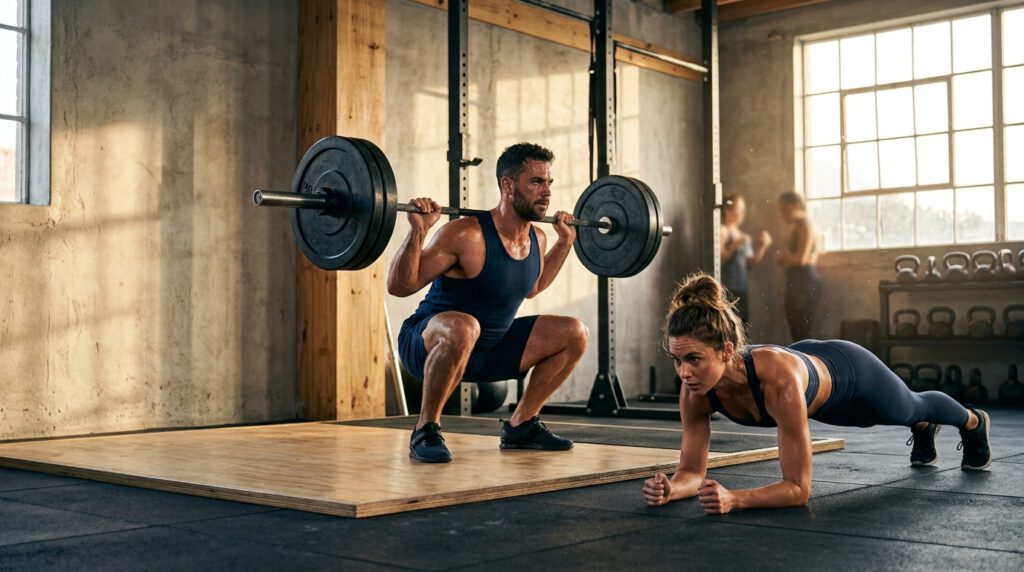
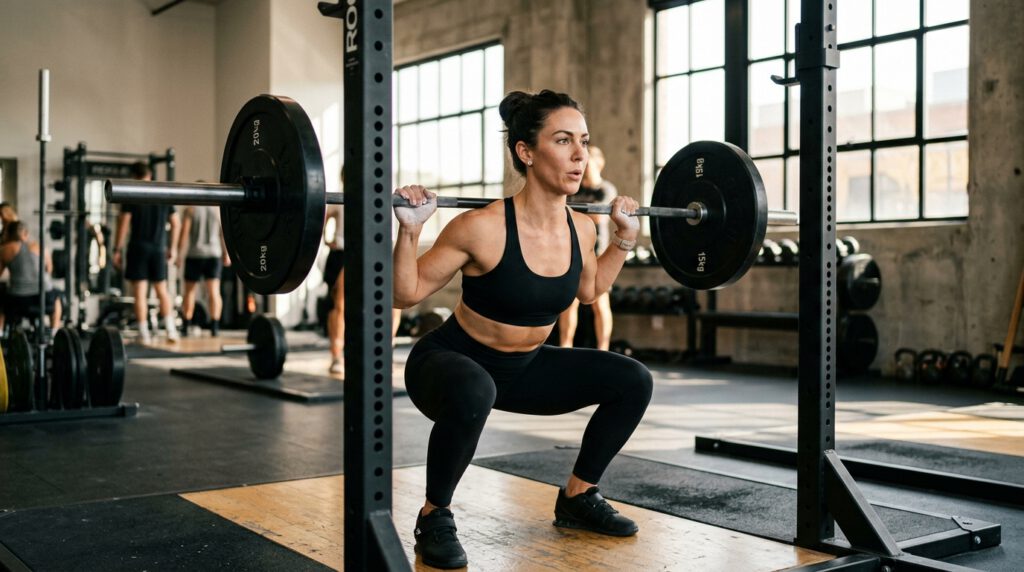
- Lifting heavier weights or adding more reps than before
- Completing a workout that used to feel impossible
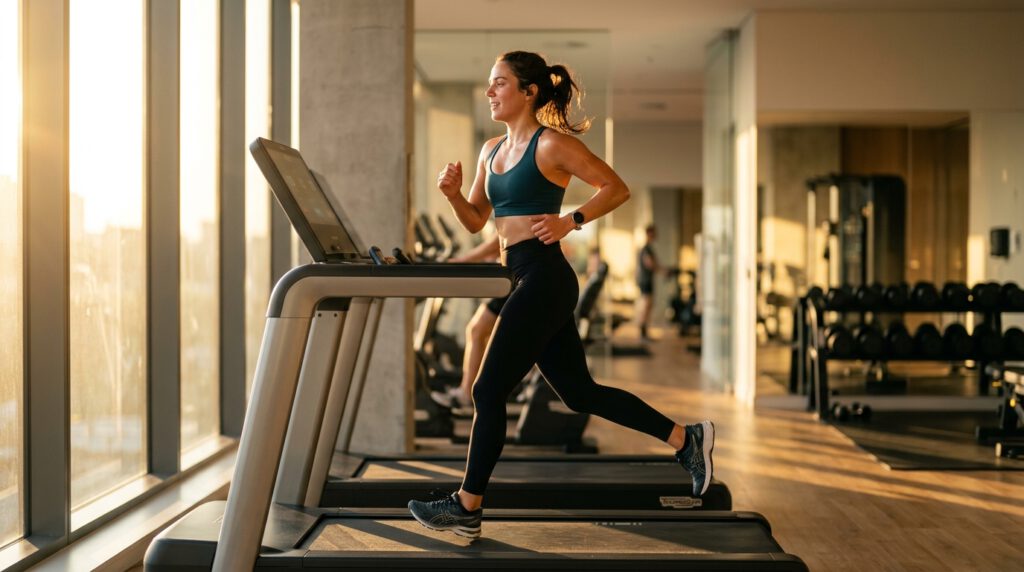
- Walking, jogging, or climbing stairs without getting winded
- Recovering faster between sets or between workouts
- Holding a plank, doing a pushup, or hitting a new personal best
Energy, Sleep, and Recovery
- Waking up feeling genuinely rested
- Falling asleep more easily and staying asleep longer
- Having steady energy through the afternoon instead of crashing
- Needing less caffeine to get through the day
Mood and Mental Well-Being
- Feeling calmer, more confident, or more positive overall
- Lower stress levels, even during busy weeks
- A better relationship with food — less guilt, more balance
- Increased motivation to show up for workouts
Body, Mobility, and Comfort
- Clothes fitting looser or buttoning more easily
- Reduced joint pain or stiffness
- Bending, reaching, or moving with more ease
- Better posture, especially during long desk hours
Habits and Behaviors
- Choosing a home-cooked meal over takeout, more often than not
- Sticking to a workout schedule without forcing it
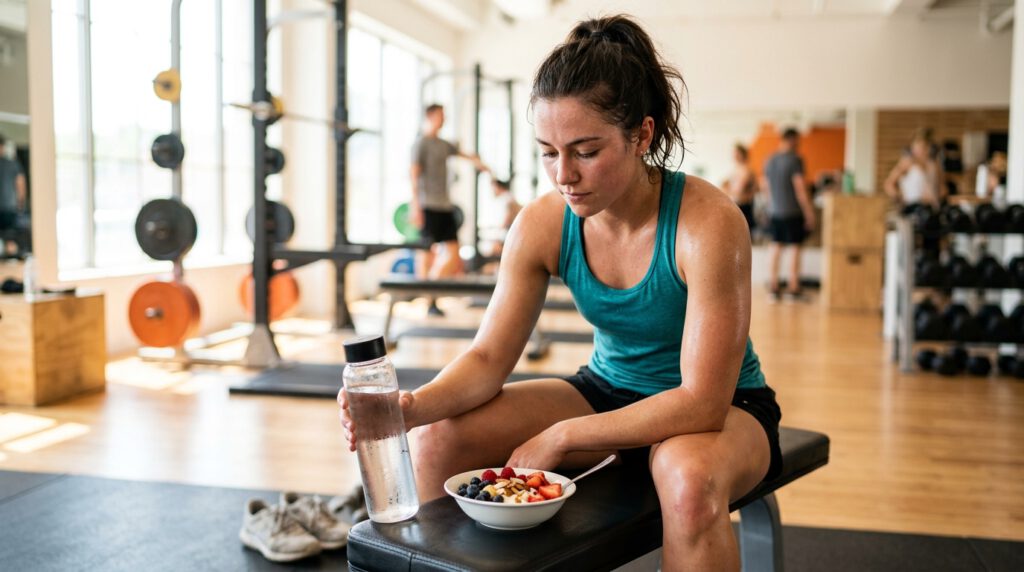
- Drinking more water throughout the day
- Naturally craving healthier foods instead of white-knuckling it
Everyday Life and Function
- Carrying groceries or kids up the stairs without getting out of breath
- Keeping up during a hike, a dance class, or a game with friends
- Bending down to tie your shoes without discomfort
- Feeling capable, not just “smaller”
How to Track Non-Scale Victories
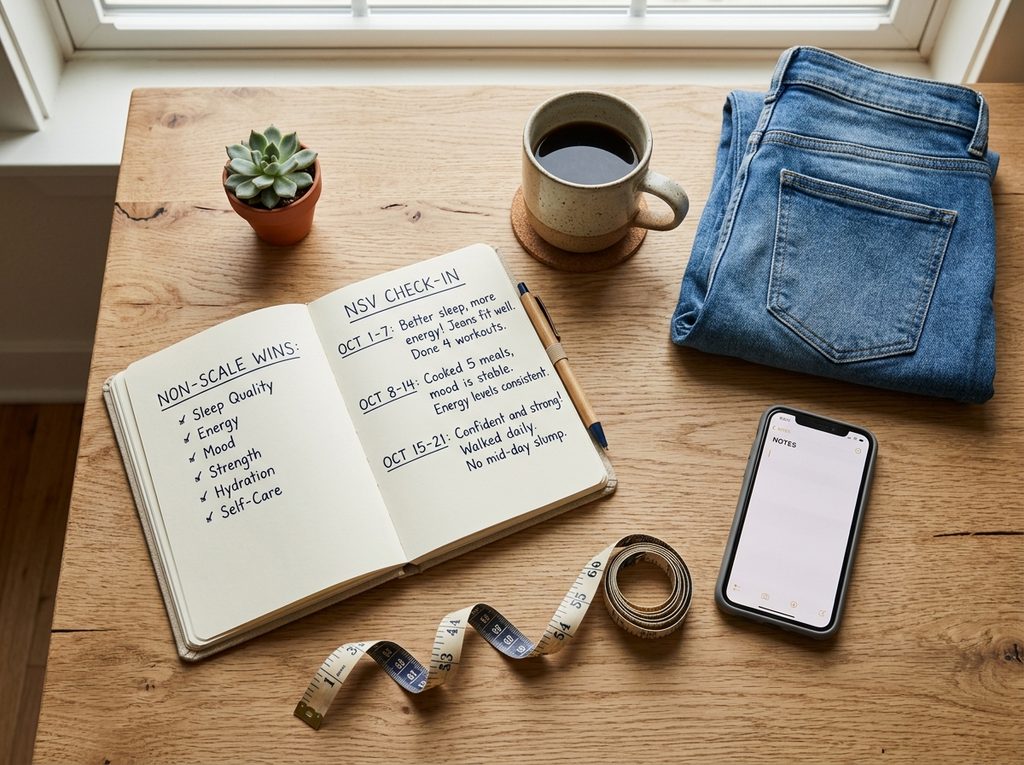
You don’t need a spreadsheet full of formulas to track NSVs — just a simple, consistent system.
Keep an NSV journal. A notebook or notes app works fine. A few times a week, jot down one thing that went well (“added two reps to my squat,” “walked the stairs without stopping”) and one thing that felt better (“less back pain,” “more energy after lunch”).
Take monthly progress photos. Use the same lighting, pose, and time of day, and compare them every four to six weeks. Visual changes often show up long before the scale reflects them.
Do the “clothes test.” Instead of a digital readout, notice how a specific pair of jeans or a fitted shirt feels on your body. This is one of the most reliable, low-effort NSV trackers there is.
Track measurements monthly, not daily. Waist, hips, and chest measurements can reveal changes in body composition that weight alone misses — but like photos, they should be taken occasionally, not obsessively.
Use a habit tracker. Log workouts completed, water intake, sleep hours, or stretching sessions. Consistency in behavior is often the strongest predictor of long-term results — more so than any single outcome metric.
Try a fitness app or wearable. Many apps let you log strength PRs, workout streaks, resting heart rate, and sleep quality alongside — or instead of — body weight.
Simple NSV Journal Prompts
- One thing I did well this week:
- One way my body felt better:
- Something that used to be hard that felt easier today:
- A habit I stuck with even when I didn’t feel like it:
Common Mistakes to Avoid
Checking too often. Daily photos, measurements, or “progress checks” can create the same obsessive pattern as daily weigh-ins. Monthly is plenty for most NSVs.
Only tracking what’s easy to measure. It’s tempting to focus purely on physical changes and skip mood, sleep, or energy — but those often shift first and matter just as much.
Treating NSVs as a consolation prize. NSVs aren’t a “backup” for when weight loss stalls — they’re valid markers of progress in their own right, whether or not the scale ever becomes your focus.
Ignoring normal fluctuation. A tougher week, a plateau, or a temporary dip in energy doesn’t erase the progress you’ve already made. Consistency over time is what counts.
Frequently Asked Questions
What are non-scale victories (NSVs)?
Non-scale victories are improvements in fitness, health, and daily life — like strength, energy, sleep, mood, and habits — that don’t show up as a number on a bathroom scale but still reflect real progress.
How often should I track non-scale victories?
A quick journal entry a few times a week works well for habits and how you feel day to day. Save photos and body measurements for once a month, so you’re not tempted to over-monitor.
Can non-scale victories replace the scale completely?
For many people, yes — especially if weighing in causes stress or anxiety. Others prefer to use the scale occasionally alongside NSVs. There’s no single right answer; the goal is whatever keeps you consistent and mentally healthy.
Do non-scale victories work for weight loss goals too?
Yes. NSVs are especially useful during plateaus, when the scale doesn’t move despite real effort. They help confirm that your body is changing — through muscle gain, fat loss, or improved fitness — even when the number stays flat.
The Bottom Line
Progress isn’t a single number you check every morning — it’s the sum of how you move, feel, sleep, and show up for yourself over time. Non-scale victories give you a fuller, more honest picture of that progress, and they tend to be far more motivating than a fluctuating digit on a scale.
Start small: pick two or three NSVs that matter most to you, check in on them weekly, and let the scale take a back seat. The wins that actually keep you going are usually the ones it can’t measure anyway.
Related Posts

Stay Informed With the Latest & Most Important News
Previous Post
Next Post










Advertisement