
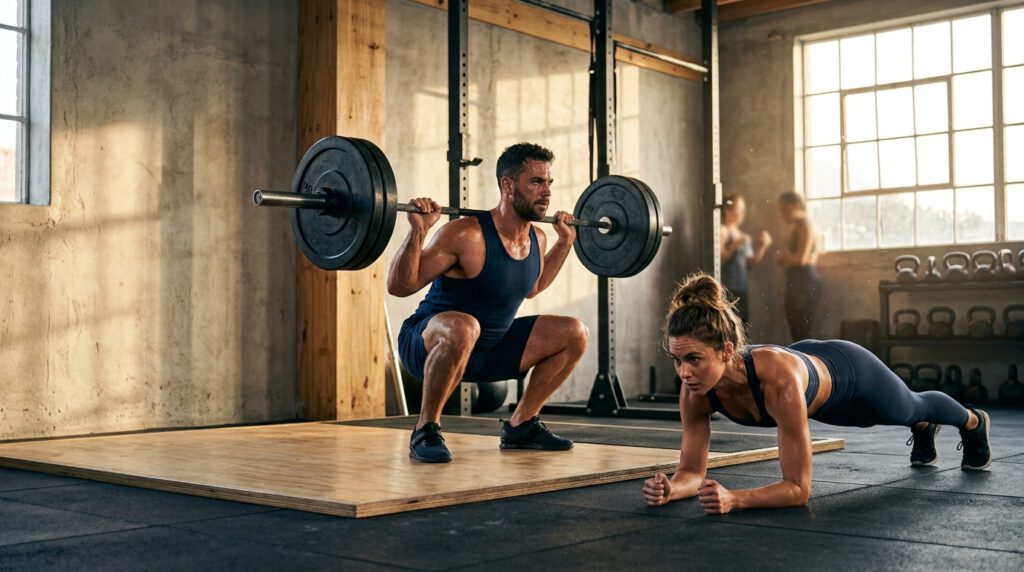










Now Reading: Protein Timing: Myth or Science? When Should You Actually Eat After a Workout?
-
01
Protein Timing: Myth or Science? When Should You Actually Eat After a Workout?


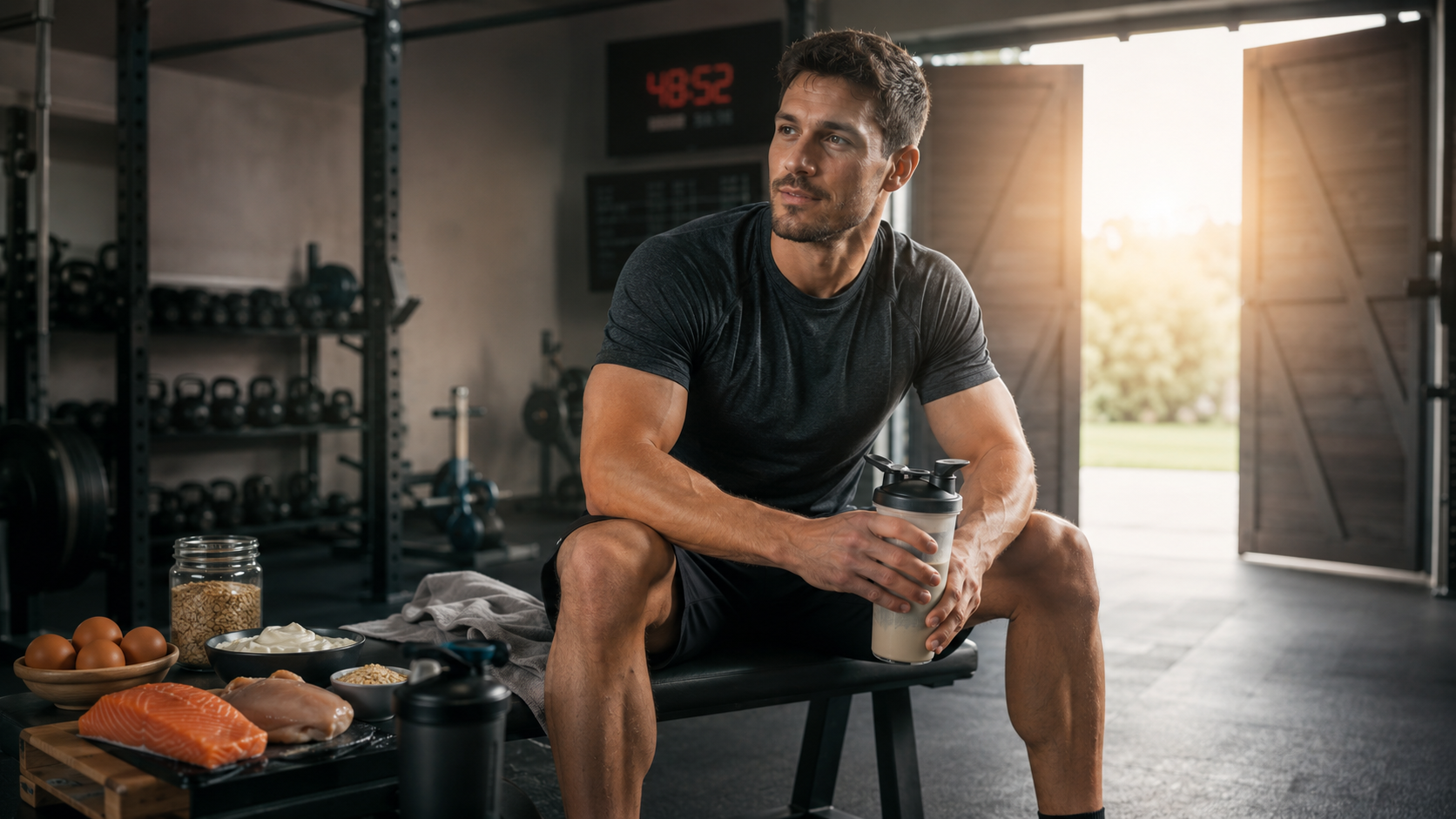
For years, gym culture pushed one rule harder than almost anything else:
“Drink your protein shake within 30 minutes after training or you’ll lose your gains.”
This idea created panic around the so-called “anabolic window” — a tiny post-workout period supposedly essential for muscle growth and recovery.
But modern research tells a very different story.
The truth is that protein timing matters far less than most people think. What actually drives muscle growth is your total daily protein intake, consistent eating habits, and overall training quality.
So is the anabolic window a myth, or real science? Let’s break it down.
Table of contents
- What Is the Anabolic Window?
- The Science: Is the Anabolic Window Real?
- Why Protein Matters for Muscle Growth
- What Actually Matters Most?
- Should You Eat Protein Before or After a Workout?
- The Exception: Fasted Training
- Does Protein Timing Affect Fat Loss?
- Best Protein Sources for Recovery
- So… When Should You Actually Eat After a Workout?
- Final Takeaway
- FAQ
What Is the Anabolic Window?
The anabolic window refers to the period after exercise when your body is believed to be especially receptive to nutrients — particularly protein and carbohydrates.
The traditional theory claimed you needed:
- 20–30g of protein
- Within 30–60 minutes after exercise
- To maximize muscle protein synthesis and recovery
Miss that window, and supposedly your workout was partially wasted.
Thankfully, newer evidence has challenged that idea.
The Science: Is the Anabolic Window Real?
The short answer: yes — but not in the extreme way fitness culture made it sound.
Research now shows the post-workout recovery window is much wider than previously believed. Instead of a tiny window, it behaves more like a large open door that stays active for several hours after training. Studies suggest skeletal muscle stays sensitive to protein intake for up to 24 hours post-exercise.
That means you do not need to sprint to the locker room for a protein shake the second your final set ends.
Why Protein Matters for Muscle Growth
Protein contains amino acids — the building blocks your body uses to:
- Repair muscle tissue
- Support recovery
- Build new muscle fibers
- Reduce muscle breakdown
Resistance training creates tiny tears in muscle tissue, and protein helps rebuild those fibers stronger during recovery. Without enough protein, muscle repair and growth become significantly harder.
What Actually Matters Most?
1. Total Daily Protein Intake
This is the biggest factor for muscle growth and recovery. Most evidence suggests active adults should consume approximately:
- 1.4–2.0g of protein per kilogram of body weight daily
- Some resistance-trained athletes may benefit from up to 2.3–3.1g/kg during intense training or calorie deficits
For example, a 75kg person may benefit from roughly 120–165g of protein daily.
If your total intake is too low, perfect timing won’t save your progress.
2. Protein Distribution Throughout the Day
Instead of obsessing over one shake after training, focus on spreading protein intake evenly across the day. A common evidence-based recommendation:
- Eat 20–40g of high-quality protein
- Every 3–4 hours
This helps maintain continuous muscle protein synthesis and supports better recovery.
Should You Eat Protein Before or After a Workout?
Protein Before Exercise
Eating protein before training can be very beneficial. If you eat a balanced, protein-containing meal a few hours before exercise, amino acids are already circulating in your bloodstream during and after your workout. That means:
- Your muscles already have access to nutrients
- Immediate post-workout feeding becomes less urgent
- Recovery is still supported effectively
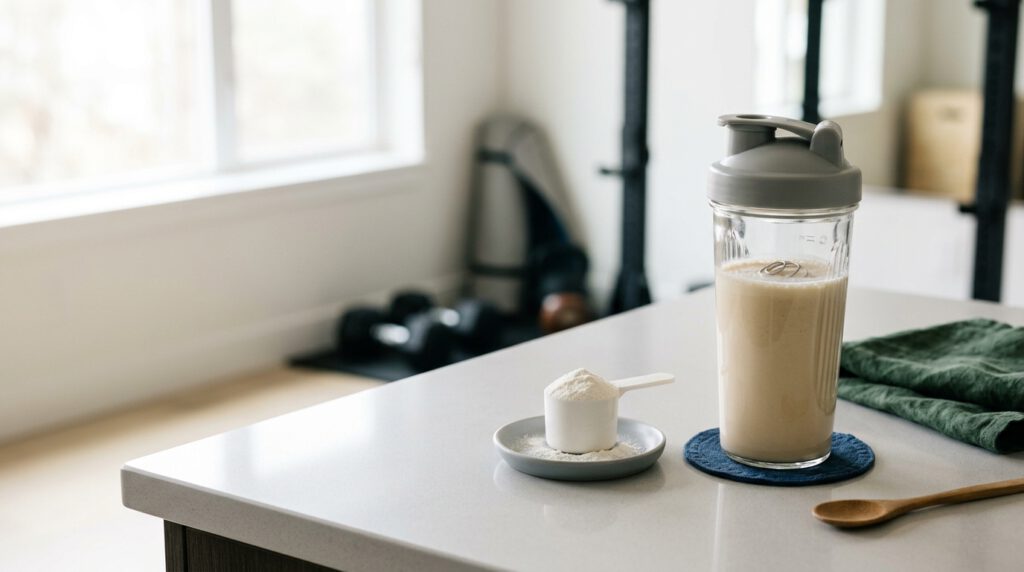
Good pre-workout protein options include Greek yogurt, eggs, chicken and rice, cottage cheese, protein oatmeal, or a whey protein shake.
Protein After Exercise
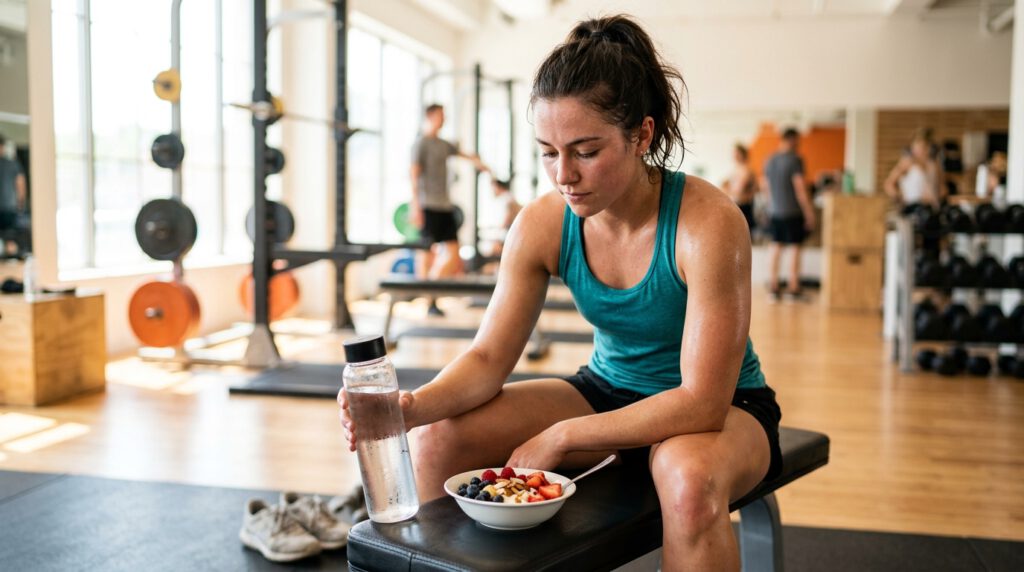
Post-workout protein still provides real benefits, including supporting muscle protein synthesis, reducing muscle breakdown, enhancing recovery, helping reduce soreness, and preparing your muscles for the next session.
However, timing is flexible for most people — you generally have several hours to eat after training without losing results.
The Exception: Fasted Training
Timing becomes more important if you:
- Train early in the morning
- Exercise on an empty stomach
- Haven’t eaten protein for many hours beforehand
In this case, consuming protein and carbohydrates within 1–2 hours after exercise is a smart move for recovery and muscle repair.
Does Protein Timing Affect Fat Loss?
Indirectly, yes. Protein helps increase fullness, reduce hunger, preserve lean muscle during weight loss, and support recovery while dieting.
But again, total intake matters more than exact timing. Even if fat loss is your goal, you don’t need to panic about drinking a shake the moment you finish training.
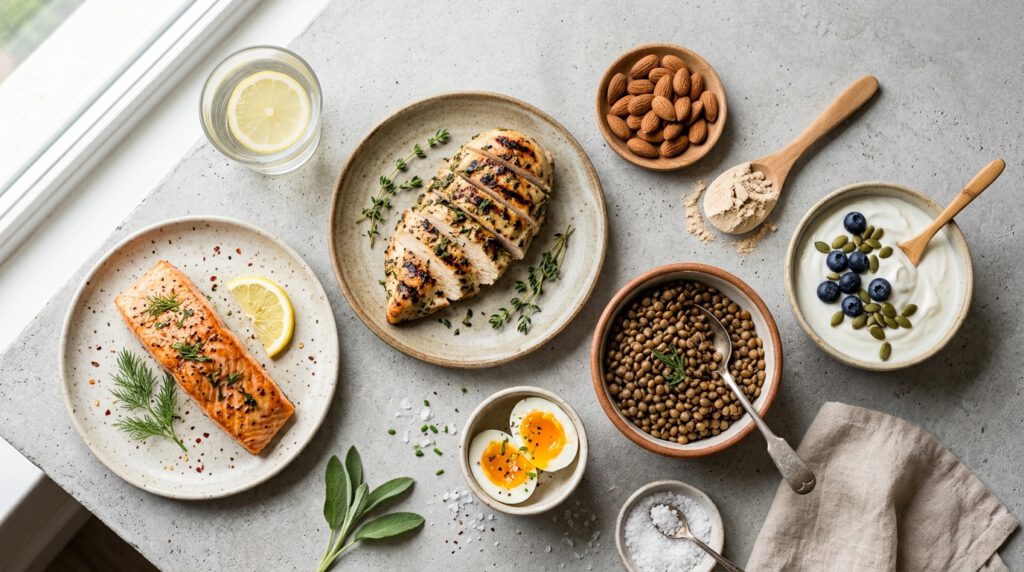
Best Protein Sources for Recovery
Animal-based: eggs, chicken breast, lean beef, fish, Greek yogurt, cottage cheese, whey protein.
Plant-based: tofu, tempeh, edamame, lentils, beans, soy milk, pea protein.
A combination of whole foods and supplements usually works best.
So… When Should You Actually Eat After a Workout?
Here’s the practical answer:
- If you ate before training: you can comfortably eat within the next few hours after exercise.
- If you trained fasted: try to eat within 1–2 hours post-workout.
- For everyone else: focus on hitting your daily protein target, spreading intake throughout the day, eating consistently, and training effectively — that matters far more than a stopwatch.
Final Takeaway
The anabolic window isn’t completely fake, but it has been massively exaggerated. You do not need to rush for a protein shake the second your workout ends.
Modern research shows the recovery window is much longer than 30 minutes, total daily protein intake matters most, consistency beats perfect timing, and balanced nutrition supports better long-term progress.
So instead of stressing about exact timing, focus on building sustainable habits that fit your lifestyle. Your muscles care more about what you do every day than what you do in one specific half-hour.
FAQ
How much protein should I eat after a workout?
Most people benefit from around 20–40g of high-quality protein after exercise.
Is a protein shake necessary after training?
No. Whole food protein sources work just as well — shakes are mainly a matter of convenience.
Can I build muscle without eating immediately after a workout?
Yes. As long as your total daily protein intake is sufficient, muscle growth can still occur effectively.
What happens if I skip post-workout protein?
Missing one post-workout meal won’t ruin your progress, especially if you ate protein earlier in the day.
Is whey protein better than whole foods?
Whey digests quickly and is convenient, but whole foods provide additional nutrients and greater satiety.
Related Posts

Stay Informed With the Latest & Most Important News
Previous Post
Next Post




Advertisement