














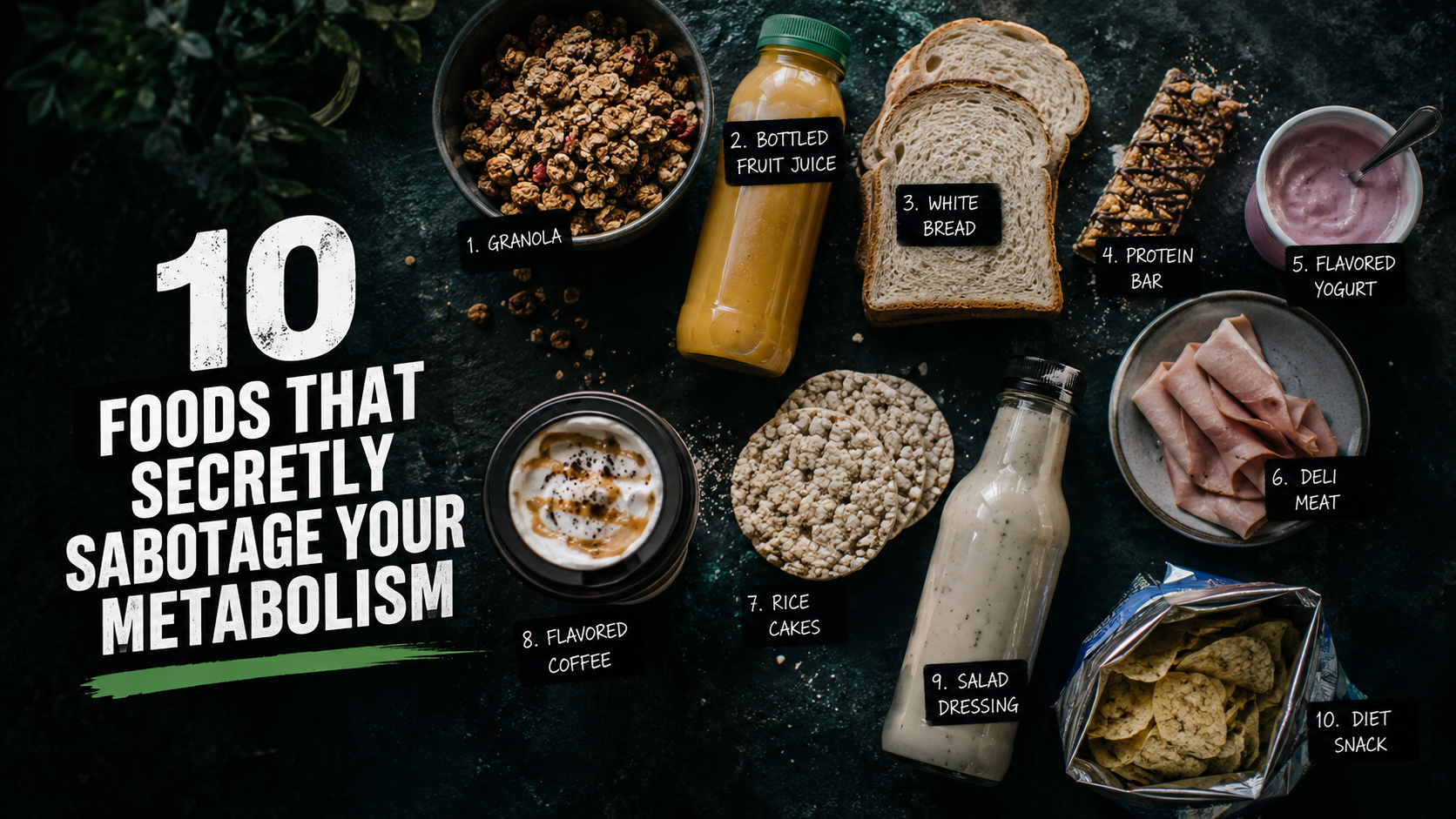
You’re eating “healthy,” staying active, and still struggling to lose weight or maintain energy. Sound familiar? The problem might not be your effort — it could be hiding in your
You’re eating “healthy,” staying active, and still struggling to lose weight or maintain energy. Sound familiar? The problem might not be your effort — it could be hiding in your
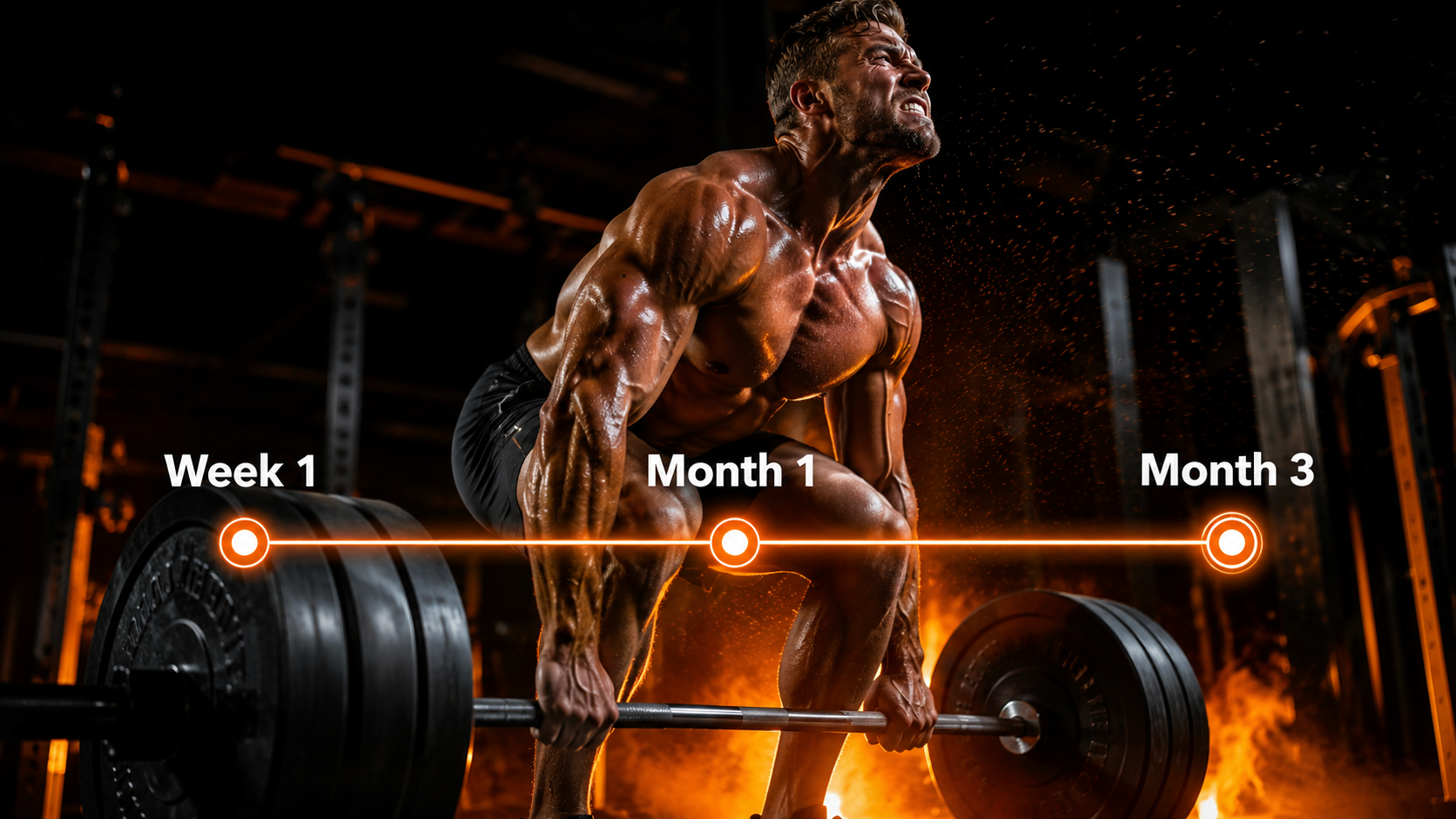
Starting a new workout routine is exciting — but it can quickly turn frustrating when you don’t see changes right away. You’re putting in the effort, staying consistent, and yet
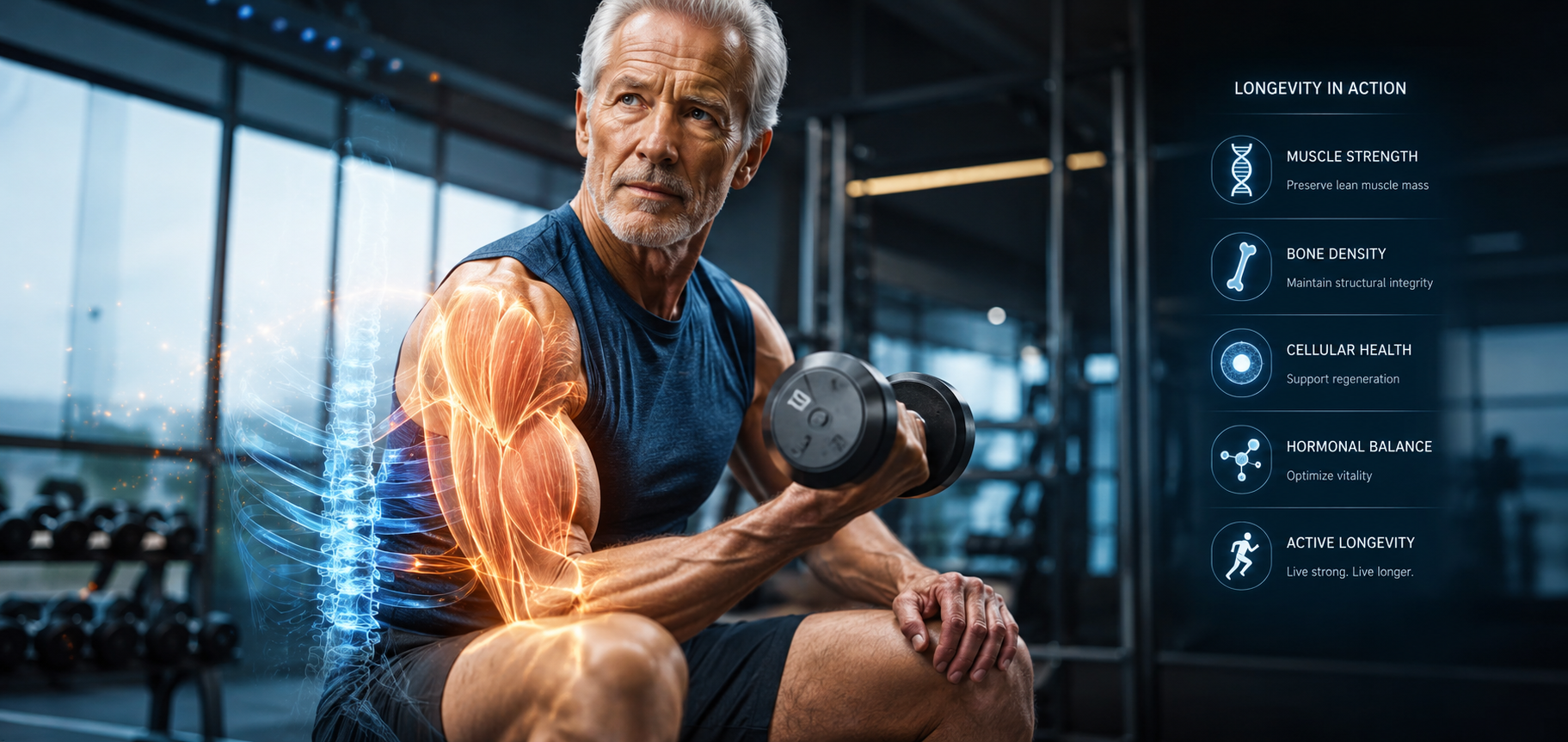
Aging is often associated with weaker muscles, slower metabolism, reduced mobility, and a gradual loss of independence. But modern research shows that many aspects of biological aging aren’t fixed. One
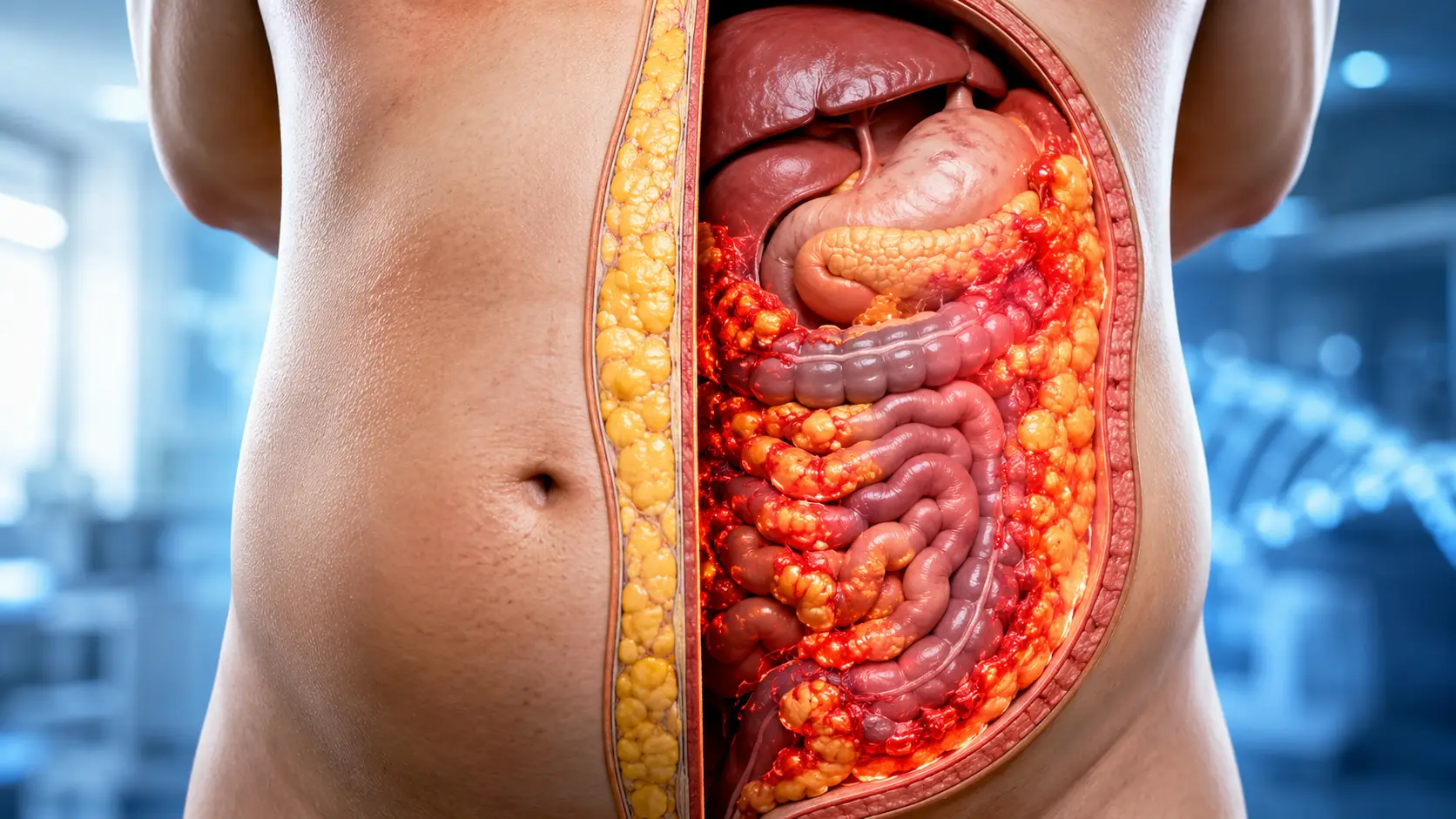
When most people think about body fat, they imagine the soft layer they can pinch around their waist, thighs, or arms. But not all fat is created equal. In fact,
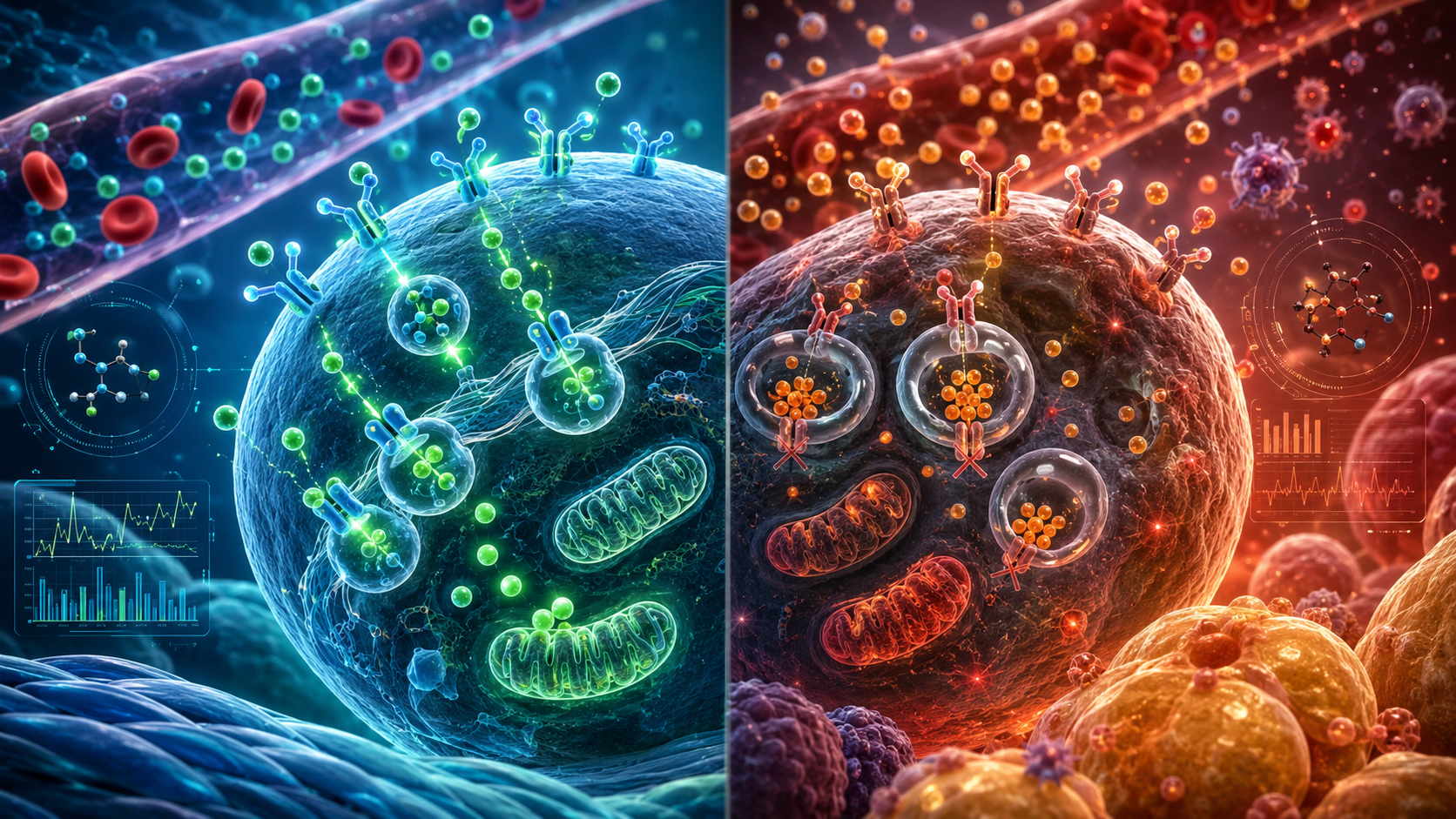
Why can some people eat carbohydrates without energy crashes while others feel tired, hungry, and foggy after meals? The answer often comes down to insulin sensitivity versus insulin resistance —
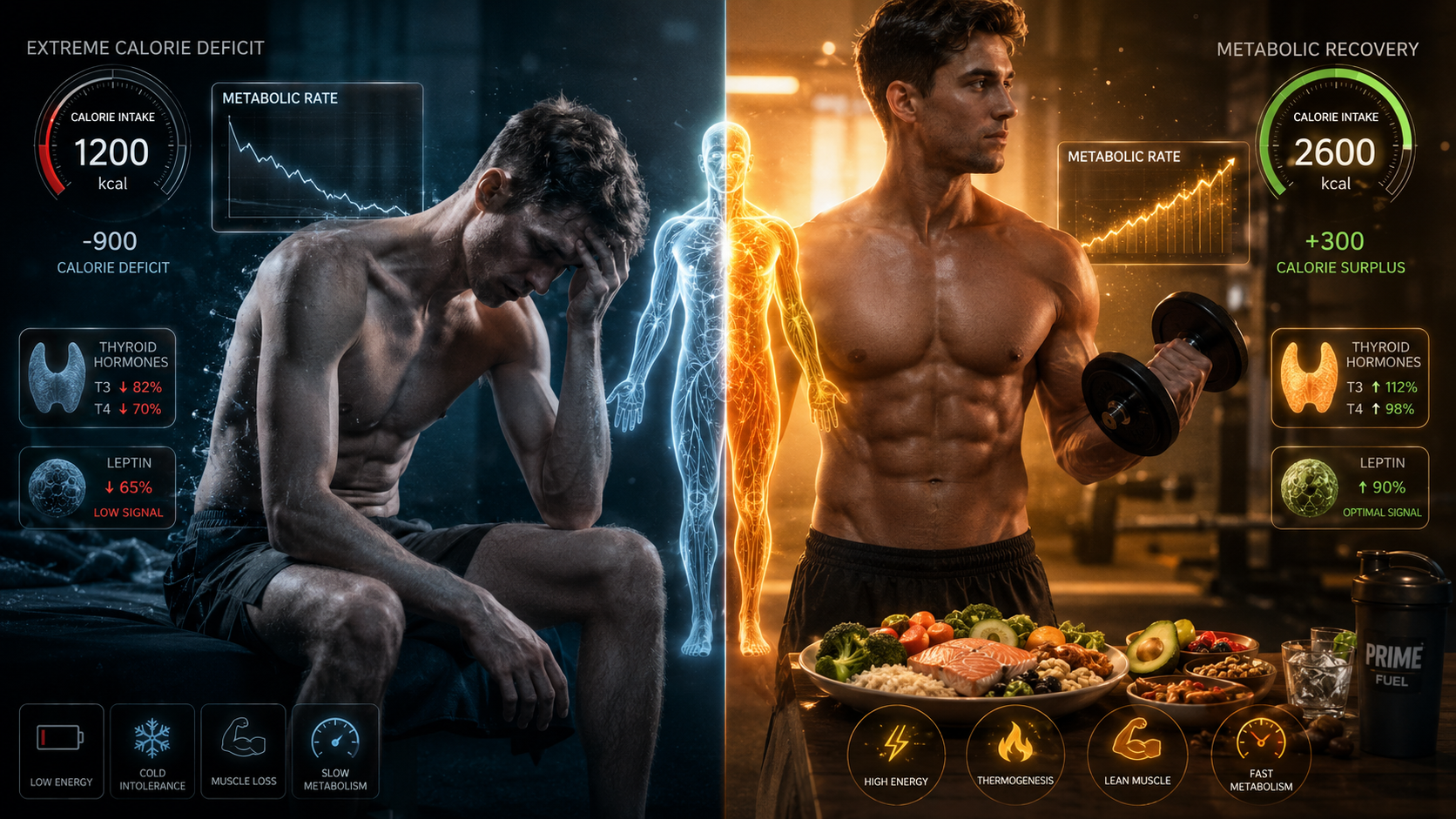
You cut calories, stay disciplined, train hard, and the scale finally starts moving. Then suddenly, progress slows down — or stops completely. Despite eating less and exercising more, fat loss
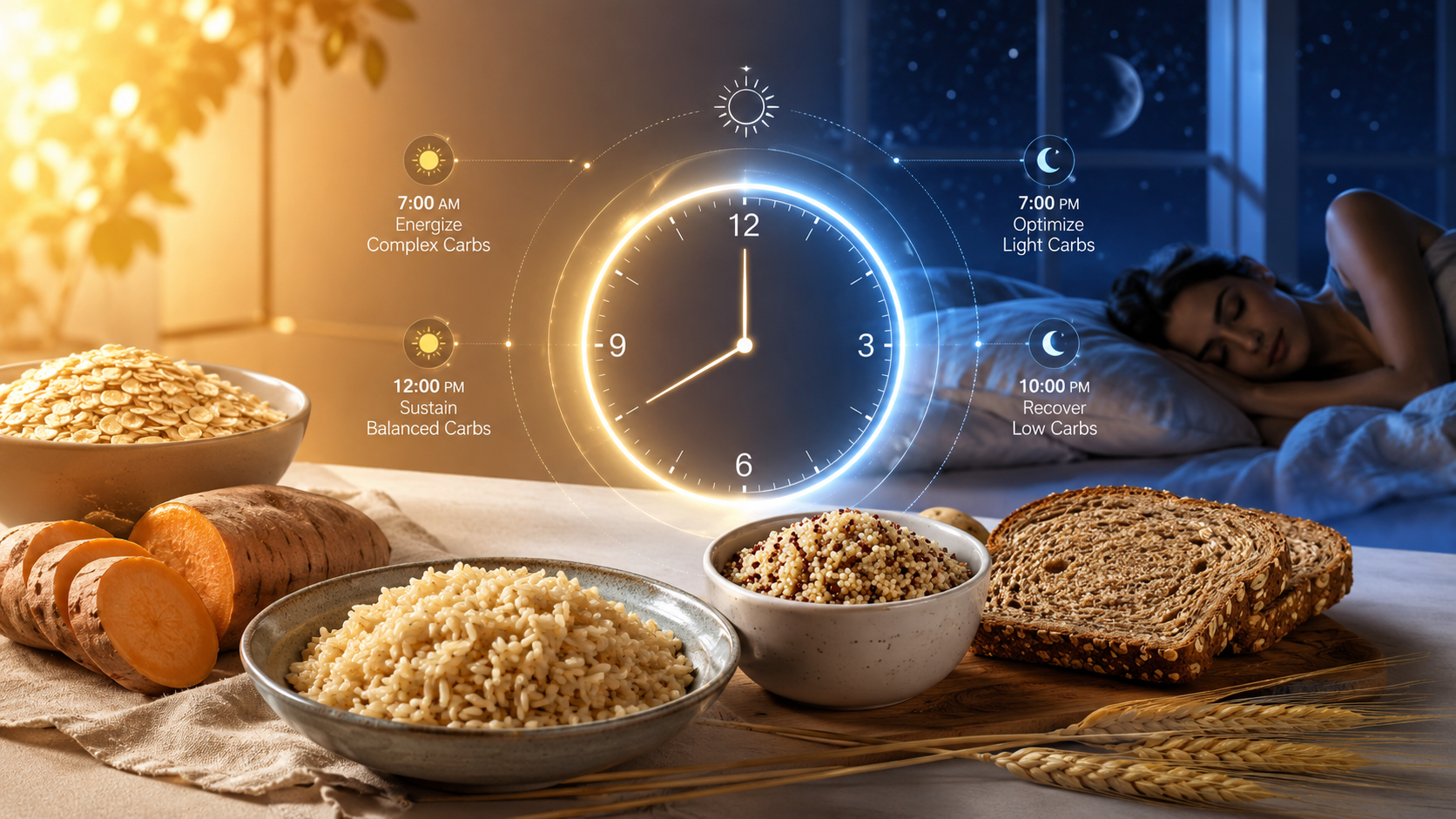
Your body doesn’t process carbohydrates the same way at 8 AM as it does at 11 PM. According to the science of chrononutrition, the timing of your meals matters almost
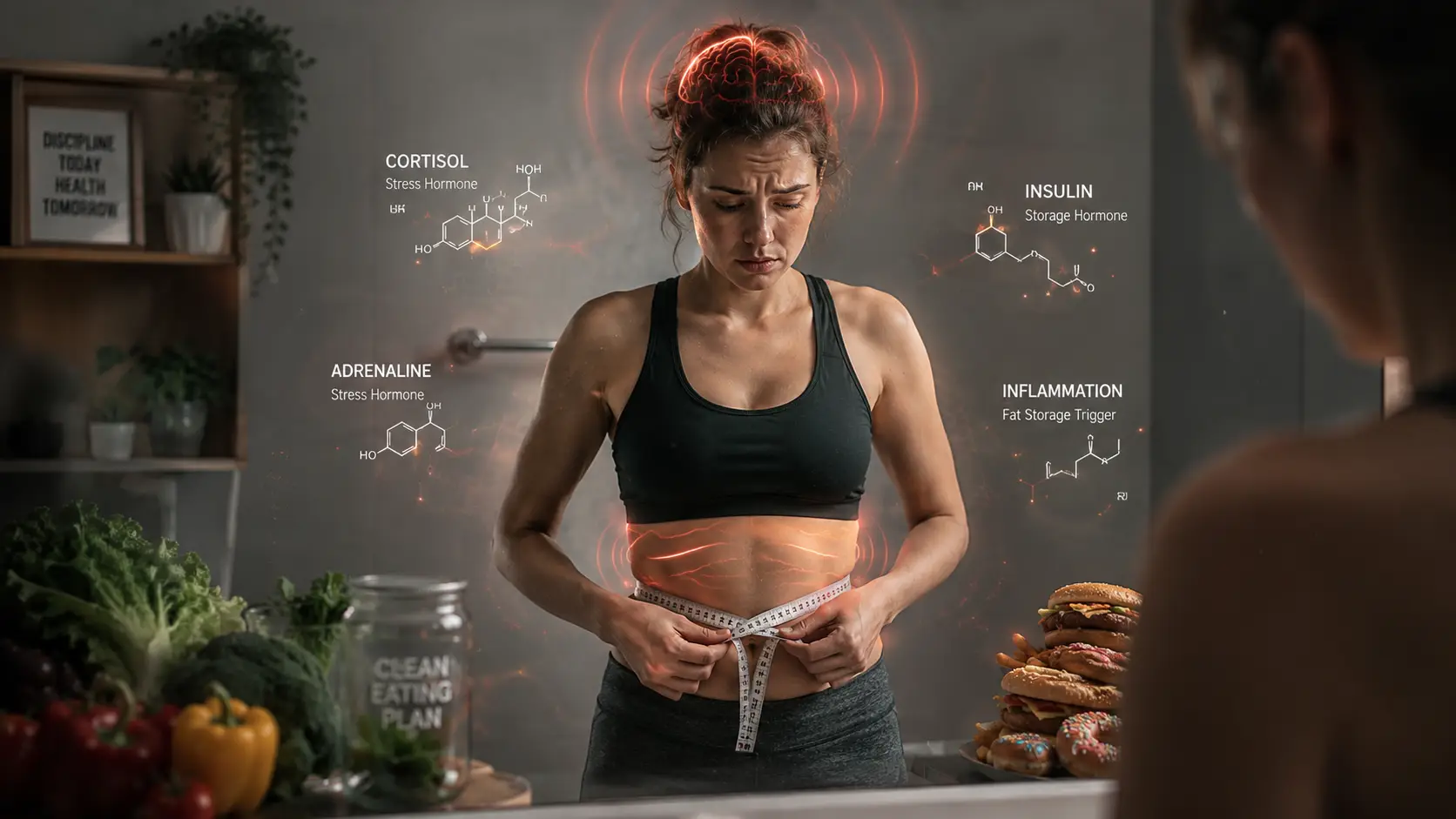
You’re eating less, exercising harder, and doing everything “right” — yet the scale refuses to move. Even worse, stubborn belly fat seems impossible to lose. The problem may not be
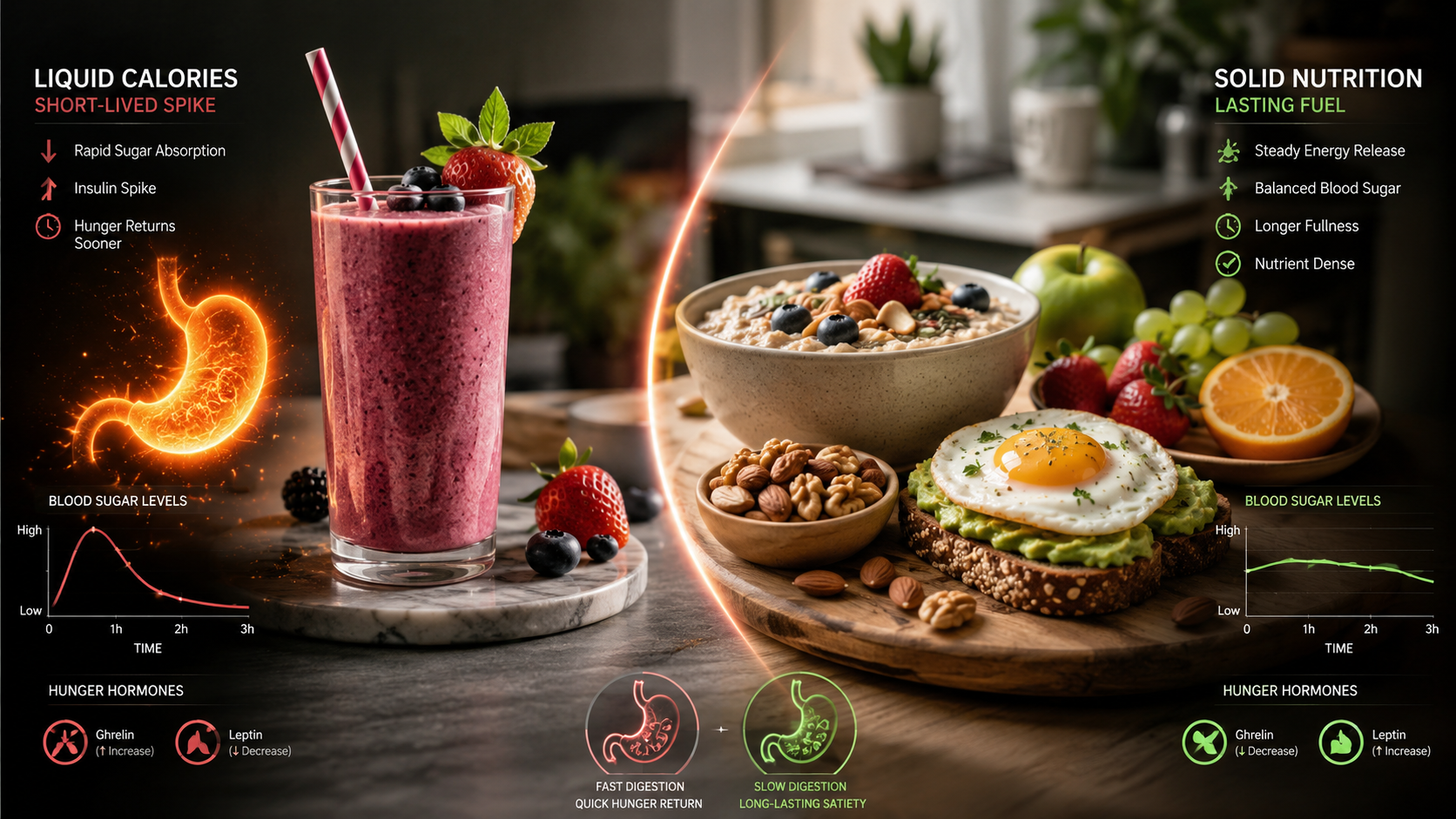
It’s marketed as the ultimate healthy meal. Packed with fruits, protein powders, greens, and “clean” ingredients, smoothies have become a daily ritual for millions of people trying to lose weight,
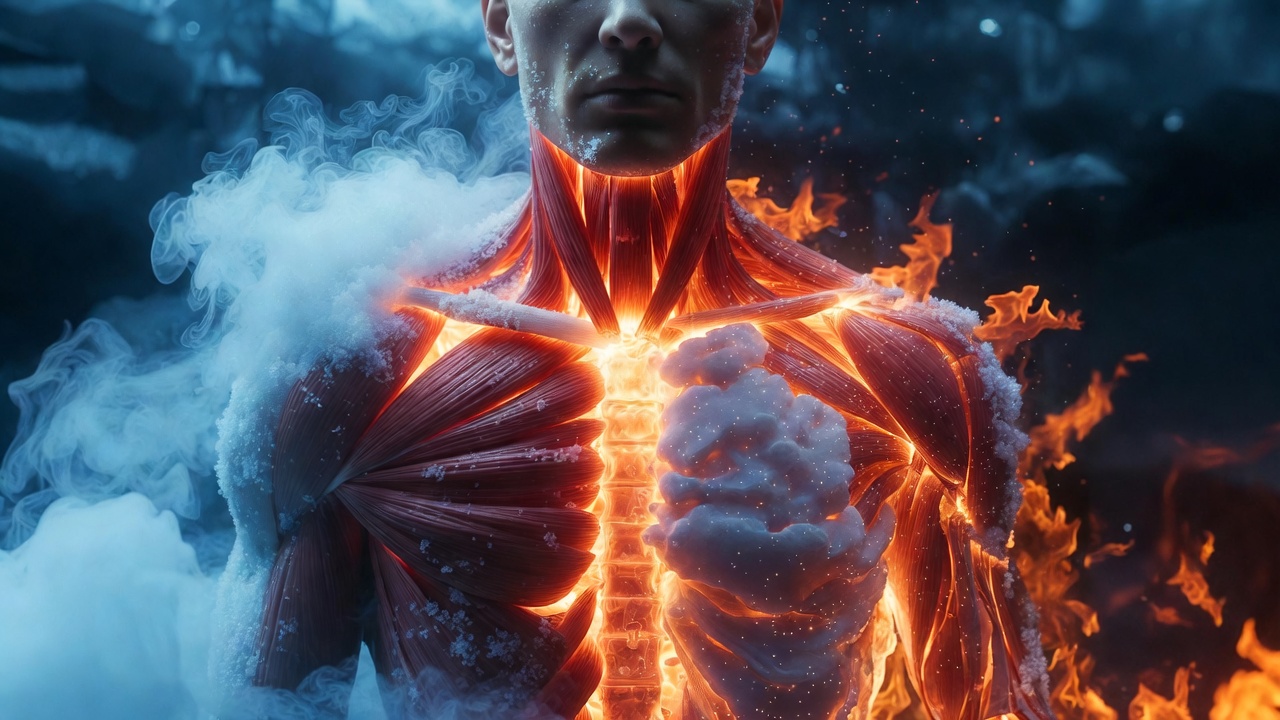
What if your body already had a built-in fat-burning furnace? Scientists are increasingly fascinated by brown adipose tissue (BAT) — commonly known as brown fat — a special type of fat that burns calories







Felix David Coleman Valenzuela: Really enjoyed this post. Thanks for sharing such helpful info. If you want a science‑based breakfast tool, this one has been super helpful for me:
Felix David Coleman Valenzuela: Really enjoyed this post. Thanks for sharing such helpful info. If you want a science‑based breakfast tool, this one has been super helpful for me: