















Now Reading: Brown Fat Activation: How Cold Exposure Can Literally Melt Your Body Fat
-
01
Brown Fat Activation: How Cold Exposure Can Literally Melt Your Body Fat



What if your body already had a built-in fat-burning furnace?
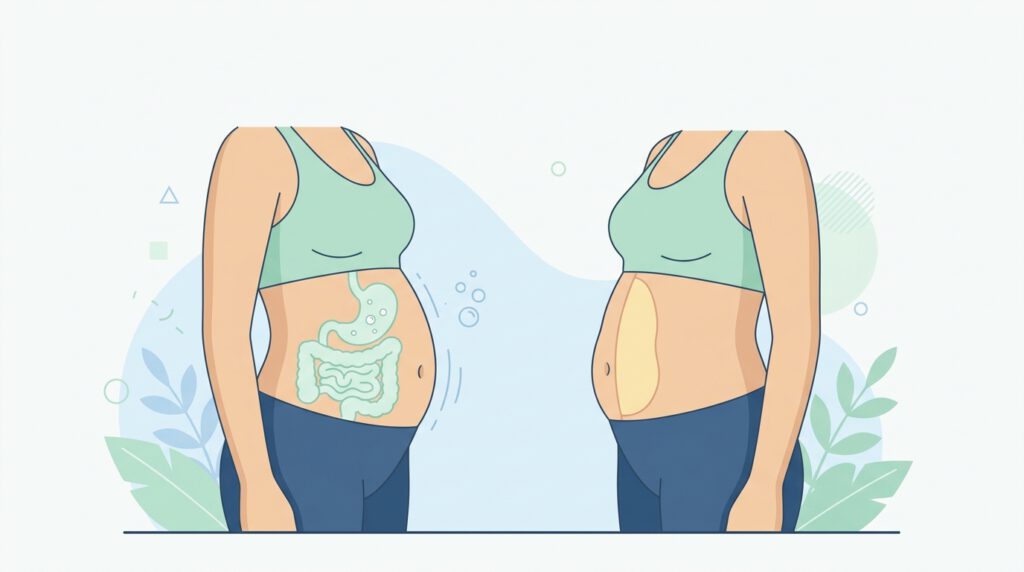
Scientists are increasingly fascinated by brown adipose tissue (BAT) — commonly known as brown fat — a special type of fat that burns calories to generate heat. Unlike regular white fat, which stores energy, brown fat actively consumes energy through a process called thermogenesis.
Recent research suggests that exposing your body to cold temperatures may activate brown fat, increase calorie burning, improve insulin sensitivity, and support metabolic health. Some experts even believe brown fat could play a future role in obesity and type 2 diabetes treatment.
But can cold exposure really “melt” body fat?
Here’s what the science actually says.
Table of contents
What Is Brown Fat?
The human body contains two major types of fat:
White Fat (White Adipose Tissue)
White fat stores excess calories and acts as insulation around organs. Too much white fat — especially around the abdomen — is linked to obesity, heart disease, and diabetes.
Brown Fat (Brown Adipose Tissue)
Brown fat works very differently.
It contains large numbers of mitochondria, the energy-producing structures inside cells. These mitochondria are rich in iron, giving brown fat its darker color.
Instead of storing calories, brown fat burns them to create heat through non-shivering thermogenesis.
This process is powered by a protein called UCP1 (thermogenin), which converts fat and glucose directly into heat rather than usable cellular energy (ATP).
How Cold Exposure Activates Brown Fat
When your body senses cold temperatures, the nervous system releases noradrenaline (norepinephrine). This hormone signals brown fat cells to begin burning stored fatty acids and glucose for heat production.
The result?
- Increased calorie burning
- Higher metabolic activity
- Improved glucose uptake
- Better insulin sensitivity
Research shows that exposure to temperatures around 19°C (66°F) for approximately 2 hours daily may significantly increase brown fat activity.
Even short-term cold exposure can stimulate the body’s thermogenic response.
5 Ways Brown Fat Activation May Improve Your Health
1. Increases Calorie Burning
Brown fat consumes energy to maintain body temperature.
Studies suggest that activating as little as 50–100 grams of brown fat may noticeably increase daily energy expenditure.
Although brown fat alone is unlikely to cause dramatic weight loss, it may support fat burning when combined with:
- Healthy nutrition
- Regular exercise
- Proper sleep
- Reduced processed food intake
2. Improves Insulin Sensitivity
One of the most promising findings in brown fat research involves blood sugar control.
Activated brown fat absorbs glucose from the bloodstream, which may:
- Improve insulin sensitivity
- Lower blood glucose levels
- Reduce type 2 diabetes risk
- Support metabolic flexibility
Several studies found that people with more active brown fat tend to have healthier metabolic markers and lower rates of metabolic disease.
3. Encourages “Fat Browning”
Cold exposure may trigger the conversion of ordinary white fat into beige fat — a more metabolically active form that behaves similarly to brown fat.
This process is often called:
- Fat browning
- White-to-brown fat conversion
- Beige adipocyte recruitment
Exercise may also support this transformation through the release of a hormone-like protein called irisin.
4. Boosts Mood and Mental Focus
Cold exposure doesn’t only affect metabolism.
Research suggests cold stimulation increases levels of:
- Dopamine
- Norepinephrine
- Endorphins
Many people report improved focus, alertness, mood, and energy after cold showers or cold-water immersion.
This may explain the growing popularity of:
- Ice baths
- Cold plunges
- Cryotherapy
- Winter swimming
5. Enhances Metabolic Health
Brown fat appears to improve how the body handles fats and sugars overall.
Researchers have linked active brown fat with:
- Lower triglycerides
- Better cholesterol profiles
- Improved glucose clearance
- Reduced cardiovascular risk markers
Some scientists now believe brown fat may become an important therapeutic target for metabolic diseases in the future.
Best Ways to Activate Brown Fat Naturally
Cold Showers
One of the easiest methods.
Start gradually:
- Begin with 15–30 seconds of cold water
- Slowly increase duration over time
- Focus on consistency rather than extreme temperatures
Ice Baths and Cold Plunges
More intense cold exposure may strongly stimulate brown fat activity.
However, these methods should be approached carefully because sudden cold exposure can trigger:
- Hyperventilation
- Rapid heart rate
- Cold shock response
Beginners should avoid extreme temperatures without proper guidance.
Lower Your Indoor Temperature
Research suggests simply reducing room temperature may help.
Sleeping or spending time in environments around:
- 15–19°C (59–66°F)
may activate brown fat without severe discomfort.
Exercise
Exercise may increase production of irisin, a protein associated with fat browning.
High-intensity aerobic exercise appears especially beneficial.
Recommended weekly activity levels include:
- 150 minutes moderate exercise
or - 75 minutes vigorous exercise
Spicy Foods and Caffeine
Some evidence suggests compounds like:
- Capsaicin (from chili peppers)
- Caffeine
may mildly stimulate thermogenesis and brown fat activity.
However, their effects are far smaller than cold exposure itself.
What the Research Really Says
Despite the excitement, scientists caution against exaggerated claims.
Most brown fat studies were performed on:
- Mice
- Small animal models
- Small groups of humans
Human adults typically carry relatively small amounts of brown fat — often only a few grams.
Research shows brown fat may improve:
- Insulin sensitivity
- Blood sugar control
- Metabolic health
But it probably will not produce massive standalone weight loss.
In several animal studies, cold exposure increased energy expenditure, but animals also ate more food to compensate for the extra calories burned.
This suggests brown fat activation is helpful — but not a “magic fat-burning hack.”
Risks of Cold Exposure
Cold exposure can be dangerous if done improperly.
Potential risks include:
- Hypothermia
- Hyperventilation
- Elevated blood pressure
- Cardiac stress
- Cold shock response
People with heart conditions, circulation disorders, or medical concerns should consult a healthcare professional before trying extreme cold therapy.
Final Thoughts
Brown fat is one of the most fascinating discoveries in modern metabolic science.
Unlike ordinary fat, brown fat actively burns calories to generate heat, especially during cold exposure. Research suggests activating brown fat may support:
- Better metabolic health
- Improved insulin sensitivity
- Increased calorie burning
- Enhanced energy and focus
However, cold exposure alone is unlikely to dramatically transform body composition without broader lifestyle changes.
The best approach remains combining:
- Consistent movement
- Healthy nutrition
- Quality sleep
- Stress management
- Moderate cold exposure practices
Your body may already contain a natural fat-burning system — you just might need to turn the temperature down to activate it.
FAQ
Does cold exposure burn belly fat?
Cold exposure may increase calorie burning and activate brown fat, but it does not specifically target belly fat. Fat loss still depends on overall energy balance and lifestyle habits.
How long should I stay in the cold to activate brown fat?
Research suggests around 1–2 hours at cool temperatures (around 19°C / 66°F) may stimulate brown fat activity. Shorter exposures like cold showers may also help.
Can brown fat help with diabetes?
Studies indicate brown fat improves glucose uptake and insulin sensitivity, which may support better metabolic health and reduce type 2 diabetes risk.
Is brown fat safe to activate daily?
Moderate cold exposure is generally safe for healthy individuals, but extreme cold exposure can be risky. Gradual adaptation is important.
Do adults really have brown fat?
Yes. Scientists once believed only babies had brown fat, but modern imaging studies confirm adults also retain active brown fat deposits, especially around the neck and shoulders.
Related Posts
Stay Informed With the Latest & Most Important News
Previous Post
Next Post









Advertisement