






















Now Reading: The Best Anti-Inflammatory Foods to Eat in 2026 (Complete Guide)
-
01
The Best Anti-Inflammatory Foods to Eat in 2026 (Complete Guide)


Chronic inflammation is one of the leading causes of modern diseases, including heart disease, diabetes, cancer, and even Alzheimer’s.
While short-term inflammation helps your body fight infections, long-term inflammation can quietly damage your health.
The good news? One of the most powerful tools to fight inflammation isn’t found in a pharmacy—it’s in your kitchen.
In this guide, we’ll explore the best anti-inflammatory foods to eat in 2026, backed by science and updated nutrition trends.
Table of contents
What Is Inflammation and Why It Matters
Inflammation is your immune system’s natural response to harmful invaders like bacteria, viruses, or toxins. However, when inflammation becomes chronic, it turns into a silent threat.
According to nutrition experts like Dr. Frank Hu from Harvard, chronic inflammation is linked to major diseases such as:
- Heart disease
- Type 2 diabetes
- Arthritis
- Depression
- Alzheimer’s disease
That’s why adopting an anti-inflammatory diet is essential for long-term health.
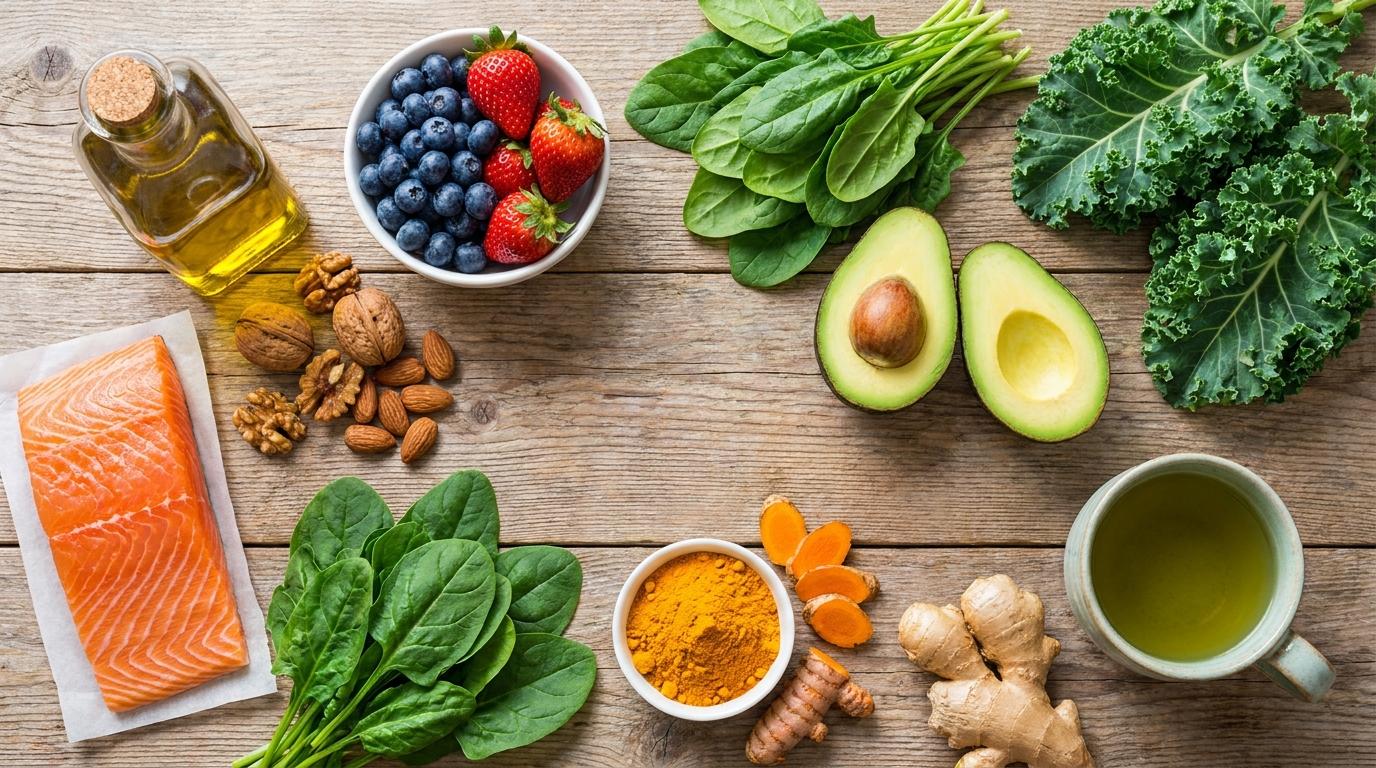
Top Anti-Inflammatory Foods to Eat in 2026
1. Fatty Fish (Omega-3 Powerhouses)
Fatty fish are among the most effective foods for reducing inflammation thanks to omega-3 fatty acids (EPA & DHA).
Best choices:
- Salmon
- Sardines
- Mackerel
- Anchovies
👉 These help reduce inflammation markers and support heart and brain health.
2. Berries & Antioxidant-Rich Fruits
Berries are packed with antioxidants like anthocyanins and vitamin C.
Top picks:
- Blueberries
- Strawberries
- Raspberries
- Blackberries
👉 They help neutralize free radicals and reduce oxidative stress.
3. Healthy Fats
Not all fats are bad. In fact, healthy fats are essential for fighting inflammation.
Include:
- Extra virgin olive oil
- Avocados
- Avocado oil
👉 Rich in polyphenols and monounsaturated fats that protect your cells.
4. Leafy Greens & Cruciferous Vegetables
Green vegetables are loaded with vitamins, fiber, and anti-inflammatory compounds.
Best options:
- Spinach
- Kale
- Swiss chard
- Broccoli
- Brussels sprouts
👉 These foods support detoxification and immune balance.
5. Nuts & Seeds
Nuts and seeds provide healthy fats, fiber, and vitamin E.
Top choices:
- Almonds
- Walnuts
- Chia seeds
- Flaxseeds
👉 They help reduce inflammation and improve heart health.
6. Whole Grains & Legumes
Fiber plays a key role in reducing inflammation by supporting gut health.
Examples:
- Lentils
- Beans
- Barley
- Buckwheat
- Black rice
👉 A healthy gut microbiome = lower inflammation.
7. Anti-Inflammatory Spices
Spices are trending strongly in 2026 for their medicinal benefits.
Must-have spices:
- Turmeric (with black pepper)
- Ginger
- Garlic
👉 Curcumin in turmeric is one of the most powerful natural anti-inflammatory compounds.
8. Beverages That Fight Inflammation
What you drink matters too.
Best options:
- Green tea
- Matcha
- Coffee (in moderation)
👉 These are rich in polyphenols that reduce inflammation.
Top Anti-Inflammatory Diet Strategies for 2026
1. Replace Harmful Oils
Avoid industrial seed oils like soybean or corn oil.
👉 Use olive oil, avocado oil, or ghee instead.
2. Eat More Fiber
High-fiber diets improve gut health and reduce inflammation.
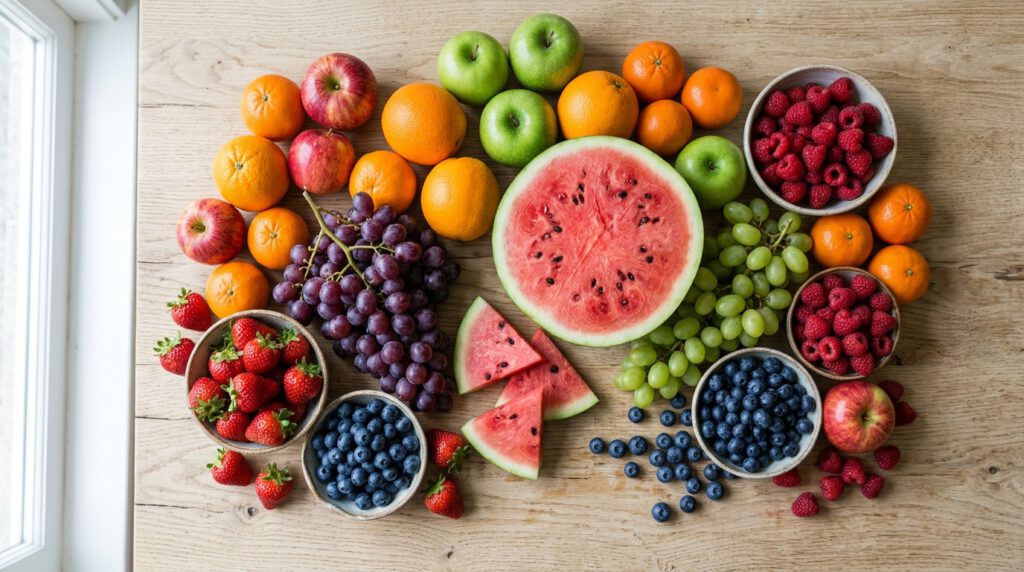
3. Prioritize Colorful Foods
Bright fruits and vegetables = more antioxidants.
4. Focus on Whole Foods
Avoid processed foods and choose natural, unprocessed ingredients.
Foods That Cause Inflammation (Avoid These)
To reduce inflammation, limit or avoid:
- Refined carbohydrates (white bread, pastries)
- Sugary drinks and sodas
- Processed meats (sausages, hot dogs)
- Fried foods
- Trans fats and margarine
👉 These foods are strongly linked to chronic disease and inflammation.
The Benefits of an Anti-Inflammatory Diet
Switching to an anti-inflammatory diet can:
✔ Reduce the risk of chronic diseases
✔ Improve heart health
✔ Support brain function
✔ Boost energy levels
✔ Improve mood and overall well-being
Best Diet Plan: Mediterranean Diet
If you’re looking for a structured approach, the Mediterranean diet is one of the best anti-inflammatory diets.
It focuses on:
- Fruits and vegetables
- Whole grains
- Fish
- Healthy fats
👉 It’s widely recommended by health experts worldwide.
Key Takeaways (Quick Summary)
- Chronic inflammation is linked to major diseases
- The best anti-inflammatory foods include fish, berries, greens, and healthy fats
- Avoid processed foods, sugar, and refined carbs
- Focus on whole, natural, nutrient-dense foods
- Consistency is key for long-term health benefits
Conclusion
In 2026, the focus on anti-inflammatory eating is stronger than ever—and for good reason. Your daily food choices can either fuel inflammation or fight it.
By choosing the right foods and avoiding harmful ones, you can significantly improve your health, energy, and quality of life.
Remember: Food is not just fuel—it’s medicine.
Related Posts
Stay Informed With the Latest & Most Important News
Previous Post
Next Post










Advertisement