
























Now Reading: What Happens to Your Body When You Quit Sugar for 7 Days (Day-by-Day Results)
-
01
What Happens to Your Body When You Quit Sugar for 7 Days (Day-by-Day Results)


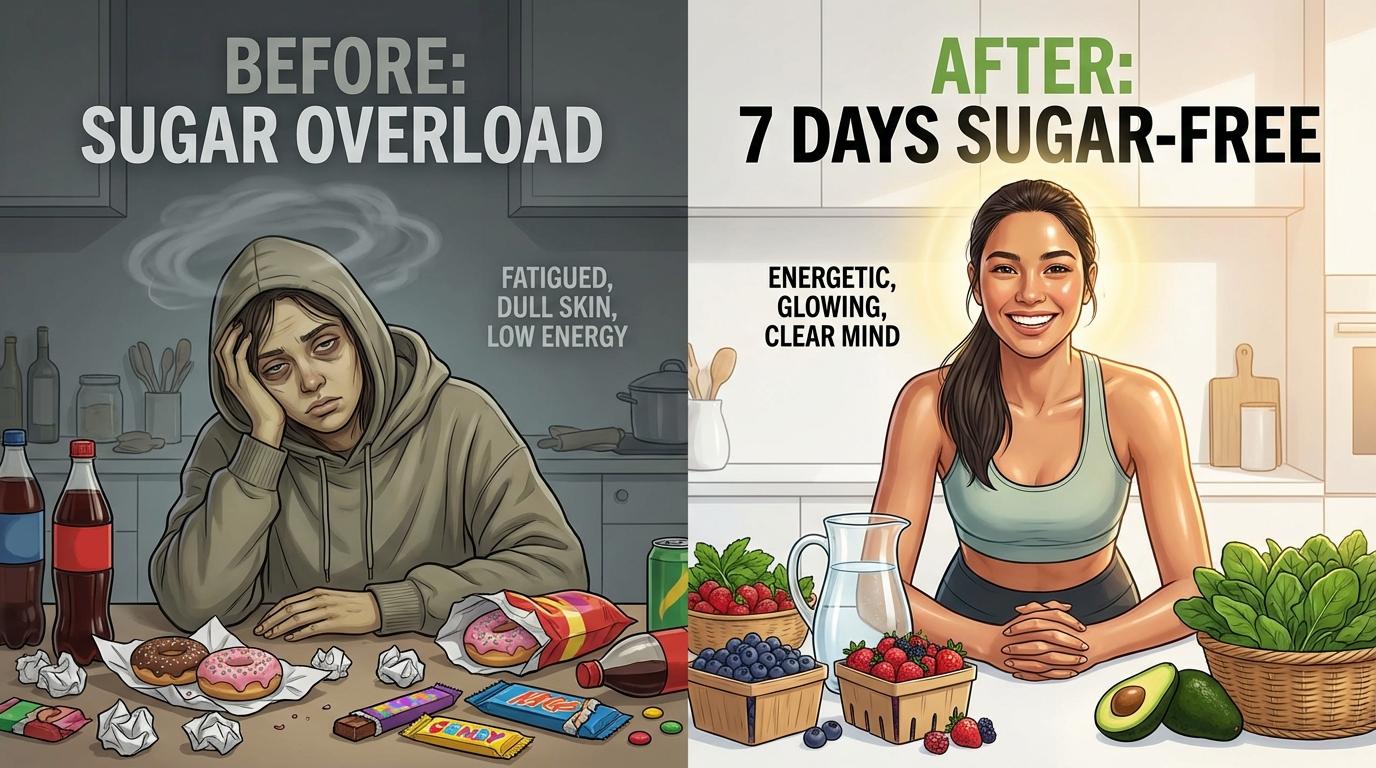
We all know sugar isn’t great for our health — but what actually happens when you stop eating it for 7 days?
From intense cravings and headaches to clearer skin and stable energy, cutting out sugar can trigger powerful changes in both your body and mind, often faster than you’d expect.
Here’s a real, day-by-day breakdown of what happens when you quit sugar, backed by science and real-life experience.
What Happens to Your Body When You Stop Eating Sugar?
When you eliminate sugar, your body goes through a short adjustment period before it starts to recover and rebalance. Your brain’s dopamine spikes reduce, insulin levels begin to stabilize, your body shifts toward more stable energy sources, and inflammation gradually decreases.
The result? You may feel worse before you feel amazing.
Day 1–3: The Sugar Withdrawal Phase
The first few days are the hardest. Common symptoms include headaches, fatigue, irritability, and intense sugar cravings.
This happens because your brain is used to frequent sugar “hits.” When you stop, it reacts in a way that’s surprisingly similar to caffeine withdrawal. Many people describe this phase as the “mental battle” stage — your habits and cravings are actively fighting back.
Day 4–7: Energy Stabilization and Mental Clarity
By mid-week, things start to shift. Energy levels become stable with no crashes, cravings drop significantly, focus and concentration improve, and mood becomes more balanced.
Without sugar spikes, your body no longer rides the “energy rollercoaster” — and this is usually when people notice their brain fog lifting.
Physical Changes You’ll Notice
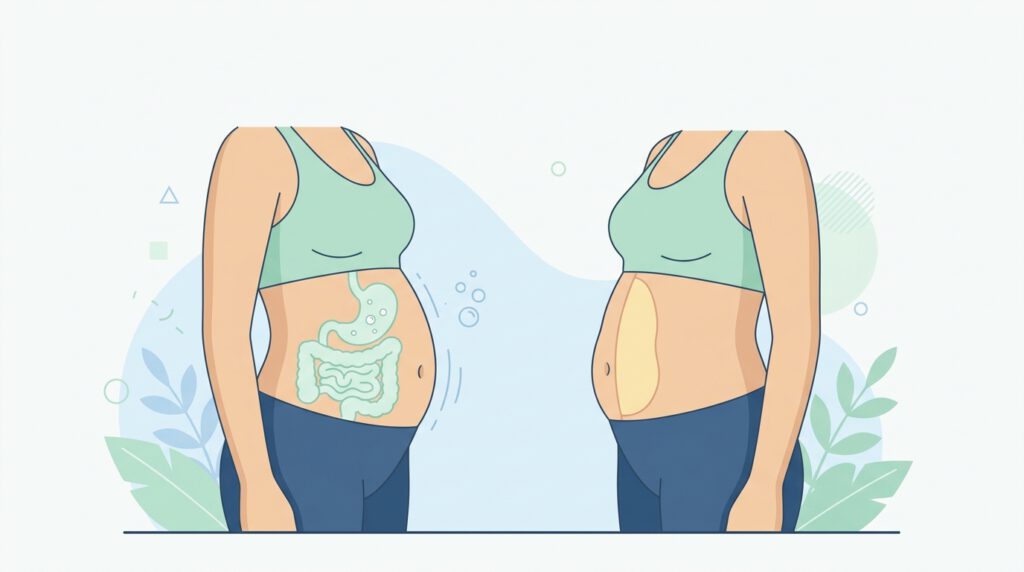
Reduced bloating and water retention. Cutting sugar lowers insulin levels, which helps your body release excess water and sodium. You may feel lighter, and your clothes may fit better.
Clearer skin. Sugar contributes to inflammation and a process called glycation, which damages collagen. After a few days without it, skin tends to look brighter, puffiness decreases, and acne may improve.
Better digestion. Your gut bacteria begin to rebalance as sugar intake drops, which often means less bloating and improved digestion overall.
Sharper taste buds. Without constant sugar stimulation, fruits start to taste sweeter and natural foods become more enjoyable.
Improved sleep quality. Lower sugar intake helps regulate blood sugar levels overnight, leading to deeper sleep with fewer interruptions.
Do You Lose Weight After 7 Days Without Sugar?
Yes, but mostly in the form of water weight, reduced bloating, and a little fat loss. Since you’re cutting out high-calorie snacks and refined carbs, your overall calorie intake naturally drops along with it.
The Hidden Truth: Sugar Is Everywhere
One of the biggest surprises during a sugar detox is realizing how many everyday foods contain hidden sugar — salad dressings, pasta sauces, “healthy” snacks, and processed foods in general. Reading labels quickly becomes essential.
10 Key Lessons From Going Sugar-Free
- It’s hard at first, but it gets easier.
- Your environment matters more than willpower.
- Many snacks are just sugar in disguise.
- Drinking water reduces cravings.
- Sleep controls hunger and energy.
- Stress triggers sugar cravings.
- Cooking at home gives you back control.
- Even kids don’t need added sugar.
- Sugar addiction is engineered — it’s not a personal failing.
- The benefits show up fast.
The Science Behind Sugar Withdrawal
When you eat sugar, your brain releases dopamine, the “feel-good” chemical. When you stop, that process reverses in stages: days 1–2 bring dopamine withdrawal, with cravings and irritability; days 3–4 bring insulin stabilization and better energy; and days 5–7 bring a drop in inflammation and improved overall health.
Cold Turkey vs. Gradual Reduction
You have two options. Cold turkey brings stronger withdrawal symptoms but faster benefits. Gradual reduction comes with fewer side effects but slower progress. Most people looking for quick results tend to choose the cold turkey approach.
Final Thoughts: Is It Worth It?
Absolutely. Even after just 7 days, you may notice more energy, clearer skin, better focus, reduced cravings, and improved sleep. You don’t have to quit sugar forever — but taking a short break can completely reset your body and your habits.
Pro Tip for Best Results
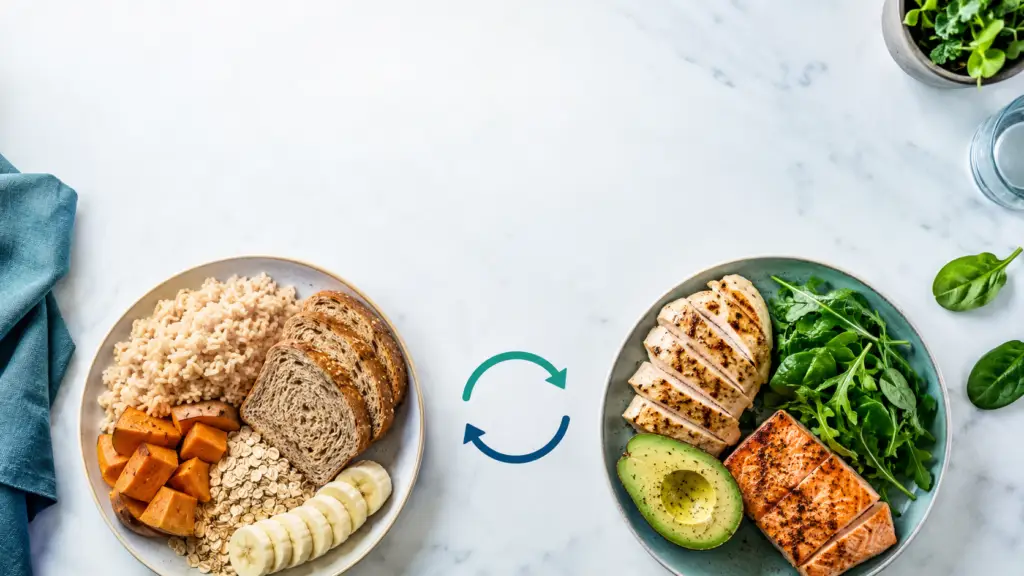
Instead of just removing sugar, focus on replacing it with whole foods, protein-rich meals, healthy fats, and plenty of water. This makes the transition easier and the results much stronger.
Conclusion
Cutting out sugar for 7 days might feel challenging at first, but the benefits come quickly and can be genuinely life-changing. If you’ve been feeling tired, bloated, or mentally foggy, this simple experiment could be exactly what your body needs.
Related Posts


Stay Informed With the Latest & Most Important News
Previous Post
Next Post









Advertisement