

















Now Reading: Anti-Nutrients: Why Your Salad Might Be Blocking Your Mineral Absorption
-
01
Anti-Nutrients: Why Your Salad Might Be Blocking Your Mineral Absorption


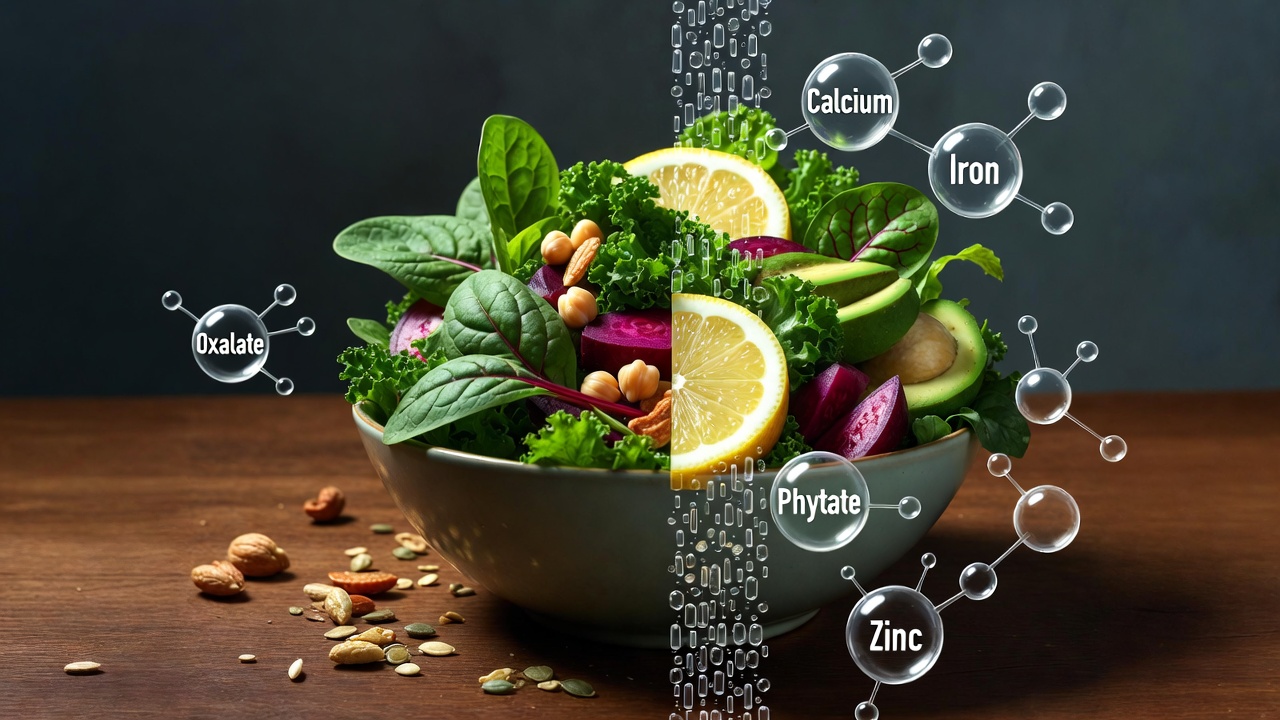
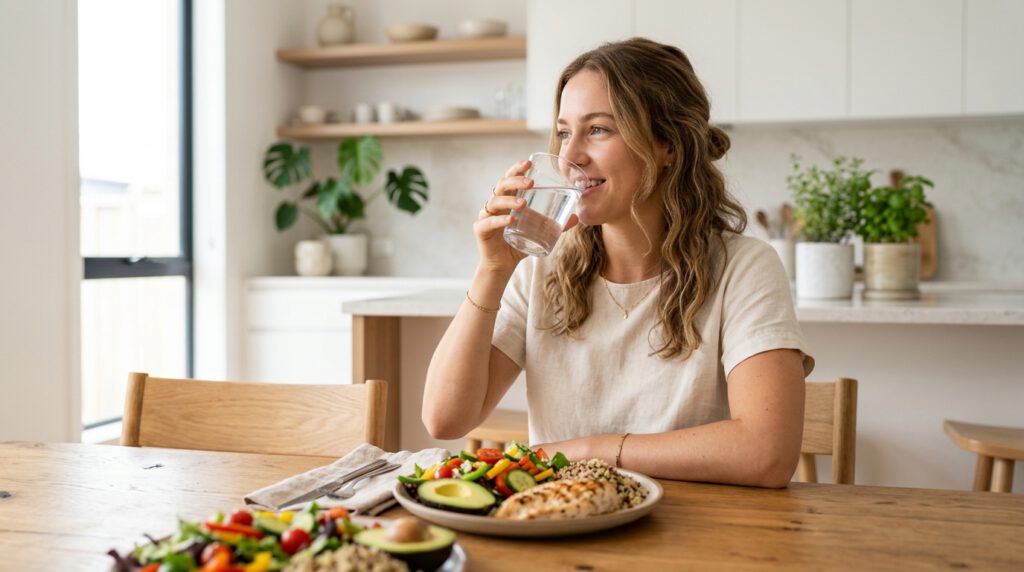
Salads are often considered the ultimate healthy meal. Packed with leafy greens, nuts, seeds, and legumes, they provide fiber, antioxidants, and essential vitamins. But surprisingly, some of these same “superfoods” also contain compounds known as anti-nutrients — naturally occurring substances that can reduce your body’s ability to absorb important minerals like calcium, iron, zinc, and magnesium.
Before you panic and toss out your spinach bowl, here’s the good news: anti-nutrients are not inherently harmful, and most healthy people can still enjoy nutrient-rich plant foods without problems. The key is understanding how anti-nutrients work and learning simple strategies to reduce their effects.
In this article, we’ll explore the top anti-nutrients commonly found in salads, how they impact mineral absorption, and how to maximize the nutritional value of your meals.
Table of contents
- What Are Anti-Nutrients?
- 1. Oxalates: The Calcium Blocker in Leafy Greens
- 2. Phytates: The Mineral Trap in Seeds and Legumes
- 3. Lectins: The Hidden Compounds in Raw Legumes
- 4. Tannins: The Iron-Blocking Polyphenols
- 5. Goitrogens: The Thyroid Interference Factor
- Does This Mean Salads Are Unhealthy?
- How to Maximize Nutrient Absorption From Salads
- Summary Table: Common Anti-Nutrients in Salads
- The Bottom Line
What Are Anti-Nutrients?
Anti-nutrients are natural compounds found mainly in plant foods. Plants produce them as a defense mechanism against insects, bacteria, and predators. While these compounds help plants survive, they can sometimes interfere with the absorption of nutrients in the human digestive system.
The most common anti-nutrients include:
- Oxalates
- Phytates
- Lectins
- Tannins
- Goitrogens
- Saponins
These substances can bind to minerals in the digestive tract, making them harder for your body to absorb.
1. Oxalates: The Calcium Blocker in Leafy Greens
Oxalates (or oxalic acid) are among the most well-known anti-nutrients. They are especially abundant in:
- Spinach
- Swiss chard
- Beet greens
- Parsley
- Tea
- Nuts
Oxalates strongly bind to calcium, forming compounds that the body cannot absorb efficiently. This means that although spinach contains calcium, your body absorbs only a small portion of it.
Why It Matters
High oxalate intake may:
- Reduce calcium absorption
- Contribute to kidney stone formation in sensitive individuals
- Lower the nutritional value of calcium-rich foods eaten in the same meal
Some studies suggest calcium absorption may be overestimated by up to 26% when oxalates are present.
How to Reduce Oxalates
- Steam or boil leafy greens
- Blanch spinach before adding it to salads
- Rotate greens instead of eating spinach daily
- Pair oxalate-rich foods with calcium sources like sesame seeds or goat cheese
2. Phytates: The Mineral Trap in Seeds and Legumes
Phytates (phytic acid) are commonly found in:
- Whole grains
- Lentils
- Chickpeas
- Beans
- Nuts
- Seeds
Phytates can bind to:
- Iron
- Zinc
- Magnesium
- Calcium
This reduces the body’s ability to absorb these essential minerals.
Why It Matters
Research shows even small amounts of phytates can significantly reduce iron absorption. In some cases, non-heme iron absorption from plant foods may decrease dramatically.
This is especially important for:
- Vegetarians and vegans
- People with iron deficiency anemia
- Individuals at risk of osteoporosis
How to Reduce Phytates
- Soak beans, nuts, and seeds overnight
- Sprout legumes before cooking
- Ferment grains when possible
- Add vitamin C-rich foods like lemon juice, tomatoes, or bell peppers to improve iron absorption
3. Lectins: The Hidden Compounds in Raw Legumes
Lectins are proteins naturally present in:
- Raw beans
- Soybeans
- Peanuts
- Whole grains
In large amounts, lectins may interfere with the absorption of minerals and proteins.
Why It Matters
Raw or undercooked legumes contain the highest lectin levels. Certain lectins can irritate the digestive tract and reduce nutrient utilization.
How to Reduce Lectins
The solution is simple:
- Cook legumes thoroughly
- Avoid eating raw beans
- Soak legumes before cooking
- Sprouting can further reduce lectin content
Cooking destroys most lectins effectively.
4. Tannins: The Iron-Blocking Polyphenols
Tannins are naturally occurring compounds found in:
- Tea
- Coffee
- Certain nuts
- Legumes
While tannins have antioxidant benefits, they can also reduce iron absorption.
Why It Matters
Drinking tea or coffee with meals may decrease the absorption of non-heme iron from plant foods.
How to Reduce the Impact
- Drink tea or coffee between meals instead of during meals
- Combine iron-rich foods with vitamin C
- Avoid pairing high-tannin beverages with iron supplements
5. Goitrogens: The Thyroid Interference Factor
Goitrogens are found in cruciferous vegetables like:
- Broccoli
- Kale
- Brussels sprouts
- Cabbage
These compounds may interfere with iodine absorption and thyroid hormone production.
Why It Matters
For most people, cruciferous vegetables are perfectly healthy. However, individuals with iodine deficiency or hypothyroidism may need to moderate excessive intake of raw cruciferous vegetables.
How to Reduce Goitrogens
- Lightly cook cruciferous vegetables
- Ensure adequate iodine intake
- Eat a varied diet
Does This Mean Salads Are Unhealthy?
Absolutely not.
Despite the scary name, anti-nutrients are not a reason to avoid vegetables or plant-based foods. In fact, many anti-nutrients also provide health benefits.
For example:
- Phytates may help regulate blood sugar
- Tannins have antioxidant properties
- Glucosinolates in broccoli may support cancer prevention
The benefits of eating vegetables, legumes, nuts, and whole grains usually far outweigh the minor reduction in mineral absorption.
How to Maximize Nutrient Absorption From Salads
Here are practical ways to improve mineral bioavailability while still enjoying healthy salads:
Cook or Blanch Greens
Boiling spinach or Swiss chard lowers oxalate levels significantly.
Soak Nuts and Seeds
Overnight soaking reduces phytates and improves digestibility.
Add Vitamin C
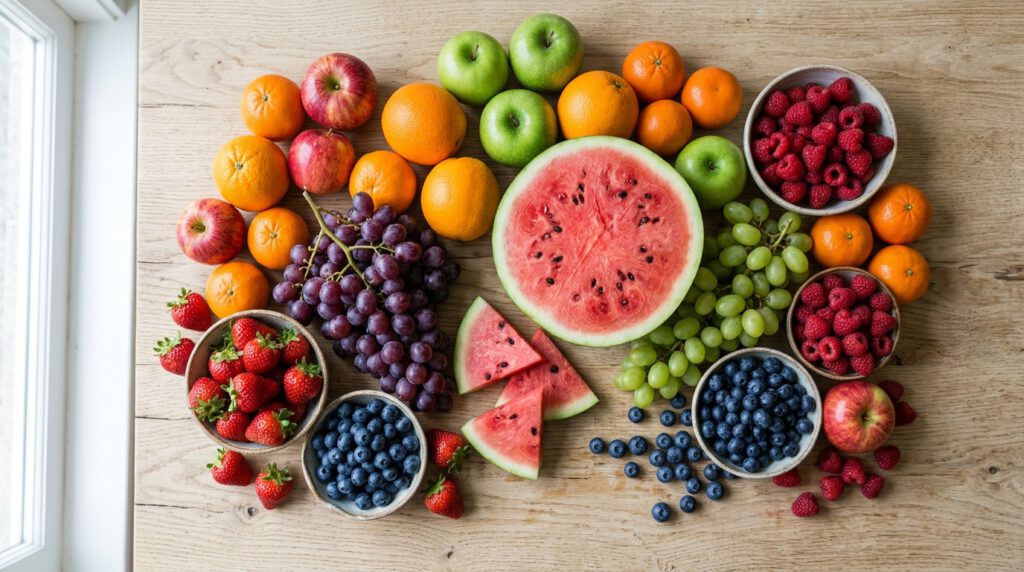
Lemon juice, tomatoes, strawberries, and bell peppers dramatically boost iron absorption.
Include Healthy Fats
Olive oil and avocado help absorb fat-soluble vitamins like A, E, and K.
Rotate Your Ingredients
Avoid eating massive amounts of the same raw greens daily.
Avoid Tea With Meals
Drink tea or coffee between meals to improve iron uptake.
Summary Table: Common Anti-Nutrients in Salads
| Ingredient | Anti-Nutrient | Nutrient Blocked | Better Option |
|---|---|---|---|
| Raw Spinach | Oxalates | Calcium | Steam or blanch |
| Raw Legumes | Lectins, Phytates | Iron, Zinc | Cook thoroughly |
| Raw Nuts & Seeds | Phytates | Zinc, Iron | Soak or toast |
| Beet Greens | Oxalates | Calcium | Cook before eating |
| Tea With Meals | Tannins | Iron | Drink between meals |
The Bottom Line
Anti-nutrients are a natural part of many healthy foods, and for most people, they are not dangerous. Problems typically arise only when someone consumes excessive amounts of the same foods or already has mineral deficiencies.
Instead of avoiding nutrient-rich vegetables and legumes, focus on smarter preparation methods like soaking, sprouting, steaming, and combining foods strategically.
A balanced diet with variety remains the best approach for maximizing nutrition and supporting long-term health.
FAQ
Are anti-nutrients harmful?
Not usually. Most anti-nutrients have both drawbacks and health benefits. In balanced diets, they rarely cause deficiencies.
Does cooking remove anti-nutrients?
Yes. Cooking, soaking, fermenting, and sprouting can significantly reduce many anti-nutrients.
Is spinach unhealthy because of oxalates?
No. Spinach is highly nutritious, but cooking it can improve calcium availability and reduce oxalate content.
Should vegans worry about anti-nutrients?
Vegans and vegetarians may need to pay closer attention to iron and zinc absorption, but proper food preparation and dietary variety usually solve the issue.
What improves iron absorption the most?
Vitamin C-rich foods like citrus fruits, tomatoes, and bell peppers can greatly enhance iron absorption from plant foods.
Related Posts
Stay Informed With the Latest & Most Important News
Previous Post
Next Post









Advertisement