

















Now Reading: How to Lower Cholesterol Naturally Through Diet (No Medication Needed)
-
01
How to Lower Cholesterol Naturally Through Diet (No Medication Needed)


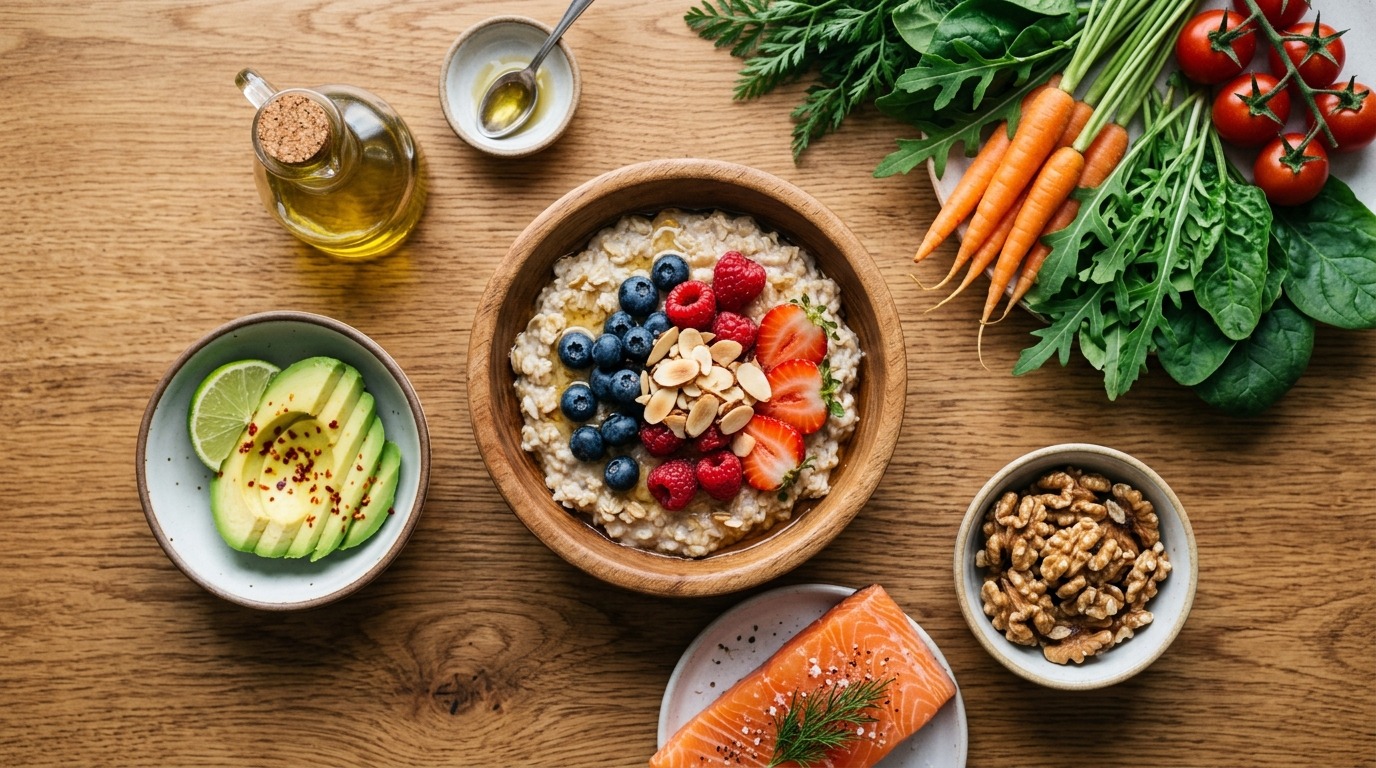
If your last lipid panel came back with a high LDL (“bad”) cholesterol number, medication isn’t always the first — or only — answer.
For many people with mildly to moderately elevated cholesterol, targeted changes to diet and daily habits can bring numbers down meaningfully within a few months, no prescription required.
This guide walks through the foods that actually move the needle, how long you can realistically expect it to take, and when it’s time to loop in a doctor.
Table of contents
- What Cholesterol Numbers Actually Mean
- How Long Does Diet Actually Take to Lower Cholesterol?
- 1. Load Up on Soluble Fiber
- 2. Replace Saturated and Trans Fats With Unsaturated Fats
- 3. Eat Fatty Fish and Plant Protein for Omega-3s
- 4. Add Plant Sterols and Stanols
- 5. Limit Dietary Cholesterol and Sodium
- 6. Move Your Body Regularly
- 7. Manage Your Weight
- 8. Cut Back on Alcohol and Quit Smoking
- 9. Consider Supplements — With Realistic Expectations
- When to See a Doctor
- Frequently Asked Questions
- The Takeaway
What Cholesterol Numbers Actually Mean
Cholesterol is a waxy, fat-like substance your liver makes and that your body needs to build cells, produce hormones, and make vitamin D.
Problems start when there’s too much of it circulating in your blood. Cholesterol travels through the bloodstream attached to proteins called lipoproteins, and two types matter most:
- LDL (low-density lipoprotein) — often called “bad” cholesterol because it deposits cholesterol into artery walls, where it can build up as plaque and narrow blood flow.
- HDL (high-density lipoprotein) — the “good” cholesterol, which carries excess cholesterol back to the liver for removal.
Here’s a general reference chart for adults, based on standard U.S. lipid panel categories:
| Marker | Healthy Range | High Risk |
| Total cholesterol | Below 200 mg/dL | 240 mg/dL or higher |
| LDL (“bad”) | Below 100 mg/dL | 160 mg/dL or higher |
| HDL (“good”) | 60 mg/dL or higher | Below 40 mg/dL |
| Triglycerides | Below 150 mg/dL | 200 mg/dL or higher |
These are general benchmarks — your own target may be lower if you have existing heart disease or other risk factors, so it’s worth discussing your personal numbers with a doctor.
How Long Does Diet Actually Take to Lower Cholesterol?
This is the question almost everyone asks first, and the honest answer is: it depends, but it’s faster than most people expect. Here’s a realistic timeline based on how the body responds to dietary change:
- 2–4 weeks: Early metabolic shifts begin. You likely won’t see a dramatic change on paper yet, but your gut and liver are already adjusting to more fiber and less saturated fat.
- 8–12 weeks: This is when most people start to see visible movement — often a 5–15% drop in LDL from diet changes alone, and up to roughly a 10% drop from cutting saturated fat and boosting fiber specifically.
- 3–6 months: This is the window doctors typically use to judge whether lifestyle changes are working well enough on their own, or whether medication should be added.
Consistency matters more than intensity here — a moderate diet followed every day beats a strict one followed for two weeks and abandoned.
1. Load Up on Soluble Fiber
Soluble fiber dissolves in water to form a gel-like substance in your digestive tract. That gel binds to cholesterol and bile acids (which are made from cholesterol) and carries them out of the body before they can be reabsorbed into the bloodstream — which forces your liver to pull more cholesterol out of your blood to make more bile acids. Aim for roughly 10–25 grams of soluble fiber a day.
Best sources
- Oats and barley — a bowl of oatmeal or barley added to soup is one of the simplest daily swaps.
- Legumes — chickpeas, black beans, kidney beans, and lentils.
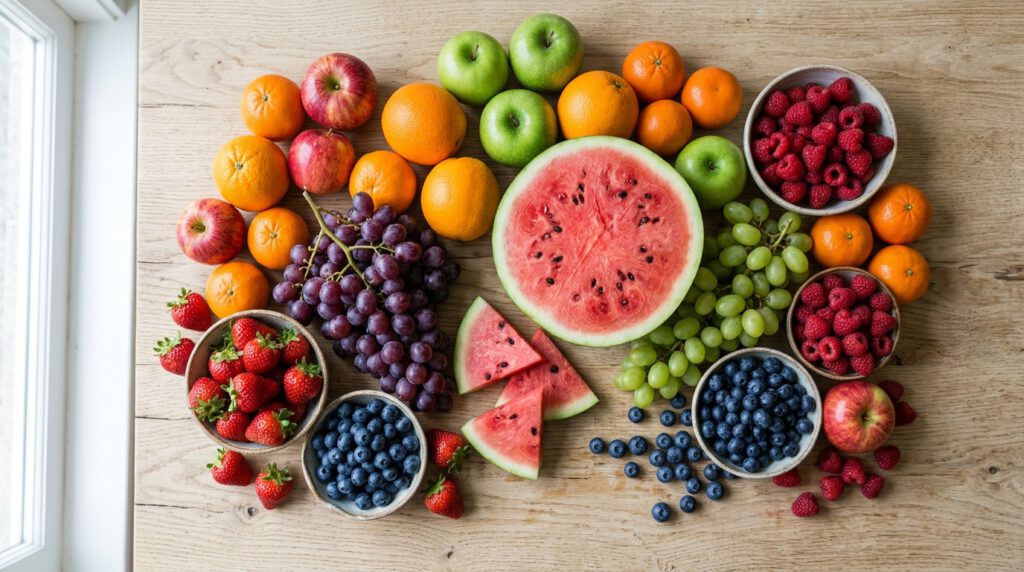
- Fruit — apples, pears, oranges, and berries (the skin holds much of the fiber, so leave it on when you can).
- Vegetables — carrots, sweet potatoes, and Brussels sprouts.
- Psyllium husk — an easy way to add several grams of soluble fiber if food sources alone don’t get you there.
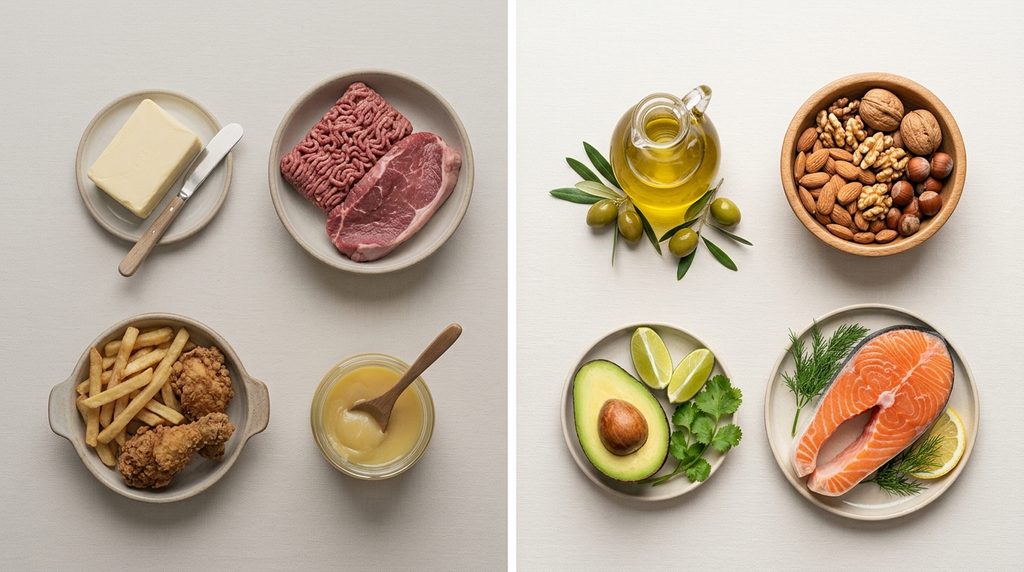
2. Replace Saturated and Trans Fats With Unsaturated Fats
Saturated fat is the single biggest dietary driver of high LDL cholesterol — more than dietary cholesterol itself for most people. Trans fats are worse still: they raise LDL and lower protective HDL at the same time. Most health authorities recommend keeping saturated fat under roughly 6% of daily calories and trans fat under 1%.
| Daily Calories | Saturated Fat Ceiling |
| 1,200 | About 8 g |
| 1,500 | About 10 g |
| 2,000 | About 13 g |
| 2,500 | About 17 g |
Cut back on:
- Fatty and processed meats, sausages, and meat pies
- Butter, lard, ghee, and full-fat dairy
- Coconut and palm oil
- Packaged baked goods, cakes, and fried or fast food (common sources of trans fat)
Swap in:
- Olive oil, avocado oil, or canola oil for cooking
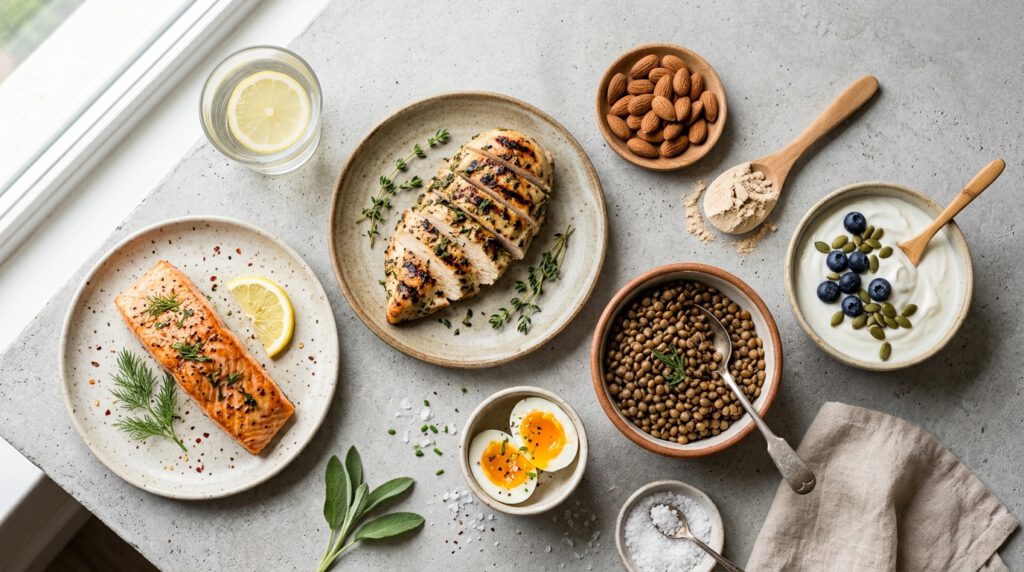
- A small daily handful of almonds, walnuts, or pistachios
- Lean poultry and fish in place of red or processed meat
3. Eat Fatty Fish and Plant Protein for Omega-3s
Omega-3 fatty acids help lower triglycerides and support overall heart rhythm and blood pressure, and swapping in plant protein gives your liver less saturated fat to process.
- Fatty fish — salmon, mackerel, sardines, or tuna, ideally twice a week.
- Plant-based omega-3s — walnuts, chia seeds, ground flaxseed, and canola or soybean oil (these contain a less potent form of omega-3 than fish, but still help).
- Plant proteins — tofu, edamame, and other soy foods in place of some animal protein.
4. Add Plant Sterols and Stanols
Plant sterols and stanols are naturally occurring compounds that structurally resemble cholesterol closely enough to block some of its absorption in the gut.
Getting around 2 grams a day — through whole grains, nuts, legumes, and sterol-fortified foods like certain margarines and orange juices — can meaningfully lower LDL, and some fortified products show measurable drops within just a few weeks.
5. Limit Dietary Cholesterol and Sodium
For most people looking to lower their numbers, keeping dietary cholesterol under about 200 mg a day is a reasonable target.
The biggest sources are organ meats, egg yolks, shrimp, and full-fat dairy. Sodium doesn’t directly affect cholesterol, but keeping it under about 2,300 mg a day (roughly one teaspoon of salt) helps control blood pressure, which compounds your cardiovascular risk alongside high cholesterol.
6. Move Your Body Regularly
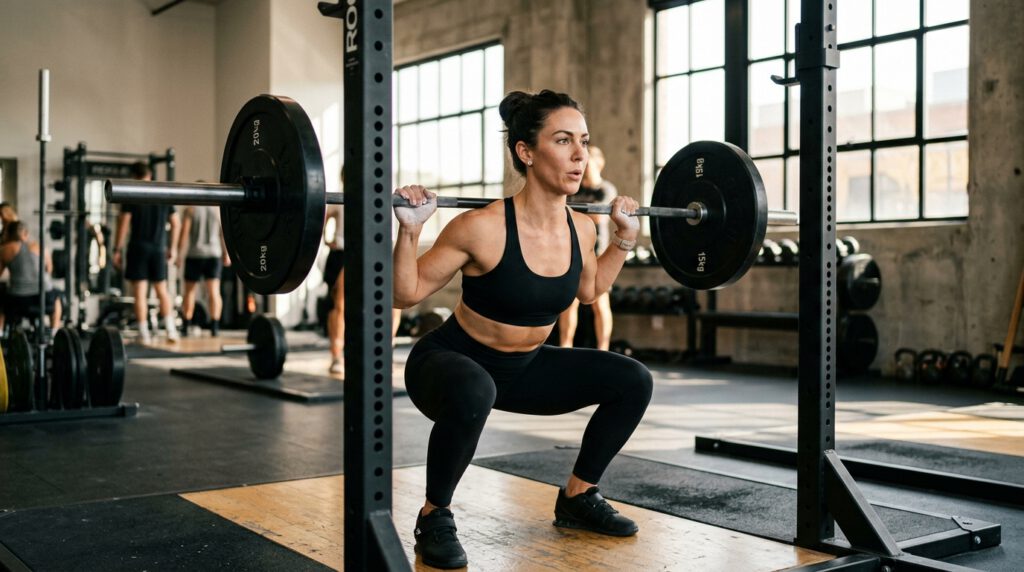
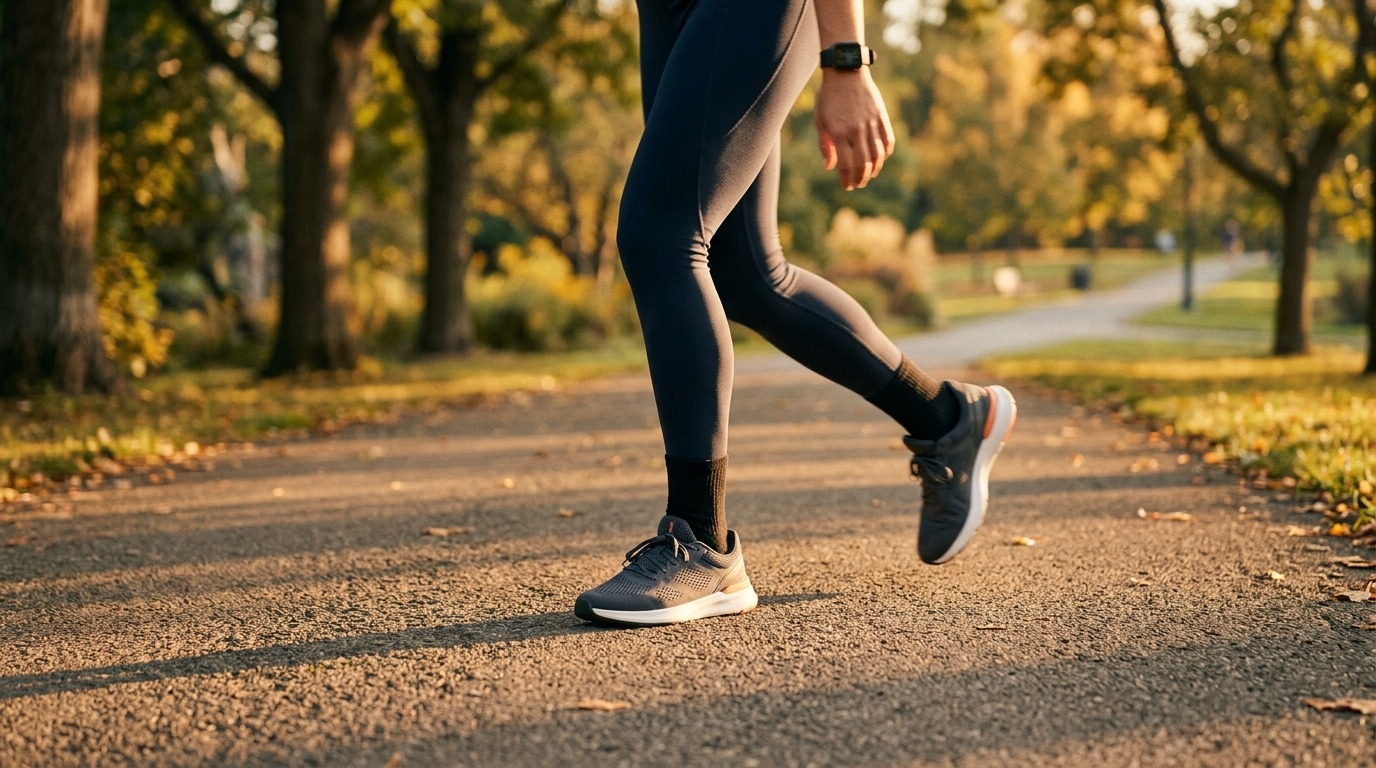
Exercise is one of the few habits that raises protective HDL cholesterol while also helping lower LDL, largely by improving how efficiently your body clears cholesterol from the blood. The general target is about 150 minutes of moderate activity a week — roughly 30 minutes, five days a week.
- Brisk walking
- Swimming or water aerobics
- Cycling
- Any activity you’ll actually stick with — consistency beats intensity here too
7. Manage Your Weight
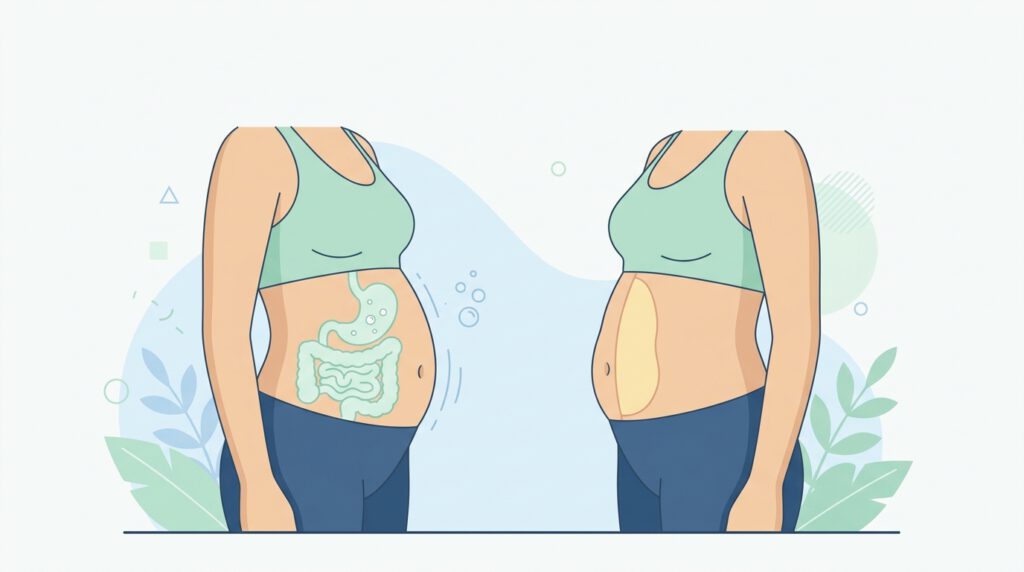
Carrying extra weight, particularly around the abdomen, is linked to higher LDL and lower HDL. Losing even a modest amount — around 5–10% of body weight — has been shown to improve LDL, HDL, and triglycerides together, often within a couple of months, without needing to reach an “ideal” weight.
8. Cut Back on Alcohol and Quit Smoking
Alcohol is broken down by the liver into triglycerides and cholesterol, and drinking heavily is linked to higher LDL, higher blood pressure, and weight gain — all of which stack risk on top of high cholesterol. If you drink, most guidelines suggest capping it at one drink a day for women and two for men, and cutting back further if you’re trying to actively lower your numbers.
Smoking doesn’t just damage your lungs — it lowers HDL and makes existing LDL more likely to stick to artery walls. Quitting is one of the fastest ways to improve your HDL level, with benefits noticeable within weeks. A doctor or a smoking-cessation program can help with cravings and withdrawal.
9. Consider Supplements — With Realistic Expectations
A few supplements have modest evidence behind them, but none should replace a balanced diet:
- Garlic supplements: Some studies suggest a small reduction in LDL, though the effect size is modest and evidence is mixed.
- Fish oil: More reliable for lowering triglycerides and inflammation than for lowering LDL directly.
- Psyllium husk: A well-supported way to close the gap if you’re not hitting your fiber target through food alone.
Talk to a doctor or pharmacist before starting any supplement, especially if you take other medications — some, like niacin or red yeast rice, can interact with prescriptions or affect liver function.
When to See a Doctor
High cholesterol usually has no symptoms, so testing is the only way to know where you stand.
General screening guidelines suggest an adult lipid panel every four to six years starting around age 20, and more often if you have a family history of high cholesterol or heart disease.
Give lifestyle changes a genuine 3–6 month trial, since that’s the window most doctors use to judge whether diet and exercise are working.
If your numbers haven’t moved enough in that time — or if your starting LDL was very high, or you already have cardiovascular disease — a doctor may recommend adding a statin or another cholesterol medication alongside your diet, not instead of it.
Frequently Asked Questions
Can I lower cholesterol through diet alone, without medication?
Many people with mildly to moderately high cholesterol can bring their numbers into a healthier range through diet, exercise, and weight management alone. How much you need medication on top of that depends on your starting numbers, genetics, and overall cardiovascular risk — which is worth discussing with a doctor.
What foods lower cholesterol the fastest?
Soluble fiber (oats, beans, psyllium) and plant sterol-fortified foods tend to show measurable effects the quickest — sometimes within two to three weeks — because they directly block cholesterol absorption in the gut.
Does cutting out eggs actually lower cholesterol?
For most people, saturated fat has a bigger effect on blood cholesterol than dietary cholesterol from eggs does. Moderate egg intake is fine for most people as part of an otherwise low-saturated-fat diet, though anyone with very high cholesterol may want individualized advice.
Is it possible to have high cholesterol and be a healthy weight?
Yes. Genetics, age, and diet composition all influence cholesterol independent of body weight, so it’s possible to have high LDL even at a healthy BMI.
The Takeaway
Lowering cholesterol naturally comes down to a fairly short list of habits repeated consistently: more soluble fiber, fewer saturated and trans fats, more unsaturated fats and omega-3s, regular movement, and — if relevant — cutting back on alcohol and quitting smoking.
Most people see initial movement within a month and meaningful change within three to six months. If diet and lifestyle changes aren’t enough on their own, that’s not a failure — it’s simply a sign to bring medication into the conversation alongside the habits you’ve already built.
This article is for general information and isn’t a substitute for personalized medical advice. Talk to a doctor before making major changes to your diet or starting supplements, especially if you take other medications.
Related Posts
Stay Informed With the Latest & Most Important News
Previous Post
Next Post







Advertisement